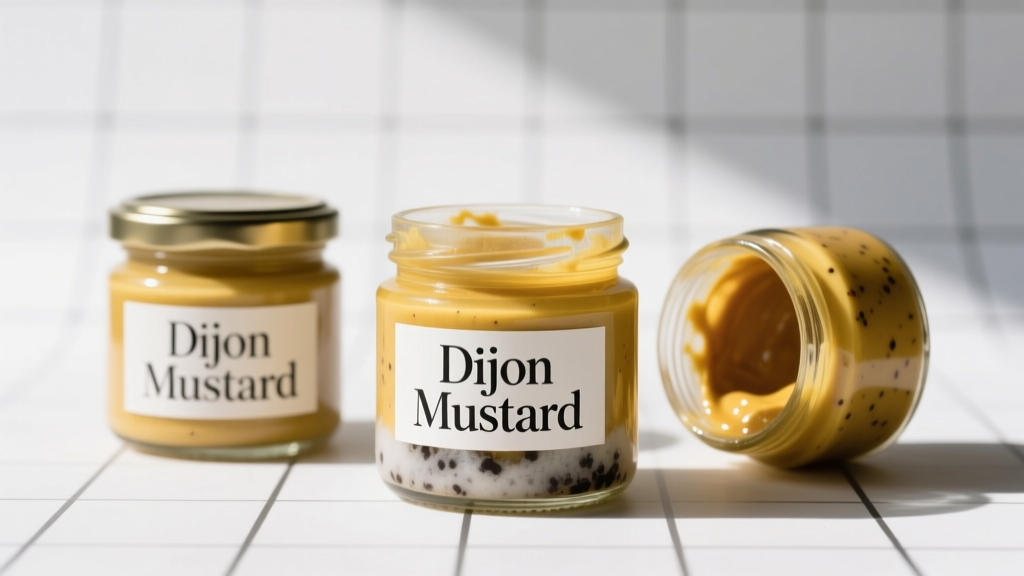
Yes, Dijon Mustard Can Go Bad: Shelf Life & Safety Guide
Yes, Dijon mustard can go bad, but it has an exceptionally long shelf life due to its high acidity and preservative properties. Unopened containers typically remain safe for 2-3 years past the printed date, while opened mustard stays fresh for 1-2 years when properly refrigerated. Key spoilage indicators include mold growth, significant texture changes, foul odors, or off-flavors.
Have you ever pulled that half-used jar of Dijon mustard from your refrigerator and wondered, "Is this still safe to use?" You're not alone. Understanding the shelf life of this popular condiment prevents unnecessary food waste while keeping your meals safe. In this guide, you'll learn exactly how to determine if your Dijon mustard has spoiled, discover optimal storage techniques that maximize freshness, and gain confidence in using this versatile ingredient long after its "best by" date.
How to Identify Spoiled Dijon Mustard: The 4 Critical Signs
Unlike many perishable foods, Dijon mustard rarely becomes dangerous when past its prime—but it does eventually lose quality. Here's what to check before using that forgotten jar:
- Mold growth - Any visible fuzzy spots (white, green, or black) mean immediate discard
- Unpleasant odor - Fresh Dijon has a sharp, tangy aroma; spoiled versions develop sour or rancid smells
- Texture changes - Separation is normal, but thick clumping or watery consistency indicates spoilage
- Off-flavors - A metallic or bitter taste (beyond its natural sharpness) means it's time to replace
According to the USDA's Food Safety and Inspection Service, the high vinegar content in mustard creates an environment hostile to most bacteria, making foodborne illness extremely rare with this condiment. However, mold can still develop when moisture is introduced during use.
Dijon Mustard Shelf Life Timeline: What Really Matters
Understanding the difference between "best by" dates and actual safety is crucial. Here's what affects how long your Dijon remains usable:
| Storage Condition | Unopened Shelf Life | Opened Shelf Life | Quality Notes |
|---|---|---|---|
| Pantry (unopened) | 2-3 years past date | N/A | Maintains peak flavor |
| Refrigerator (unopened) | 3+ years past date | N/A | Extended freshness |
| Pantry (opened) | N/A | 1-2 months | Rapid quality decline |
| Refrigerator (opened) | N/A | 1-2 years | Optimal preservation |
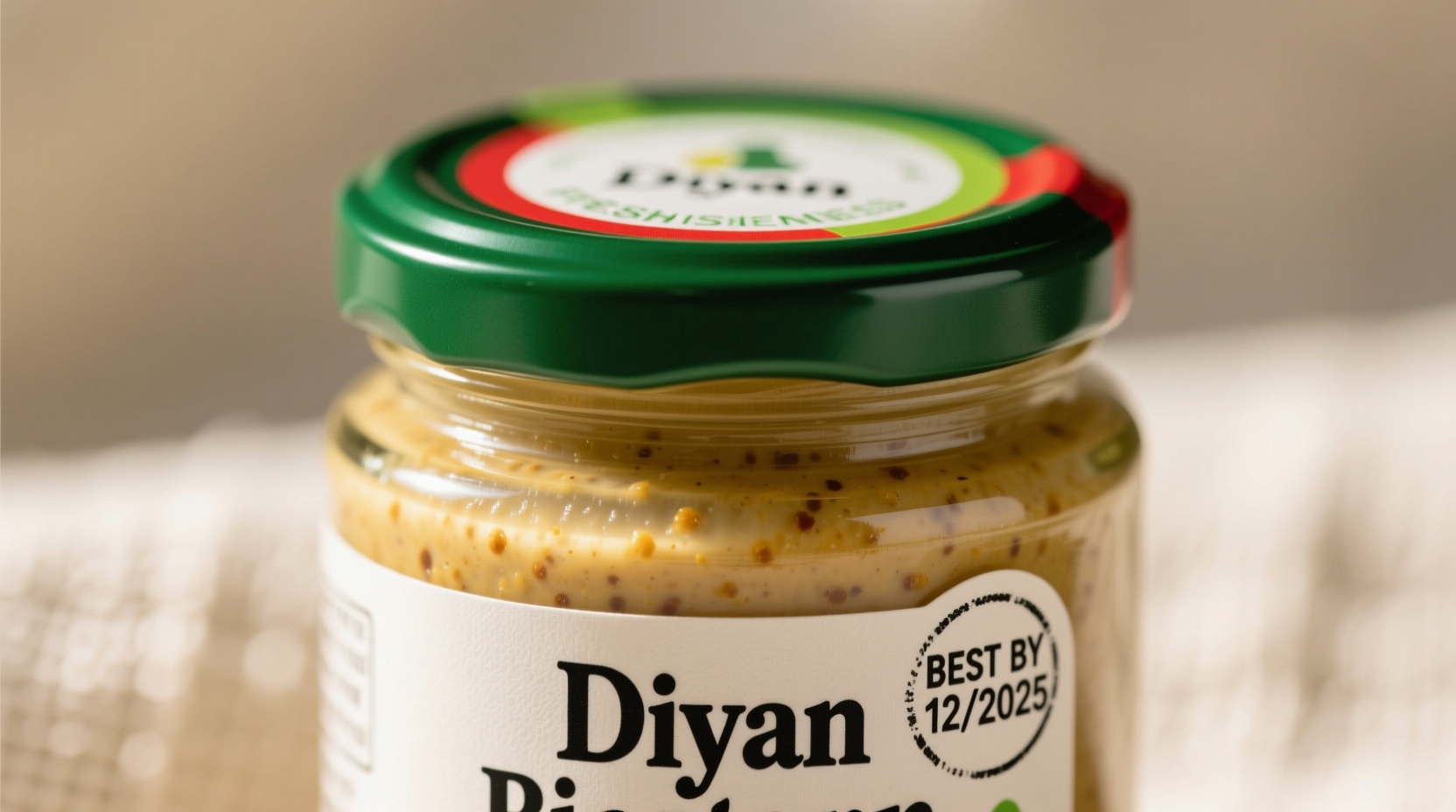
This timeline reflects data from the National Center for Home Food Preservation, which confirms that acidic condiments like mustard significantly outlast most pantry staples. The "best by" date primarily indicates peak flavor quality rather than safety—unlike dairy or meat products, mustard won't suddenly become dangerous after this date.
Proper Storage Techniques for Maximum Freshness
How you store Dijon mustard dramatically impacts its longevity. Follow these evidence-based methods:
The Refrigeration Imperative
While unopened jars can safely reside in your pantry, always refrigerate Dijon mustard after opening. The FDA's Food Code specifies that opened acidified foods like mustard should be kept below 40°F (4°C) to prevent quality degradation. This simple step extends usability from mere months to potentially years.
Cross-Contamination Prevention
Every time you dip a used spoon into the jar, you introduce moisture and potential contaminants. Food safety experts recommend:
- Using clean utensils for each serving
- Wiping the rim before reclosing
- Storing in original container (glass preserves quality better than plastic)
When It's Still Safe: Contextual Boundaries for Use
Not all changes indicate spoilage. Understanding context prevents unnecessary waste:
- Separation - Natural settling occurs; simply stir to restore consistency
- Color fading - Gradual lightening over time is normal, not dangerous
- Mild flavor changes - Slightly less pungent after 18+ months but still usable
The key boundary: if you detect any mold or persistent off-odors, discard immediately. However, minor texture changes or slight flavor reduction don't necessarily mean the mustard has gone bad—especially if properly stored. This distinction aligns with the USDA's guidance on evaluating condiment safety versus quality decline.
Practical Tips for Maximizing Your Dijon Mustard's Value
Extend your mustard's usefulness with these professional kitchen techniques:
- Freeze for long-term storage - Portion into ice cube trays then transfer to freezer bags (maintains quality for 2+ years)
- Revive separated mustard - Add 1 tsp vinegar and whisk vigorously
- Test before discarding - If appearance seems questionable but no mold present, mix small amount with mayo to assess flavor
- Track usage - Write opening date on jar with permanent marker
Remember that Dijon's acidity makes it an excellent ingredient even when past peak freshness—use older mustard in cooked applications like sauces or marinades where subtle flavor changes matter less than in cold preparations.
Frequently Asked Questions
Can I eat Dijon mustard that's 2 years past its expiration date?
Yes, if properly refrigerated after opening and showing no signs of spoilage. The USDA confirms that mustard's high acidity prevents bacterial growth, making it safe well beyond printed dates. Always check for mold, off odors, or texture changes before consuming.
Why does my Dijon mustard smell different than usual?
Slight aroma changes are normal as mustard ages due to gradual chemical reactions in the vinegar and wine components. However, a distinctly sour, rancid, or cheesy smell indicates spoilage. When in doubt, perform a small taste test—if it tastes metallic or unpleasant beyond its natural sharpness, discard it.
Does unopened Dijon mustard need refrigeration?
No, unopened Dijon mustard remains stable in your pantry until the "best by" date (typically 2-3 years). The National Center for Home Food Preservation confirms that the combination of vinegar, salt, and mustard seed's natural preservatives creates an inhospitable environment for pathogens at room temperature. Refrigeration before opening only extends peak flavor quality.
What causes mold in Dijon mustard?
Mold develops when moisture is introduced during use—typically from double-dipping utensils or leaving the jar open. The FDA's Food Code emphasizes that even small amounts of introduced moisture can compromise the product's natural preservation. Always use clean, dry utensils and wipe the rim before closing to prevent mold growth.
Can I freeze Dijon mustard to extend its shelf life?
Yes, freezing preserves Dijon mustard's quality for 2+ years. Portion into ice cube trays, freeze solid, then transfer cubes to freezer bags. Thaw overnight in the refrigerator before use. Freezing may cause slight texture changes, but this doesn't affect usability in cooked dishes. This method is particularly useful for specialty mustards you want to preserve.
More Articles
 Miso Soup Nutrition Facts: Complete Breakdown Per Serving
 Paprika Types: Sweet, Hot, and Smoked
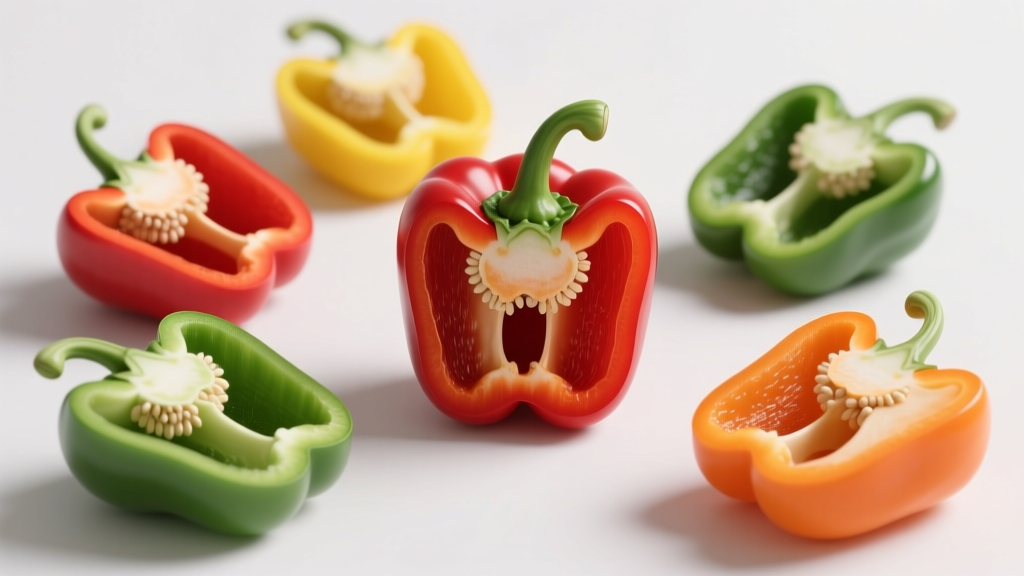 Bell Pepper Carb Count: Exact Numbers by Color
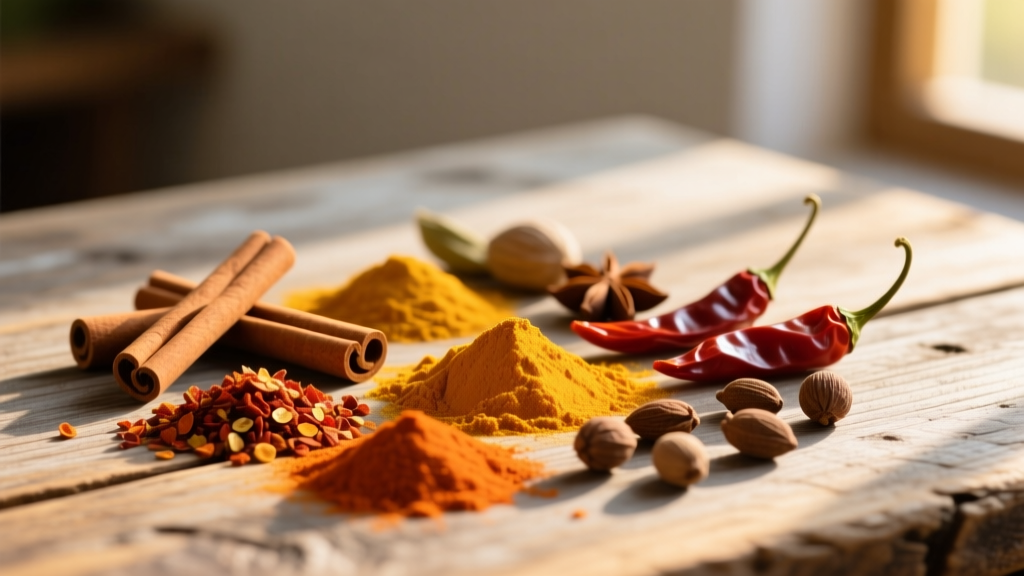 Cinnamon Types: Ceylon vs Cassia Guide
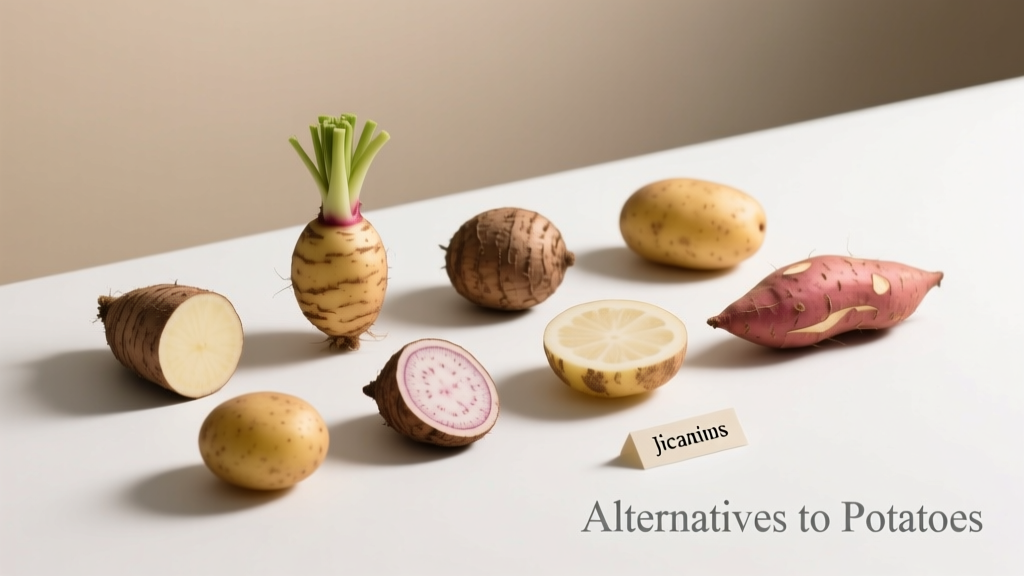 12 Nutrient-Rich Potato Alternatives for Your Kitchen
 Rolls for Seasoning
 Where to Find Chia Seeds in Grocery Stores: Aisle Guide
 Onion Tips: Selection, Storage, Prep
 Black Cumin vs Cumin: Clear Botanical & Culinary Differences
 Calories in 1 Cup Cooked Rice: White vs Brown Comparison