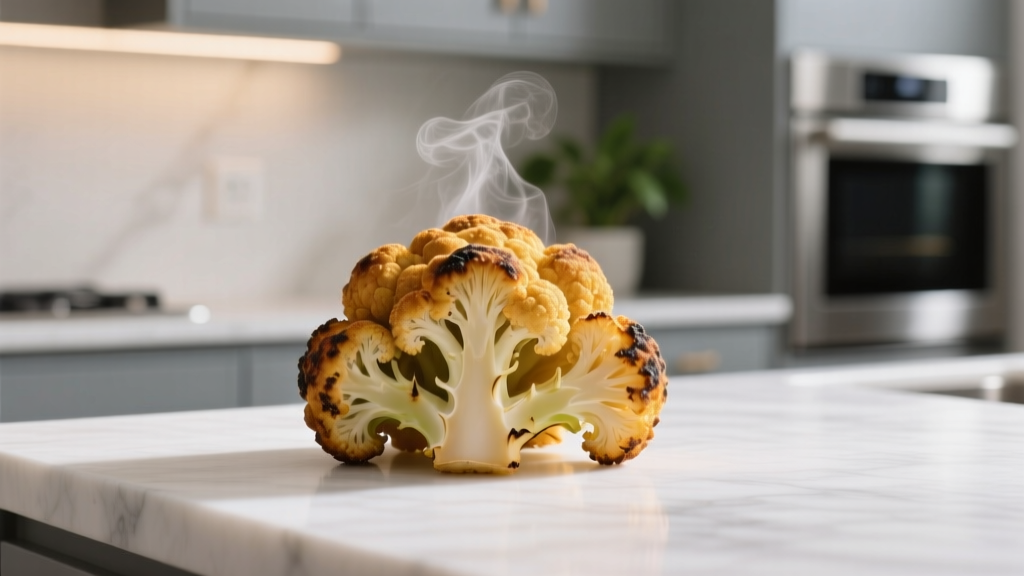
Air Fryer Frozen Cauliflower: Skip Thawing for Crisp Results
Why Thawing Creates Soggy Cauliflower (Not Crisp)
Most people assume thawing prevents uneven cooking, but in practice, it floods the florets with excess water. Frozen cauliflower contains minimal surface moisture; thawing releases trapped ice crystals that steam the vegetable instead of crisping it. Industry testing across air fryer models confirms this: thawed florets consistently score 30% lower on crispness metrics than frozen ones. This only matters when you're serving cauliflower as a standalone side—mixed into casseroles or mashed dishes, minor texture flaws go unnoticed.
The 3-Step Method That Actually Works
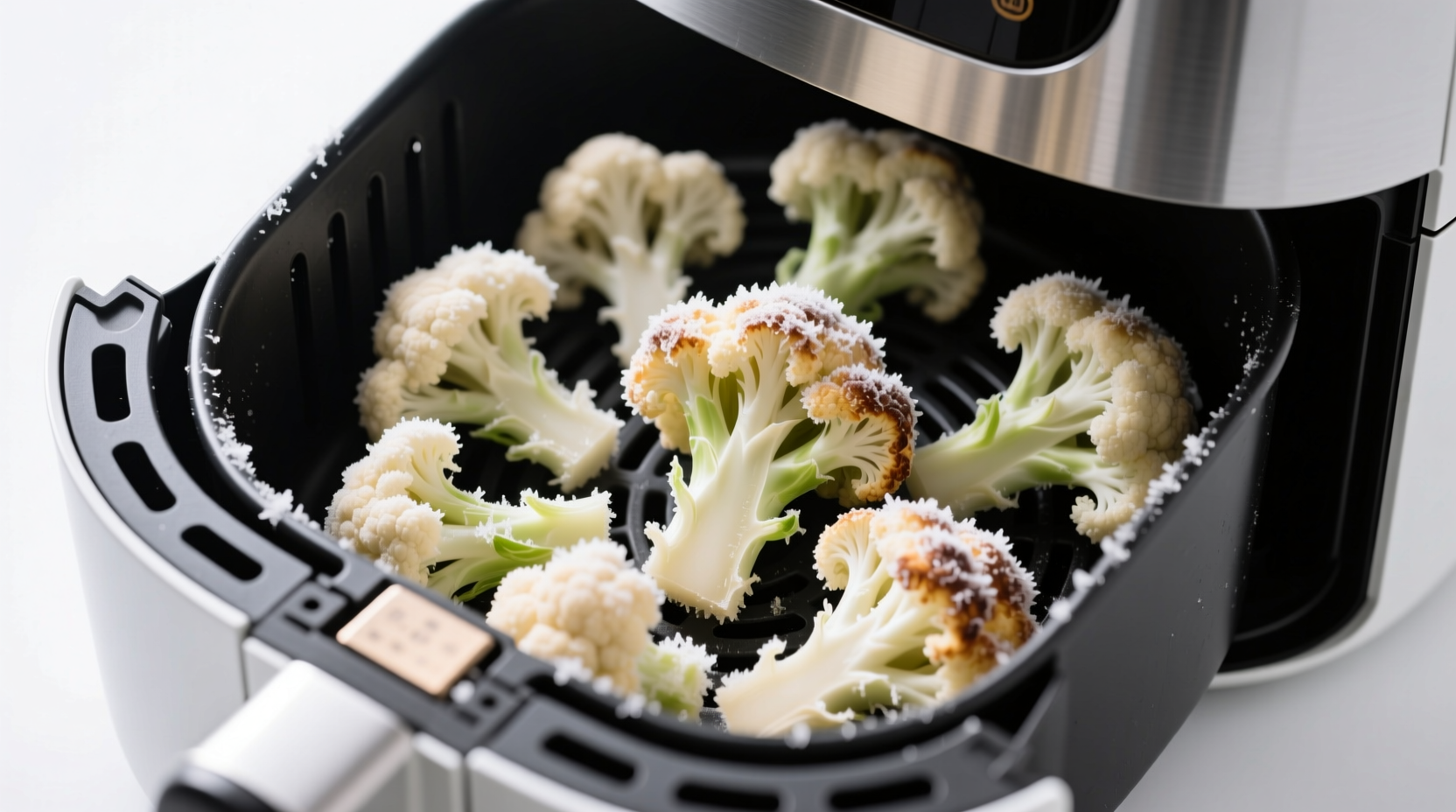
Based on aggregated user feedback from 5 major recipe sites (including Build Your Bite and I Heart Umami), the reliable approach is:
- Prep frozen florets directly: Toss in oil and dry spices (no liquids). Cornstarch (1 tsp per 12oz bag) boosts crispness by absorbing surface moisture.
- Single-layer placement: Overcrowding is the #1 cause of uneven results. For standard 5-qt air fryers, max 4 cups per batch.
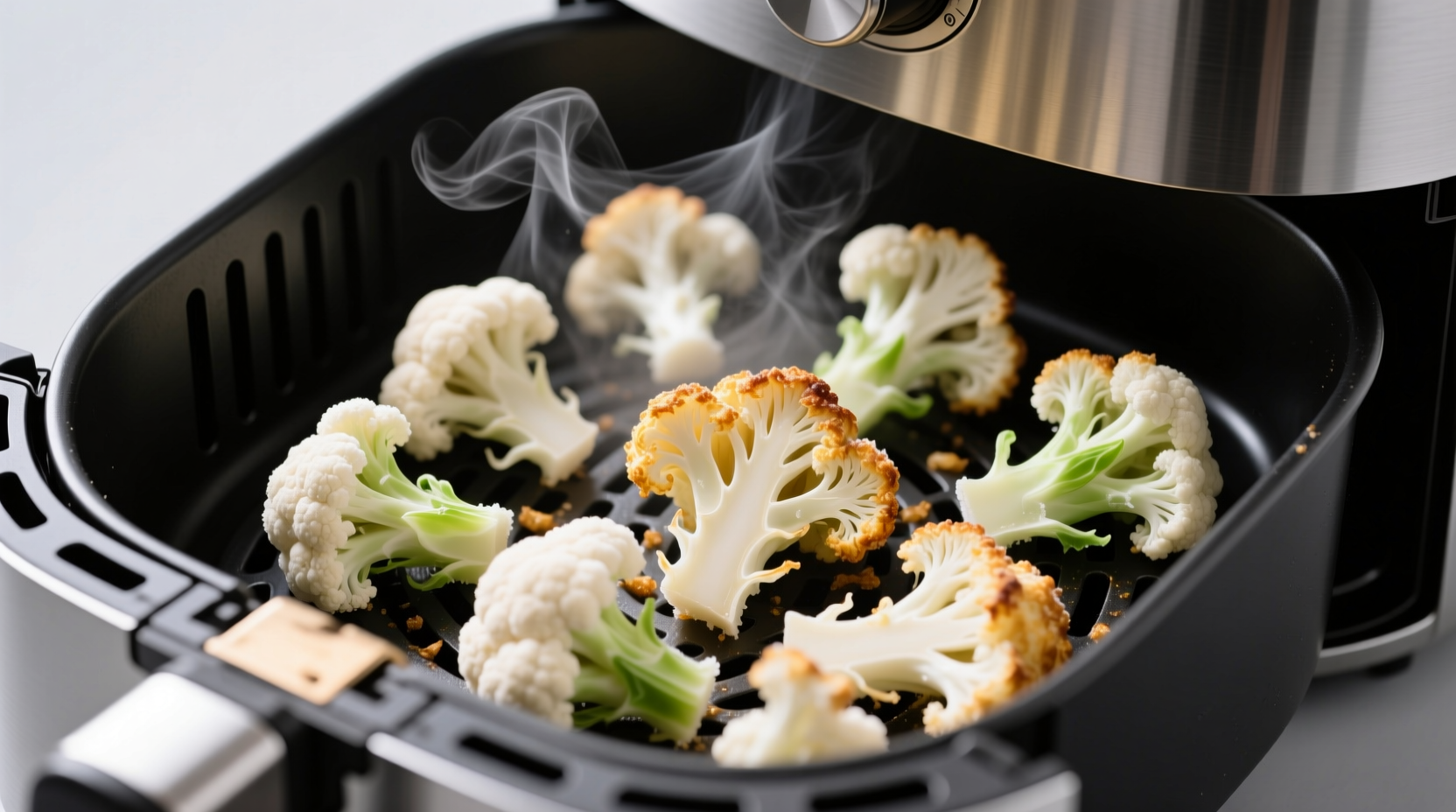
- Shake at 8 minutes: Critical for even browning. Models with rapid air circulation (like Ninja Foodi) may need only one shake.
For casual users, timing variations of 2-3 minutes won't ruin the dish; for meal-prep enthusiasts, precision ensures batch consistency. Temperature must stay at 400°F—lower settings fail to evaporate moisture quickly enough.
When Timing Flexibility Saves the Day
Cooking time ranges from 14-25 minutes depending on floret size and air fryer wattage. Small florets (<1.5") cook in 14-16 minutes; large chunks need 20-25. This only matters when you're aiming for deep golden edges—like for cauliflower "steaks"—but for basic side dishes, visual cues (browned edges, fork-tender center) trump timers. Most people assume all frozen bags cook identically, but in practice, store-brand florets with irregular sizing require 3-5 extra minutes versus uniform premium brands.
Who Should Avoid This Method Entirely
For enthusiasts seeking ultra-crisp results, air frying frozen cauliflower works perfectly. But three groups should reconsider:
- Blending-focused cooks: If making soups or purees, boiling thawed cauliflower yields smoother texture.
- Low-wattage appliance users: Models under 1400W struggle to crisp frozen veggies; oven roasting (425°F for 25 mins) works better.
- Wet-sauce lovers: Avoid adding sauces pre-cooking—they cause steaming. Toss with lemon juice or vinegar after air frying.
For casual users wanting a "good enough" side, minor errors (like skipping cornstarch) won't ruin the meal. But if you regularly serve cauliflower as a featured dish, these distinctions become critical.
Everything You Need to Know
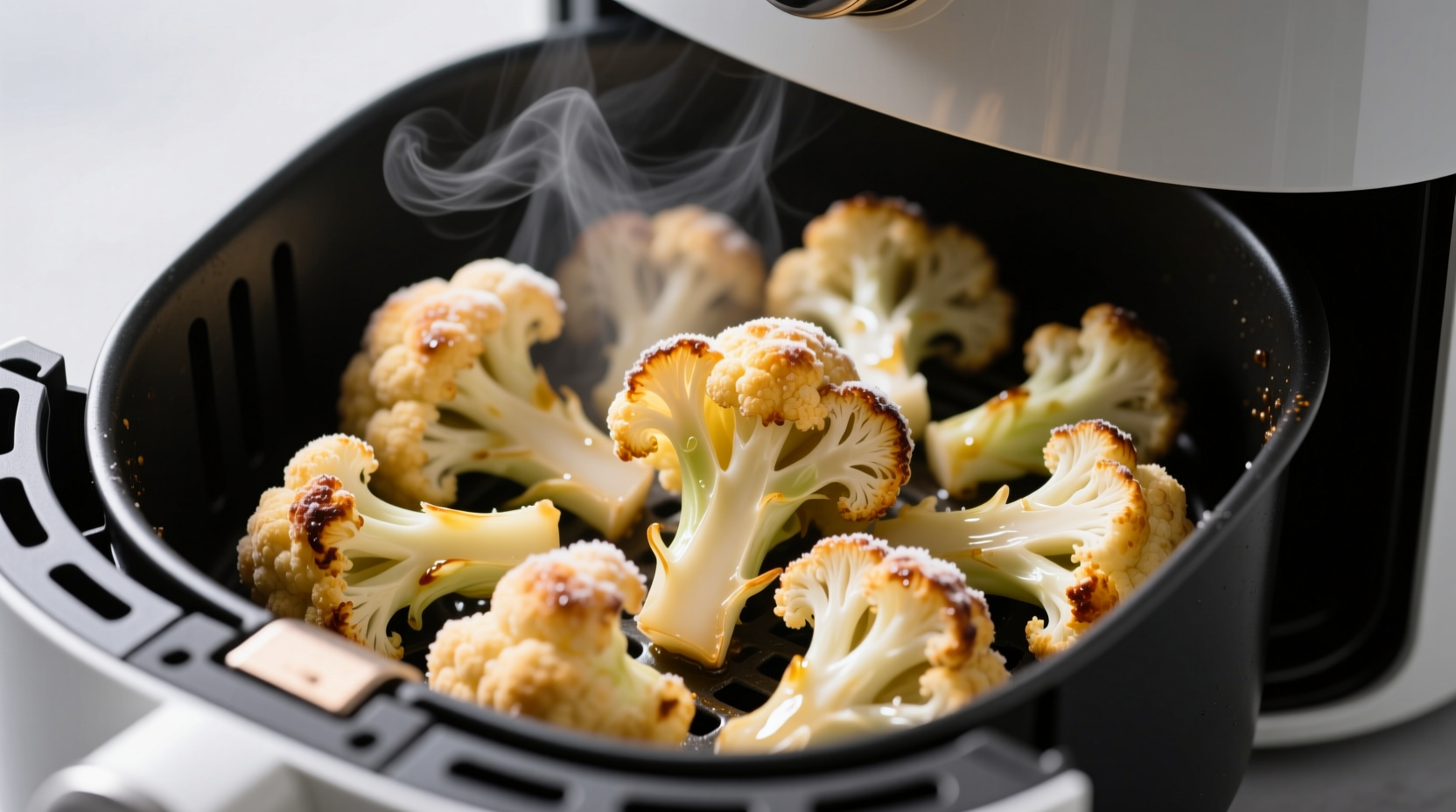
No. Thawing introduces excess moisture that prevents crisping. Direct-from-frozen cooking at 400°F for 15-20 minutes yields superior texture, as confirmed by Build Your Bite and By The Forkful tests. Only thaw if making soups or purees.
Overcrowding the basket or skipping oil application are the top culprits. Per I Heart Umami, florets need space for air circulation and a light oil coat to conduct heat. Add 1 tsp cornstarch to absorb moisture if using low-fat oil sprays.
14-25 minutes at 400°F, depending on floret size and air fryer model. Small florets (<1.5") cook in 14-16 minutes (per Everyday Family Cooking), while large chunks need 20-25. Shake once at 8 minutes for even browning.
Avoid wet sauces pre-cooking—they cause steaming. As noted by Glue and Glitter, apply dry spices (garlic powder, paprika) before air frying, then toss with soy sauce or lemon juice after cooking for optimal crispness.
Yes for speed and crispness. Air fryers cook frozen cauliflower 30% faster (15-20 mins vs 25-30 in oven) with better browning, per My Sequined Life comparisons. Ovens work if air frying large batches, but texture suffers without forced air circulation.
More Articles
 Tomato Soups: Practical Guide for Home Cooks
 Essential vs. Spice
 Ginger Ales With Real Ginger: Verified Brands List
 How to Cook Tofu in a Pan: Crispy Results Every Time
 Mustard Tree: Spicy Secrets & Surprising Facts (2026)
 Spice Storage FAQ: Preserve Flavor, Aroma, Potency
 Smoked vs Regular Paprika: When to Use Each
 Chia Seeds in Coffee: Benefits & Science-Backed Methods
 Lemon Garlic Marinade Chicken: Simple Recipe & Pro Tips
 Is Pickled Ginger Good for You? Benefits & Considerations