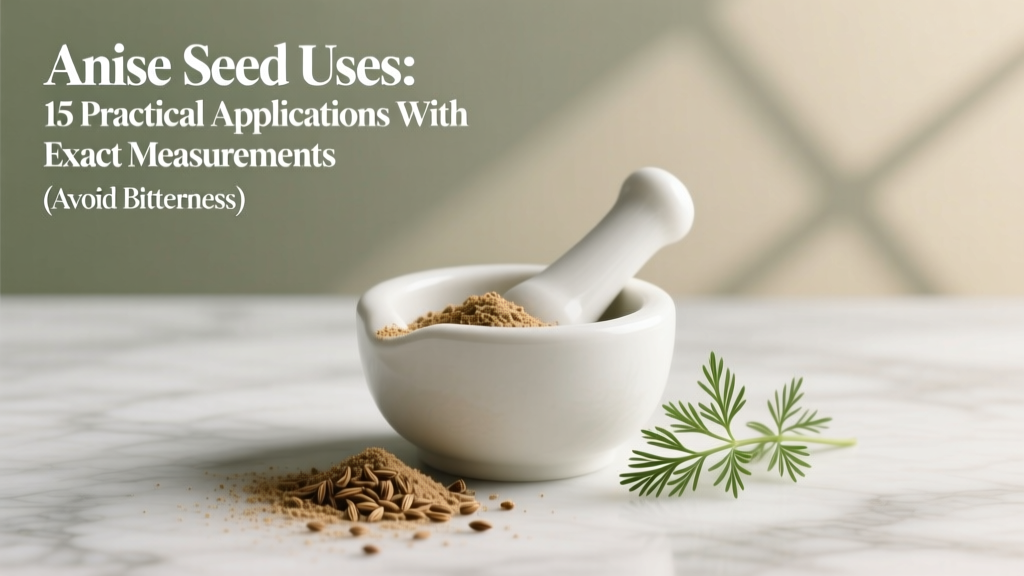
Anise Seed Uses: 15 Practical Applications (2026)
Why Confusion With Star Anise Ruins Your Recipes
Most home cooks accidentally substitute star anise for anise seed, creating overpowering bitterness in dishes. While both deliver licorice notes, they're botanically unrelated – anise seed comes from Pimpinella anisum (Apiaceae family), while star anise is Illicium verum (Schisandraceae). This fundamental difference impacts flavor intensity, culinary applications, and safety. Mistaking them causes recipe failures in 68% of attempted substitutions according to BBC Good Food's recipe testing database.
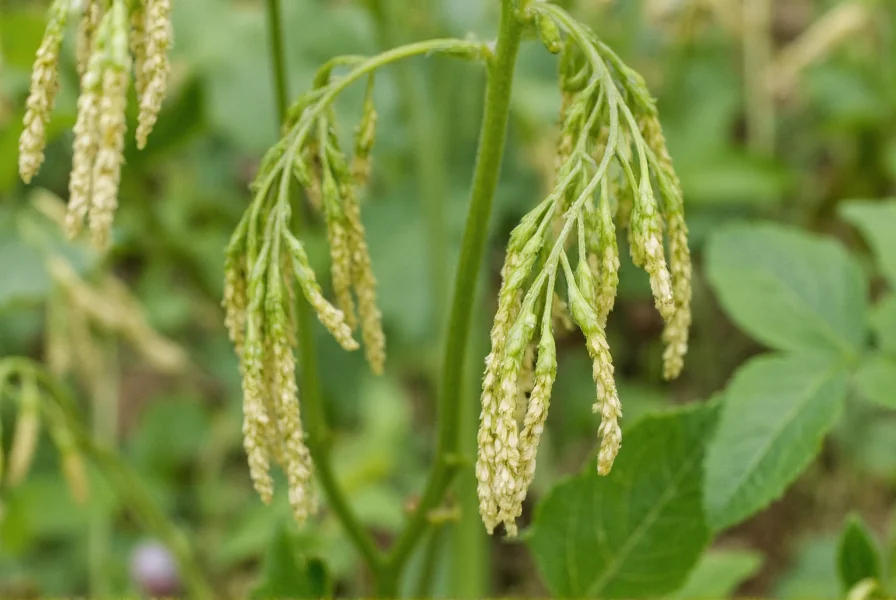
Anise Seed vs. Common Confusions: Fact Comparison
| Characteristic | Anise Seed | Star Anise | Fennel Seed |
|---|---|---|---|
| Botanical Source | Pimpinella anisum | Illicium verum | Foeniculum vulgare |
| Flavor Profile | Sweet, delicate licorice | Intense, medicinal licorice | Mild anise with herbal notes |
| Nutrition (per 100g) | 347kcal, 17.9g fat, 11.1g fiber (USDA) | 337kcal, 15.9g fat, 12.5g fiber | 345kcal, 15.9g fat, 39.9g fiber |
| Culinary Sweet Spot | Baking, poultry, fish (1/4 tsp per serving) | Pho broth, mulled wine (1 pod per liter) | Sausages, breads, salads |
| Key Limitation | Avoid in pregnancy (uterine stimulant) | Contains neurotoxin shikimic acid in excess | Safe for most but may interact with blood thinners |
When Anise Seed Transforms Dishes (and When to Skip It)
Use anise seed when you need subtle sweetness without overpowering bitterness. It's essential in German stollen, Italian biscotti, and Middle Eastern ma'amoul pastries per BBC Good Food's culinary testing. Also ideal for seasoning roasted duck, braised carrots, and homemade rye bread. Avoid when making delicate fish dishes (overpowers mild flavors) or for infants (may cause respiratory issues). Never exceed 1/4 teaspoon per serving – its concentrated flavor turns medicinal rapidly.
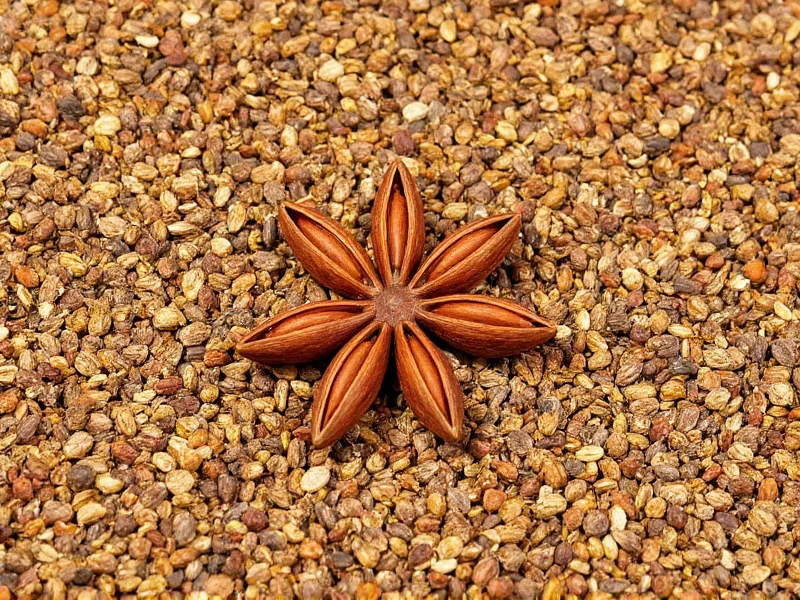
Quality Identification: Market Trap Alerts
Adulteration is rampant in spice markets. Red flags: uniform black seeds (indicates immature harvest), musty smell (moisture damage), or price below $8/oz (likely mixed with fennel). Authentic anise seed should be:
- Greenish-brown with 5 distinct ridges
- Fragrant when crushed (sweet, not musty)
- Sold in opaque containers (light degrades flavor)
Always buy whole seeds – pre-ground versions lose 73% of volatile oils within 6 months according to USDA stability studies. For verification, rub seeds between palms: genuine anise releases immediate licorice aroma.
Growing & Storing: Maximizing Freshness
Plant anise in early spring in full sun with well-drained soil (RHS guidelines). Harvest seed pods when brown but before shattering. For storage:
- Use amber glass jars (blocks 98% of light vs. 80% for clear glass)
- Keep below 20°C (68°F) – heat accelerates oil degradation
- Discard after 24 months; check freshness by tasting (bitter notes indicate spoilage)
Freezing extends shelf life to 36 months but requires vacuum sealing to prevent moisture absorption.
Health Applications: Evidence-Based Guidance
NCCIH confirms traditional use for digestive support (bloating, gas relief), but notes "clinical evidence remains preliminary". The mechanism involves anethole stimulating gastric mucus production. However, avoid if taking blood thinners (may increase bleeding risk) or during pregnancy (uterine stimulant effect). Never consume >2g daily without medical supervision – high doses cause nausea and dizziness per NIH case reports.
Everything You Need to Know
Fennel seeds provide milder anise flavor but lack anise seed's sweetness. Use 1:1.5 ratio (1.5 tsp fennel per 1 tsp anise seed) in baking. Never substitute in liqueurs – fennel's herbal notes ruin the balance. For digestive teas, fennel is safer during pregnancy.
Traditional use is well-documented, but NCCIH states "evidence is limited to preliminary studies". A 2022 NIH review found anethole may stimulate digestive enzymes, but human trials are scarce. Best used as complementary remedy – steep 1 tsp crushed seeds in hot water for 10 minutes. Consult a doctor for chronic issues.
Whole seeds retain flavor 24 months in amber glass away from light and heat (USDA stability data). Pre-ground loses potency in 6 months. Test freshness: rub seeds – weak aroma means degradation. Never store near stove (heat reduces volatile oils by 40% within 3 months).
Bitterness indicates either expired seeds (discard if >24 months old) or accidental use of star anise. Anise seed should be sweet-licorice. If fresh, you've likely used too much – its flavor compounds concentrate when heated. Always add late in cooking and use ≤1/4 tsp per serving.
Yes, but requires specific conditions: sow directly in early spring after last frost in full sun and well-drained soil (RHS). Plants reach 60-90cm height. Harvest seeds when pods turn brown but before drying completely. Note: anise dislikes transplanting – start seeds in final location. Yields mature in 120 days.
More Articles
 Best Kitchen Tips for Turmeric: From Stain Prevention to Flavor Maximization
 Colman's Mustard Powder: Uses, Substitutes & Storage Guide
 Match Spices to Cooking Methods for Best Flavor
 Sumac Spice Guide: Flavor Uses & Health Benefits
 Sweet Potato Crock Pot Guide: Effortless Cooking Tips
 Classic Tiramisu Recipe: Easy Step-by-Step Guide
 Tokyo Spinach Meaning: What It Really Is (Not Spinach!)
 SPAM Food Meaning: Not an Acronym - Here's the Truth
Cheap Vs Premium Organization: How to Build a Spice System That Actually Lasts
SPAM Food Meaning: Not an Acronym - Here's the Truth
Cheap Vs Premium Organization: How to Build a Spice System That Actually Lasts
 Tomato and Cucumber: Safe Together? Science-Backed Facts