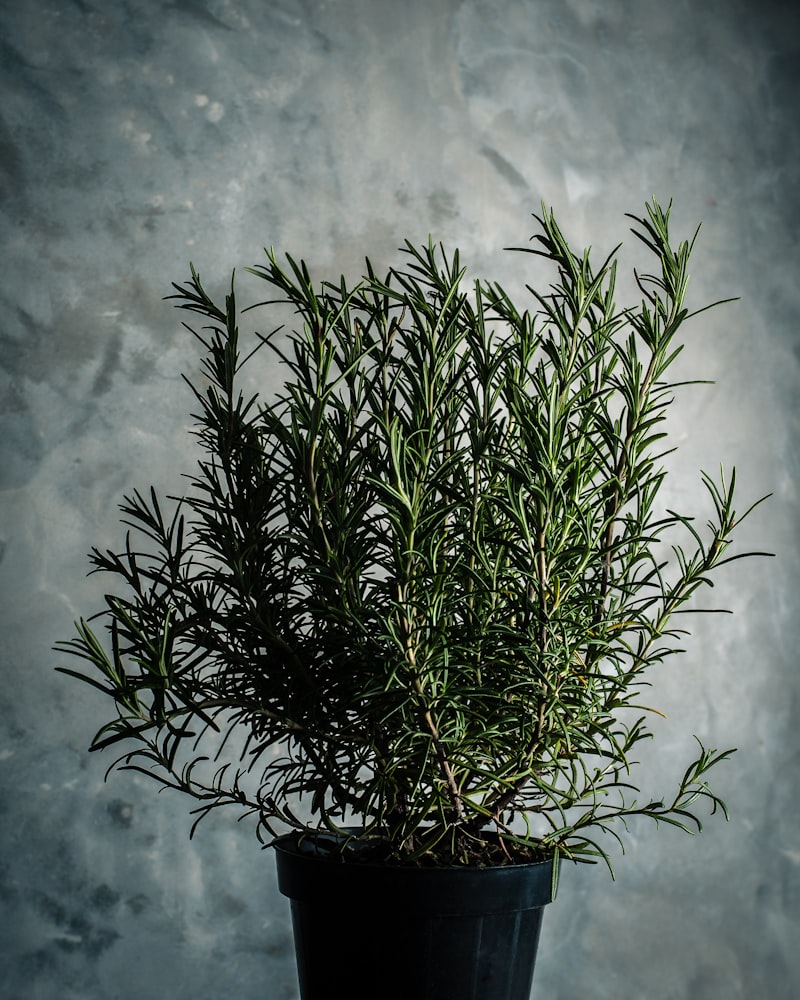
Herbes de Provence: The French Blend That's Not What You Think
The Surprising Truth About Herbes de Provence
If you bought "Herbes de Provence" at a supermarket, chances are it contains lavender — and that makes most French cooks wince. The truth is that Herbes de Provence as we know it is largely an invention of the 1970s created for the tourist market. Traditional Provençal cooks never used a standardized blend, and lavender was never a kitchen herb in southern France.
The Real History
The term "Herbes de Provence" was popularized in 1970 by the French company Ducros, who blended dried herbs and marketed them to tourists visiting the south. Before that, Provençal cooks simply used whatever herbs grew wild on the garrigue (scrubland): thyme, rosemary, savory, marjoram, and oregano — picked fresh, not dried.
An Authentic Blend
- Thyme: 3 parts — the dominant herb, earthy and warm
- Savory (sarriette): 2 parts — peppery, almost minty (essential and often overlooked)
- Rosemary: 1 part — piney and assertive, use sparingly
- Marjoram: 1 part — sweet, gentle, floral
- Oregano: 1 part — more pungent than marjoram
- Optional: A small amount of tarragon or bay leaf
How to Use It in French Cooking
Herbes de Provence is meant for slow-cooked dishes: ratatouille, daube (beef stew), grilled lamb, roasted chicken, and tomato-based sauces. Add the herbs early in cooking to let their flavors meld. For grilling, toss dried herbs directly onto hot coals for aromatic smoke that perfumes the food.
Fresh vs Dried
When possible, use fresh herbs (a "bouquet garni" tied with string). The dried blend is a convenient pantry staple but lacks the vibrancy of fresh Provençal herbs. If using dried, buy small quantities and replace every 6 months for best flavor.
More Articles
 How to Cook Beef Heart: Tender Results Every Time
 Rainbow Peppercorns: A Complete Guide
 Perfect Homemade Tomato Basil Sauce Recipe in 20 Minutes
 Half Sweet Potato Calories: Exact Count + Tips
 12 Nutrient-Rich Potato Alternatives for Your Kitchen
 Best Spice Basics for Black Cooking
 Garlic Marinade Steak Guide: Recipe & Pro Tips
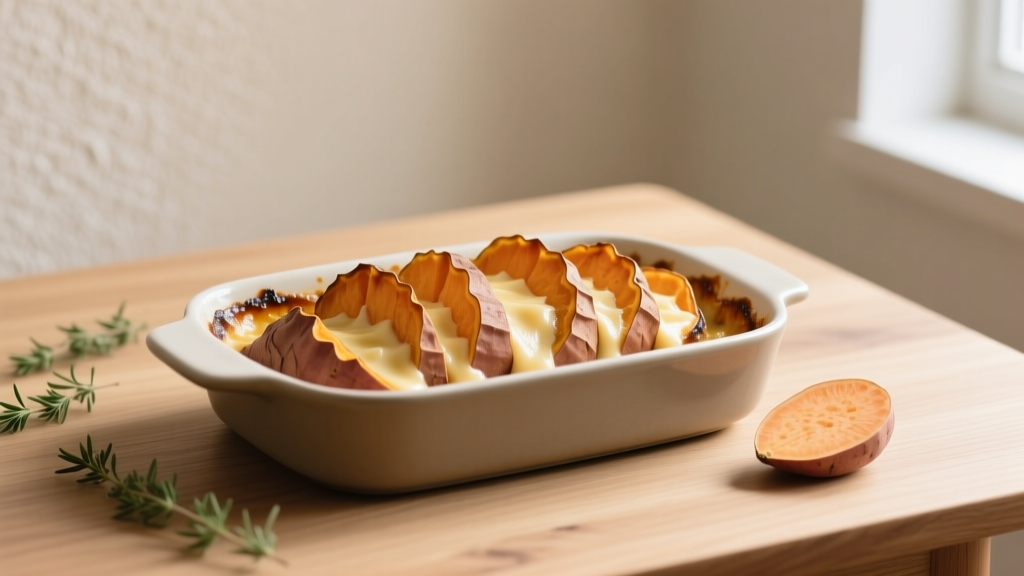 Sweet Potato Scalloped Potatoes: Recipe Guide & Tips
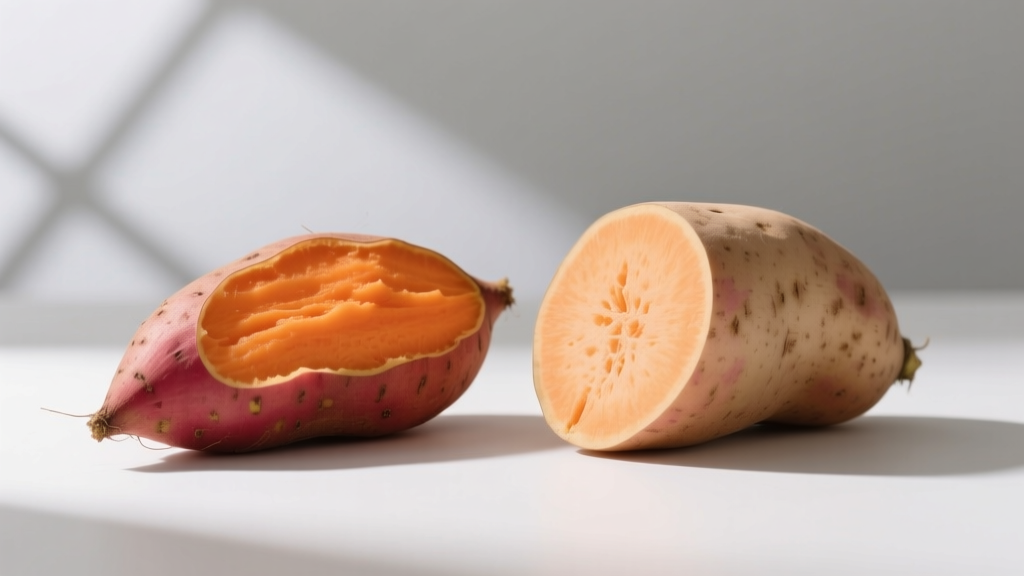 Japanese Sweet Potato vs Sweet Potato: Key Differences
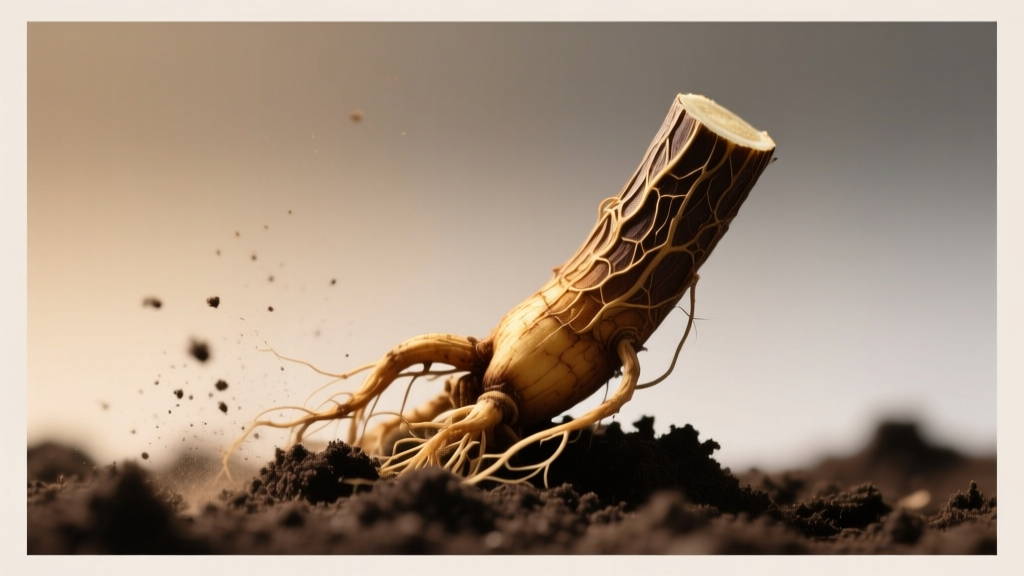 Licorice Root Isn’t a Herb—And That Changes Everything