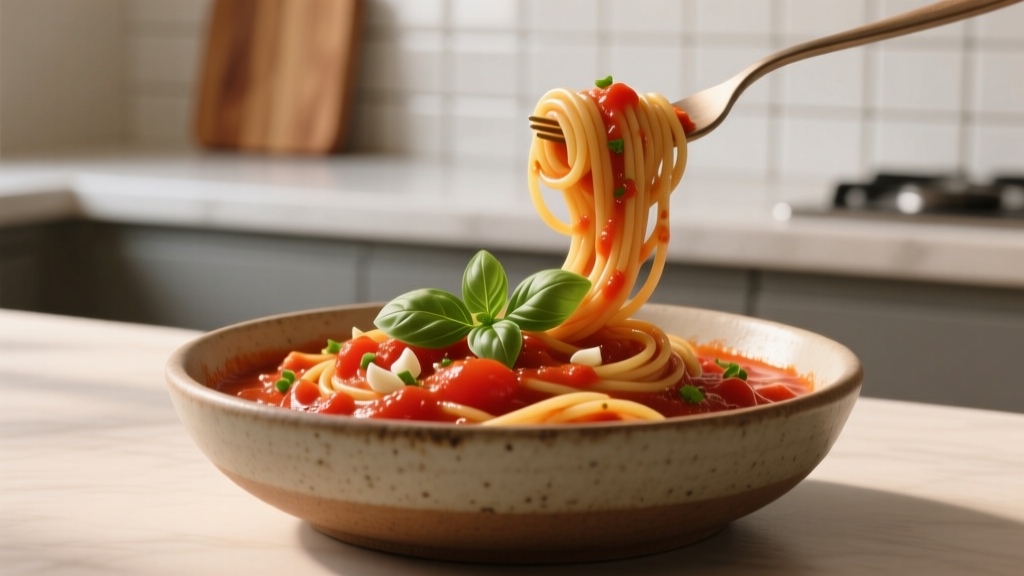
Pasta Sauce with Tomato Sauce: Quick Guide & Tips
Why Your Quick Pasta Sauce Keeps Falling Flat
Let's be real—we've all grabbed that can of tomato sauce hoping for a decent pasta meal, only to end up with something watery and bland. Happens to the best of us. Thing is, tomato sauce can save your weeknight dinner, but only if you know its limits. Most folks miss one crucial step: blooming flavors before adding liquid. Honestly, I've burned through way too many cans figuring this out. So here's the lowdown from 20 years of fixing kitchen disasters.
Tomato Sauce vs. The Alternatives: Know Your Cans
You know that moment when you're staring at the grocery aisle, confused between tomato sauce, paste, and crushed tomatoes? Totally get it. Each plays a different role, and mixing them up ruins your sauce. Check this quick reference—no fluff, just what matters:
| Ingredient | Best For Pasta Sauce | Avoid When... |
|---|---|---|
| Tomato sauce (canned) | Quick 15-20 min sauces; great with added veggies | You need rich, slow-cooked depth (like ragù) |
| Tomato paste | Building base flavor; thicken sauces | Using alone—it'll taste metallic without dilution |
| Fresh tomatoes | Summer dishes; bright, light sauces | Winter cooking—low acidity, watery results |
Look, tomato sauce works because it's already cooked and seasoned—but that's also its weakness. As food scientist Harold McGee explains in On Food and Cooking, canned tomato sauce loses volatile compounds during processing, making it less complex than fresh. So yeah, you're trading convenience for depth. No judgment though; we all need shortcuts sometimes.
Your Foolproof 15-Minute Sauce Method
Okay, let's fix that sauce. First, ditch the idea of just heating and dumping it on pasta. I learned this the hard way after serving my kid a bland mess. Here’s what actually works:
- Sauté aromatics: Heat 2 tbsp olive oil, fry minced garlic (1 min—don’t burn it!), then add 1 small diced onion. Takes 5 minutes but makes ALL the difference.
- Add tomato sauce + boost flavor: Pour in 1 can (15oz) tomato sauce. Stir in 1 tsp dried oregano, ½ tsp red pepper flakes, and a splash of balsamic vinegar. Seriously, the vinegar cuts acidity.
- Simmer smartly: Cook uncovered 10-15 minutes. Stir occasionally. Too thin? Mash in 1 tbsp tomato paste. Too thick? Add pasta water—not plain water.

Pro tip: Finish with fresh basil and a drizzle of good olive oil. Texture matters too—nobody wants gloopy sauce. If it clings to a spoon? You nailed it.
When to Grab Tomato Sauce (and When to Walk Away)
Not every situation needs this shortcut. Been there, tried it, regretted it. Here’s my real-talk guide:
- Use it for: Weeknight spaghetti, baked ziti, or as a pizza base. Perfect when you’ve got 20 minutes max and need edible results.
- Avoid it for: Meat ragùs, Sunday gravy, or anything requiring hours of simmering. Tomato sauce won’t develop those deep umami notes. Also skip it if you’re using low-quality brands—some have added sugar that turns your sauce cloying.
Side note: Quality matters way more than people think. Check labels for just tomatoes, salt, and maybe citric acid. If you see 'natural flavors' or corn syrup? Run. Trusted brands like Muir Glen or Bianco DiNapoli keep it clean.
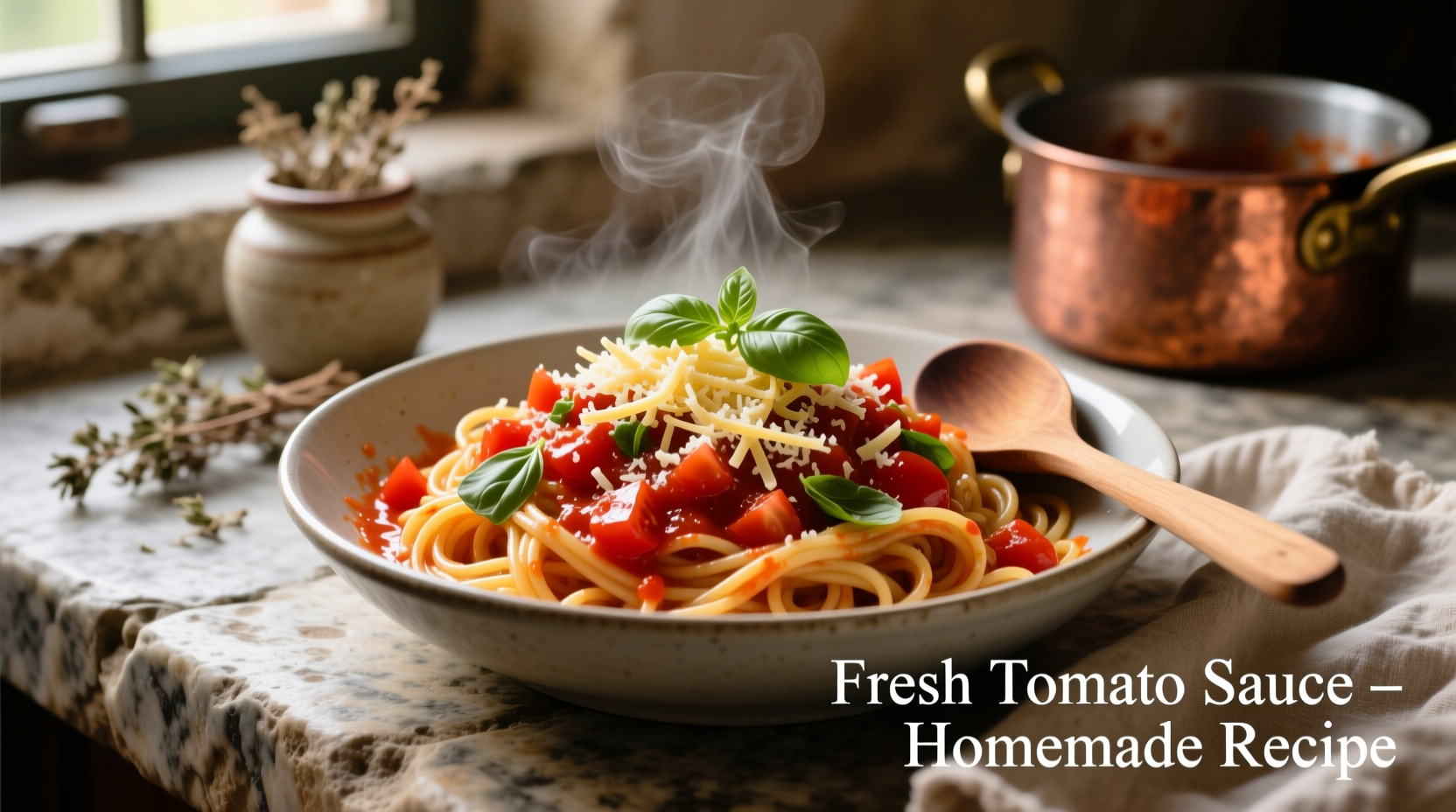
3 Mistakes Even Experienced Cooks Make
Yup, I still mess this up sometimes. But these errors? They’re sauce killers:
- Skipping the oil bloom: Dumping cold sauce into a pan = flavorless disaster. Always heat oil first to unlock garlic/onion oils.
- Over-reducing: Simmering >20 minutes concentrates sodium. Sauce gets salty fast—taste as you go!
- Ignoring acidity balance: Too tart? Add a pinch of sugar. Too flat? A splash of red wine vinegar wakes it up.
Fun fact: In Naples, chefs actually add a tiny bit of carrot to neutralize acidity—no sugar needed. Try it next time; game changer.
Everything You Need to Know
No, not directly. Tomato sauce is thinner and already seasoned, while paste is concentrated. If you're out of paste for thickening, reduce tomato sauce by simmering 10 minutes first. But for flavor base, always use paste—it caramelizes better. Messing this up causes watery sauce.
Add fat or sweetness—not just sugar. Stir in 1 tbsp grated Parmesan or a splash of heavy cream; fats neutralize acidity. If avoiding dairy, use ¼ tsp baking soda (careful—it bubbles!) or a grated carrot while simmering. Never add straight sugar; it creates weird aftertastes.
Most are fine, but check sodium. USDA data shows average tomato sauce has 400-600mg sodium per ½ cup. Opt for 'no salt added' versions if concerned. Avoid brands with added sugar—look for <5g per serving. Pair with veggie-loaded pasta for balanced meals.
3-4 days refrigerated, 6 months frozen. Cool completely before storing. Glass jars work best—plastic can absorb odors. Freezing in ice cube trays lets you thaw single servings. Never keep it longer than a week; risk of spoilage jumps after day 5.
More Articles
 Chickpea Curry with Potato: Authentic Recipe & Pro Tips
 Ginger: Fresh, Dried, or Powder?
 Stew Potato Guide: Best Potatoes & Simple Recipe Tips
 How to Test if Your Saffron Is Real
 Sichuan Peppercorn Guide: Why It Numbs Your Mouth and How to Cook With It
 How to Bake a Garlic Clove: Simple Steps for Mellow Flavor
 7 Lucky New Year's Food Traditions for Prosperity
 Indian Cauliflower Recipes: Simple Dishes That Actually Work
 How Long to Cook Standing Rib Roast: Exact Timing Guide
 Indian Spice FAQ: Practical Answers