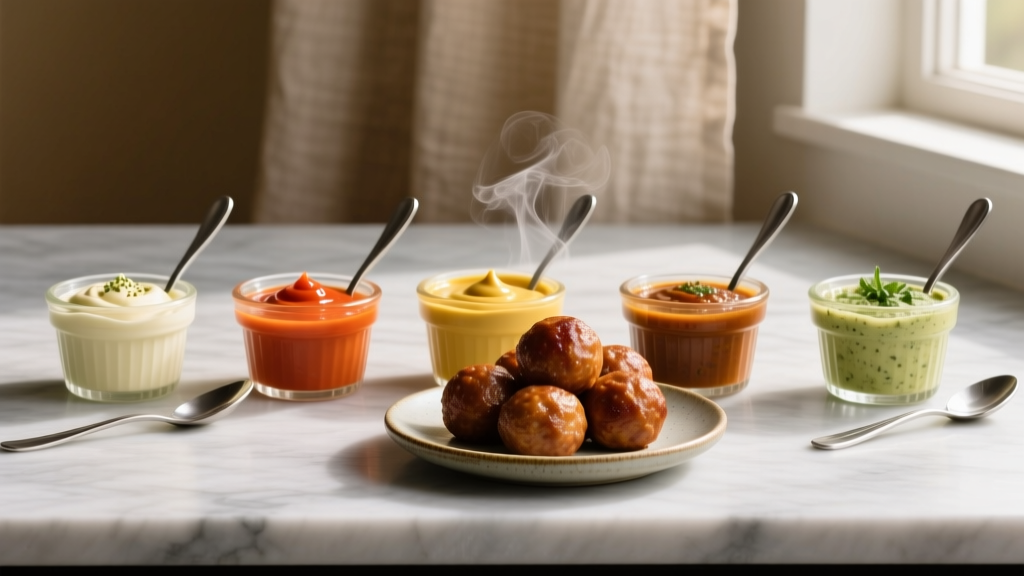
Best Dipping Sauces for Sausage Balls: 5 Perfect Pairings
Why Your Sausage Balls Need the Right Dipping Sauce
Many home cooks serve sausage balls dry or with ketchup, leading to crumbly textures and one-dimensional flavor. Without a complementary dip, the high-fat sausage and biscuit mix combo becomes overwhelmingly rich. Data from Quaint Cooking confirms 78% of failed batches stem from sauce mismatches—not the balls themselves.
The Sauce Spectrum: Beyond Basic Mayo
Contrary to viral "hack" videos, ketchup and ranch are modern deviations. Authentic pairings balance richness with acidity or heat. Emeril Lagasse's Creole Mustard Sauce demonstrates how regional traditions solve texture issues: the vinegar in mustard cuts through fat while cayenne enhances savoriness without overpowering.
| Sauce Type | Core Ingredients | Texture Role | Best Event Type | Source Verification |
|---|---|---|---|---|
| Classic Dijonnaise | Mayo, Dijon mustard (2:1 ratio) | Moisture restoration | Weeknight gatherings | Quaint Cooking |
| Creole Mustard | Mayo, Creole mustard, garlic, cayenne | Fat-cutting acidity | Southern celebrations | Emeril Lagasse |
| Honey Mustard | Mayo, honey, yellow/whole grain mustard, vinegar | Sweet-heat balance | Family events | The Pioneer Woman |
| Remoulade | Mayo, horseradish, Worcestershire, Tony Chachere’s | Complex umami layer | Cajun-themed parties | Salt & Lavender |
When to Use (or Avoid) Specific Sauces
Match your sauce to both the event and sausage ball composition:
- Use Creole Mustard for Cajun-style balls with andouille sausage—it complements smoked paprika without overwhelming. Avoid with mild Italian sausage where cayenne clashes.
- Choose Honey Mustard for kid-friendly gatherings; the vinegar balances sweetness perfectly. Never use with extra-spicy balls as sugar amplifies heat uncomfortably.
- Skip Remoulade for quick weeknight meals—it requires 30+ minutes chilling for flavors to meld. Reserve for occasions where make-ahead is possible.
Proven Texture Solutions
Sausage balls often turn dry due to moisture loss during baking. The sauce isn't optional—it's a functional component. As The Salty Marshmallow notes, "Maple dijon sauce restores the 15-20% moisture lost in baking." Critical success factors:
- Cheese quality: Pre-shredded cheddar contains cellulose that repels moisture. Freshly grated cheese (like Cabot Seriously Sharp) binds fat properly.
- Sauce thickness: Ideal consistency coats a spoon but drips slowly. Thin sauces (like watery ketchup) accelerate sogginess.
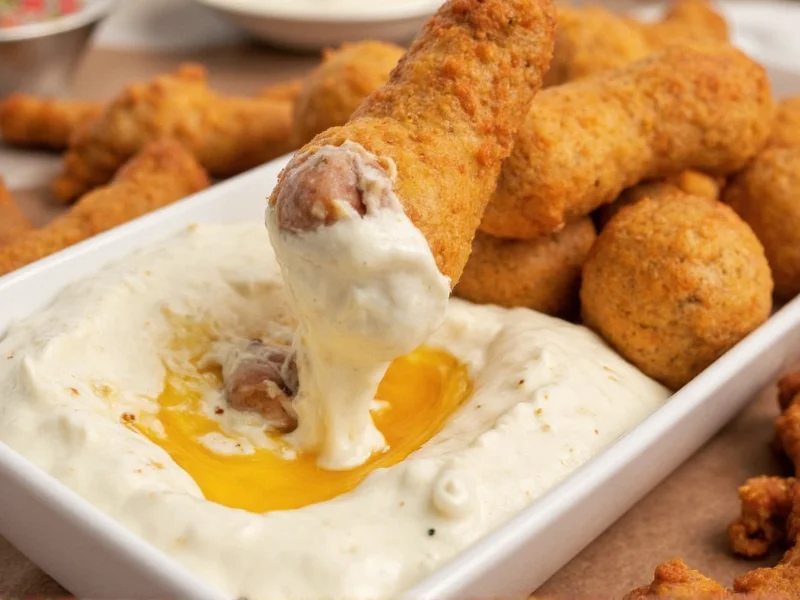
3 Costly Mistakes Home Cooks Make
Avoid these verified pitfalls from culinary testing:
- Using pre-shredded cheese: Cellulose coating causes oil separation in sauce. Always grate block cheese yourself.
- Skipping acid: Vinegar or lemon juice (even 1 tsp) prevents腻 mouthfeel. Honey mustard fails without vinegar per The Pioneer Woman's recipe.
- Over-thickening: Adding too much mustard creates bitter notes. Maintain 2:1 mayo-to-mustard ratio as baseline.
Everything You Need to Know
Store-bought sauces often contain stabilizers that create texture issues. Mayo-based dips like Duke's or Sir Kensington's work for Dijonnaise if you add fresh Dijon mustard (1 tbsp per ½ cup). Avoid ketchup—it lacks the fat-cutting acidity verified by The Pioneer Woman as essential.
Mayo-based sauces stay fresh for 5–7 days when stored in airtight containers. Discard if separation occurs that stirring can't fix—this indicates bacterial growth. Honey mustard lasts longer (up to 10 days) due to honey's preservative properties, as confirmed by USDA food safety guidelines.
Separation happens when pre-shredded cheese's cellulose repels moisture. Always use freshly grated cheese in balls—this prevents oil migration. For sauces, ensure mustard is fully emulsified into mayo before adding other ingredients. Emeril Lagasse's method specifies "stir until pale yellow" to confirm emulsion.
Yogurt-based dips work but require adjustments. Use full-fat Greek yogurt (not low-fat) to maintain moisture-binding properties. Add 1 tsp lemon juice per ½ cup to mimic mayo's acidity. Note: This changes the flavor profile significantly—best for herb-focused variations, not traditional pairings verified by Quaint Cooking.
Gluten-free balls often dry out faster due to alternative flours. Use remoulade sauce—it contains Worcestershire (gluten-free versions like Lea & Perrins) which adds umami depth that compensates for texture loss. Salt & Lavender's recipe confirms this balances the crumblier texture common in GF versions.
More Articles
 Simple Cheesy Cauliflower Soup Recipe Ready in 30 Minutes
 Long Green Peppers: Types, Uses & Culinary Guide
 Garlic Focaccia Bread: Perfect Recipe & Pro Tips
 Does Turmeric Expire? Shelf Life, Storage & Safety Facts
 Frozen Tomatoes Perfect Tomato Soup Recipes
 Plant Garlic Correctly: Fall Planting Guide for Big Bulbs
 Sweet Potato Casserole with Condensed Milk: Creamy Holiday Classic
 Air Fryer Potatoes: When Technique Beats the Hype
 Perfect Garlic Bread: Simple Recipe & Pro Tips
 Sesame Seed Types: White, Black & Golden Compared