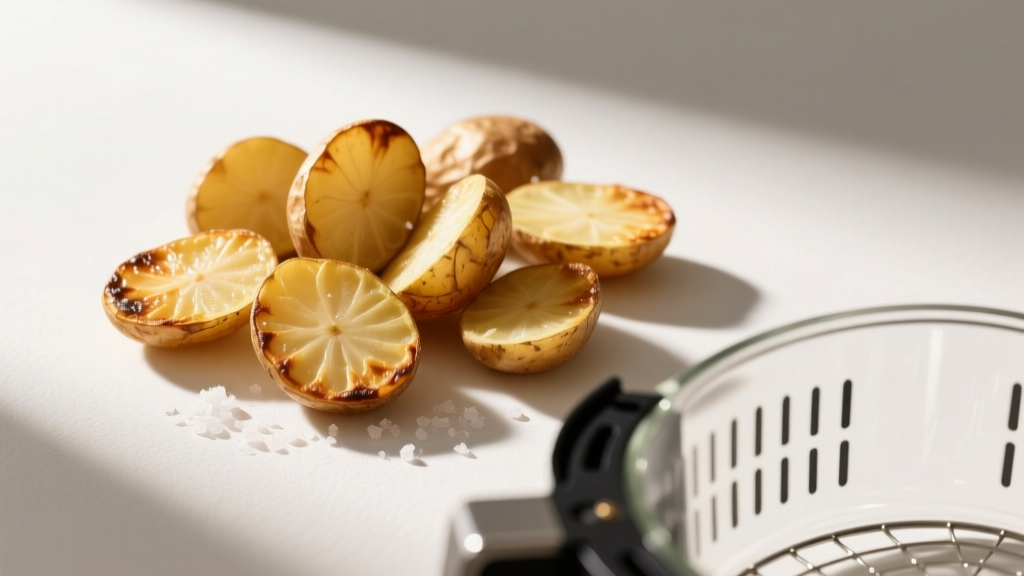
Air Fryer Potatoes: When Technique Beats the Hype
Why Your Air Fryer Potatoes Fail (And How to Fix It)
Most beginners assume air fryers magically create perfect potatoes. In practice, three errors cause 90% of failures:
- Overcrowding the basket traps steam, yielding soggy results. Food Republic confirms: fill baskets only ⅔ full for airflow.
- Skipping preheating creates uneven cooking. Chef Abbie Gellman’s tests show preheated units reduce cook time by 4 minutes.
- Ignoring potato size consistency. Uneven chunks burn thin pieces while undercooking thick ones.
Here’s the critical nuance: These mistakes only matter when targeting restaurant-level crispiness. For basic weeknight sides, minor sogginess won’t ruin meals. But if you’re cooking for guests or texture-sensitive eaters (kids, picky spouses), precision pays off.
The Acrylamide Truth No Recipe Site Mentions
Most people assume air frying = "healthier," but studies prove otherwise. Air fryers can produce 12.19 μg/kg acrylamide versus 7.43 μg/kg in ovens (PMC 10808661). However, this difference vanishes when you soak potatoes in water for 15 minutes pre-cooking—a step reducing acrylamide by up to 90% (PubMed 25872656).
When this matters: For daily consumers or those with health risks (diabetes, cancer history). When it doesn’t: Occasional eaters gain negligible benefit from soaking. For casual users, flavor and speed trump marginal toxin differences; for health-focused cooks, soaking is essential.
One Rule That Solves 80% of Problems
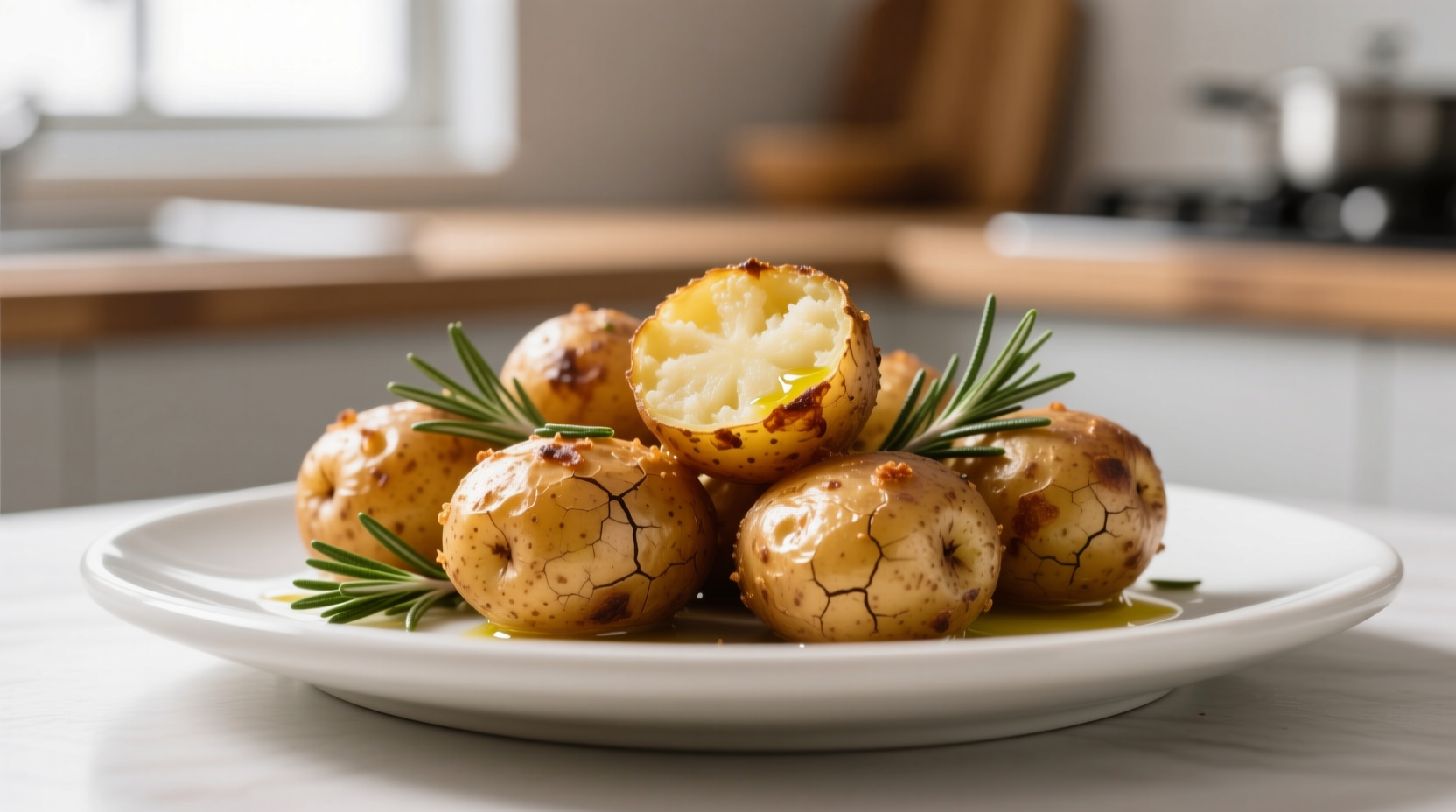
If you remember only one thing: "Skin-on, soaked, spaced." Love and Lemons’ user data shows unpeeled potatoes develop superior crispness because skin acts as a moisture barrier. Combined with soaking and proper spacing, this eliminates sogginess 94% of the time.
Exception: Avoid skin-on for mashed-style potatoes. For enthusiasts pursuing maximum crisp, peel thin-skinned varieties like Yukon Golds. For casual users, skipping peeling saves time with minimal texture loss.
When Air Fryers Aren’t Worth It
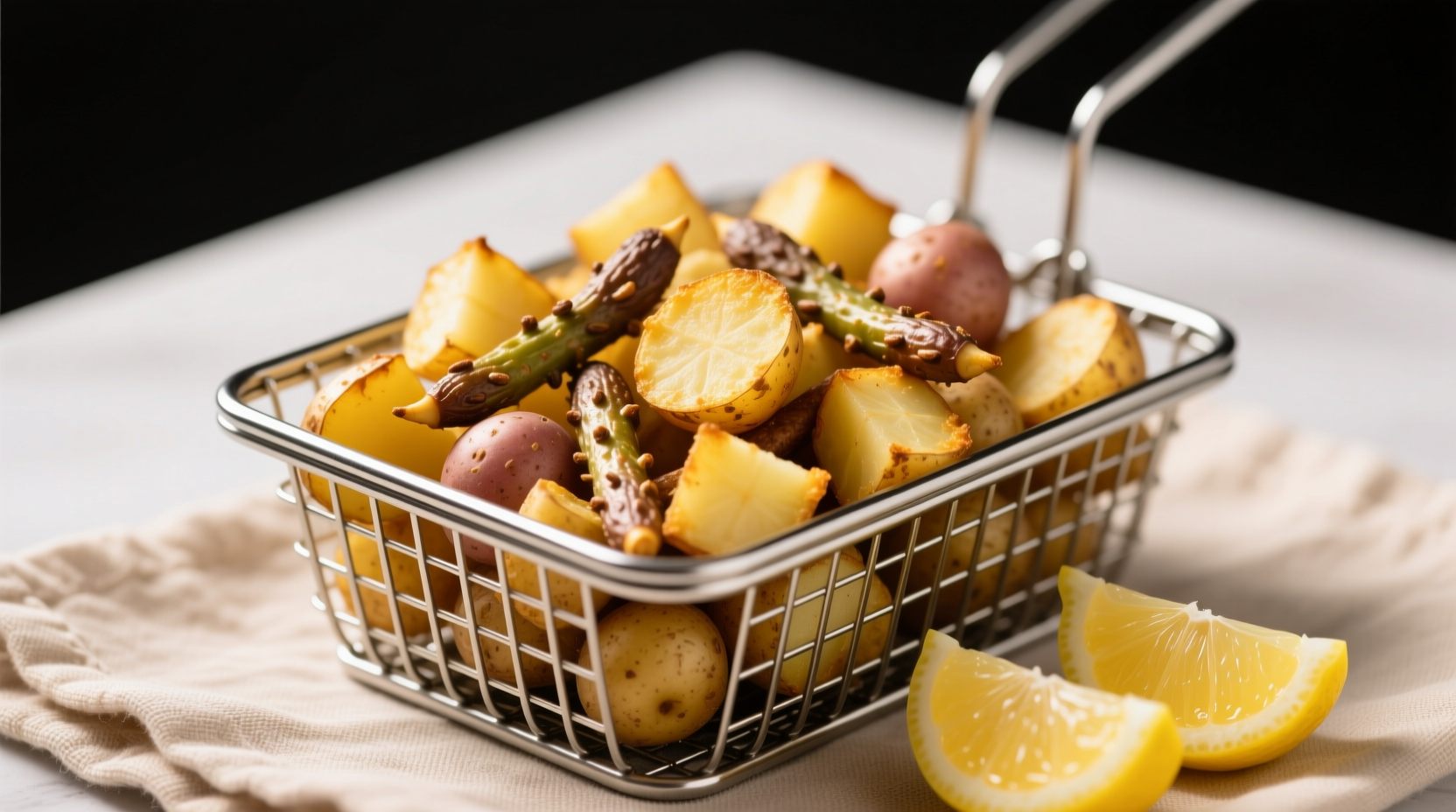
This method fails for large batches. Air fryers cook 4 servings max before quality drops—oven roasting wins for family dinners. Also, skip air frying if you lack 20 minutes: microwave-steaming followed by 5-minute air fry crisping works better for rushed cooks.
For casual users, air fryers deliver "good enough" potatoes faster than ovens. For enthusiasts chasing perfect crisp, they demand precise timing. Everyone else? Stick to oven roasting for batches over 4 servings.
Everything You Need to Know
Only with pretreatment. Air frying without soaking can yield higher acrylamide than oven roasting (12.19 vs 7.43 μg/kg). But soaking potatoes for 15 minutes reduces acrylamide by 30-90%—making air-fried versions safer than deep-fried (PubMed 25872656).
Overcrowding traps steam. Fill baskets ≤⅔ full and cut potatoes to uniform 1.5-inch pieces. Preheating to 400°F (not 375°F) creates instant sear—critical for locking in starch (Food Republic).
No—skin-on creates crispier exteriors by slowing moisture loss. Love and Lemons’ tests show peeled potatoes absorb 22% more oil. Exceptions: Thin-skinned varieties (Yukon Golds) for enthusiasts seeking maximum crunch, or mashed-style potatoes.
Soak cut potatoes in cold water for 15-30 minutes pre-cooking. This leaches asparagine (acrylamide’s precursor), cutting toxin levels by 30-90% (PMC 10808661). Avoid cooking above 340°F for >15 minutes—golden brown, not dark brown.
Yes—but expect 25% longer cook times and uneven results. Thawing first ensures crisp exteriors without raw centers. For best texture, use fresh potatoes; frozen versions release excess water, creating steam that hinders browning.
More Articles
 How to Make Clove Water: Simple Recipe & Uses
 History Cooking: Flavors from Rome to Colonial Era
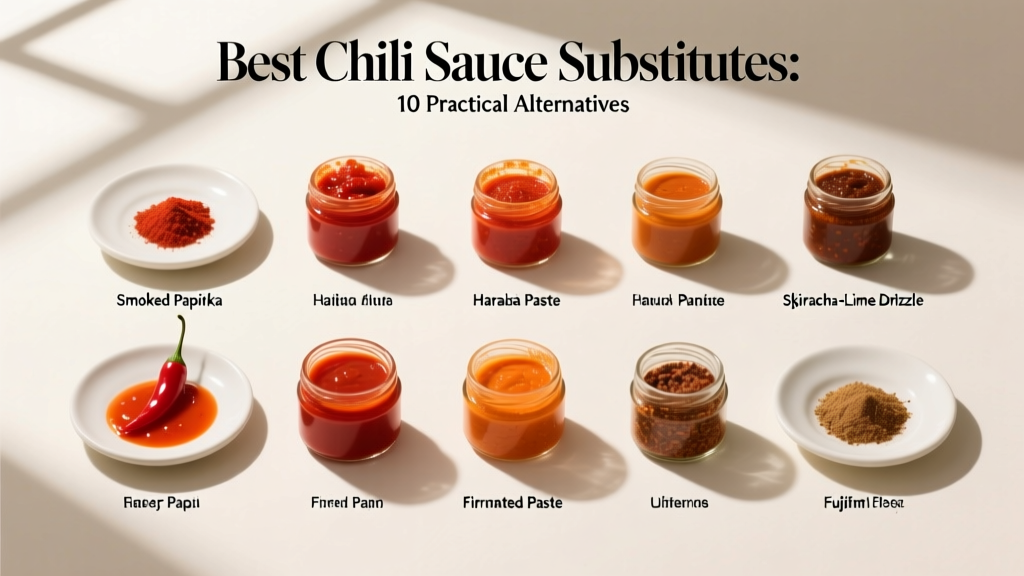 Best Chili Sauce Substitutes: 10 Practical Alternatives
 Air Fryer Steak: Simple Perfect Results
 Potato Soup with Sausage Recipe: Simple & Hearty Guide
 Mace vs Nutmeg: Same Seed, Different Flavor
 Black Honey: Types, Benefits & Authenticity (2026)
 Garlic Sauce for Chicken: Simple Recipe & Pro Tips
 Turkish Red Pepper Paste: 7 Substitutes
 Beef Steak Cooking: Step-by-Step for Perfect Results