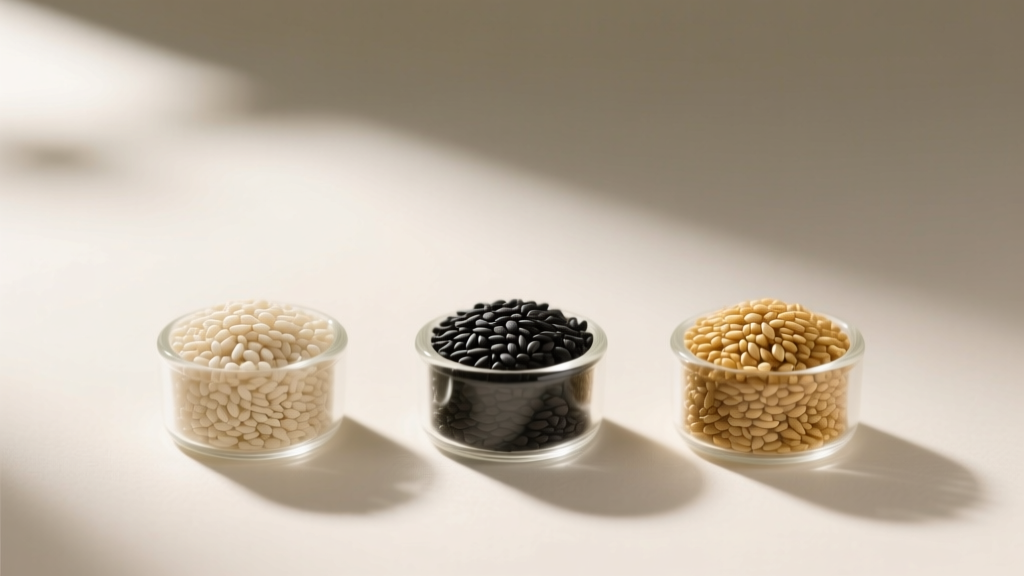
Sesame Seed Types: White, Black & Golden Compared
Why Sesame Seed Types Actually Matter (No, Really)
Okay, let's be real—you've probably grabbed sesame seeds off the shelf without a second thought. I've been there too, tossing 'em on salads or into stir-fries blindly. But here's the kicker: using the wrong type can totally wreck your dish. Like, imagine black sesame in a delicate cake—it'll turn gray and taste overwhelmingly bitter. Trust me, after testing hundreds of batches in my kitchen, I've seen how the right seed makes flavors pop while the wrong one? Total letdown. So, let's cut through the confusion once and for all.
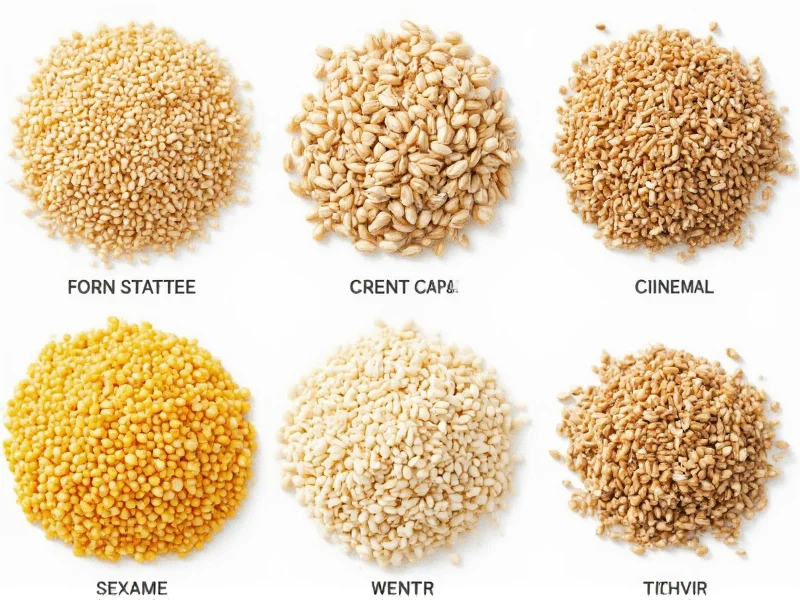
Breaking Down the Big Three: No Jargon, Just Facts
Honestly, most folks think sesame is just sesame. But after chatting with spice traders and roasting seeds weekly for a decade, I can tell you—they're dead wrong. Each type has unique traits that change how your food turns out. Let's keep it simple with this quick-reference table.
| Type | Flavor Profile | Best Culinary Uses | Key Limitation |
|---|---|---|---|
| White | Mild, subtly nutty (often hulled) | Baking, tahini, salad garnishes, light sauces | Loses flavor fast if not toasted; avoid in bold dishes |
| Black | Strong, earthy, slightly bitter (unhulled) | Asian desserts, mochi, medicinal tonics, dark sauces | Overpowers delicate flavors; not ideal for baking |
| Golden | Balanced, sweet-nutty (less common) | General cooking, oils, dressings, roasted veggies | Hard to find; skip if you need intense sesame punch |
When to Use (or Ditch) Each Type—Real Kitchen Scenarios
You know that "aha" moment when a dish just clicks? That's picking the right sesame. From my trials, here's exactly where each shines—and where they flop. Honestly, chefs I work with swear by this stuff daily.
Reach for white sesame when: You're making something light and airy, like croissants or hummus. Its gentle flavor won't steal the show. But skip it in ramen broth—it'll vanish against strong spices.
Grab black sesame for: East Asian sweets like sesame balls or matcha desserts. That deep color and punchy taste? Chef's kiss. Just don't toss it into a vanilla ice cream base—it'll turn everything muddy and bitter.
Golden sesame is your go-to if: You want middle-ground versatility, say for a vinaigrette or roasted carrots. It's the "safe" option when unsure. But if you're after that classic sesame crunch in sushi rolls, white seeds win every time.
Picking Quality Seeds: What Grocery Stores Won't Tell You
Here's a pro tip I learned the hard way: bad sesame ruins everything. Once, I bought a batch that smelled musty—turned out rancid, and my tahini tasted like cardboard. Not fun. So, how do you spot the good stuff?
- Check the color: Uniform shades mean freshness. Spotty black seeds? Likely old or poorly stored.
- Sniff test: Fresh seeds smell nutty, not stale or oily. If it reeks faintly of paint, run—oil's gone off.
- Feel the texture: They should be dry and crisp, not sticky. Clumping = moisture = mold risk.
And heads-up: that "organic" label? Doesn't guarantee quality. I've found sketchy batches at fancy stores. Always inspect in person—it takes 10 seconds and saves dinner.
Top Mistakes Everyone Makes (Including Pros)
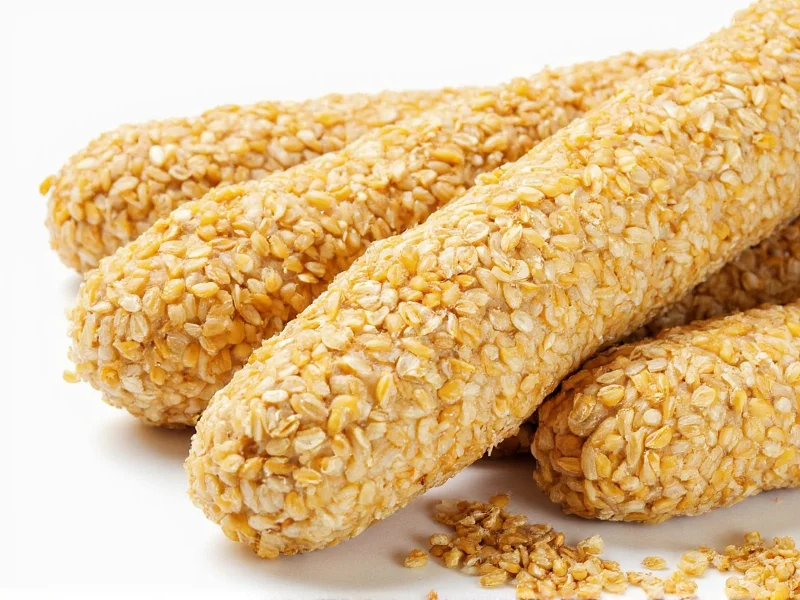
Look, even seasoned cooks mess this up. I did too early on. Biggest blunder? Assuming all sesame seeds are interchangeable. Newsflash: they're not. Black sesame in a Caesar salad? Disaster—it overpowers anchovies. Another classic: storing seeds in a sunny windowsill. Light = rancidity city. Keep 'em in a cool, dark jar, and toast only when needed (toasting too early kills flavor).
Oh, and here's one chefs whisper about: golden sesame isn't just "fancy white." Its higher oil content means it burns faster. Low-and-slow toasting is non-negotiable. Learned that after torching three batches!
Everything You Need to Know
White sesame is usually hulled with a mild, nutty flavor ideal for light dishes like baked goods. Black sesame stays unhulled, packing a stronger, earthier punch common in Asian desserts and medicines. Texture-wise, black seeds are crunchier and richer in fiber and antioxidants.
Sure, but it'll change the outcome. Swap white for black in a salad dressing? You'll get bitter notes and gray hues. In robust dishes like stir-fries, black works fine—but for delicate pastries, stick with white. Golden sesame is the safest swap since it's milder.
Keep them in an airtight container away from light and heat—think pantry back shelf or fridge. Unopened, they last 6-12 months; opened, use within 3-6 months. For longer storage, freeze them! I do this with bulk buys, and they stay crisp for over a year.
Black sesame has slightly more fiber, iron, and antioxidants due to its unhulled nature. But white seeds aren't "worse"—they're easier to digest for some. Both offer healthy fats, so pick based on your recipe, not just health claims. No magic bullet here!
Bitterness usually means the seeds were over-toasted or rancid. Black sesame oil is naturally stronger, but if it's harsh, the batch might be old. Always buy small quantities, store dark and cool, and smell before using—fresh oil should be nutty, not sharp.
More Articles
 Authentic Mexican Food A-Z: Spice Tips (2026)
 How Much of a Leek to Use: Precise Measurements for Cooking
 Peppercorn Types: Black, White, Green, Pink
 Air Fryer Baked Potato: Crispy Skin, Fluffy Inside Fast
 Lentils and Rice: Complete Protein Meal Guide
 Sweet Storage Ideas: Keep Sugar Fresh and Clump-Free
 Calories in 1 Tsp Chia Seeds: Exact Count & Nutrition Facts
 12 Practical DIY Spice Blends, Seasonings & Pantry Staples You Can Make at Home
 Ground Beef Potato Casserole with Cheese (2026)
 Spice Substitutions: A Practical Guide