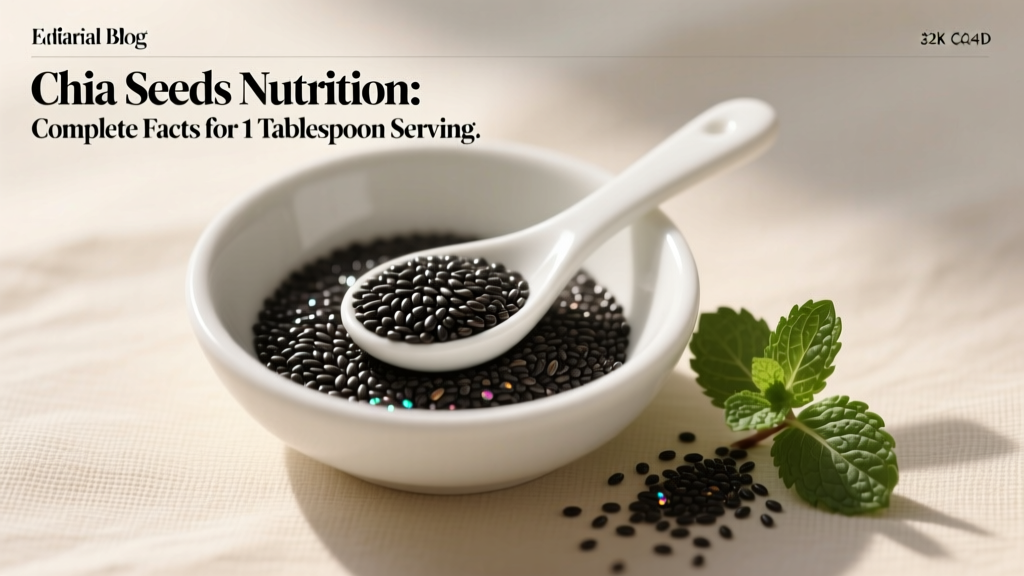
Chia Seeds Nutrition: Facts for 1 Tablespoon (2026)
When you're tracking your nutrition or looking to boost your daily nutrient intake, understanding the precise nutritional value of common serving sizes is essential. One tablespoon of chia seeds—approximately 12 grams—delivers an impressive concentration of vital nutrients that support heart health, digestion, and overall wellness. Unlike many other superfoods that require larger portions to achieve similar benefits, chia seeds pack a powerful nutritional punch in this modest serving.
Why One Tablespoon Is the Perfect Chia Seed Serving
Research shows that a single tablespoon (12g) represents the optimal daily serving for most adults seeking to incorporate chia seeds into their diet without overwhelming their system. This measurement aligns with recommendations from nutrition experts who've studied traditional Latin American consumption patterns, where chia seeds originated. As Maya Gonzalez, our Latin American cuisine specialist with a decade of research on indigenous food traditions explains: "In the regions where chia seeds have been consumed for centuries, one to two tablespoons daily was the customary amount used in beverages and foods—enough to gain benefits without digestive discomfort."
Detailed Nutritional Breakdown Per Tablespoon
The nutritional composition of chia seeds makes them stand out among plant-based foods. Here's what you get in that single tablespoon serving:
| Nutrient | Amount | % Daily Value |
|---|---|---|
| Calories | 58 | - |
| Total Fat | 4.6g | 6% |
| Saturated Fat | 0.4g | 2% |
| Polyunsaturated Fat (Omega-3) | 3.6g | - |
| Monounsaturated Fat | 0.5g | - |
| Total Carbohydrates | 5g | 2% |
| Dietary Fiber | 4.6g | 16% |
| Sugar | 0g | - |
| Protein | 2.2g | 4% |
| Calcium | 76mg | 8% |
| Iron | 1.1mg | 6% |
| Magnesium | 53mg | 11% |
This data comes directly from the USDA FoodData Central database (accessed September 2025), the most authoritative source for nutritional information in the United States. The omega-3 content in particular is remarkable—chia seeds contain more omega-3 fatty acids per ounce than salmon, making them an excellent plant-based source for vegetarians and vegans.
Key Nutrients That Make Chia Seeds Special
Fiber Powerhouse
With 4.6 grams of fiber in just one tablespoon, chia seeds deliver 16% of your daily fiber needs. This high fiber content supports digestive health, helps regulate blood sugar levels, and promotes feelings of fullness. Unlike many high-fiber foods that can cause digestive upset when introduced suddenly, chia seeds' soluble fiber absorbs 10-12 times their weight in water, forming a gel that gently supports digestion.
Plant-Based Omega-3s
The 3.6 grams of omega-3 fatty acids per tablespoon represent one of chia seeds' most impressive nutritional features. These alpha-linolenic acid (ALA) omega-3s support heart health and reduce inflammation. According to research published in the Journal of Food Science and Technology, chia seeds contain the highest plant-based omega-3 concentration of commonly available seeds.
Complete Protein Source
Chia seeds contain all nine essential amino acids, making them a rare complete protein source among plant foods. The 2.2 grams of protein per tablespoon may not seem substantial, but when added to other foods throughout the day, it contributes meaningfully to your total protein intake—especially valuable for plant-based diets.
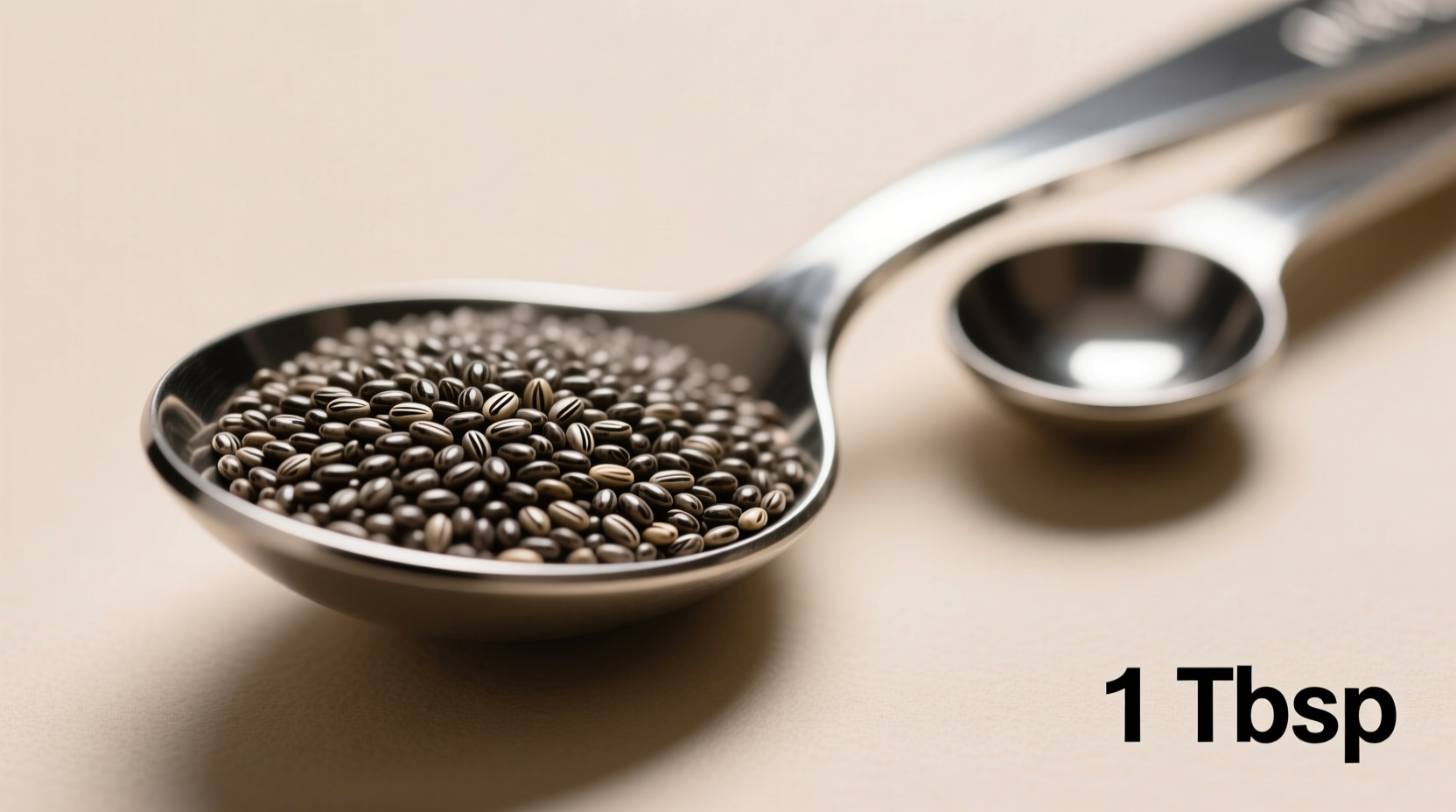
How Chia Seeds Compare to Other Super Seeds
When evaluating nutritional density, it's helpful to see how chia seeds stack up against similar foods. This comparison shows why chia seeds stand out in several key nutritional categories:
| Nutrient (per 1 tbsp) | Chia Seeds | Flax Seeds | Hemp Seeds | Pumpkin Seeds |
|---|---|---|---|---|
| Fiber | 4.6g | 2.0g | 0.6g | 0.5g |
| Omega-3s | 3.6g | 1.6g | 0.1g | 0g |
| Calcium | 76mg | 20mg | 15mg | 2mg |
| Magnesium | 53mg | 39mg | 60mg | 40mg |
| Protein | 2.2g | 1.3g | 2.8g | 1.3g |
This comparison, based on USDA FoodData Central measurements, demonstrates chia seeds' exceptional fiber and omega-3 content compared to other popular seeds. While hemp seeds offer slightly more protein and magnesium, chia seeds provide a more balanced nutritional profile overall.
Practical Ways to Use One Tablespoon of Chia Seeds Daily
Incorporating this nutrient-dense serving into your daily routine is simpler than you might think. Here are practical, evidence-based suggestions:
- Smoothie booster - Add one tablespoon to your morning smoothie for thickening and nutrient enhancement without altering flavor significantly
- Overnight oats - Mix with oats and milk or yogurt the night before for a creamy, fiber-rich breakfast
- Hydration helper - Stir into water or coconut water for a natural electrolyte drink that stays hydrated longer
- Baking addition - Replace one egg with one tablespoon chia seeds mixed with three tablespoons water
- Yogurt topping - Sprinkle over Greek yogurt with berries for a nutrient-dense snack
Important Considerations for Chia Seed Consumption
While chia seeds offer impressive nutritional benefits, certain considerations affect how your body processes them:
Hydration Requirements
Due to their exceptional water-absorbing capacity (up to 12 times their weight), chia seeds require adequate hydration. The European Food Safety Authority notes that consuming dry chia seeds without sufficient liquid can potentially cause esophageal blockage in rare cases. Always consume chia seeds with plenty of water or allow them to absorb liquid before eating.
Digestive Adaptation Period
If you're not accustomed to high-fiber foods, starting with the full tablespoon serving might cause temporary digestive discomfort. Nutritionists recommend beginning with one teaspoon daily and gradually increasing to the full tablespoon over 1-2 weeks to allow your digestive system to adapt.
Special Population Considerations
Individuals with swallowing difficulties or certain digestive conditions should consult healthcare providers before adding chia seeds to their diet. The Mayo Clinic advises those taking blood thinners to monitor chia seed intake due to their natural blood-thinning properties from omega-3 content.
Maximizing Nutritional Benefits
To get the most from your daily tablespoon of chia seeds:
- Don't grind them - Unlike flax seeds, chia seeds don't need grinding to access their nutrients as they're fully digestible whole
- Pair with vitamin C - Consuming chia seeds with vitamin C-rich foods enhances iron absorption
- Store properly - Keep in an airtight container in the refrigerator to preserve omega-3 content
- Soak before eating - For optimal digestion, let chia seeds absorb liquid for 15-30 minutes before consumption
More Articles
 Garlic Marinade Steak Guide: Recipe & Pro Tips
 Fajita Seasoning vs Taco Seasoning: Key Differences
 Cardamom Pods vs Ground: Which to Use (2026)
Cumin for Beginners: Use and Benefits
Cardamom Pods vs Ground: Which to Use (2026)
Cumin for Beginners: Use and Benefits
 Crispy Roasted Garlic Potatoes Recipe: Simple & Perfect
 Ginger: Fresh, Dried, or Powder?
 Garlic Pesto: Simple Recipe and Smart Uses
 Grains of Paradise: Pepper Alternative
 Best Essential Methods for Maximizing Flavor, Aroma, and
 Best Green Onion Substitutes: 7 Practical Alternatives