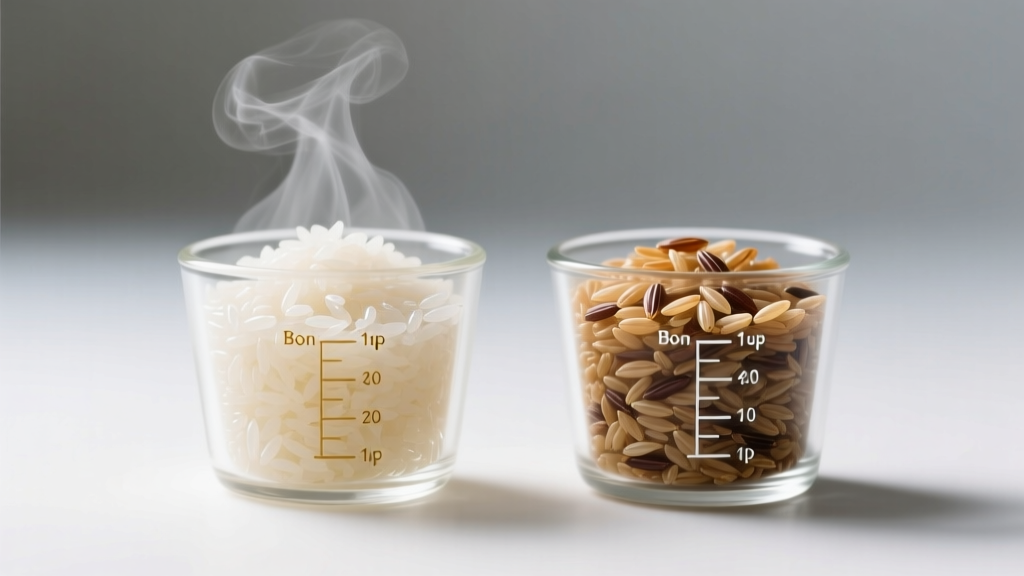
Calories in 1 Cup Cooked Rice: White vs Brown Comparison
Understanding the exact calorie content of your rice servings is essential for meal planning, weight management, and maintaining a balanced diet. Whether you're tracking macros, managing diabetes, or simply being mindful of your portions, knowing these precise numbers puts you in control of your nutritional intake.
Calorie Breakdown by Rice Type
Rice isn't just rice when it comes to nutrition. The processing method significantly impacts the final calorie count and nutritional profile. Here's a detailed comparison of common rice varieties based on USDA FoodData Central measurements:
| Rice Type | Calories (per 1 cup/195g) | Carbohydrates | Protein | Fiber |
|---|---|---|---|---|
| White rice (long-grain) | 205 | 45g | 4.3g | 0.6g |
| Brown rice (long-grain) | 218 | 46g | 5g | 3.5g |
| Basmati rice (cooked) | 210 | 45g | 4.2g | 0.8g |
| Jasmine rice (cooked) | 205 | 45g | 4.2g | 0.7g |
| Wild rice blend (cooked) | 166 | 35g | 6.5g | 3g |
This comparison reveals an interesting fact: brown rice actually contains slightly more calories than white rice per cup, contrary to what many people assume. The difference comes from brown rice's higher fat content (1.6g versus 0.4g in white rice), though it also provides significantly more fiber and nutrients.
Understanding Portion Size Variations
The "cup" measurement can be confusing because it depends on whether you're measuring before or after cooking. One cup of uncooked rice (about 185g) typically yields three cups of cooked rice. This expansion factor is crucial for accurate calorie counting:
- 1 cup uncooked white rice = ~670 calories (yielding 3 cups cooked)
- 1 cup uncooked brown rice = ~685 calories (yielding 3.5 cups cooked)
- Standard restaurant portion = 1.5 cups cooked (~300 calories)
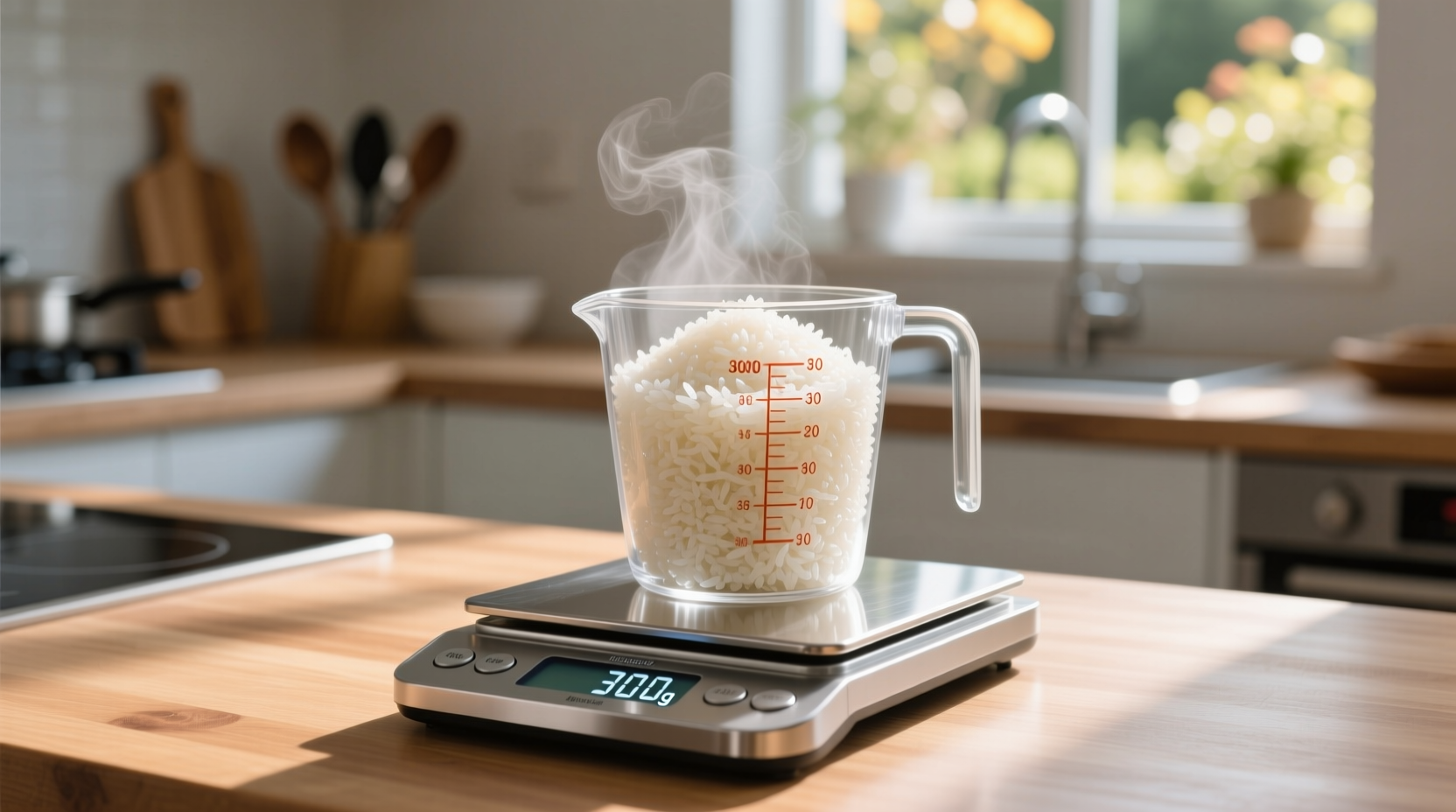
When tracking your intake, always measure rice after cooking for the most accurate calorie count. Using a food scale provides even better precision than cup measurements, as rice density can vary based on cooking method and rice variety.
How Cooking Method Affects Calorie Content
The way you prepare rice can subtly influence its nutritional profile. Traditional boiling versus absorption methods, water-to-rice ratios, and even resting time after cooking all play roles in the final product's density and nutritional composition.
Research from the USDA FoodData Central shows that:
- Rice cooked with excess water and drained loses some water-soluble nutrients but maintains similar calorie counts
- Adding fat (butter, oil) during cooking significantly increases calorie content (1 tsp oil adds 40 calories)
- Cooling cooked rice creates resistant starch, which may reduce net digestible calories by 10-15% according to studies published in the Food Chemistry journal
Practical Applications for Your Diet
Knowing rice calories becomes truly valuable when applied to real-world eating scenarios. Here's how to use this information effectively:
For Weight Management
If you're monitoring calorie intake for weight loss, consider these practical strategies:
- Measure portions before cooking for accuracy (1/3 cup uncooked rice = 1 cup cooked)
- Substitute half your rice with cauliflower rice to cut calories by 50% while maintaining volume
- Choose brown rice for its higher fiber content, which promotes satiety and helps regulate blood sugar
- Be mindful of additions - a tablespoon of soy sauce adds minimal calories, but teriyaki sauce can add 50+ calories per tablespoon
Nutritional Context
While calories matter, they're just one piece of the nutritional puzzle. One cup of cooked rice provides:
- Approximately 15-20% of your daily manganese needs (especially in brown rice)
- 8-10% of selenium (important for thyroid function)
- Small amounts of B vitamins that support energy metabolism
- Minimal fat content (less than 1g in white rice)
For balanced meals, pair rice with lean proteins and vegetables to create complete, nutritionally diverse dishes that keep you satisfied longer.
Common Questions About Rice Calories
Many people have specific concerns about incorporating rice into their diets. Here are answers to frequently asked questions based on current nutritional science:
More Articles
 Bell Pepper Colors: Nutrition, Taste & Uses (2026)
 One Pot French Onion Pasta: Quick Recipe & Pro Tips
 12 Foundational Spices for Creative Cooking
 Garlic Parmesan Roasted Carrots: Simple Recipe Guide
 Homemade Garlic Butter Spread: Simple Recipe & Tips
Understanding the Pepper Scoville Scale
Homemade Garlic Butter Spread: Simple Recipe & Tips
Understanding the Pepper Scoville Scale
 Indian Spice FAQ: Practical Answers
 Easy Hash Brown Potato Casserole Recipe: Quick & Crispy
 Poblano vs Pasilla Pepper: Key Differences Explained
 How to Cook Fresh Okra Without Slime: Simple Steps