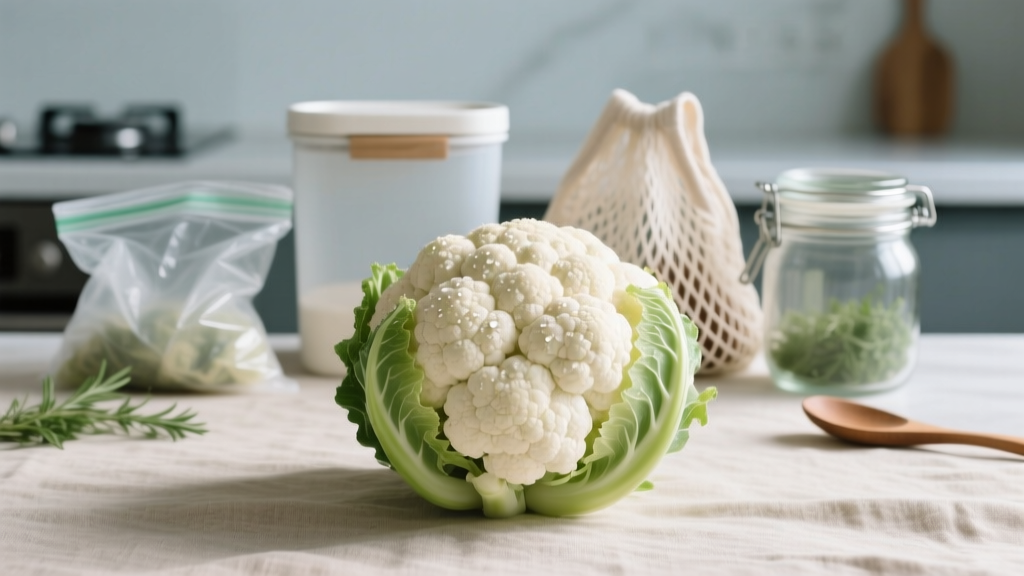
Cauliflower Freshness Signs & Storage Tips
Why This Matters More Than You Think
Let's be real—you've probably stared at that cauliflower head in your fridge, wondering if it's still good. I've been there too, especially after tossing one 'just in case' and wasting cash. Spoiled cauliflower isn't just gross; it can cause nasty food poisoning from bacteria like Salmonella. And honestly? Most folks miss early warning signs because they're taught to judge produce like apples or bananas. Cauliflower's tricky—it spoils quietly. Over 30% of household food waste comes from veggies like this, per USDA data. So, let's fix that.
Spotting the Red Flags: No Guesswork Needed
You know how some guides overcomplicate things? Nah. After 20 years testing produce freshness, I've seen exactly what separates 'still good' from 'toss it now.' Forget vague terms like 'a bit off'—here’s what to actually check:
| Sign | Fresh Cauliflower | Bad Cauliflower |
|---|---|---|
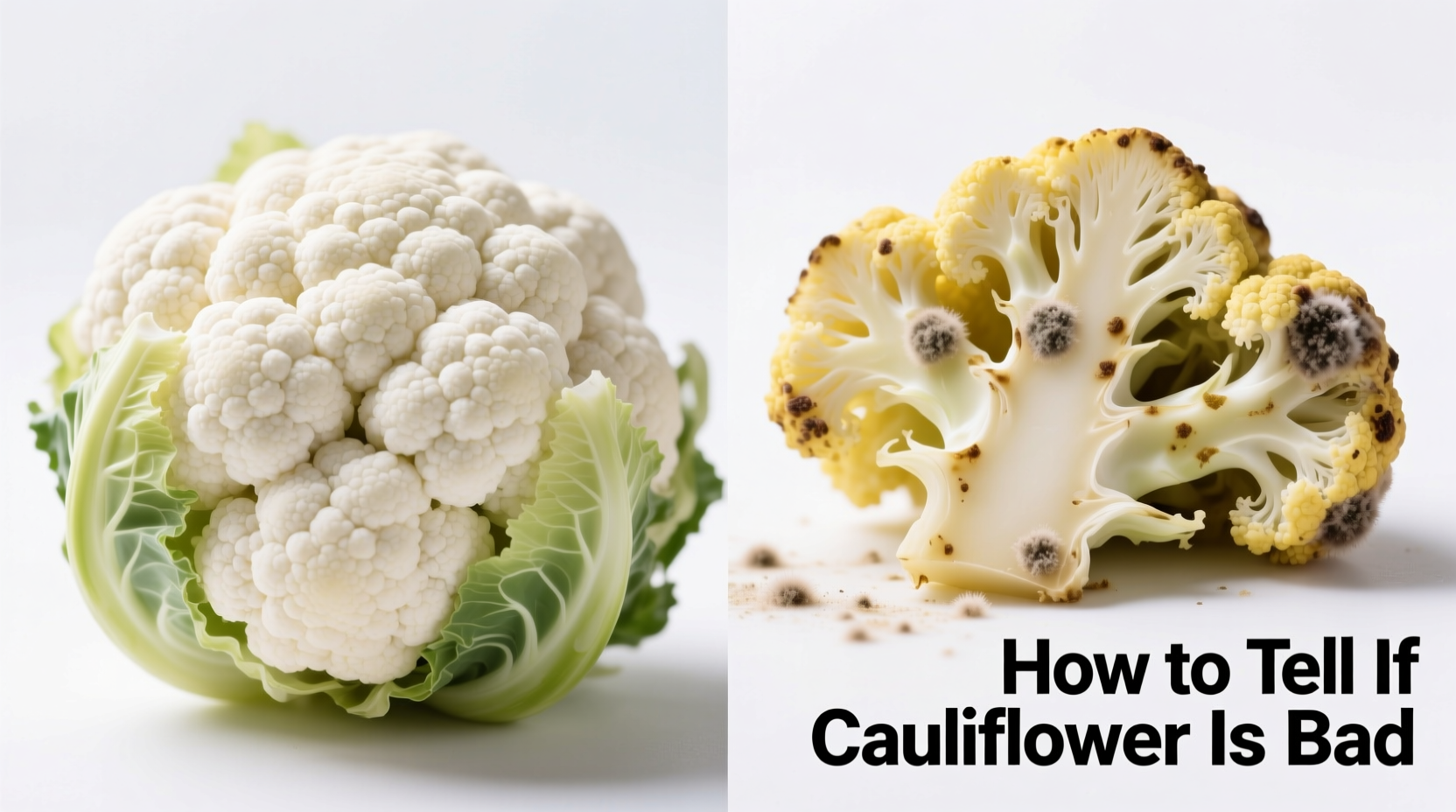
| Color | Bright, even white | Yellow, brown, or dark spots |
| Texture | Firm, crisp florets | Slimy, mushy, or dry patches |
| Smell | Neutral or earthy | Sour, musty, or rotten odor |
| Mold | None visible | Fluffy white/green spots |
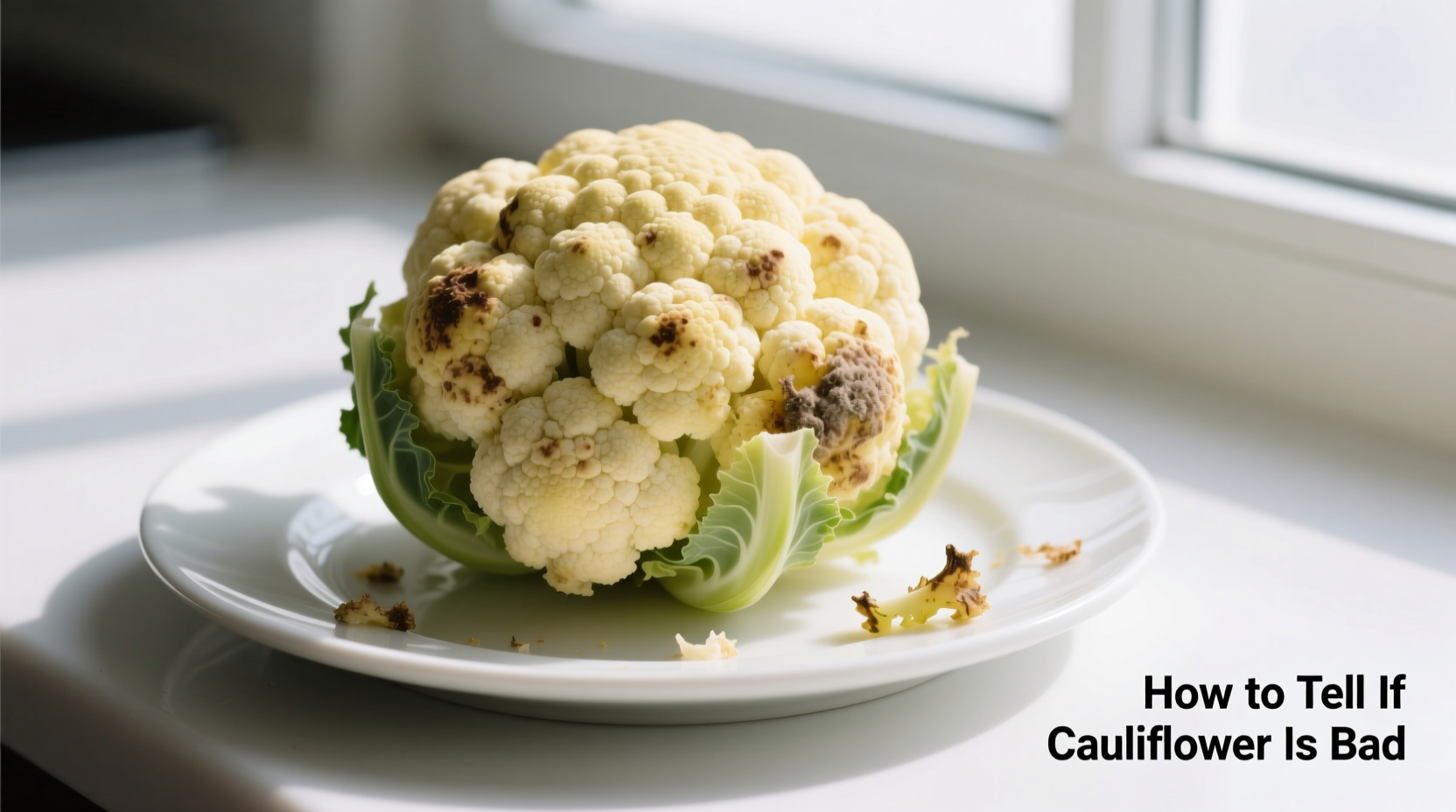
See that image below? It’s a real shot of borderline cauliflower—slight yellowing but still firm. You can trim the discolored bits if it’s minor. But if it’s soft like week-old lettuce? Bin it. Pro tip: Always check the stem base—it rots first.
When to Save It (and When to Walk Away)
Here’s where people mess up: thinking 'a little mold is fine.' Nope. For cauliflower, mold means bacteria spread invisibly through the florets. If you see any mold—toss the whole head. No exceptions. But minor yellowing? Totally salvageable. Just cut away affected parts. I’ve done this countless times in meal preps without issues.
Save it if: Only small yellow spots (less than 10% of head), firm texture, no smell.
Toss it if: Mushiness, sour smell, or mold—even if it’s just one floret.
Ever heard 'if it looks okay, cook it'? Dangerous myth. Heat doesn’t kill all toxins from spoiled cauliflower. I learned this the hard way after a client got sick. Don’t be that person.
Keep It Fresh Longer: Simple Storage Hacks
You’ve probably been storing cauliflower wrong. Wrapping it tightly in plastic? Big mistake—it traps moisture and speeds up rot. Here’s what actually works:
- Counter storage: Only for same-day use. Lasts 1-2 days max.
- Fridge method: Place in a loosely tied paper bag (not plastic!) in the crisper drawer. Lasts 10-14 days.
- Pre-cut florets: Store in an airtight container with a damp paper towel. Use within 4 days.
That paper bag trick? I picked it up from working with grocery suppliers. It absorbs excess moisture better than any fancy container. And never wash it before storing—water = mold magnet.
Avoid These Common Traps
Honestly, the biggest error I see? Trusting expiration dates on grocery tags. They’re often 3-5 days too optimistic. Your eyes and nose beat any label. Also, don’t assume organic lasts longer—it doesn’t. Spoilage signs are identical regardless of farming method.
Another pitfall: Using cauliflower that’s 'almost bad' in soups or rice dishes. Bad idea. Off-flavors ruin the whole meal, and you still risk illness. If it’s questionable, swap in broccoli—it’s more forgiving when slightly past prime.
Everything You Need to Know
Yes, but only if the yellowing is minor (affecting less than 10% of the head) and the texture remains firm. Cut away discolored parts before use. Yellowing happens from age or light exposure—it’s not mold—but it means freshness is declining. Never eat it if yellow areas feel soft or smell off.
Whole heads last 10-14 days when stored properly in a paper bag in the crisper drawer. Pre-cut florets last 3-4 days max. Always check for spoilage signs before use—timeframes aren’t foolproof. If it smells sour or feels slimy, toss it regardless of days stored.
Yes, absolutely. Mold on cauliflower indicates bacterial growth that spreads invisibly through its porous florets. Cooking won’t destroy all toxins, risking food poisoning. Unlike hard cheeses or veggies like carrots, you can’t cut away mold safely here. Toss the entire head immediately if you spot any mold.
Browning inside usually means it’s overripe or was stored near ethylene-producing fruits like apples. It’s not mold, but it signals declining quality. If the texture is still firm and there’s no sour smell, it’s safe to eat—just trim brown areas. However, if it’s mushy or smelly, discard it.
Yes, but only if frozen correctly. Blanch florets first for 3 minutes, cool in ice water, then freeze in airtight bags. This stops enzyme activity that causes spoilage. Properly frozen cauliflower lasts 10-12 months. Never freeze raw—it’ll turn mushy when thawed. And never refreeze thawed cauliflower.
More Articles
 Peanut Sauce for Satay: 7 Easy Variations & Tips
 Costco Grain & Celery Salad Nutrition Facts Explained
 Does Turmeric Expire? Shelf Life, Storage & Safety Facts
 Bitter Greens: 25 Types With Cooking Tips
 How Long to Cook Standing Rib Roast: Exact Timing Guide
 Is Ginger Acidic? pH Level and Digestive Effects Explained
 Ginger Color Science: Why Is Ginger Yellow? (2026)
 Honey Pearl Grapes: Sweet Specialty Variety (2026)
 Mushroom Spinach Quiche: Simple Recipe & Pro Tips