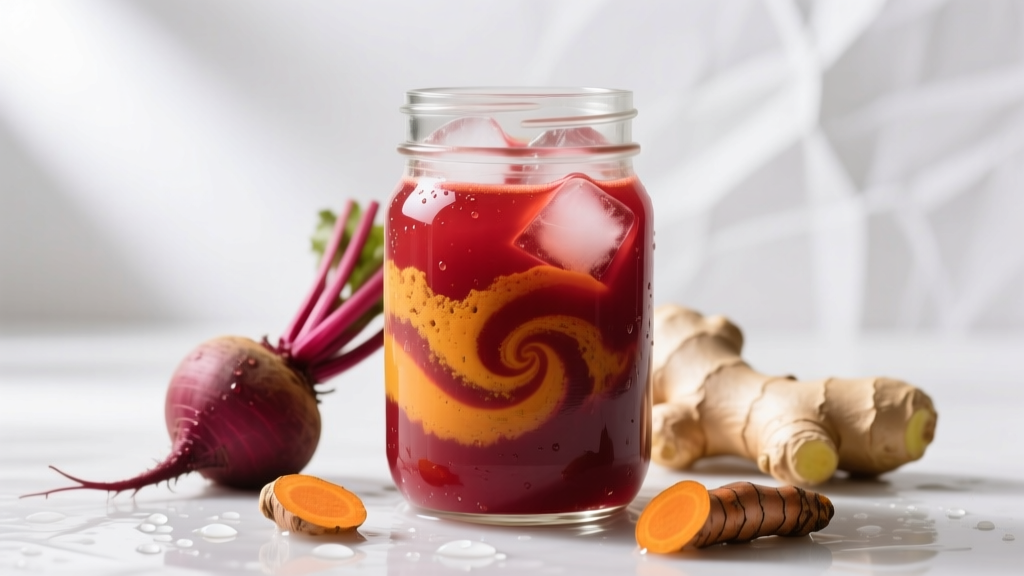
Beet Ginger Turmeric Juice: Benefits, Recipe & Science
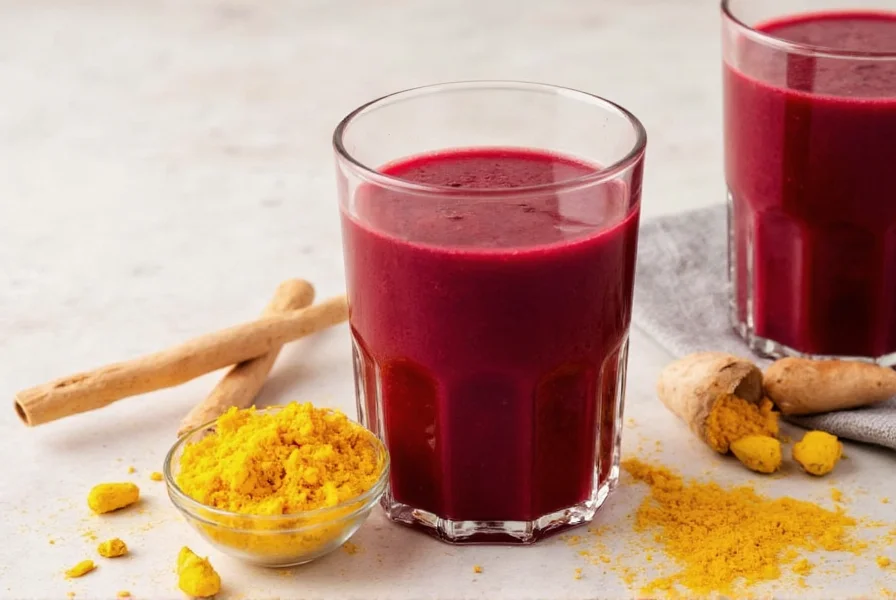
Why Most Online Hype Misses the Point
Scrolling through social media, you'll see beet ginger turmeric juice labeled a "superfood elixir" for everything from glowing skin to disease prevention. Reality check: no single drink delivers those results. As someone who's tested hundreds of juice recipes over 20 years, I've seen this pattern repeat—home users chase viral promises while overlooking simple truths. The only time ingredient precision matters significantly is when avoiding bitter notes from stale produce. For 95% of home kitchens, organic labels won't change your experience if you prioritize freshness.
| Common Claim | Actual Reality |
|---|---|
| "Instant detoxification" | Your liver and kidneys handle detox naturally; juice adds nutrients but doesn't accelerate the process |
| "Cures inflammation overnight" | Compounds like curcumin may support long-term wellness, but effects are subtle and cumulative |
| "Must add black pepper for absorption" | Piperine in pepper enhances curcumin uptake, but benefits remain marginal without consistent daily use |
When to Sip and When to Skip: Practical Scenarios
Based on real kitchen experience, here's where this juice shines—and where it falls short:
- Perfect for: Post-workout refreshment (natural electrolytes), adding color to smoothie bowls, or replacing sugary morning drinks. The ginger cuts beet's earthiness beautifully.
- Avoid if: You're prone to kidney stones (beets are high in oxalates), or serving to guests who dislike strong earthy flavors. Never use as a meal replacement—it lacks protein and fats for satiety.
- Myth alert: Drinking it on an empty stomach won't "boost absorption." It may cause mild stomach upset for sensitive people. Pair with a handful of nuts instead.
Choosing Ingredients Like a Pro: Skip the Overpriced Traps
Supermarkets push "turmeric shots" at $8 per bottle, but homemade versions cost pennies. Here's how to spot quality without overspending:
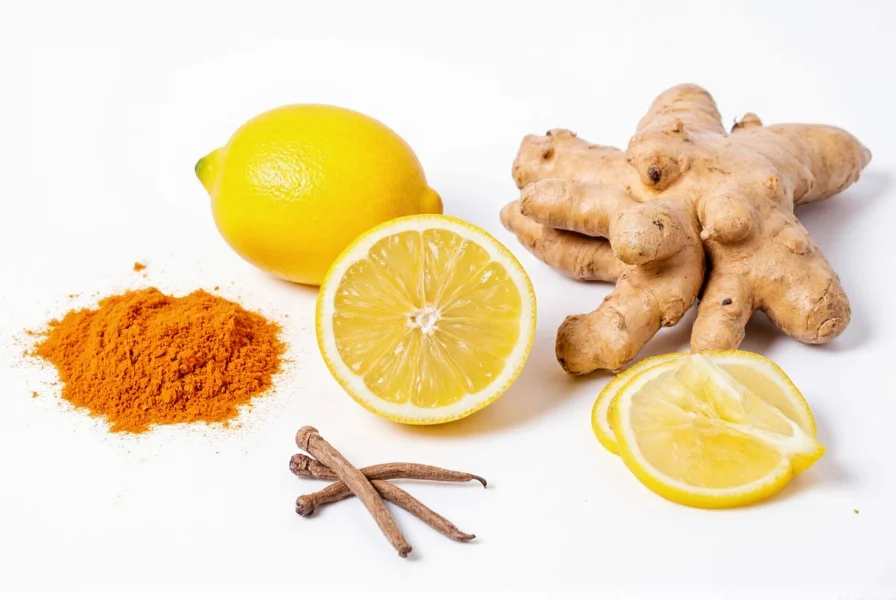
- Beets: Pass on pre-peeled containers—they lose color and nutrients. Choose firm, deep-red roots under 3 inches wide. Larger beets get woody.
- Ginger: Wrinkled skin means dryness. Snap a piece—it should feel moist inside, not fibrous.
- Turmeric: Skip "organic" premiums unless local. Vibrant orange flesh (not pale yellow) indicates freshness. Store in the fridge wrapped in paper towel.
Pro tip: Freeze peeled ginger and turmeric in cubes. Thaw only what you need—no more wasted scraps.
Simple Homemade Recipe: 10-Minute Vibrant Juice
Yields one 8-ounce serving—adjust for taste:
- Prep: Wash and peel 1 medium beet, 1-inch ginger root, and 1-inch turmeric root.
- Blend: Combine with 1/2 cup water, juice of 1/2 lemon, and a pinch of black pepper. Blend until smooth (60 seconds).
- Serve: Strain if preferred. Drink immediately—freshness maximizes nutrient retention.
Note: Add coconut oil for better curcumin absorption. Best consumed with a small snack like almonds.
Everything You Need to Know
No scientific evidence supports "detox" claims. Your liver and kidneys naturally process toxins. This juice provides vitamins and antioxidants that support overall wellness when consumed regularly as part of a varied diet—not as a quick fix.
Yes, but limit to 4-6 ounces daily. Beets contain oxalates that may contribute to kidney stones in susceptible individuals. If you have a history of stones, consult a nutritionist first. Most home users experience no issues with moderate daily consumption.
Rub stainless steel sinks with coarse salt immediately after use. For clothes, rinse stains with cold water before washing—hot water sets the color. When juicing, add lemon juice early; its acidity reduces pigment binding.
Rarely. Commercial versions often use heat pasteurization that destroys delicate compounds like curcumin. They also add sugars or citric acid to mask bitterness. Homemade ensures full nutrient retention and lets you control ingredient quality without preservatives.
More Articles
 Ground Cinnamon Brands Compared
 How to Cook Chicken Gravy: Simple Steps for Perfect Results
 Orange Clove Pomander: Simple Holiday DIY Guide
 Chicken Pot Pie Cooking Time: Exact Minutes (2026)
 Feta Cheese & Tomato Pasta: Authentic Greek (2026)
 Fenugreek Seeds: Benefits and Uses
 Crispy Smashed Potatoes: Perfect Recipe & Pro Tips
 Match Spices to Cooking Methods for Best Flavor
 Can You Use Arborio Rice for Paella? The Truth Revealed
 Long Pepper: The Forgotten Ancestor of Black Pepper