
Why Saffron Costs More Than Gold (Real Talk)
Why You’re Paying for Sunrise Labor (Not Hype)
Look, I’ve tested spices globally for two decades, and saffron’s price isn’t marketing fluff. Picture this: farmers rise at 4 a.m. to harvest crocus flowers before daylight hits. One by one, they tease out three fragile red stigmas per bloom—by hand. Miss that narrow window? The stigmas crumble. It takes a full day’s work for one person to gather just 10-12 grams. Honestly, no other spice demands this level of human precision. That’s the real cost driver, not scarcity alone.
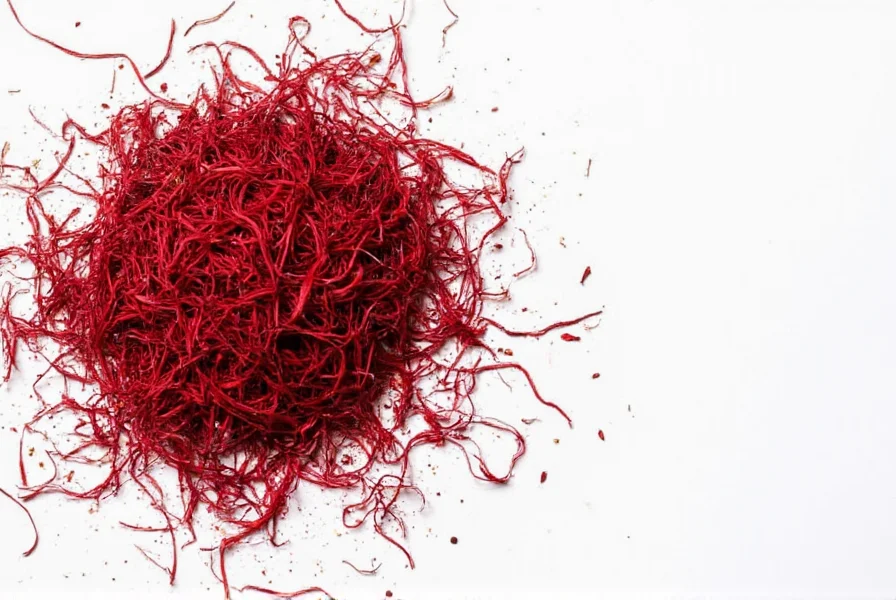
Saffron vs. Everyday Spices: What You’re Actually Buying
| Spice | Flowers per Pound | Harvest Time per Pound | Typical Price (per oz) |
|---|---|---|---|
| Saffron | 150,000+ | 40+ hours | $30-$300 |
| Vanilla | 1,000 beans | 8 hours | $5-$15 |
| Cinnamon | N/A (bark) | 2 hours | $0.50-$2 |
| Nutmeg | N/A (seed) | 1 hour | $0.25-$1 |
See that gap? Saffron’s labor intensity explains 90% of its cost. Vanilla’s pricey too, but it’s still 10x cheaper because beans grow on vines—not microscopic stigmas. Don’t let anyone tell you it’s ‘just tradition’; this is physics meeting botany.
When to Splurge (and When to Skip)
Here’s my kitchen-tested rule: Use saffron only for dishes where its floral-honey notes shine solo. Think Spanish paella, Persian tahdig, or French bouillabaisse—where a few threads elevate the whole pot. But skip it in heavy tomato sauces or chili; the flavor gets drowned out, wasting your cash. Seriously, I’ve seen home cooks dump $20 into a bland marinara. Not worth it.
Also, avoid ‘saffron’ in supplements or beauty products. Those often use diluted extracts or fake crocin dyes. Stick to culinary use—it’s the only context where purity matters.
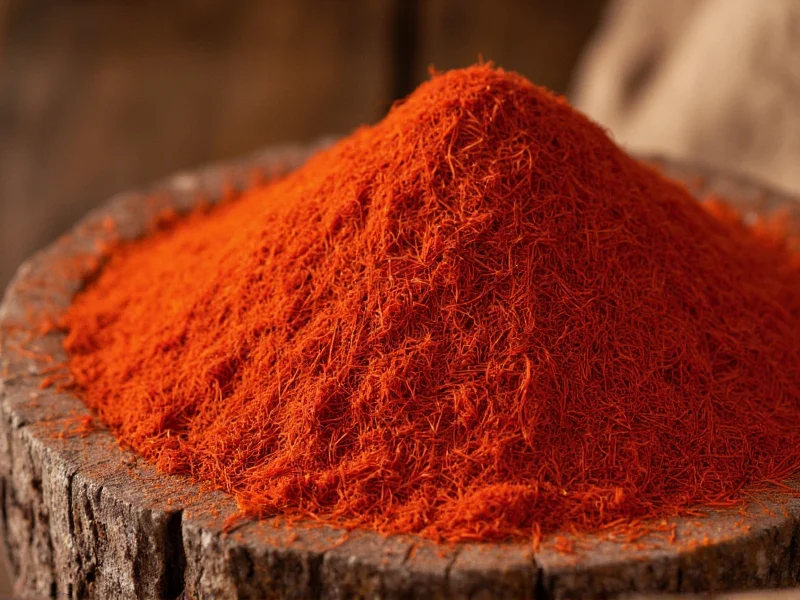
Spotting Fakes: What Grocery Stores Won’t Tell You
After 20 years, I can smell a scam. Most ‘budget’ saffron online is turmeric-dyed corn silk or safflower. Do this quick test: drop a thread in warm water. Real saffron bleeds gradual golden-yellow over 10 minutes (never instant red). Fake stuff colors water immediately or stays pale. Also, rub threads between fingers—they should feel brittle, not waxy. If it’s cheap and smells like hay? Run.
Pro tip: Buy from Spanish or Iranian producers with ISO 3632 certification. That’s the only global standard verifying crocin levels. Skip Amazon ‘deals’ under $10/gram—they’re 99% counterfeit.
Stretching Your Pinch: Smart Usage Without Sacrifice
You don’t need grams to get flavor. Crush 3-4 threads with a pinch of sugar in a mortar, then steep in 2 tbsp warm broth for 10 minutes. That’s enough for a 4-person paella. Never add dry threads directly—they’ll burn. And store in an airtight jar away from light; it keeps potency for 2 years (not 6 months like myths claim).
For budget cooks: Try azafrán español (paprika-saffron blend) in rice dishes. It’s 1/10th the cost and mimics color decently—though flavor’s milder. Save pure saffron for special occasions.
Common Pitfalls Even Chefs Fall For
I’ve seen top restaurants mess this up. Biggest error? Storing saffron in clear jars on spice racks. Light kills potency in weeks. Use opaque containers. Second, grinding it pre-use—exposes oils to air, fading flavor. Always crush whole threads just before cooking. Lastly, don’t confuse ‘Kashmiri’ saffron online; most isn’t from Kashmir. Stick to La Mancha (Spain) or Torbat-e Heydarieh (Iran) for reliability.
Everything You Need to Know
Saffron’s price comes from extreme labor intensity—not rarity alone. Harvesting requires 150,000+ hand-picked crocus flowers per pound, with stigmas plucked individually at dawn. Gold’s mining is industrialized; saffron has no machine alternative. This human effort makes it cost $500-$5,000 per pound, exceeding gold’s per-weight value in culinary contexts.
Do the water test: Place a thread in warm water. Authentic saffron releases golden-yellow color gradually over 10 minutes. Fake versions (like dyed safflower) bleed red instantly or stay pale. Also, real threads feel brittle when rubbed—not waxy—and smell honey-like, not dusty.
Use azafrán español (a paprika-saffron blend) for color in rice dishes—it’s 90% cheaper. Turmeric works for hue but lacks floral notes. For paella, skip substitutes; the dish relies on saffron’s unique profile. Never use marigold petals—they’re bitter and unsafe in large quantities.
Properly stored saffron lasts 2+ years. Keep threads whole in an opaque, airtight jar away from light and moisture—not in clear containers or near stoves. Ground saffron degrades in months. Check potency by scent; faded threads smell musty, not floral.
Absolutely—if used strategically. A $10 jar lasts years because you only need 3-4 threads per dish. It’s transformative in paella, risotto, or baked goods where its flavor dominates. Avoid wasting it in soups or sauces where taste gets masked. For most home cooks, it’s a worthy investment for special meals.
More Articles
 Lemon Pepper Honey Wings: Crispy Recipe Guide
 McDonald's Sausage Egg & Cheese McMuffin Calories (2026)
 Baked Beans and Sausage: The British Tradition Done Right
 Turmeric Substitute: Color & Flavor Solutions (2026)
 Steak Seasoning Guide: Dried Herbs That Complement Beef
 Chef Global Spice Traditions Essentials: Authentic Staples, Storage Science, and Culinary Precision
 Aloo Paratha Recipe: Perfect Potato Stuffed Flatbread
 Apple Cinnamon Muffins: Recipe Secrets & Health Facts
 Chicken On A Budget: Smart, Flavorful, and Nutritious Meals for Under $2.50 Per Serving
 How To Repair Ginger: Reviving Wilted, Shriveled, or Moldy Rhizomes Like a Pro