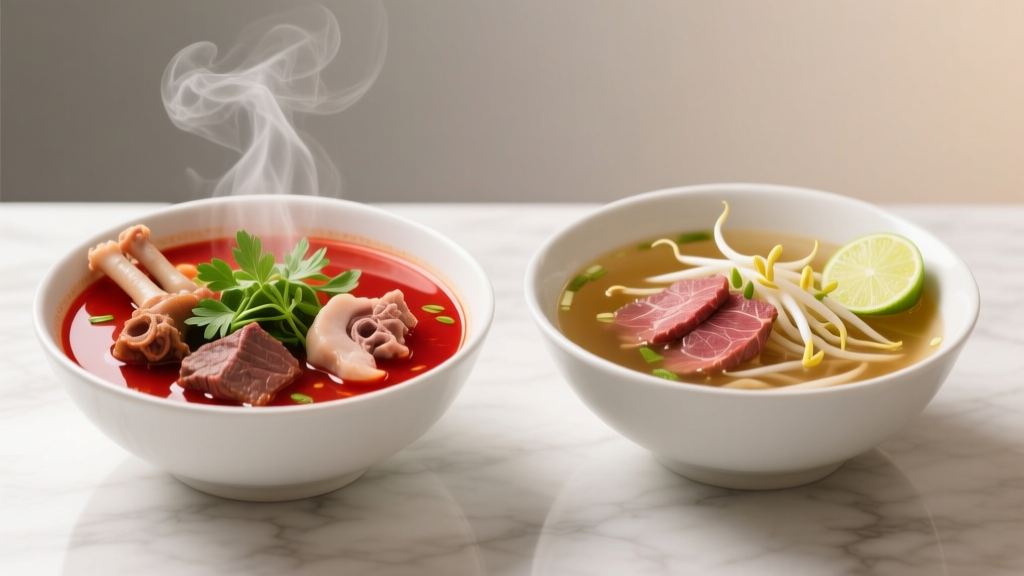
Bun Bo Hue: Vietnam's Spicy Noodle Soup vs Pho
Let's Fix That Name First, Okay?
Look, I get it. You typed "bun hue" because autocorrect hates Vietnamese accents. But here's the tea: it's Bun Bo Hue (pronounced "boon baw hway"). "Bo" means beef, "Hue" is the city—so it's literally "Hue beef noodle soup." Calling it "bun hue" is like saying "spag bolog" for spaghetti Bolognese. Totally normal for beginners, but let's level up. After 20 years eating my way through Vietnam, I've seen this mix-up derail so many home cooks. Honestly, it starts with knowing where it's from: Central Vietnam's imperial capital, Hue. That region? Famous for bold, spicy food—unlike the subtle North (hello, pho).

Pho's Spicy Cousin: Why They're Not Twins
You've probably had pho—everyone has. But Bun Bo Hue? Totally different beast. I used to think they were siblings until I spent months in Hue kitchens. Here's the lowdown without the jargon:
| Feature | Bun Bo Hue | Pho |
|---|---|---|
| Origin | Central Vietnam (Hue city) | Northern Vietnam (Hanoi) |
| Broth base | Beef + pork bones (often pig's feet) | Beef bones only |
| Flavor kick | Lemongrass, chili oil, shrimp paste (mam ruoc) | Star anise, cinnamon, ginger (milder) |
| Noodles | Thick, round (like spaghetti) | Flat, thin (like fettuccine) |
| Heat level | Spicy—chilies are non-negotiable | Mild (chilies optional) |
| Signature toppings | Pork hock, blood cubes, banana blossom | Beef slices, bean sprouts, basil |
See that? It's not "pho but spicier." As Greatist points out, Bun Bo Hue's broth gets its funk from fermented shrimp paste—something you'd never find in pho. And those thick noodles? They hold up against the heavy broth. I've tried swapping in pho noodles before—total mush disaster.
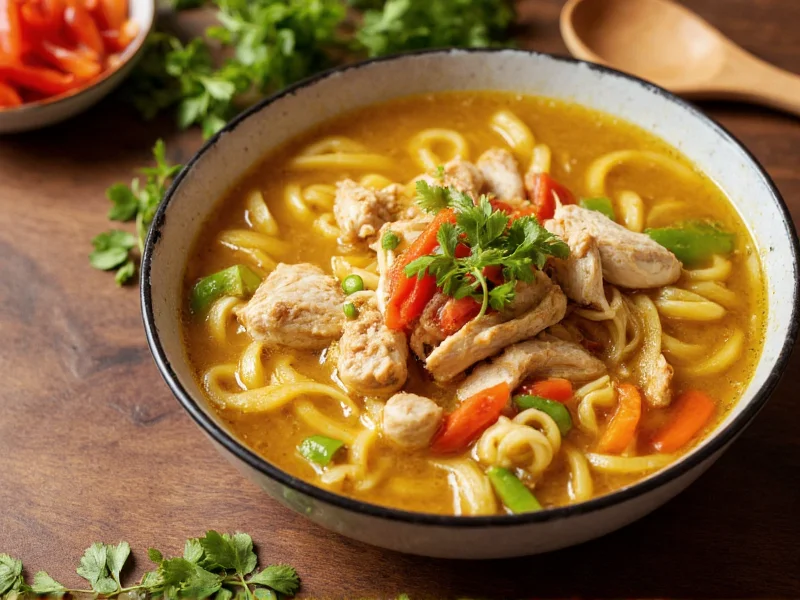
When to Serve (and When to Skip) This Soup
Okay, let's talk real talk about using Bun Bo Hue. After tasting it everywhere from street stalls to Michelin spots, here's my gut check:
- 🔥 Serve it when: You need serious comfort on a rainy day, want to impress fellow foodies with Central Vietnamese flavors, or crave something hearty after hiking. That collagen-rich broth (thanks to pig's feet!) is legit restorative.
- 🚫 Skip it when: Your crew hates spice (it's supposed to burn a little), you're serving kids under 10, or avoiding pork. Also? Don't serve it as "mild"—it defeats the purpose. As Street Food Guy admits, even some Vietnamese avoid it during pregnancy due to the heat.
Fun fact: Western chefs used to ditch pig's blood cubes for "cleaner" versions. But now? Top spots like i am a food blog champion it for authenticity. Texture's like firm tofu—give it a shot before judging.
Avoid These Rookie Mistakes
Here's where things go sideways, based on my kitchen fails:
- Skipping the shrimp paste simmer—It smells funky raw, but cooked? Magic. Without it, you're just making spicy beef soup. Trust the process.
- Using water instead of bone broth—I get it—bones take time. But Toronto Pho confirms the pork/beeft bone combo is non-negotiable for depth.
- Overloading herbs at the start—Banana blossom and mint go on top, not in the broth. Otherwise, they turn brown and sad.
Pro tip: Authentic Bun Bo Hue broth simmers 6+ hours. Rush it, and you'll taste the difference—like comparing canned soup to grandma's stew.
Everything You Need to Know
That gorgeous red color comes from chili oil made by frying dried chilies with lemongrass and shallots. As Hungry Huy explains, it's not just for color—it layers heat without bitterness. Pho skips this entirely, relying on clear bone broth. Fun fact: Some street vendors in Hue use annatto seeds for extra vibrancy.
Absolutely—and many modern spots do. The blood adds richness but isn't mandatory. As i am a food blog notes, tofu or extra pork hock work great. Just don't call it "inauthentic"—Hue home cooks adapt based on what's available. That said, try it once for the full experience!
It's meant to be spicy—like 3-4 chilies per bowl spicy. Central Vietnamese cuisine embraces heat, unlike pho's gentleness. But here's the hack: Restaurants serve extra chilies on the side so you control the burn. As Street Food Guy admits, even locals tone it down for tourists. Start mild, then ramp up.
Yep, but keep broth and noodles separate. Broth lasts 4 days refrigerated (fat layer seals it) or 3 months frozen. Noodles turn soggy if stored in liquid—so cool them first. Reheat broth to boiling before adding fresh noodles. Pro move: Freeze broth in ice cube trays for quick single servings.
Yes, naturally—if you use pure fish sauce (some brands add wheat). Rice noodles, bones, and veggies are GF. But always check fish sauce labels—Red Boat and Squid are safe bets. As Toronto Pho emphasizes, cross-contamination happens in restaurants, so ask about prep surfaces.
More Articles
 Ginger Garlic Sauce: Homemade Guide & Pro Tips
 Sausage Breakfast Ideas: Smarter Casseroles & Sodium Swaps
 Black Cumin vs Cumin: Stop the Confusion Now
 Best Global Spice Traditions for Essentials: Building a Culturally Grounded Pantry
 Bread Maker Cinnamon Buns: Foolproof Recipe & Pro Tips
 Crock Pot Cabbage Soup: No-Sweat Recipe & Timing Guide
 Turmeric in Indian Cooking: Real vs Fake Guide
 How to Label Spice Jars: A Simple System That Sticks
 Cream of Broccoli Cheddar Soup: Real Flavor, Not Just Cheese
 Pepper Steak Meat: Seasoning Secrets for Perfect Crust