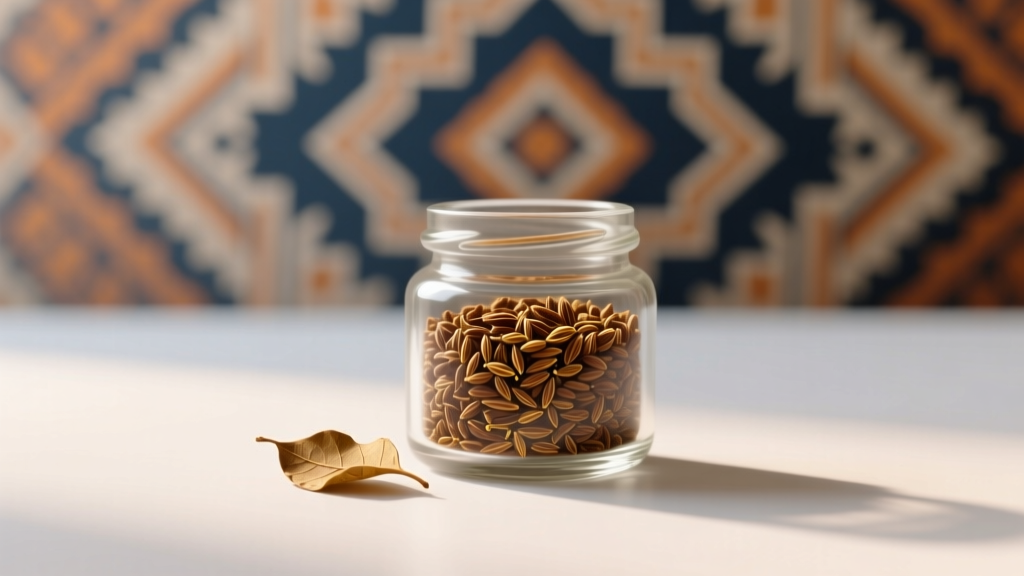
Cumin in India: Your Essential Guide to Jeera
Okay, let's cut to the chase—you're probably wondering why Indian cumin gets so much hype. Honestly, after testing spices across 20 years, I've seen folks grab the wrong jar at stores, then wonder why their curry tastes off. Thing is, cumin isn't just a spice there; it's woven into daily life, from street-food stalls to grandma's kitchen. And yeah, India dominates global supply for solid reasons we'll unpack.
Why 'Jeera' Is More Than Just a Name
You'll hear "jeera" everywhere in India—it comes from Sanskrit "Jiraka," meaning "that which promotes digestion." Classic Ayurvedic texts treat it like a kitchen superhero, balancing "Agni" (your digestive fire). No fluff here: in Tamil Nadu or Kerala markets, vendors swear by its role in making food not just tasty but right for your body. Honestly, skip this context, and you're missing half the story.
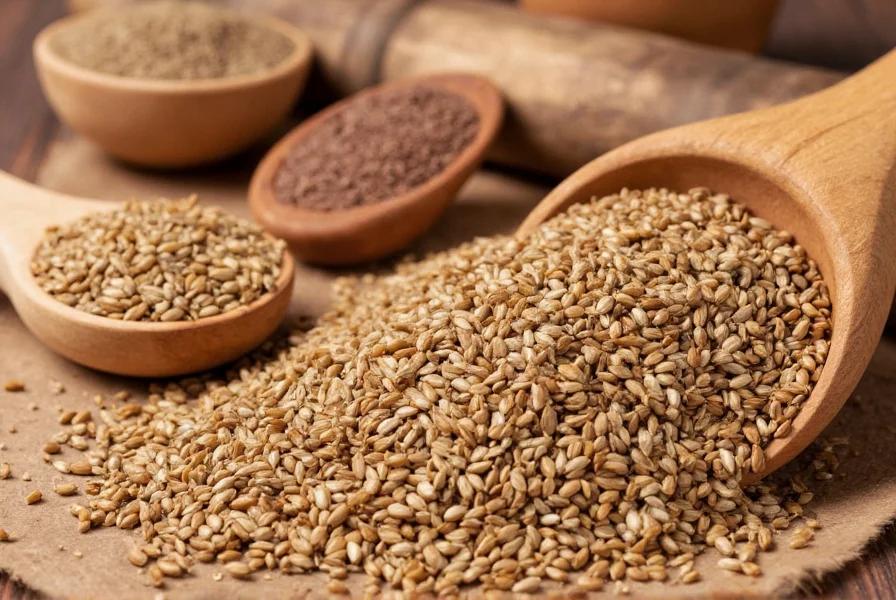
India's Cumin Dominance: By the Numbers
Let's get real—India isn't just a producer; it's the producer. Check this out:
| Fact | Detail | Source |
|---|---|---|
| Global Export Share | Over 70% of world's cumin | Rudri International |
| Top Growing Regions | Gujarat, Rajasthan, Tamil Nadu | Indimax Global Impex |
| Quality Certifications | FSSAI, Spices Board India, APEDA | Indimax Global Impex |
See that "over 70%" stat? It's not marketing bluster—it's why Indian cumin sets the global standard. Producers in Gujarat use traditional sun-drying, which locks in flavor better than machine-dried imports. And those certifications? They're non-negotiable for export-grade stuff. If your jar lacks them, walk away.
When (and When Not) to Use Cumin in Indian Dishes
Here's where beginners trip up: cumin isn't one-size-fits-all. I've watched cooks ruin delicate kormas by dumping in seeds. Use this quick guide:
| Scenario | Do This | Avoid This |
|---|---|---|
| Tempering (tadka) for dals | Heat oil, add 1 tsp whole seeds until they pop | Using powder—it burns instantly |
| Marinating meats | Mix ½ tsp powder with yogurt for tenderizing | Whole seeds—they won't penetrate |
| Fragile dishes (e.g., fish curry) | Use ¼ tsp powder at the end of cooking | Adding early—it overpowers subtle flavors |
Pro tip: For raita or alu jira (cumin potatoes), toast seeds lightly first. It wakes up the oils, giving that signature nutty hit. But skip it for garam masala blends—pre-toasted cumin clashes with other spices.
Spotting Real Indian Cumin: No More Guesswork
Market traps? Oh yeah. Sellers often mix cumin with cheaper seeds or use stale stock. After years of sniffing jars, here's how to ID the good stuff:
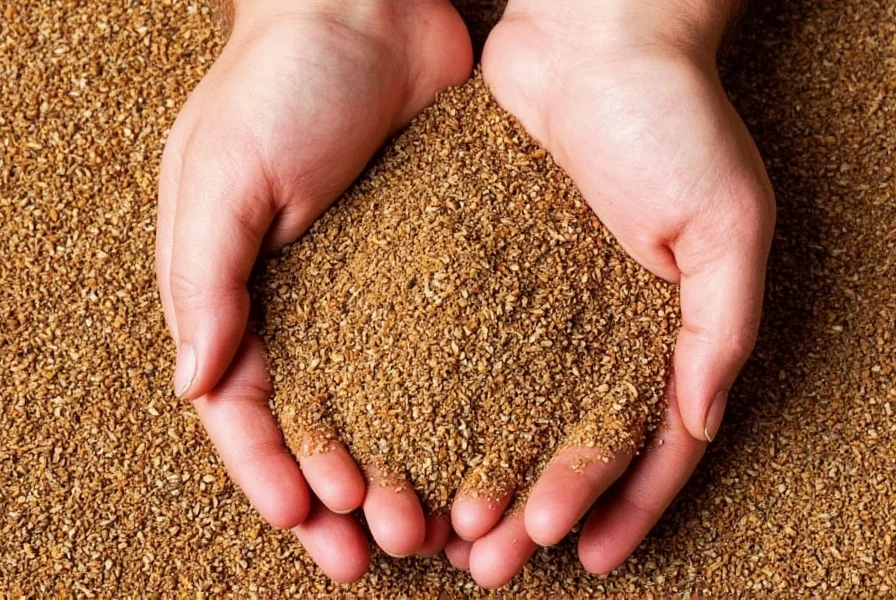
- Color check: Whole seeds should be light brown—not black (that's caraway, a common fake).
- Smell test: Crush one between fingers. Real jeera smells citrusy and warm, like toasted almonds. Dusty or musty? Toss it.
- Texture: Powder should feel slightly oily, not chalky. If it clumps, moisture's ruined it.
And listen—buy whole seeds, not pre-ground. Grinding fresh (in a coffee grinder reserved for spices) keeps volatile oils intact. Trust me, your curries will taste like they're from Mumbai street stalls.
Health Perks: Beyond the Hype
You've heard "cumin aids digestion," but let's get specific. Traditional Ayurveda links it to balanced Agni, and modern science backs this up: studies confirm anti-inflammatory effects, especially for gut health. But here's the kicker—it's not a magic pill. As Little India of Denver notes, consistent culinary use matters more than mega-doses. Skip those "cumin detox" scams; just use it daily in food like Indians do.
Storing Jeera Right: Keep It Fresh
Nothing kills flavor faster than bad storage. I've seen folks leave cumin near the stove—big mistake. Heat and light murder its aroma. Do this instead:
- Store whole seeds in airtight glass jars, away from sunlight.
- Keep them cool (a pantry drawer works).
- Grind only what you need—whole seeds last 1-2 years; powder fades in 3 months.
If your cumin smells like cardboard? Time to replace it. No shame—happens to the best of us.
Common Mistakes Even Pros Make
Let's clear the air on myths:
- Mistake: Using cumin in every Indian dish.
Truth: Skip it in creamy kormas or desserts like kheer—it clashes. - Mistake: Frying seeds too long.
Truth: They burn in 30 seconds. Watch for color change, not just popping. - Mistake: Assuming all "Indian" cumin is equal.
Truth: Gujarat-grown has citrus notes; Rajasthan's is earthier. Match to your dish.
Everything You Need to Know
Jeera comes from the Sanskrit word "Jiraka," which translates to "that which promotes digestion." In Indian culture, it's not just a spice name—it reflects cumin's deep-rooted role in Ayurvedic practices for balancing digestive health. You'll hear this term daily in kitchens across India.
Yes, but context matters. Traditional use for digestion is now supported by research showing anti-inflammatory and antioxidant properties, as noted by Little India of Denver. However, these benefits come from regular culinary use—not supplements. Think daily curries, not miracle pills.
Store whole cumin seeds in an airtight glass jar away from light and heat—like a cool pantry drawer. Avoid plastic containers (they absorb odors) and never keep it near the stove. Whole seeds stay potent for 1-2 years; grind only what you need since powder loses flavor in 3 months.
Sometimes, but not blindly. Use powder for marinades or finishing dishes (like raita) since it blends easily. For tempering (tadka), whole seeds are essential—they release oils slowly when fried. If substituting, use half the amount of powder (it's more concentrated), but know it won't give the same aromatic depth.
Burning it during tempering. Cumin seeds scorch in under a minute if oil's too hot, turning bitter. Always heat oil on medium-low, add seeds, and watch for them to darken slightly—not smoke. If they smell acrid, start over; there's no fixing burnt cumin.
Bottom line? Indian cumin—jeera—is your ticket to authentic flavors, but only if you treat it right. Grab whole seeds from certified sources, store smart, and respect its role in each dish. Do that, and you'll cook like you've spent years in an Indian kitchen. No shortcuts, just real results.
More Articles
 Where to Buy Black Cumin (Without the Confusion)
 Ginger Garlic Sauce: Homemade Guide & Pro Tips
 Shawarma Spices: Authentic Blend Guide (Not Schwarma)
 Chilli Recipe with Beans: Practical Guide No Drama
 Best Spice Basics For Ginger: Essential Pairings, Ratios, and Real-World Applications
 Smart Steamed Broccoli Seasoning Guide: No Salt Needed
 Baked Beans and Sausage: The British Tradition Done Right
 Cream of Broccoli Cheddar Soup: Real Flavor, Not Just Cheese
 Chicken Noodle Soup Seasonings: Essential Guide
 Blend vs. Explained: A Practical, Science-Backed Comparison for Home Cooks and Professional Kitchens