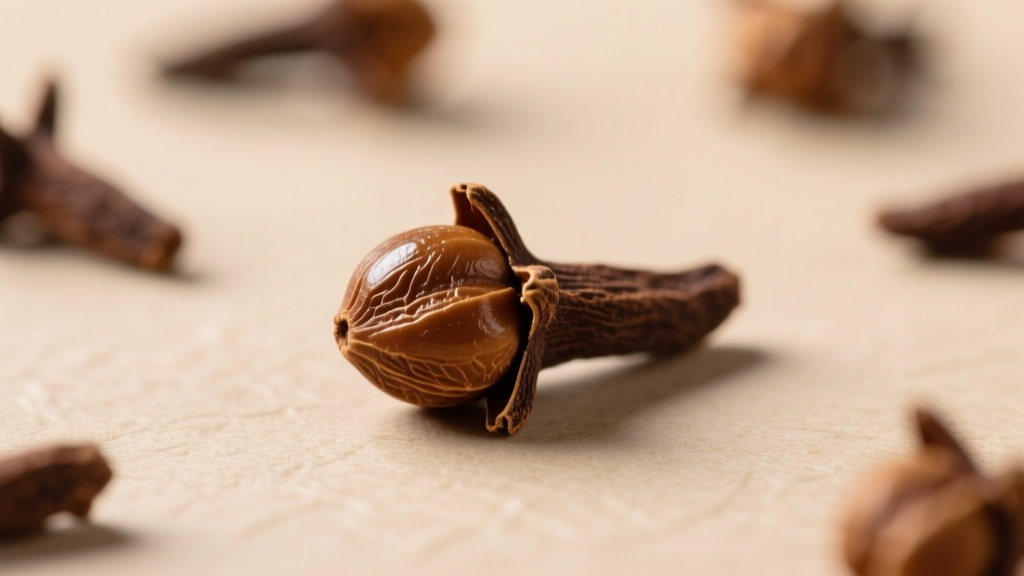
Whole Clove Spice: Cooking Uses and Quality Tips
Why Whole Cloves Deserve Your Spice Rack (Not Just the Back Shelf)
Look, I get it—you've probably grabbed ground cloves for pumpkin pie and called it a day. But whole cloves? They're a whole different beast. I've burned through more jars than I care to admit messing this up. See, grinding releases eugenol immediately, so that intense aroma vanishes in weeks. Whole buds lock it in for years. Honestly, that's why your grandma studded hams with them—slow heat draws out flavor gradually. Try that with powder? Total bitterness bomb.
When Whole Cloves Shine (and When They'll Ruin Your Dish)
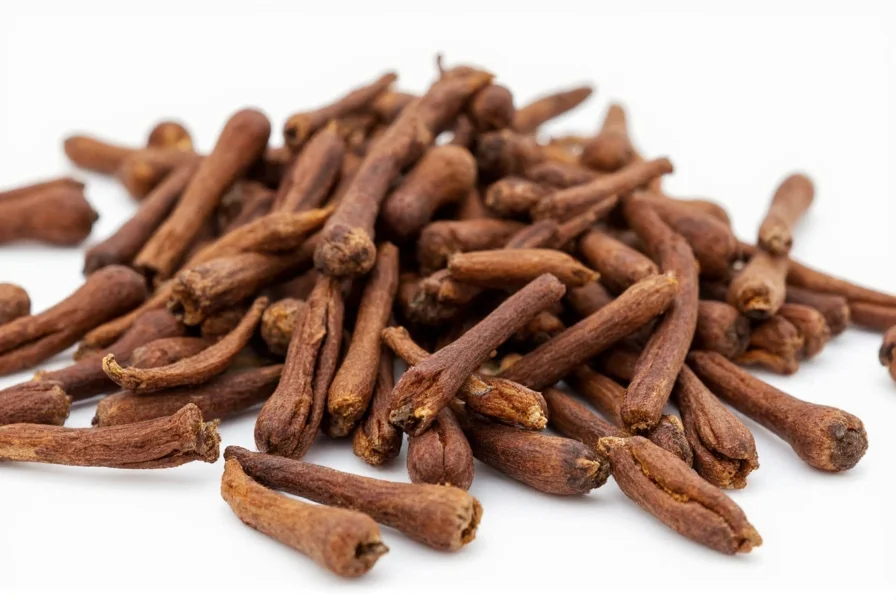
You know that "meh" feeling when a recipe just... misses? Often it's clove misuse. I've seen chefs dump ground cloves into chai and wonder why it tastes like medicine. Whole cloves? They're your slow-cook MVP. Think braises, poaching liquids, or mulled cider—anywhere liquid simmers for 30+ minutes. The heat gently coaxes out oils without overwhelming.
But avoid them like the plague in:
- Quick bakes (cookies, cakes): They won't dissolve, leaving sharp bites
- Dry rubs: Impossible to chew through—use ground instead
- Blended sauces (like hummus): You'll choke on unground bits
Pro tip: Always remove whole cloves before serving. Trust me, biting into one mid-sip of cider? Not fun.
Spotting Real Cloves vs. Cheap Fakes (Because Adulteration Is Wild)
Here's the ugly truth: Up to 30% of clove products mix in stalks or "exhausted" buds (boiled-down leftovers with zero flavor). I learned this the hard way after a bland biryani disaster. Science-backed checks you can do:
| Test | Real Cloves | Fake/Adulterated |
|---|---|---|
| Smell | Bright, sweet-pungent (like fresh cloves) | Weak or musty (stalks smell like twigs) |
| Float Test | Stand upright in water (dense buds) | Float sideways (lightweight stalks) |
| Oil Stain | Leaves oily ring on paper (eugenol-rich) | No stain (exhausted buds) |
For hardcore verification, labs use near-IR spectroscopy—but honestly, the float test catches 90% of fakes. If stalks dominate, that "clove" jar is basically wood shavings.
Real Talk: Cultural Uses You Won't Find on Labels
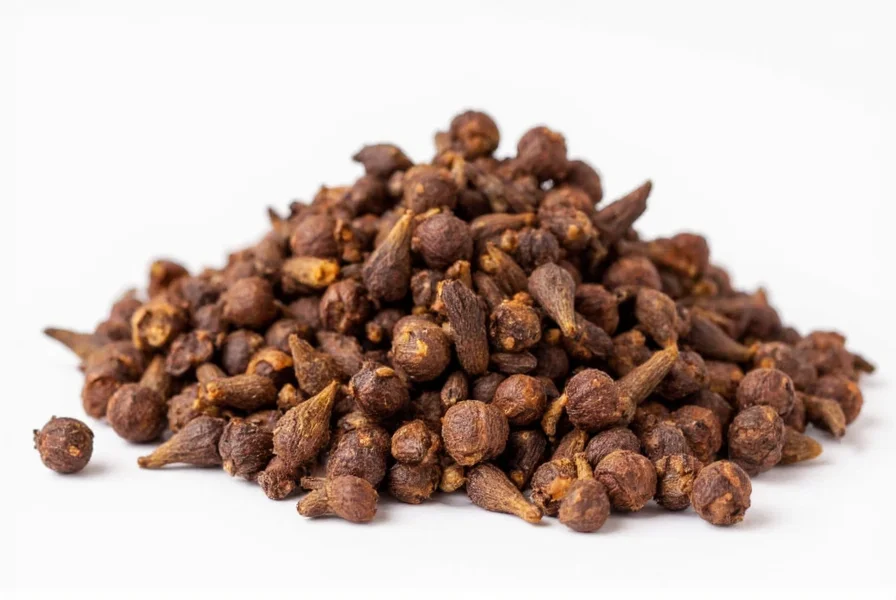
Forget generic "spice blend" advice. In my travels, I've seen whole cloves used in ways that'd make foodies sweat:
- Indonesia: Whole cloves in kreteks (cigarettes)—yes, really. The eugenol acts as a mild anesthetic.
- India: Pressed into onion halves for biryanis. Pulls out sweetness without grit.
- Morocco: Simmered in lamb tagines with dried limes. Ground cloves? Never—it'd turn sour.
Point is: Whole cloves aren't just "stronger." They're texture carriers. That's why Sonshine Kitchen nails it—they're for infusions, not direct consumption.
Storage That Actually Works (No More Dusty Jars)
You're probably storing cloves wrong. In airtight jars? Good start. But skip the spice drawer—it's a heat trap. I keep mine in the freezer (yes, freezer!). Moisture ruins ground cloves fast, but whole buds? They laugh at frost. Pull out what you need, and they'll stay potent for 3+ years. Tried this for my holiday mulled wine prep—flavor was insane even after 24 months.
FAQ: Everything You Need to Know
No—never chew or swallow whole cloves. They're rock-hard and can damage teeth or cause choking. Always remove them before serving dishes. The FEMA GRAS assessment confirms cloves are safe as flavorings when used correctly (i.e., infused then discarded), but whole buds pose physical risks.
Whole cloves keep flavor for 3-4 years in cool, dark places (or indefinitely frozen). Ground cloves? Max 6 months—they lose 70% of eugenol in 180 days. That's why nutrition-and-you.com stresses: grind only what you need. I learned this when my "year-old" ground cloves made chai taste like dirt.
Rarely—and never 1:1. Use ¾ tsp ground for every 6 whole cloves, but only in fast-cooked dishes (like cookies). For slow simmers? Skip it. Ground cloves dump all eugenol at once, turning sauces bitter. As Sonshine Kitchen notes: "Whole = gradual infusion; ground = instant punch." Mess this up, and your beef bourguignon becomes cough syrup.
Yes, but context matters. Per nutrition-and-you.com, whole cloves are packed with antioxidants (eugenol, flavonoids) that reduce inflammation—but you'd need to eat 5+ buds daily for effects. Realistically? Their value is culinary. Don't chug clove tea for "cures"; the FEMA GRAS report confirms safety only at typical cooking doses (under 2.5g/day).
Two tricks: First, buy from brands listing origin (e.g., "Zanzibar cloves")—adulterated batches rarely specify. Second, do the float test: Real cloves stand upright in water; stalk-heavy fakes float sideways. If a deal seems too good ($5 for 100g?), it's likely mixed with clove stalks. I stick to Penzeys or local spice shops—they batch-test for purity.
Bottom Line: Use Whole Cloves Like a Pro
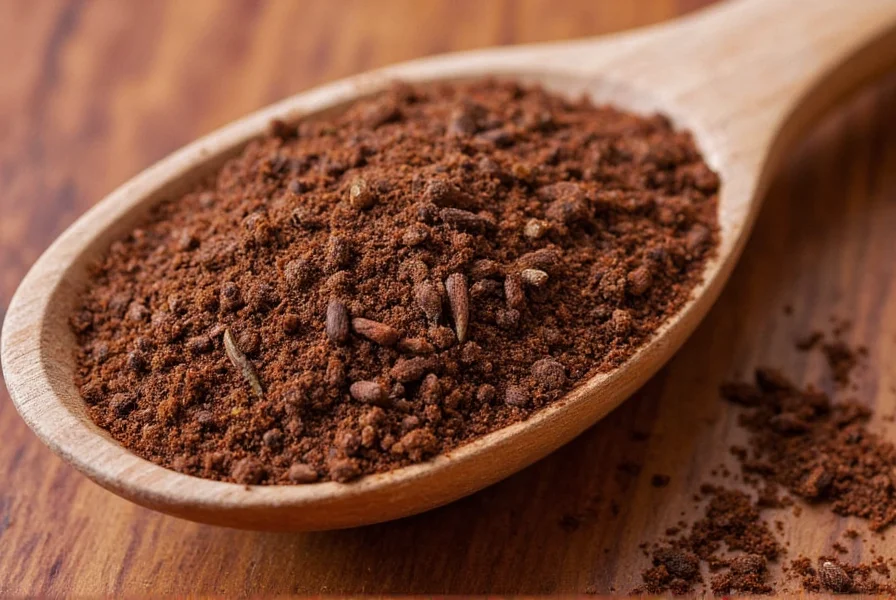
Here’s my no-BS takeaway after 20 years: Keep whole cloves for slow infusions only—anything under 20 minutes simmering? Reach for ground. Store them frozen in glass jars (plastic absorbs oils). And for heaven's sake, ditch that dusty jar from 2019. Real cloves should smell like a warm hug, not old socks. Do this, and your stews, ciders, and holiday dishes will taste legit. Anything else? You're just playing with fire—or worse, blandness.
More Articles
 Shawarma Spices: Authentic Blend Guide (Not Schwarma)
 Chicken Noodle Soup Seasonings: Essential Guide
 Steak Seasoning Guide: Dried Herbs That Complement Beef
 Classic Cinnamon Scone Recipe: Flaky Texture in 30 Minutes
 Cinnamon Roll Cookies: Quick Guide to Perfect Swirls
 Cumin in India: Your Essential Guide to Jeera
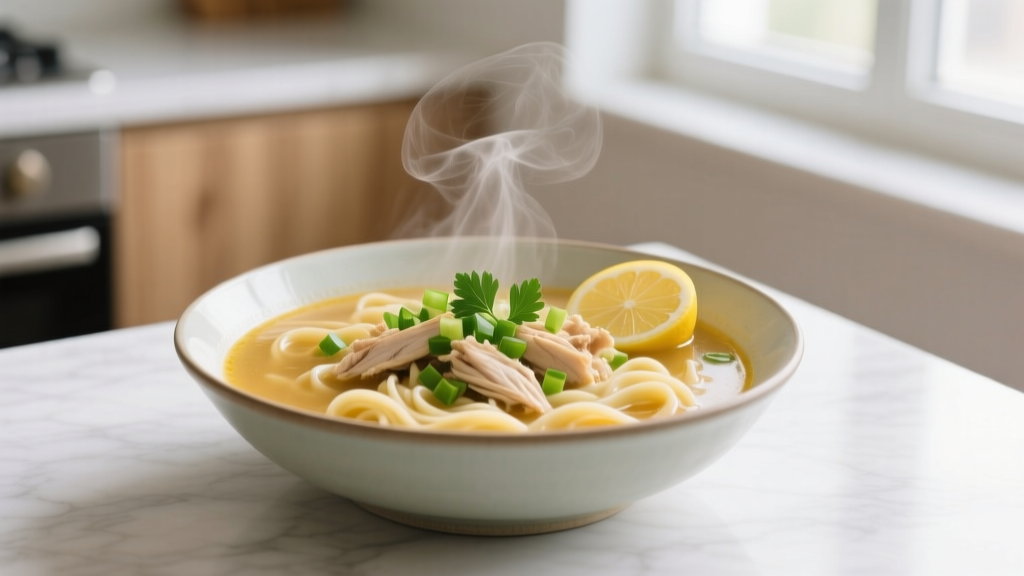 Chicken Noodle Soup from Scratch (2026)
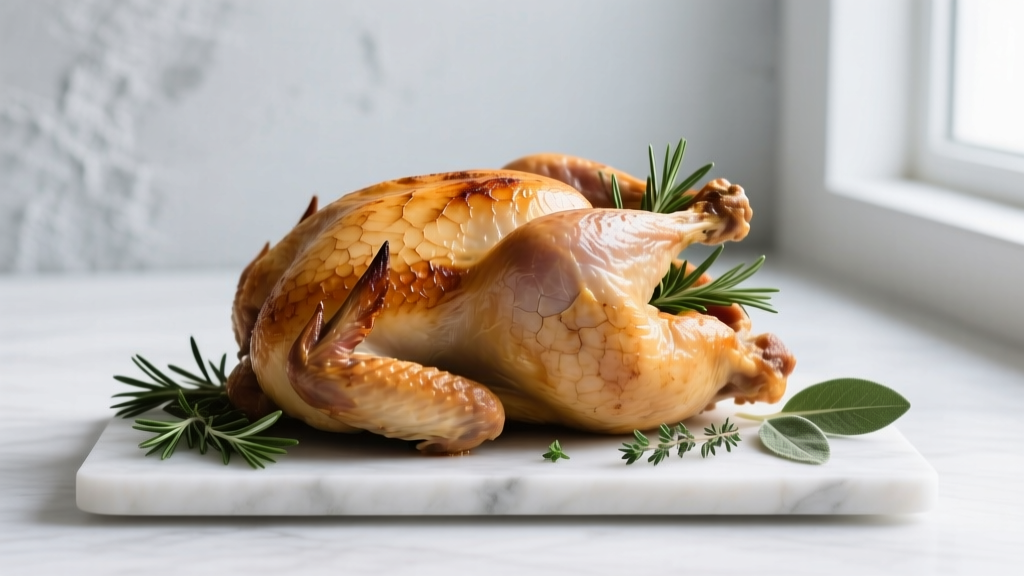 Herb Roasted Chicken Recipe: Crispy Skin, Juicy Meat
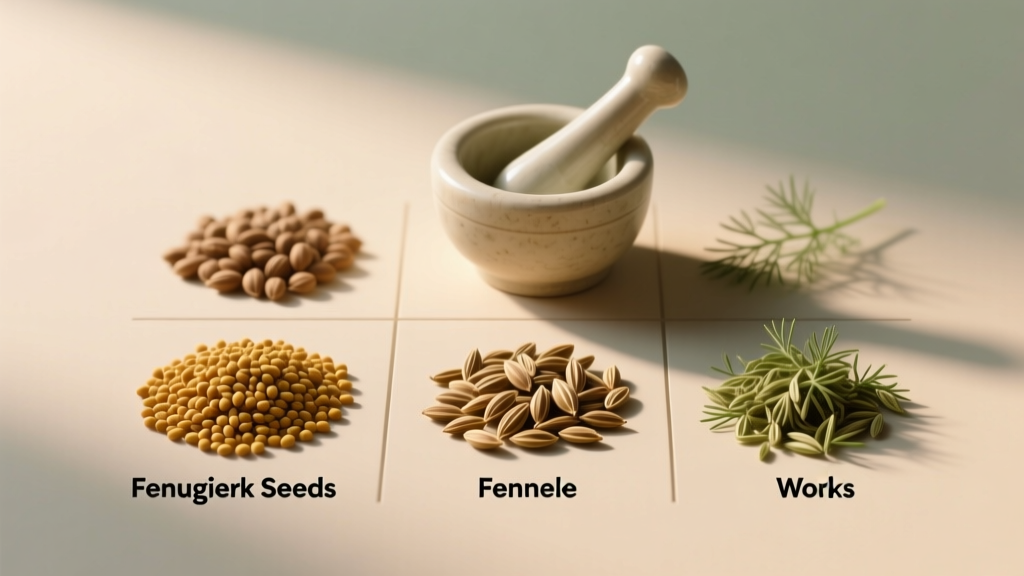 Fenugreek Seeds Replacement: Reliable Substitutes That Work
 Bread Maker Cinnamon Buns: Foolproof Recipe & Pro Tips