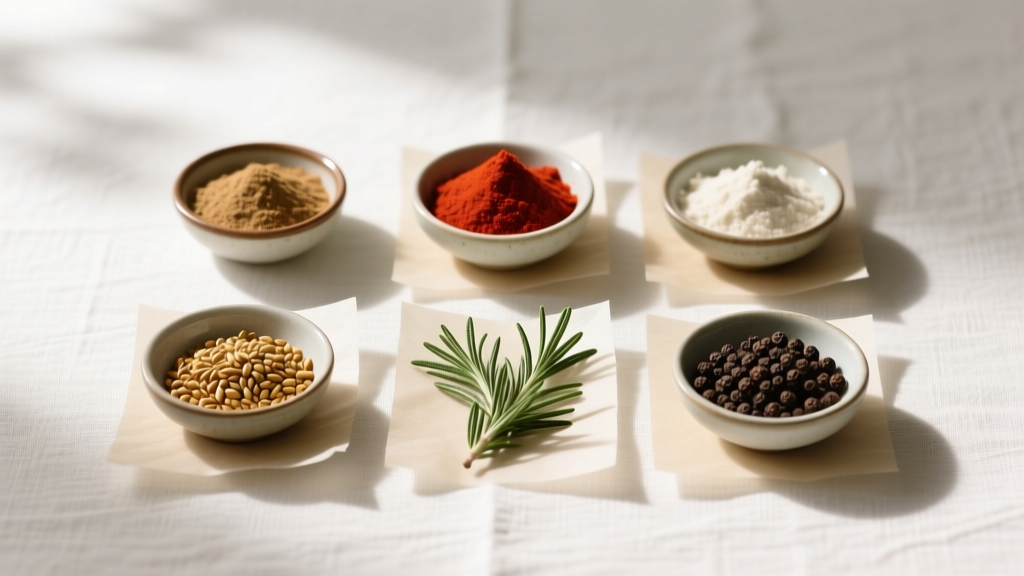
Proven Spices for Pork: What Actually Works
Why Some Spices Just Click With Pork
Here's the thing: pork's high-fat profile acts like a flavor sponge. Compounds in spices like thymol (found in thyme) and piperine (in black pepper) dissolve smoothly into that fat, creating depth without harshness. But overpowering spices? They'll dominate instead of complement. Think of it like this—pork's the lead singer; spices should be the backup band, not stealing the mic.
| Spice | Best For | When to Avoid | Pro Tip |
|---|---|---|---|
| Smoked paprika | Grilled chops, pulled pork | Delicate loin roasts | Toast whole peppers first for deeper flavor |
| Garlic powder | All cuts, especially ground pork | Raw applications (use fresh garlic) | Mix with oil before rubbing to prevent burning |
| Caraway seeds | German-style roasts, sauerkraut pairings | Asian-inspired dishes | Dry-toast seeds to unlock earthy notes (more on this here) |
| Cumin | Carnitas, smoked shoulder | Light pan sauces | Use sparingly—it overpowers fast |
| Fennel seeds | Italian sausage, porchetta | With strong herbs like rosemary | Crushed seeds blend better than whole |
Cooking Method Changes Everything
Honestly, I see home cooks make this mistake daily: using the same spice mix for grilled chops and slow-cooked belly. Big no-no. High-heat methods? Go bold with cumin or smoked paprika—they caramelize beautifully. But for slow roasts, gentle spices like thyme or marjoram shine. And here's my rule: never add dried herbs during the last 30 minutes of slow cooking—they turn bitter. Timing is everything.
Spotting Quality Spices (And Dodging Traps)
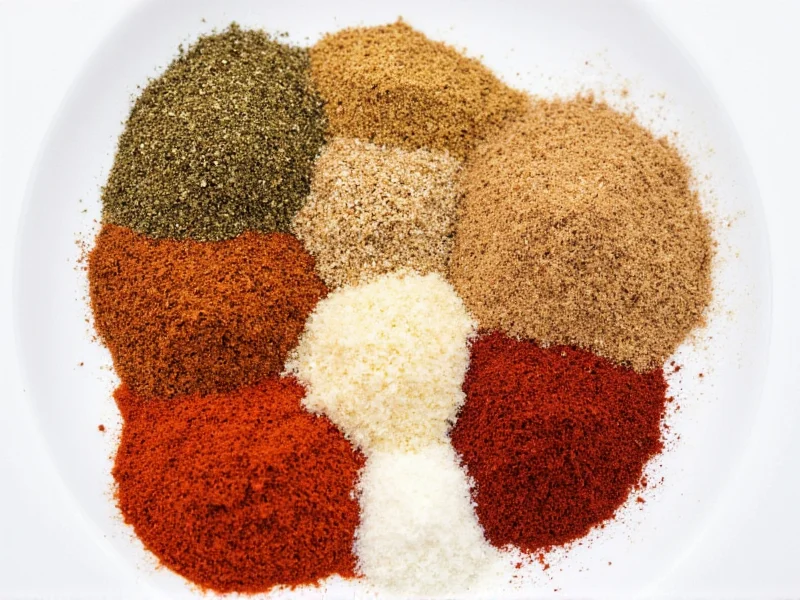
Let's talk freshness—because stale spices ruin everything. Give your paprika a sniff test: vibrant aroma means good quality. If it smells dusty? Toss it. Pro move: buy whole spices (like coriander seeds) and grind them yourself. Saves money too—pre-ground versions often contain fillers like rice flour. Oh, and avoid "gourmet" blends labeled "for pork"—they're usually just salt bombs. Stick to single-ingredient spices for control.
That Caraway Seed Tradition You've Heard About
You might wonder why caraway keeps popping up in pork recipes. It's not random—it's deeply rooted in German culinary tradition, especially for New Year's dishes like pork with sauerkraut. As documented here, this pairing symbolizes prosperity (pigs root forward, representing progress). The seeds' earthy warmth cuts through sauerkraut's tang perfectly. But skip them for non-traditional dishes—they clash badly with Asian or Mexican flavors.
3 Costly Mistakes I've Seen Too Many Times
- Over-salting pre-rubbed meats: Many store-bought pork cuts already contain salt solutions. Add salt separately only if your package says "unenhanced"
- Mixing wet and dry rubs too early: Sugar in rubs burns fast on grills. Apply sugary blends only in the last 15 minutes
- Ignoring cut differences: Tenderloin needs lighter spices than shoulder—its delicate texture gets overwhelmed
Everything You Need to Know
Bitterness usually comes from burnt spices—especially sugar-based rubs on high heat. Always apply sugary blends during the last 15 minutes of grilling. Also, never use pre-ground spices older than 6 months; their volatile oils degrade into bitter compounds.
Keep whole spices (like peppercorns) in airtight jars away from light—they stay fresh 2-3 years. Ground spices? Use within 6 months. Never store above the stove; heat kills flavor compounds. Pro tip: freeze bulk purchases in vacuum-sealed bags.
Yes, but adjust ratios—dried herbs are 3x more potent. For rosemary, use 1 tsp dried instead of 1 tbsp fresh. Never substitute dried basil for pork though; it turns metallic. Stick to hardy dried herbs like thyme or oregano for roasts.
Cumin works great for fatty cuts like shoulder (it loves fat), but avoid it on lean tenderloin—it overwhelms delicate meat. Chili powder? Only use mild versions; hot blends clash with pork's sweetness. For chops, stick to smoked paprika instead.
Caraway's earthy notes cut through rich pork fat perfectly—especially in German traditions like New Year's pork with sauerkraut. As this cultural deep dive explains, it symbolizes prosperity. But skip it for non-traditional dishes—it clashes with citrus or Asian flavors.
More Articles
 Saffron Source: Origins, Authenticity & Smart Buying Guide
 Buttermilk Chicken Recipe: Crispy, Juicy Results Every Time
 Andouille Sausage Substitutes for Cajun Dishes
 Healthy Chicken Noodle Soup Recipe: Nutrition-Focused Guide
 Classic Cinnamon Scone Recipe: Flaky Texture in 30 Minutes
 Aussie Sausage Rolls: Authentic Recipe, History & Pro Tips
 Italian Sausage Recipes: Simple Meals You'll Love
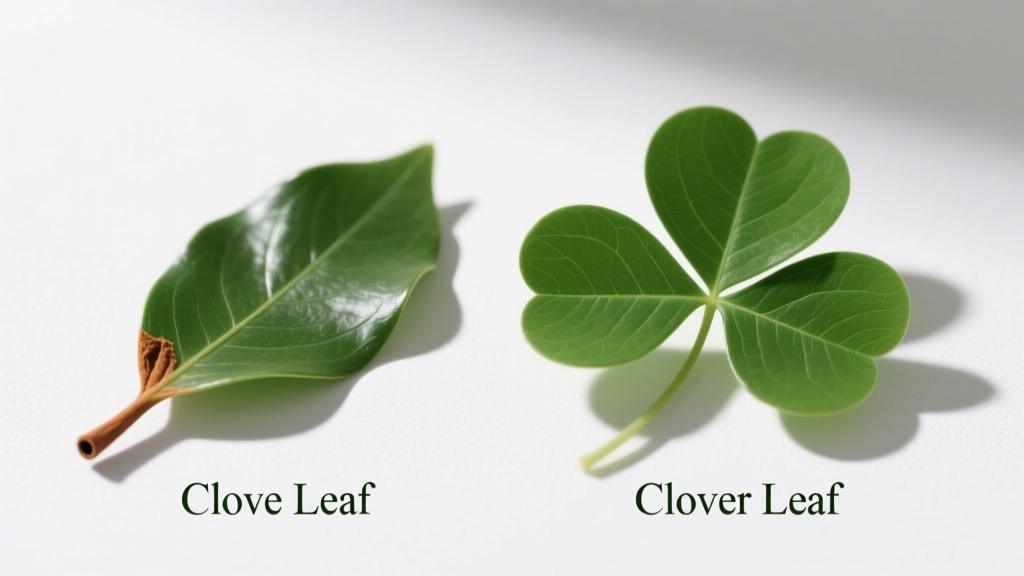 Clove Leaf vs Clover Leaf: Clearing the Confusion
 How to Season Beef: Simple Steps for Perfect Flavor
 Baked Beans and Sausage: The British Tradition Done Right