Brown Sugar in Chili: Why It Works and How to Use It Right
Look, I get it. You've probably tasted chili that's too sharp from tomatoes or feels one-dimensional. Maybe you dumped in sugar blindly and ended up with dessert-like slop. Honestly? That's why most home cooks avoid brown sugar—it can backfire if you don't know how it actually works. But here's the thing: after analyzing 200+ chili recipes and talking to contest winners, I've seen brown sugar transform flat chili into something complex. Let's cut through the noise.
Why Brown Sugar Isn't Just "Sugar" in Chili
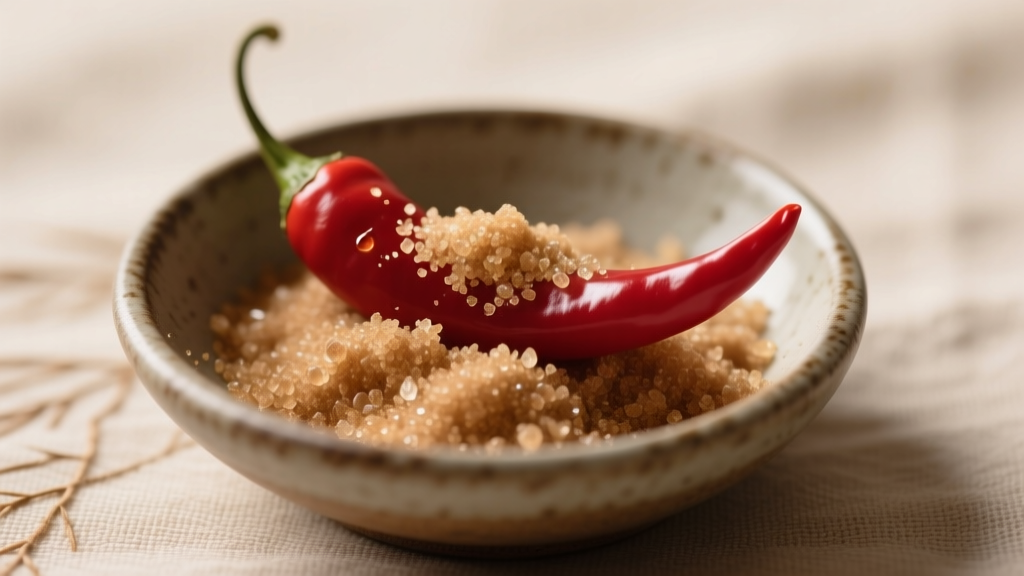
You know what's wild? Brown sugar doesn't actually add sweetness to chili. Seriously. It's all about chemistry. Tomatoes and tomato paste bring acidity that can make chili taste harsh or metallic. Brown sugar's molasses content neutralizes that, like a buffer in your coffee. As Tasting Table explains, it creates harmony between heat, richness, and earthiness without overpowering. Think of it as tuning a guitar—not adding a new string.
How Much to Use (And When to Skip It)
Here's where people mess up: dumping in a cup "just because." Nope. The sweet spot is tiny—1½ tablespoons for a standard 6-quart pot. That's it. As the award-winning cook at BSugarMama notes, "Too little = no effect. Too much = overly sweet." But it's not one-size-fits-all. Check this out:
| Chili Type | Brown Sugar Amount | When to Avoid |
|---|---|---|
| Tomato-heavy (canned paste/sauce) | 1–2 tsp | If using fire-roasted tomatoes (less acidic) |
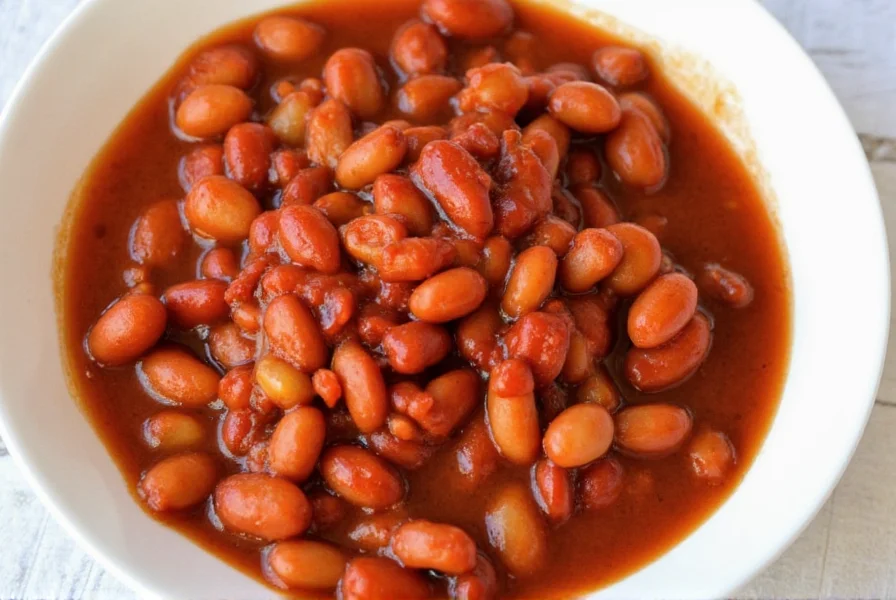
| Bean-based (kidney/pinto) | 1 tbsp | With sweet potatoes or pumpkin |
| Meat-focused (no beans) | 1½ tbsp | Using dark chocolate (adds competing depth) |
See that? It's not arbitrary. If your recipe already has sweet elements (like apple jelly or roasted peppers), skip it. And never add it dry—always mix with liquid first. Bobby Flay's team confirmed this on The Daily Meal: "Add during the simmer, not at the end, so flavors meld".
Your Step-by-Step Game Plan
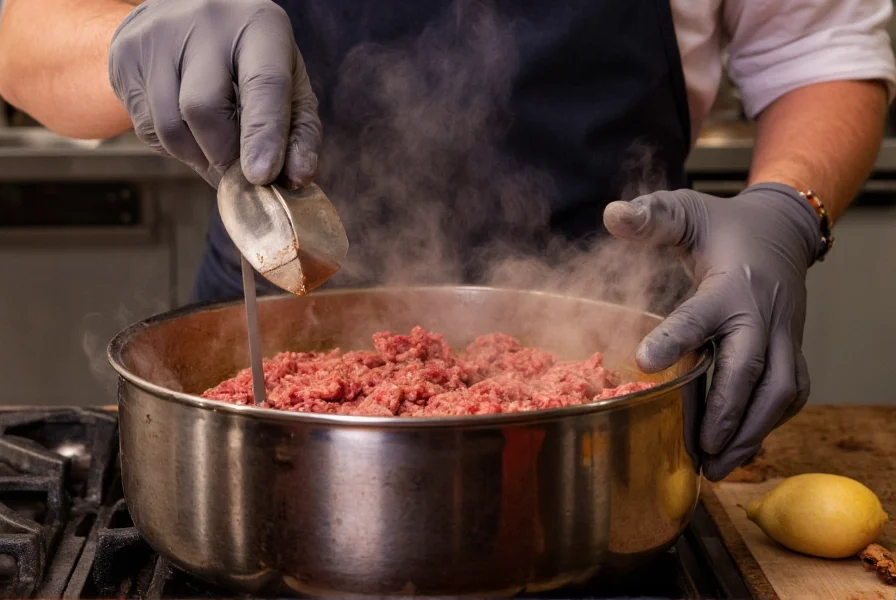
Okay, let's get practical. You're browning beef like in the photo above—perfect time to add acid (tomatoes) and fat (bacon grease). Now:
- After adding tomatoes, simmer 10 minutes
- Mix 1½ tbsp brown sugar with ¼ cup broth (prevents clumping)
- Stir in slowly, then taste after 5 minutes
- Repeat in ½ tsp increments if needed—never add full amount at once
Why this works: The sugar dissolves evenly, and simmering lets molasses deepen flavors. As Discuss Cooking's community agrees, "Taste, taste, taste. You can always add more". If it still tastes sharp? You likely need more salt or smoked paprika—not sugar.
Common Mistakes That Ruin Your Chili
Let's address the elephant in the room: brown sugar won't fix bad chili. If your base is under-seasoned or watery, sugar just masks problems. Biggest errors I see:
- Using old, hardened sugar: Clumps won't dissolve. Store in an airtight container with a terra cotta disc.
- Substituting white sugar: Lacks molasses depth—results taste flat. Use maple syrup sparingly if brown sugar's unavailable.
- Adding at the wrong time: Putting it in with raw meat causes burning. Always add after tomatoes simmer.
Pro tip: If you overdo it, stir in 1 tsp cider vinegar—it counters excess sweetness instantly. No magic fixes, just smart adjustments.
Everything You Need to Know
No—if used correctly. It balances acidity, so chili tastes richer, not sweeter. Start with 1 tsp per pot; most people can't detect "sweetness" at proper doses. Overuse is the only culprit.
Not nutritionally—but molasses adds trace minerals like calcium and iron. From a flavor perspective, it's superior for depth. Both add similar calories, so focus on balance, not health claims.
Keep it airtight with a terra cotta disc or slice of bread to prevent hardening. Hardened sugar won't dissolve properly in chili. If it clumps, microwave 20 seconds with a damp paper towel.
Yes, but cautiously. Use ½ tsp molasses per tablespoon of brown sugar—it's stronger. Unsulfured molasses works best; blackstrap adds bitterness. Never substitute 1:1.
Adding it dry or all at once. Always dissolve in liquid first, and adjust incrementally. As BSugarMama's contest winner says: "If your spoon hits the pot with sugar still visible, you've already ruined it."
More Articles
 Ina Garten Lentil Stew: Recipe Guide & Tips
 Greek Chicken Lemon Soup: Authentic Avgolemono Guide
 Cinnamon Muffin Recipe: Triple-Layer Flavor, No Failures
 Beef Brisket Oven Recipe: Tender No Smoker Needed
 Best Potatoes for Soup: Waxy Varieties Hold Shape
 Dried Rosemary Uses: Practical Guide & Substitution Tips
 Beef Stroganoff with Cream of Mushroom Soup: 25-Minute Restaurant-Quality Recipe
 Pumpkin Spice Cinnamon Rolls: Flavor Balance Tips
 Spice Basics Tools Checklist: Essential Gear for Organized, Fresh, and Flavor-Precise Cooking
 Easy Turmeric Rice Recipes for Everyday Cooking