Turmeric in Indian Cooking: Real vs Fake Guide
Why Turmeric Isn’t Just "Yellow Dust" in Indian Kitchens
Look, I’ve burned enough curries to know: turmeric isn’t some afterthought spice. It’s the quiet hero that makes dal tadka hit right and gives biryani that sunset glow. But here’s what nobody tells you—most turmeric powder you buy is adulterated. Seriously. Studies show up to 60% of commercial turmeric contains chalk, metanil yellow dye, or even sawdust. That’s why your "curry" tastes like sidewalk chalk. Trust me, I’ve been there.
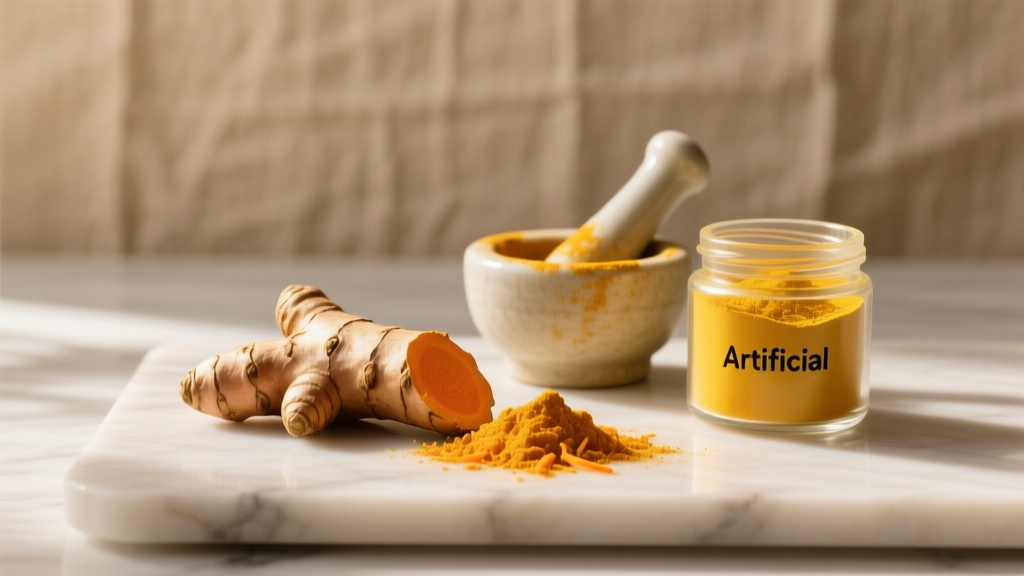
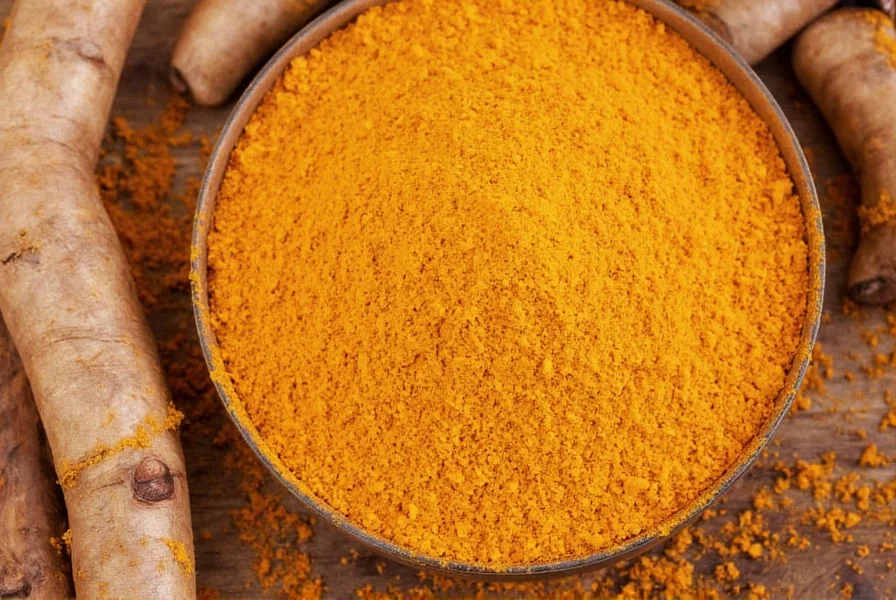
Real turmeric? It’s a rhizome (like ginger), native to India for 4,000 years. When Vedic cooks used it, they weren’t chasing Instagram colors—they knew its earthy-bitter punch binds flavors. And yeah, it’s called "Indian saffron" for a reason—it’s that precious. But skip the cheap stuff; Lakadong turmeric from Meghalaya (with 9-12% curcumin) is the gold standard. Standard powder? Usually 3-5%. That gap? It’s why your curry feels flat.
Spot Fake Turmeric: 3 Kitchen-Tested Hacks
You don’t need a lab. Do this while your onions fry:
| Test | Real Turmeric | Fake Turmeric |
|---|---|---|
| Water Test | Stains water golden-yellow (slowly) | Instant murky color (dyes) |
| Smell Test | Earthy, slightly peppery (like damp soil) | Chemical odor or nothing |
| Taste Test | Bitter upfront, warm aftertaste | Bland or chalky |
Source: Rooted Peepul’s adulteration guide and Rivaya Heritage’s purity tests.
When to Use (and When to Skip) Turmeric in Indian Dishes
Not every dish needs it. I’ve seen beginners dump turmeric into everything—big mistake. Here’s the street-smart breakdown:
- Use generously: Dals, vegetable stir-fries (sabzi), rice dishes. It’s non-negotiable for haldi doodh (golden milk).
- Use sparingly: Creamy curries (butter chicken, korma). Too much = bitter aftertaste.
- Avoid entirely: Desserts (like gulab jamun), fresh chutneys. Turmeric’s earthiness clashes with sweetness.
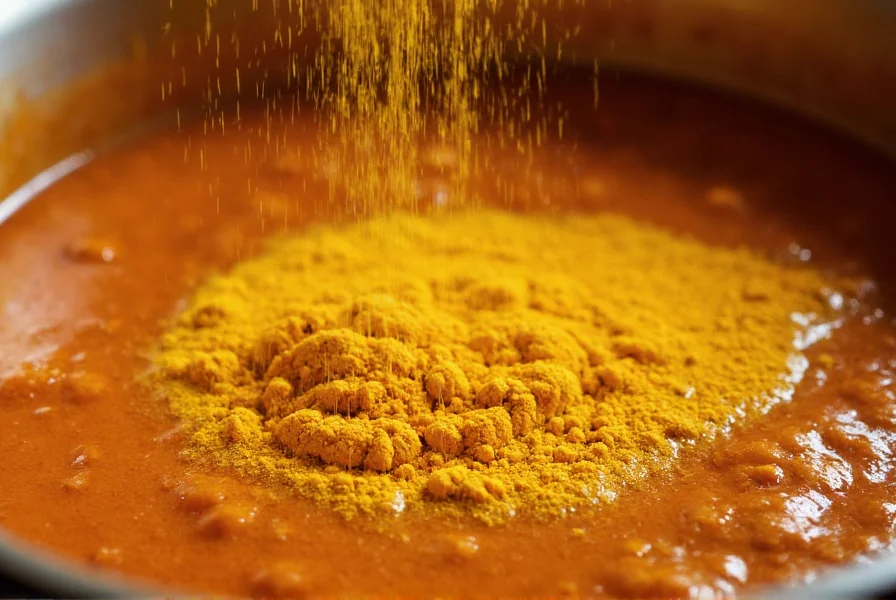
Pro tip: Always fry turmeric in oil for 30 seconds before adding liquid. Raw turmeric tastes dusty. Cooked in fat? That’s when its flavor blooms. And yes—black pepper isn’t optional. Piperine in pepper boosts curcumin absorption by 2,000%. No pepper = wasted health benefits. Period.
The Cultural Weight You’re Ignoring
Turmeric isn’t just food—it’s woven into Indian life. In weddings, brides get a haldi ceremony where turmeric paste brightens skin (and wards off evil spirits, per tradition). Ayurveda’s used it since 500 BCE for inflammation. So when you skip real turmeric, you’re not just messing up flavor—you’re sidelining centuries of wisdom. Kinda heavy, right?
Everything You Need to Know
Adulteration is rampant—60% of commercial turmeric contains chalk or dyes. Real turmeric has a distinct earthy bitterness. Do the water test: real turmeric stains water slowly; fakes turn it murky instantly. Always buy from trusted Indian brands or Lakadong-specific sellers.
Technically yes, but you’re wasting curcumin’s potential. Piperine in black pepper boosts absorption by 2,000%. Without it, 75% of curcumin passes through your system unused. A pinch takes zero effort—just do it.
Whole roots last 2 weeks refrigerated in a paper bag (no plastic—it traps moisture). Powder? Airtight jar in a dark cupboard. Light and air kill flavor fast. Pro move: freeze powder for 6+ months. Just don’t let steam hit it—clumping city.
For brightness, yes—fresh has citrusy notes. But powder’s earthier depth is irreplaceable in dals and curries. Chefs use both: fresh for marinades, powder for base gravies. Never substitute 1:1 though. 1 inch fresh ≈ 1 tsp powder. Trust me, I’ve ruined rice with that math.
Curcumin—the active compound—is a natural dye. It binds to proteins (like your cutting board or nails). To remove stains: rub with lemon juice + salt, or soak in vinegar. Prevention? Wear gloves and use glass/ceramic bowls. Stainless steel helps, but plastic? Good luck.
Bottom line: Real turmeric transforms dishes from "meh" to magical. Skip the chalky imposters, fry it right, and pair with pepper. Your curry—and your body—will thank you. Now go rescue that dal from blandness.
More Articles
 Healthy Chicken Noodle Soup Recipe: Nutrition-Focused Guide
 Fenugreek Seeds Replacement: Reliable Substitutes That Work
 Chicken Noodle Soup Seasonings: Essential Guide
 Chili Powder Substitute: Reliable Replacements (2026)
 Bun Bo Hue: Vietnam's Spicy Noodle Soup vs Pho
 Simple Veggie Noodle Soup Recipe for Busy Nights
 Buttermilk Chicken Recipe: Crispy, Juicy Results Every Time
 Spice Storage Methods and the 7 Most Common Mistakes Home Cooks Make (Backed by Lab Data)
 Tandoori Recipe: Authentic Flavor at Home Without Clay Oven
 Beef Stew Spices Guide: Proven Blends for Rich Flavor