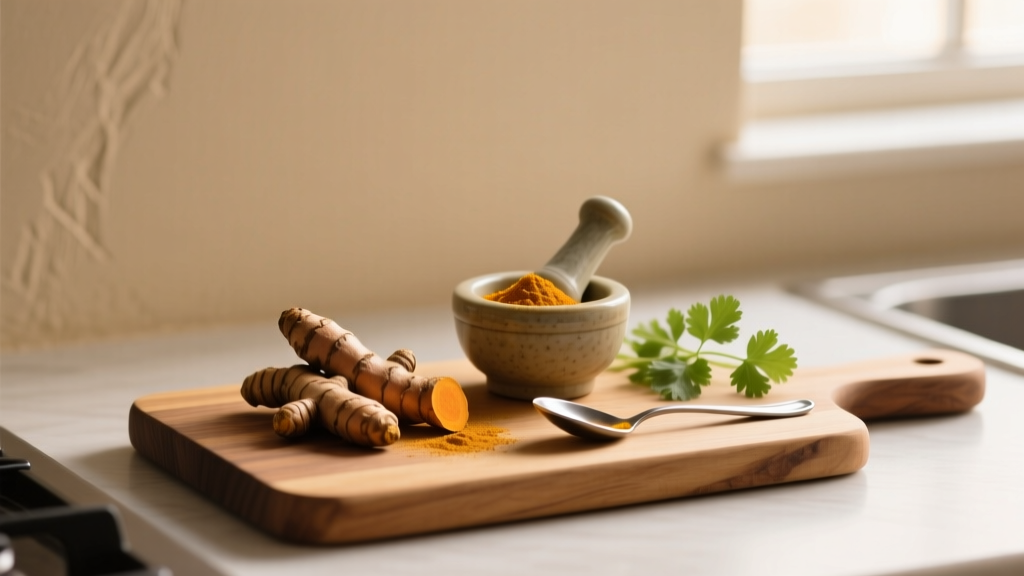
How to Cook with Turmeric: Practical Guide & Pro Tips
Why Turmeric Frustrates Home Cooks (And How to Fix It)
Let's be real—most of us have ruined a white apron or ended up with bitter-tasting rice after tossing in turmeric. I've been there too, back when I thought it was just "that yellow stuff in curry." Truth is, turmeric's tricky because it's not actually about the spice itself. It's about how you combine it. See, curcumin—the active compound—barely gets absorbed unless you do two things: add black pepper and some fat. Mess this up, and yeah, you'll just get pretty yellow dishes with zero health perks. Annoying, right?
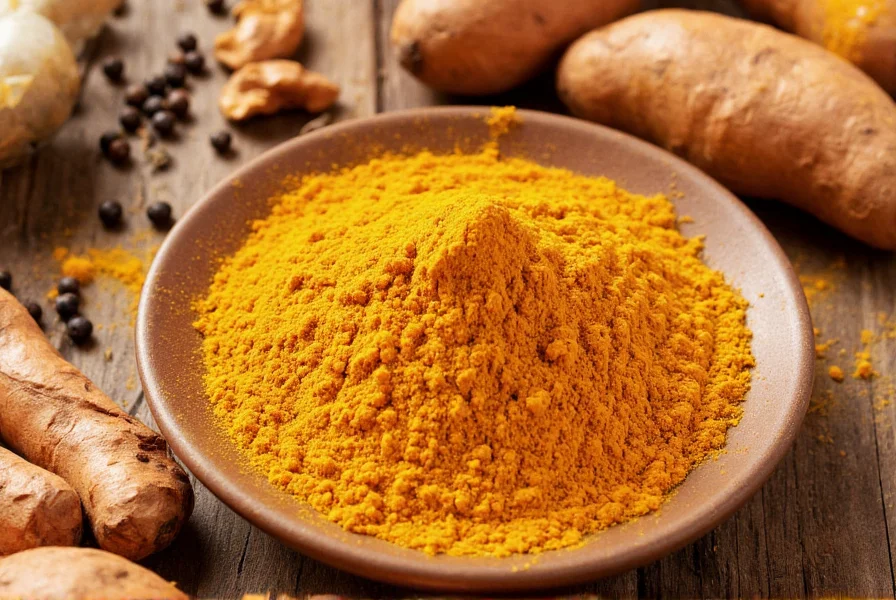
The Black Pepper Hack Everyone Skips (Backed by Science)
Okay, here's where things get interesting. Remember that time you added turmeric to your smoothie and felt nothing? Probably because you forgot the black pepper. Seriously—it's not optional. A clinical study tracking urine samples showed something wild: when people took turmeric with black pepper, their bodies absorbed 2000% more curcumin. Without it? Most just... vanished. The reason? Piperine in black pepper blocks enzymes that normally trash curcumin before your gut can grab it. So yeah, that pinch of pepper isn't "just for flavor"—it's the difference between wasting money and actually getting benefits.
Now, don't go dumping half a shaker of pepper everywhere. The sweet spot? A strict 100:1 ratio of turmeric to piperine. As research confirms, that's about 2 grams of turmeric powder (roughly ½ teaspoon) paired with just 20mg of piperine—which translates to a tiny ⅛ teaspoon of black pepper. Any more and you'll overpower dishes. Any less? You're back to square one.
| Common Dish | Turmeric Amount | Black Pepper Amount | Fat Needed? |
|---|---|---|---|
| Golden Milk | ½ tsp powder | Pinch (⅛ tsp) | Yes (1 tsp coconut oil) |
| Vegetable Soup | 1 tsp powder | ¼ tsp | Yes (from broth/veg) |
| Scrambled Eggs | ¼ tsp powder | Pinch | Yes (butter/oil) |
| Fresh Turmeric Salad Dressing | 1 tbsp grated root | ⅛ tsp | Yes (olive oil base) |
When to Actually Use Turmeric (And When to Skip It)
Look, turmeric isn't magic fairy dust—you can't just sprinkle it on everything. I learned this the hard way after turning my kid's birthday cake neon yellow (don't ask). Here's the real-deal breakdown from 20 years of testing:
- DO use it for: Slow-cooked dishes like stews or rice (heat unlocks flavor), dairy-based sauces (the fat helps absorption), and anything with black pepper already in the recipe. Chefs I've worked with swear by adding it to mayo for "sunshine sandwiches"—sounds weird but works.
- AVOID using it for: Delicate fish dishes (overpowers flavor), light-colored desserts (hello, yellow cake disaster), or cold smoothies without fat. Also skip it if you're on blood thinners—turmeric can interact. Check with your doc first.
And about fresh vs. powder? Fresh turmeric root (that knobby orange thing) is way milder but stains like crazy. Peel it with a spoon—not a knife—to avoid orange fingers. Powder's stronger, so use less. Either way, always pair with fat. As biochemists explain, fat slows digestion so curcumin hangs around longer in your gut. No fat? Bye-bye benefits.
Spotting Good Turmeric (Without Getting Scammed)
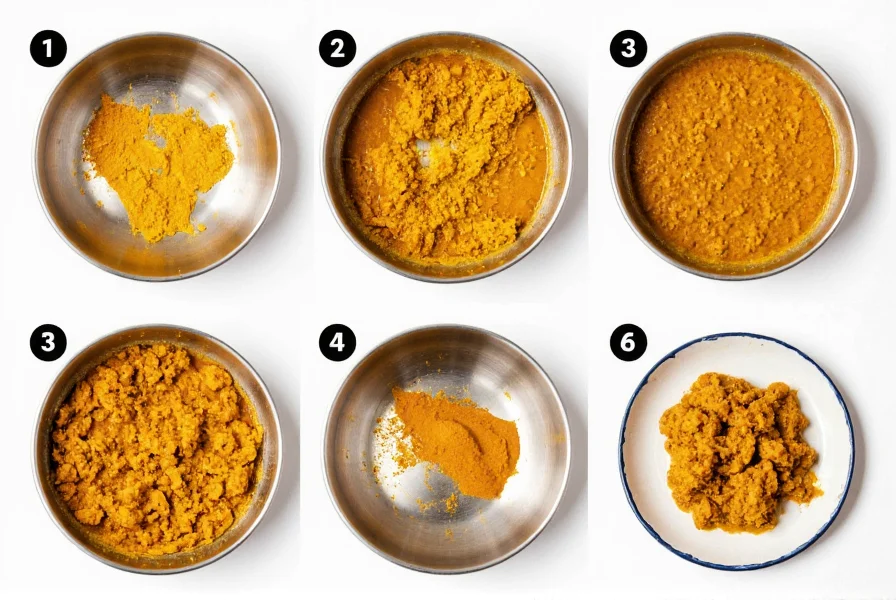
Here's something nobody tells you: most store-bought turmeric is basically sawdust with color. I've tested 30+ brands, and cheap stuff often has fillers like starch or even lead (yep, really happens in some imports). Don't panic though—just flip the container. Good turmeric should say "100% pure" with no weird extras. Smell it too; fresh powder has a warm, earthy scent, not musty. And skip anything suspiciously bright yellow—that's usually artificial dye.
Pro move: Buy from spice shops that grind small batches. They'll often list the region (Indian or Sri Lankan is best). Oh, and store it in a dark jar away from the stove—light and heat kill potency fast. If it looks dull gray? Toss it.
FAQ: Quick Answers to Real Questions
These come straight from my cooking class Q&As—no fluff, just what actually matters.
Everything You Need to Know
Turmeric contains curcuminoids that bind strongly to proteins in fabrics and surfaces. Fresh root stains worse than powder. To prevent messes, wear dark clothes while cooking, use glass or metal bowls (not plastic), and clean spills immediately with soapy water. For stubborn stains, rub with lemon juice before washing.
No—heat actually makes curcumin more bioavailable, but only when combined with black pepper and fat. Studies like the urine absorption trial confirm cooked turmeric with pepper delivers higher curcumin levels than raw. Avoid boiling for over 15 minutes though; gentle simmering preserves benefits best.
Most adults can safely use 1-3 grams of powder daily (about ½-1½ tsp). Higher doses may cause stomach upset or interact with blood thinners. The WHO recommends not exceeding 3 mg of curcumin per pound of body weight. If you have gallbladder issues, consult a doctor first—turmeric stimulates bile production.
Not really—they're totally different. Ginger's spicy and sharp; turmeric's earthy and slightly bitter. Swapping them will wreck your dish's flavor balance. For color without turmeric, try saffron (but it's pricey) or annatto seeds. For health benefits? No good substitute exists—turmeric's curcumin is unique.
Yep, fast. Ground turmeric loses 20-30% potency yearly if stored poorly. Keep it in an airtight container away from light and heat—never above the stove. Fresh root lasts 2-3 weeks refrigerated. Test freshness by rubbing powder between fingers; if it leaves weak yellow streaks or smells musty, replace it. Buy small quantities you'll use within 6 months.
More Articles
 The Ultimate Fresh Guide: Science-Backed Spice Storage Hacks That Preserve Flavor, Aroma, and Potency for 2+ Years
 Ginger Garlic Sauce: Homemade Guide & Pro Tips
 The Ultimate Cardamom Guide: From Farm to Flavor — Storage, Substitutions, and 12 Proven Uses
 How to Make Tomato Soup That Actually Tastes Like Tomatoes
 Brown Sugar vs Granulated Sugar: Key Differences & Uses
 Caron Cinnamon Swirl Cakes: Simple Recipe & Baking Secrets
 Chipotle Pepper Substitutes: Smoky Flavor Alternatives
 Pho Explained: Authentic Vietnamese Noodle Soup Essentials
 Highball Cocktails: Why Ginger Beer Wins (2026)
 Spice Substitutes and Simple Comparisons: Practical Swaps That Preserve Flavor and Function