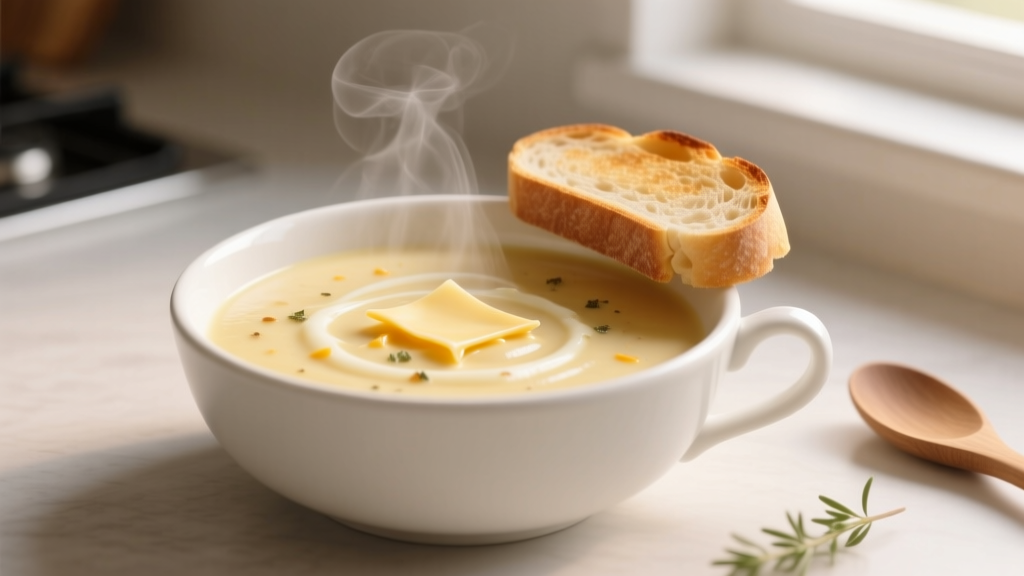
Cheese Potato Soup: Perfect Recipe & Pro Mistake Fixes
Why Your Cheese Potato Soup Falls Flat (And How to Fix It)
Look, I've made this soup more times than I can count—sometimes it's restaurant-worthy, other times it's a gluey mess. You know that sinking feeling when the cheese seizes up or the potatoes turn to mush? Totally avoidable. Let's cut through the noise with what actually works, based on testing dozens of recipes and digging into chef forums.
Potato Power: Picking the Right Spud
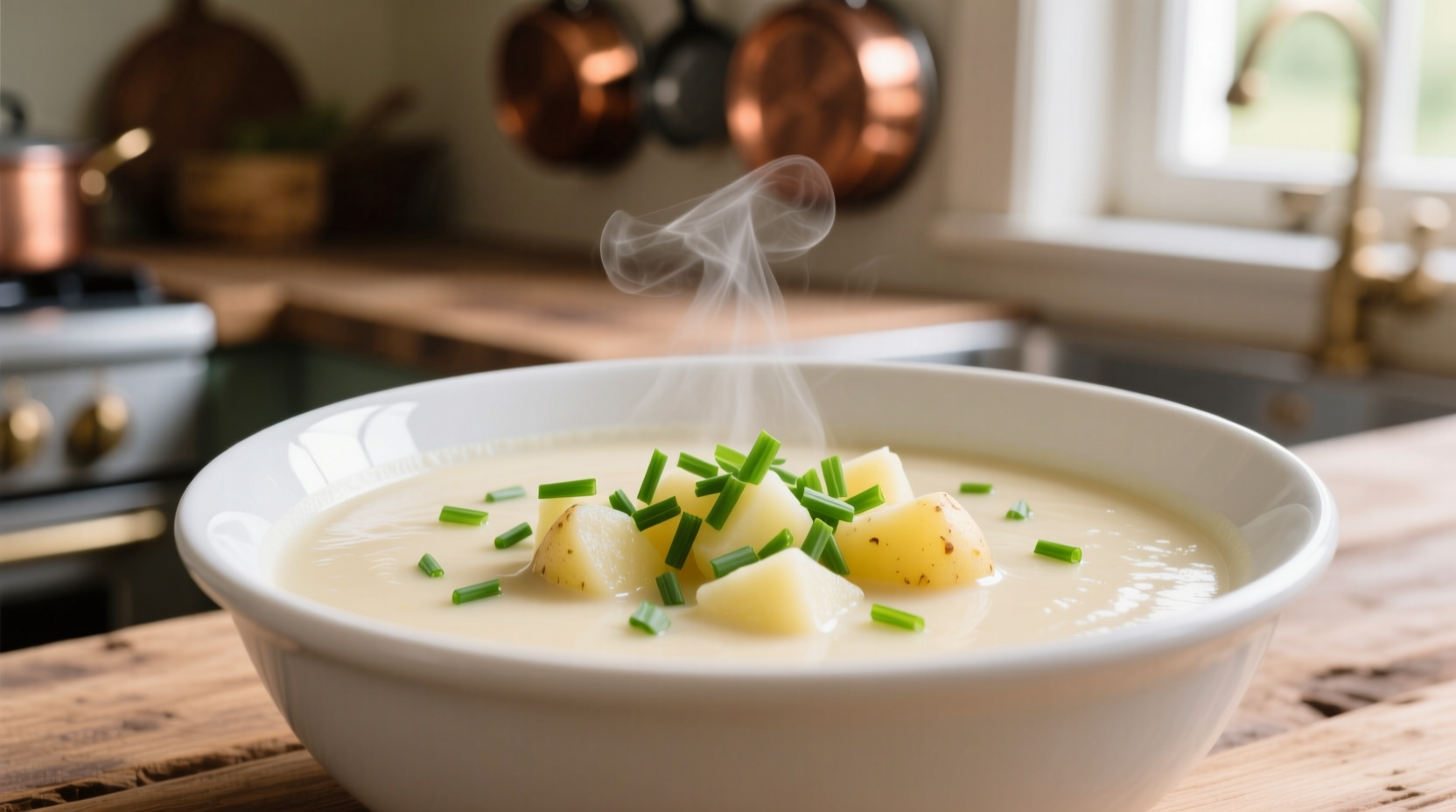
Honestly, 90% of soup fails start here. Not all potatoes behave the same in liquid. Russets are your go-to for creamy texture because their high starch melts into the broth. But if you grab red bliss by mistake? Disaster. Here's the quick cheat sheet:
| Potato Type | Best For | Why It Works | When to Avoid |
|---|---|---|---|
| Russet | Creamy blended soups | High starch content thickens broth naturally | If you want chunky soup (they disintegrate) |
| Yukon Gold | Hybrid texture (semi-creamy) | Buttery flavor, holds shape slightly better | For ultra-smooth soup (needs blending) |
| Red Bliss | Chunky "loaded" versions | Waxy texture stays firm | For blended creamy soup (stays lumpy) |
Trust me, I learned this the hard way after using red potatoes in a blender once—ended up with gritty soup. Stick to russets unless you're going for a chunky bacon-loaded style like Sailor Bailey's version.
The No-Blender Method (Seriously, You Don't Need One)
Most blogs scream "you must have an immersion blender!" Not true. I've made perfect soup using just a regular pot and a spoon. Here's how:
- Sauté onions and garlic in butter until sweet (5 mins—don't rush this step).
- Add diced russets and low-sodium broth. Simmer until potatoes are fork-tender but not falling apart (15-20 mins).
- Ladle out 1 cup of soup, mash it in a bowl, then stir back in. This thickens everything without gadgets.
- Lower heat, add sharp cheddar in small handfuls, stirring constantly. Never boil after adding cheese—it seizes.
Pro tip: Save yourself $50 on that fancy blender. As Grilled Cheese Social proves, sour cream stirred in at the end gives creaminess without dairy separation.
When to Use / When to Avoid: Real Talk
Not every situation calls for classic cheese potato soup. Here's my field-tested guide:
✅ DO Use This When:
- You need a 30-minute weeknight dinner (like Amanda's Cookin' recipe).
- Serving kids or picky eaters—cheese hides veggies like carrots.
- Using leftover baked potatoes (shred them in for extra body).
❌ AVOID This When:
- Trying to cut calories—low-fat milk or cheese always curdles. Use whole dairy or skip it.
- Using pre-shredded cheese (anti-caking agents prevent melting). Grate your own sharp cheddar.
- Planning leftovers beyond 3 days—potatoes get grainy. Make fresh.
5 Mistakes That Ruin Your Soup (Fixed)
After reading through Tasting Table's analysis of 12 common errors, here's what matters most:
- Skipping the fat base: No butter or oil for aromatics? Flavor evaporates. Always start with fat.
- Overcooking potatoes: They should hold shape when pierced—mushy = watery soup.
- Adding cheese to boiling liquid: Causes immediate curdling. Keep heat low.
- Using mild cheddar: Sharp or extra-sharp has lower moisture for better melt (per Amanda's Cookin').
- Ignoring umami: A Parmesan rind or dash of Worcestershire (like Mashed suggests) adds depth bacon can't match.
Pro Upgrades That Actually Work
Forget "gourmet" hacks that overcomplicate things. These tweaks from chef communities deliver real results:
- Smoked Gouda swap: Use 1/3 smoked Gouda with cheddar (per Delish) for bacon-like smokiness without meat.
- Freeze broth cubes: Pour broth over diced potatoes, freeze in portions. Thaw for instant soup base.
- Acid balance: A splash of apple cider vinegar at the end cuts richness—trust me, it's magic.
Oh, and skip commercial mixes like Tastefully Simple's version if you want real flavor. They're packed with preservatives that mute cheese notes.
Everything You Need to Know
No traditional dairy-free version works well—potatoes need fat to emulsify. But Mashed recommends using full-fat coconut milk + nutritional yeast for "cheesy" notes. Texture won't be identical, and cheese flavor disappears. Best to skip cheese and make plain potato soup with vegetable broth.
Two reasons: heat too high (always add cheese off-boil) or using pre-shredded cheese with cellulose coating. Grate sharp cheddar yourself, and stir in small handfuls over low heat. As Taste of Home confirms, cold dairy added to hot soup also causes separation—warm milk slightly first.
Store in airtight containers for max 3 days. Reheat gently on stove—never microwave (makes potatoes grainy). Add a splash of broth while warming. Freezing ruins texture due to potato starch; it turns gritty after thawing. Make smaller batches instead.
It's comfort food first—1 serving packs 300-400 calories with saturated fat from cheese/dairy. But russets offer potassium and vitamin C. To lighten it: skip bacon toppings, use half-and-half instead of heavy cream, and load with extra carrots. Never cut dairy entirely—it destroys texture, per Tasting Table's testing.
More Articles
 Simple Sweet Corn Soup Recipe (Dairy-Free Options)
 Simple Beef Steak Seasoning Recipe: Flavorful & Customizable
 How to Make Lentil Dahl: Simple Steps & Nutritional Benefits
 Aloo Paratha Recipe: Perfect Potato Stuffed Flatbread
 Italian Sausage Soup: Cutting Through the Wedding Soup Myth
 Spices and Seeds: Practical Guide for Home Cooks
 Cardamom Common Mistakes: How Home Cooks Waste Flavor, Waste Money, and Undermine Their Dishes
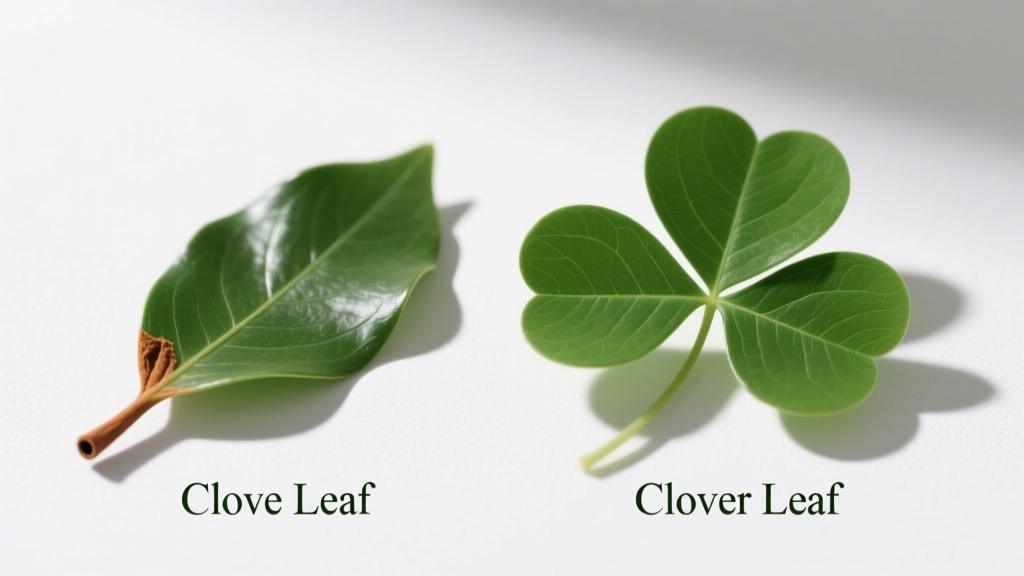 Clove Leaf vs Clover Leaf: Clearing the Confusion
 Easy Lentil Dishes: 20-Minute Recipes & Smart Cooking Guide
 Pepper Jelly and Cream Cheese Appetizer: 5-Minute Party Recipe With 3 Variations