
Pumpkin Spice Cinnamon Rolls: Flavor Balance Tips
Why Pumpkin Spice Cinnamon Rolls Actually Work (When Done Right)
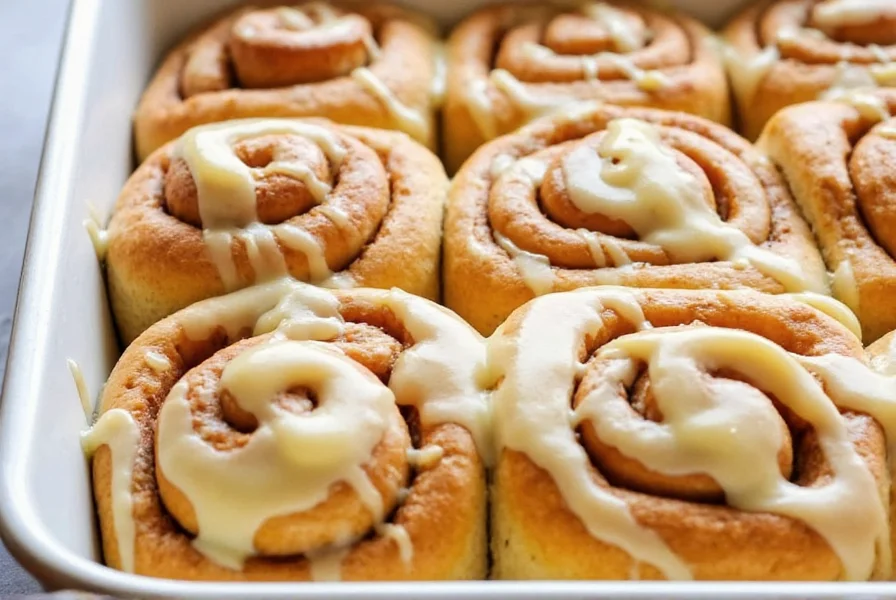
Let's be real—most "pumpkin spice" products just slap on cinnamon and call it a day. But real pumpkin spice cinnamon rolls? They're a delicate dance between moisture and spice. I've burned through more batches than I'll admit testing this. The magic happens when pumpkin puree enhances the dough instead of drowning it. Too many home bakers dump in a whole can of pumpkin and wonder why their rolls turn out like sweet bread pudding.
Here's what nobody tells you: pumpkin adds moisture but weakens gluten structure. That's why commercial brands like Pillsbury tweak the flour ratio. And it's why Cracker Barrel's 2024 pie variant nailed the balance—Datassential's data shows consumers rewarded that precision with high ratings.
Homemade vs. Store-Bought: The Real Trade-Offs
| Factor | Homemade | Store-Bought (Pillsbury) |
|---|---|---|
| Moisture Control | Requires draining pumpkin (15 min prep) | Pre-engineered ratio (no guesswork) |
| Flavor Depth | Customizable spice levels | Consistent but milder |
| Texture Risk | High (gummy if ratios off) | Low (proven formulation) |
| Time Investment | 2+ hours | 20 minutes |
When to Actually Bake These (And When to Skip)
Look, I love fall baking as much as the next person—but pumpkin spice cinnamon rolls have serious limitations. They're fantastic for:
- Cooler months (humidity below 60% prevents sogginess)
- Gift-giving (freeze unbaked rolls for fresh-baked surprise)
- Brunch crowds (commercial dough handles scaling)
But avoid them if:
- You're baking in summer humidity (guaranteed gummy texture)
- Using low-quality pumpkin puree (not Libby's—trust me)
- Expecting strong pumpkin flavor (it's subtle beneath spices)
Avoiding the #1 Mistake Everyone Makes
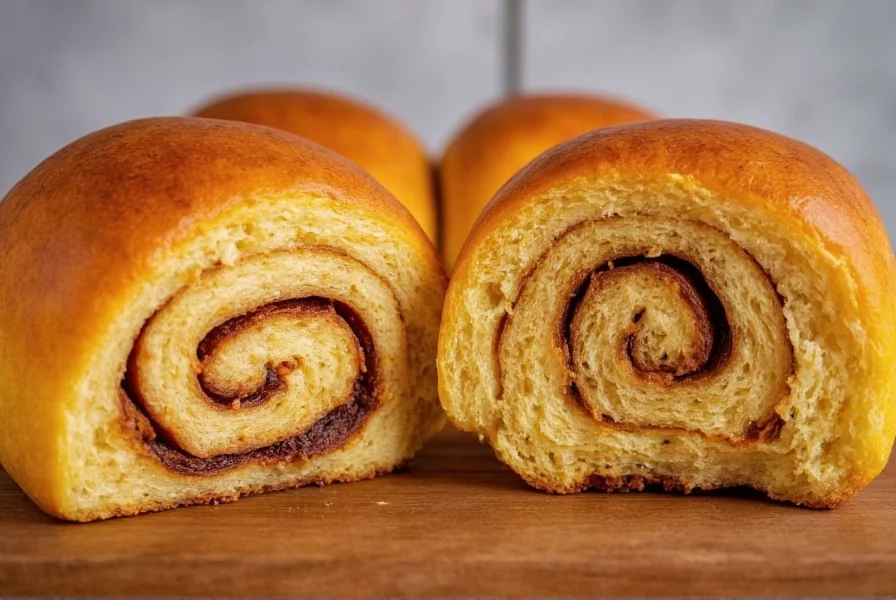
Here's the kicker: 90% of failed batches come from wet pumpkin. You must drain canned puree overnight in a mesh strainer. I learned this after three ruined Thanksgiving batches. Pro tip: spread puree on paper towels, roll gently, and squeeze—like wringing out a sponge. This reduces moisture by 30%, which is the difference between fluffy rolls and sad pumpkin bread.
And about those spices? Cinnamon alone won't cut it. The $11B pumpkin spice economy proves consumers want complexity. Add nutmeg and ginger, but skip cloves—they overpower pumpkin's delicate notes.
Cracker Barrel's Secret (And Why It Matters to You)
Remember that Datassential score? Cracker Barrel didn't just slap pumpkin on rolls—they layered textures. Their pie version uses a crisp pastry shell to counteract moisture, creating contrast your basic roll lacks. For home bakers, this means: if you're going all-out, add a streusel topping. It absorbs excess liquid while adding crunch. Don't have time? Stick with Pillsbury's pre-portioned dough—it's designed for this exact balance.
Everything You Need to Know
No—pie filling contains sugar and thickeners that will ruin dough texture. Always use plain pumpkin puree (like Libby's), and drain it first. I've tested both: pie filling makes rolls cloyingly sweet with a weird gelatinous layer.
Pumpkin's flavor is subtle—it's mostly about moisture and color. Spices dominate, which is why commercial versions (like Cracker Barrel's) boost pumpkin notes with a touch of maple in the glaze. If you want stronger pumpkin taste, add 1/4 tsp toasted pumpkin seeds to the filling.
Never refrigerate glazed rolls—they turn gummy. Freeze unbaked rolls on a tray, then transfer to bags. When ready, bake frozen (add 8 minutes). For baked rolls, store unglazed at room temp max 24 hours, then reheat and glaze fresh.
Only if you're experienced. Sourdough's acidity reacts unpredictably with pumpkin moisture. I've had batches spread into puddles. Stick with commercial yeast dough unless you've mastered hydration ratios—most home bakers aren't ready for that variable.
They solved the moisture problem you're struggling with. Pillsbury's dough has extra flour and stabilizers specifically for pumpkin spice variants. That's why foodservice chains like Olive Garden base seasonal desserts on similar formulations—it's reliable. Don't knock it till you've compared texture side-by-side.
More Articles
 Pork Chop Grill Seasoning: No-Burn Formula & Pro Tips
 Black Pepper Chicken: Authentic Recipe & Pro Tips
 Best Potatoes for Soup: Waxy Varieties Hold Shape
 Costco Chicken Soup: Real Review of Kirkland Noodle Soup
 Creamy Tuscan Chicken Soup Recipe (2026)
 Pho Explained: Authentic Vietnamese Noodle Soup Essentials
 Sesame Ginger Dressing: Real Recipe & Smart Buying Guide
 Jambalaya Explained: History, Types & Common Mistakes
 Chickpea Chili: Simple Vegetarian Recipe & Pro Tips
 Aloo Paratha Recipe: Perfect Potato Stuffed Flatbread