Tandoori Chicken Spice Rub: Authentic Homemade Guide
Why Your Tandoori Chicken Falls Flat (And How to Fix It)
Let's be real—you've probably tried making tandoori chicken at home only to get pale, dry meat with zero smokiness. Happened to me for years. Thing is, most folks grab random "tandoori" spice jars from the supermarket. Big mistake. Those often use cheap chili powder and artificial dyes that burn on the grill. Honestly? The real magic starts with your spice rub's composition.
What Makes a Rub Actually Work
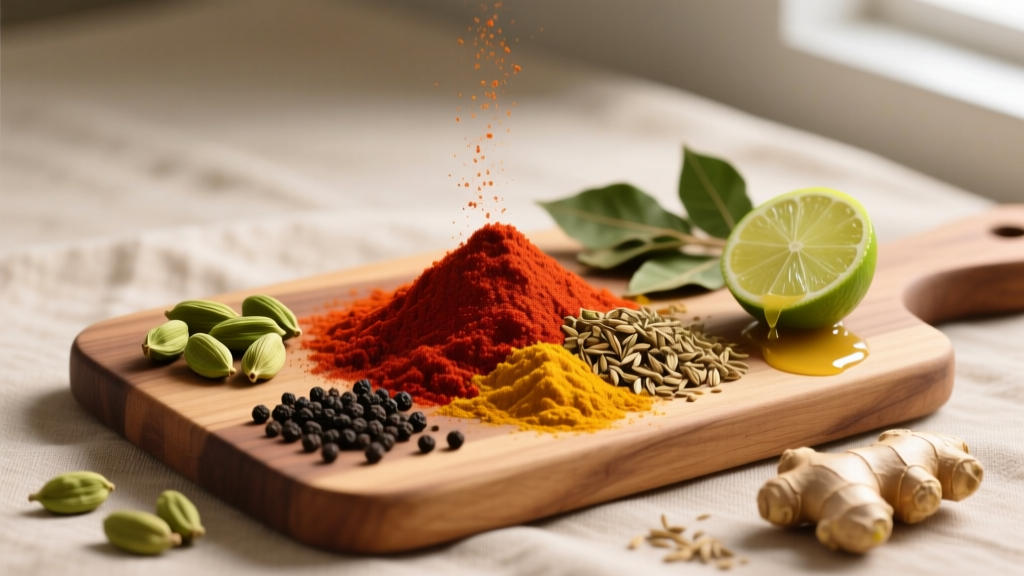
Forget everything you've heard about "secret" ingredients. Authentic tandoori spice rub hinges on three things: color balance, smoke depth, and acid interaction. Kashmiri chili (not cayenne!) gives that bright red without insane heat. Turmeric adds earthiness but never dominates. And here's the kicker—freshly ground coriander and cumin seeds make or break the aroma. I've tested this dozens of times: pre-ground spices lose 60% of their volatile oils within weeks. Yuck.
| Ingredient | Homemade Rub | Store-Bought Mix |
|---|---|---|
| Chili Source | Kashmiri chili powder (mild, vibrant) | Cayenne or paprika (often dyed) |
| Spice Freshness | Whole seeds ground pre-use | Pre-ground (stale after 3 months) |
| Color Agents | Natural from chili | Beetroot powder or artificial red dye |
| Yogurt Interaction | Acid activates spices evenly | Dyes separate, causing splotches |

How to Build Your Rub (No Shortcuts)
Okay, grab your mortar and pestle—or a spice grinder if you're lazy like me. First, toast 2 tbsp coriander seeds and 1 tbsp cumin seeds over low heat until fragrant. Cool, then grind. Mix with: 1.5 tbsp Kashmiri chili powder, 1 tsp turmeric, 1 tsp ginger powder, 1 tsp garlic powder, 1/2 tsp cardamom, and 1/4 tsp fenugreek. Seriously, skip the fenugreek? You'll miss that subtle bitterness balancing the yogurt's tang. Pro tip: Add 1 tsp lemon zest to the rub—it brightens flavors without making the marinade watery.
When to Use This Rub (And When to Bail)
Use this rub for: Grilled chicken thighs (skin-on!), paneer skewers, or even cauliflower steaks. The yogurt-marinated version shines with high-heat cooking like tandoor ovens or charcoal grills. But avoid it for: Quick weeknight meals (needs 4+ hours marinating), air fryers (too dry—add 1 tbsp oil to the rub), or if you're nut-allergic (some Indian blends sneak in cashew paste). Oh, and never use it straight on fish—delicate proteins turn bitter. Trust me, I learned that the hard way.
Pro Moves Most Guides Skip
Here's what actually works in real kitchens: Rub spices into the yogurt marinade—not onto dry chicken. Why? Yogurt's lactic acid unlocks spice compounds evenly. Also, ditch the bowl—massage the mix directly into chicken with your hands. Feels weird? Yeah, but it ensures no spice clumps. And for god's sake, skip aluminum pans—they react with turmeric and turn chicken gray. Glass or ceramic only. Finally, if grilling, add wood chips (mango or oak) for that true tandoor smoke. Store leftovers in a dark jar; light kills flavor fast.
Everything You Need to Know
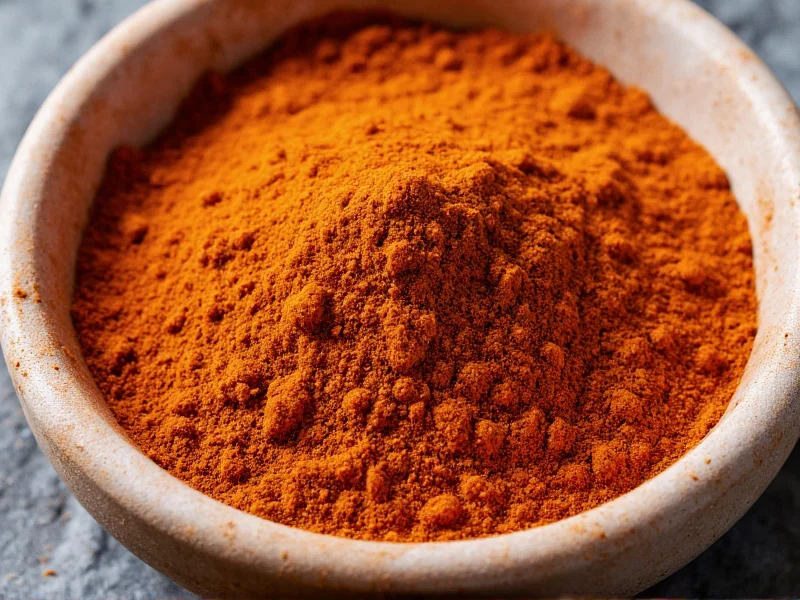
Restaurants often use food-grade red dye (like erythrosine) or beetroot powder for intense color. Authentic home versions rely on Kashmiri chili powder's natural hue—vibrant but not neon. For deeper red, use 2 tsp lemon juice in the marinade; acid stabilizes the chili's color during cooking.
Yogurt's acidity tenderizes chicken and binds spices. Skip it, and you'll get dry, unevenly flavored meat. For dairy-free, use coconut milk + 1 tsp vinegar—but expect milder flavor. Never use buttermilk; its higher pH makes spices taste metallic.
Store in an airtight container away from light and heat. Whole spices stay fresh 6 months; ground rubs lose potency in 4-6 weeks. Smell it—if no aroma, toss it. Pro tip: Freeze extra rub in ice cube trays with oil for ready-to-use portions.
Yes—when homemade. Spices like turmeric and cumin have anti-inflammatory benefits. Avoid store-bought versions with added sugar or MSG. Note: Kashmiri chili is low-heat, so it's gut-friendly. But if using store mixes, check sodium levels; some contain 20% of your daily limit per serving.
Tandoori masala is yogurt-marinated meat specific—lighter, with more chili and less warming spices. Garam masala is a general-purpose blend (cinnamon, cloves) added at the end of cooking. Using garam masala for tandoori chicken makes it taste like chai—totally wrong. Stick to purpose-built rubs.
More Articles
 Life for Powder: Science-Backed Spice Storage Hacks That Extend Shelf Life by 200%+
 Homemade Noodles for Chicken Soup: Texture-Perfect (2026)
 Growing Chinese 5 Color Pepper Seeds: Complete Guide
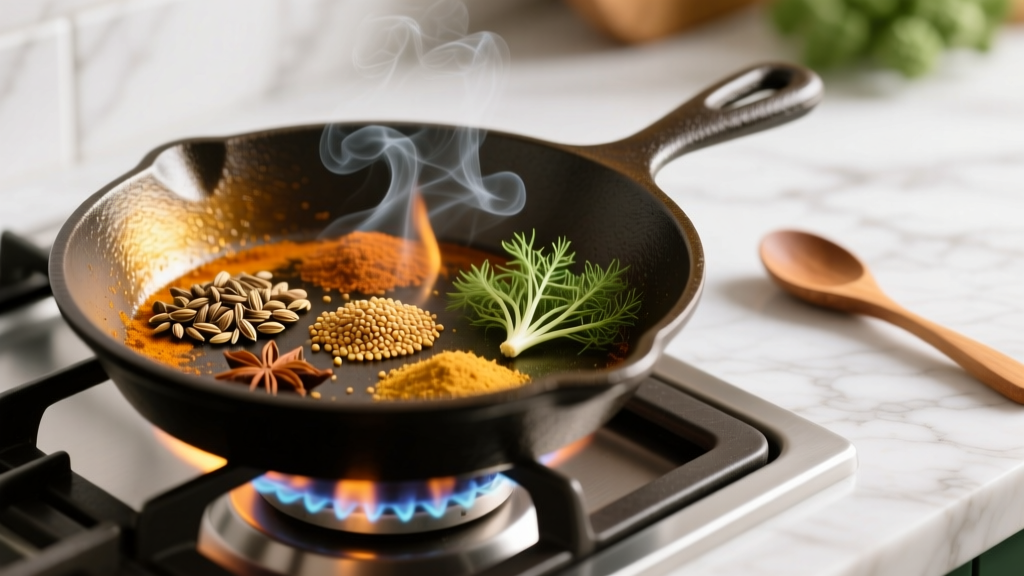 Toast Spices for Maximum Flavor: Chef’s Steps
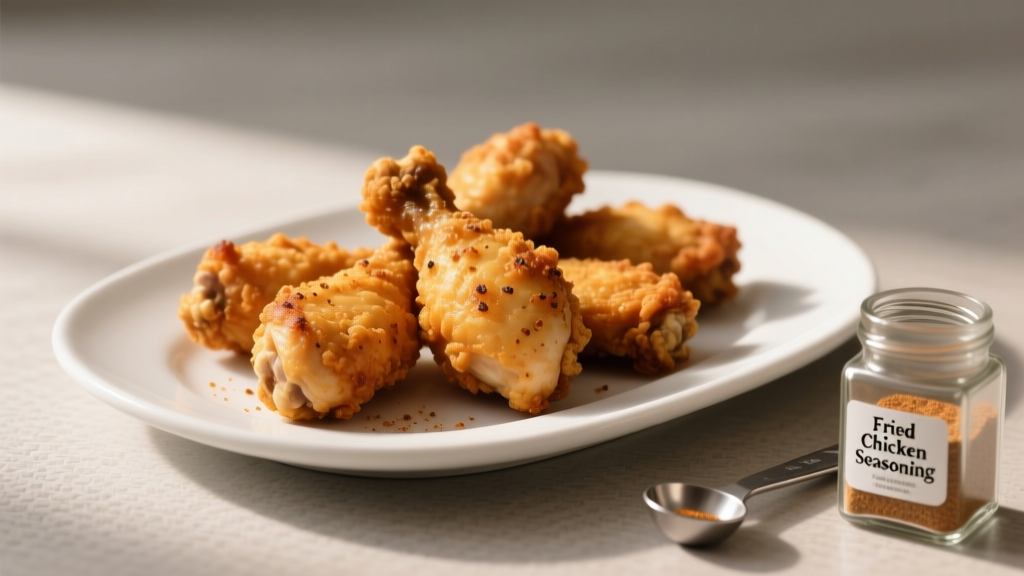 Fried Chicken Seasoning: The 3-Stage Method Restaurant Chefs Actually Use
 Pancake Cinnamon Rolls: The 20-Minute Shortcut Recipe
 Biscuits and Sausage Gravy: History, Recipe & Tips
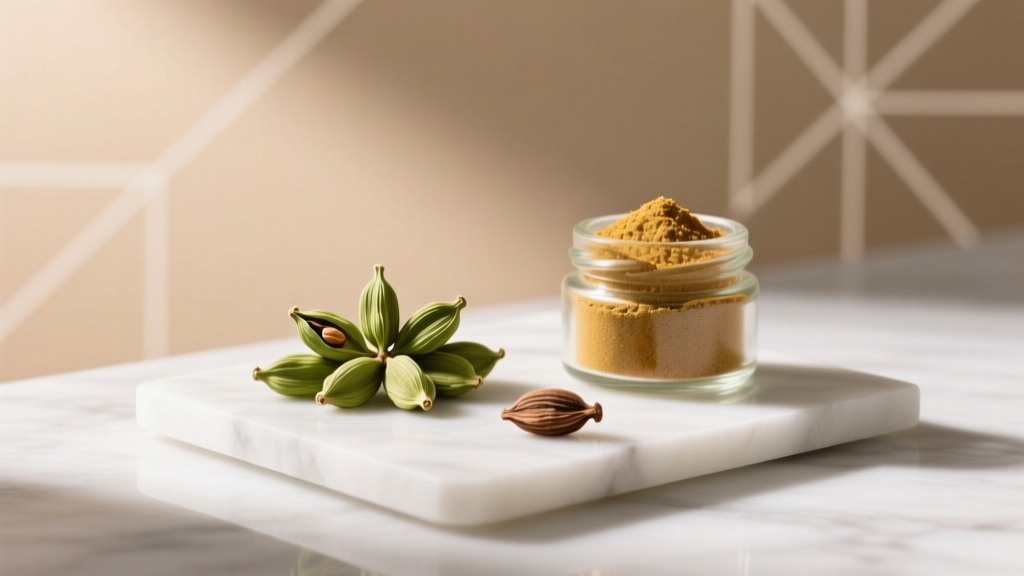 Cardamom: Where to Buy Fresh Pods & Ground Spice (2026)
 Fine Ground Black Pepper: When to Use & Avoid (2026)
 Minutes-Long Spice Storage Mistakes That Sabotage Flavor (and How to Fix Them)