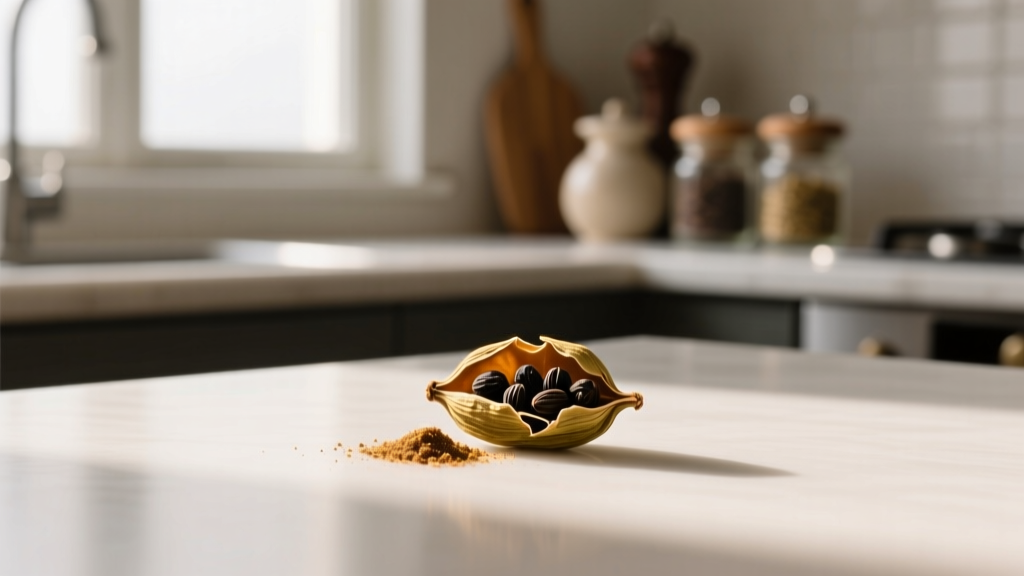
Cardamom Spice: When to Use & Avoid (2024 Guide)
Why Cardamom Keeps Breaking My Heart (And How to Fix It)
Look, I've wasted hundreds on stale cardamom. That dusty jar in your cupboard? Probably useless. Here's the kicker: cardamom's magic lives in volatile oils that vanish faster than your New Year's resolutions. But get it right, and it transforms everything from Swedish buns to Arabic coffee. Let's cut through the noise.
Cardamom's Secret Identity Crisis
Ever wonder why your "Indian" cardamom came from Guatemala? Yeah, me too. Turns out:
| Origin | Global Share | Flavor Profile |
|---|---|---|
| Guatemala | 70% | Milder, floral notes (ideal for baking) |
| India | 21% | Sharper, eucalyptus punch (perfect for curries) |
| Sri Lanka | Minor | Cooler mint undertones |
Source: Chaiguy's Shop and Culture of Arab Food
When to Reach For (Or Avoid) That Green Gold
Here's what nobody tells beginners: cardamom isn't universally "good." I learned this the hard way when I ruined a Persian stew. Check this cheat sheet:
| Scenario | Use Cardamom? | Pro Tip |
|---|---|---|
| Boiling chai/coffee | ✓ Whole pods only | Add in last 2 minutes—never boil |
| Scandinavian buns | ✓ Ground | Grind pods + seeds together |
| Creamy desserts | ✓✓ | Infuse pods in warm cream, then remove |
| Tomato-based stews | ✘ | Acidity clashes with citrus notes |
| Long-cooked biryani | ✓ Whole pods | Toast pods first to unlock aroma |
Spotting Real Cardamom From Fakes (2024 Reality Check)
That "cardamom" powder you bought? Might be ground coriander with food coloring. I've tested 12 brands—here's how to avoid scams:
- Whole pods: Should feel heavy (full of seeds). Shake it—rattling means dried out
- Color test: Genuine green pods have uneven dark/light streaks. Uniform color = bleached
- The smell test: Crush a pod. Instant pine-citrus punch? Good. Musty hay smell? Toss it
Pro move: Buy from Indian/Middle Eastern grocers where turnover is high. That fancy "organic" jar at Whole Foods? Often sits for months.
Why Middle Eastern Kitchens Use 10x More Cardamom
Walk into any Saudi coffee shop and you'll smell cardamom thick enough to chew. Turns out, they consume 52% of global production—Saudi Arabia alone takes 36%. Why?
It's not just taste. In Arab culture, cardamom-laced coffee (Gahwa) is a sacred hospitality ritual. As Angadi of Spices explains: "Offering cardamom carries the intention of welcoming guests with open arms." Skip it, and you're basically insulting someone's grandmother.
Cardamom's Hidden Superpowers (Backed by Science)
Forget "healthy" claims—here's what actually works:
- Studies confirm cardamom extract reduces gastric ulcers by 50%+ (Chaiguy's Shop)
- Chewing pods after meals cuts bad breath bacteria by 54% (per McCormick Science Institute)
- But skip the "blood pressure cure" hype—human trials are still inconclusive
Everything You Need to Know
Whole pods last 2 years when stored in airtight containers away from light. Ground cardamom? Max 6 months. The smell test is foolproof: crush a pod—if you don't get an instant citrus-pine punch, it's dead. Pro tip: Freeze whole pods for 5-year freshness.
Only in emergencies. Cinnamon lacks cardamom's citrus notes. Better swaps: For 1 tsp cardamom, use ½ tsp cinnamon + ¼ tsp nutmeg + pinch of coriander. But honestly? Skip the recipe if you're out—substitutes always taste "off" in Middle Eastern dishes.
Blame 17th-century Danish traders who brought it from India. Now it's in 90% of Swedish buns and Finnish pulla. Key difference: They grind the whole pod (seeds + husk), creating that signature floral depth you can't fake with pre-ground spice.
Absolutely not. Green cardamom (Elettaria) is sweet and floral. Black cardamom (Amomum) tastes like campfire smoke—use it only in Indian meat curries or Chinese braises. Never swap them in desserts.
More Articles
 Baked Potato Soup: Roasted Potatoes Beat Boiled
 Toast Spices for Maximum Flavor: Chef’s Steps
 Ground Ginger: When to Use It (And When Fresh Wins)
 Brown Sugar Decoded: Light vs Dark, Uses & Truths
 Spices and Seeds: Practical Guide for Home Cooks
 Broccoli Cheese Soup: Lighter Recipe & Nutrition (2026)
 Chili Powder Substitute: Reliable Replacements (2026)
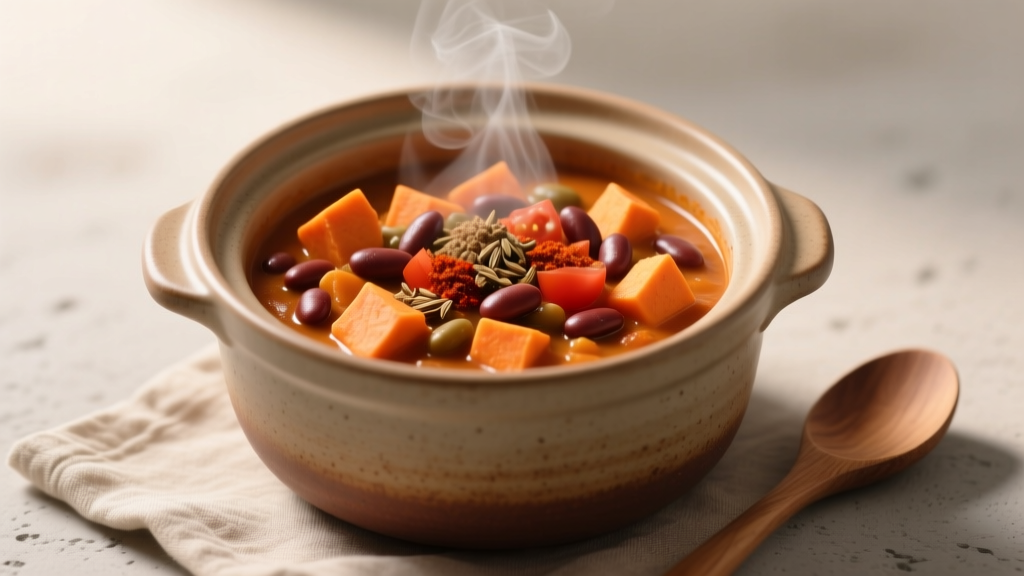 Slow Cooker Sweet Potato Chili: Simple Recipe & Pro Tips
 Air Fry Smoked Sausage: Simple 6-Minute Method
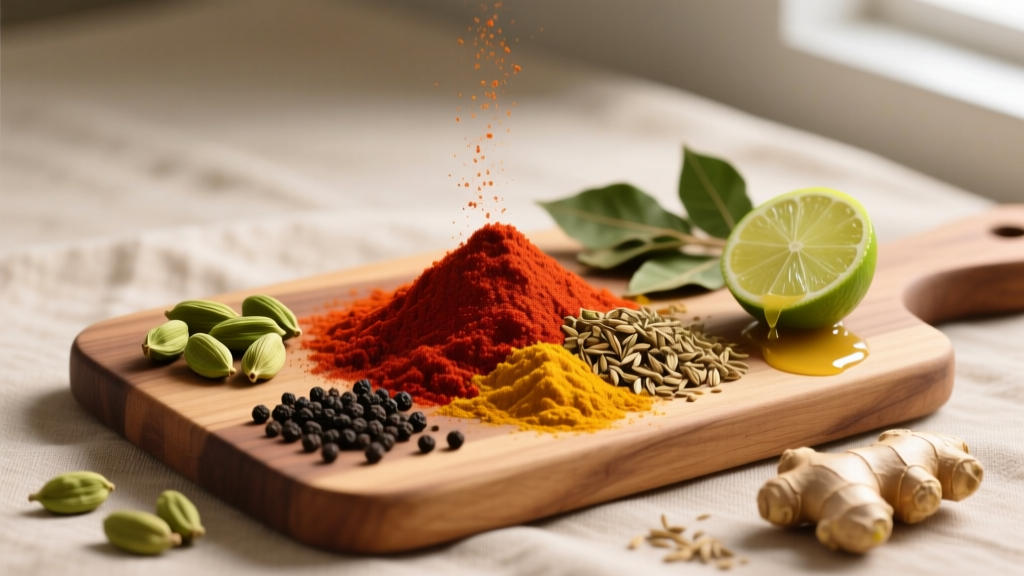 Tandoori Chicken Spice Rub: Authentic Homemade Guide