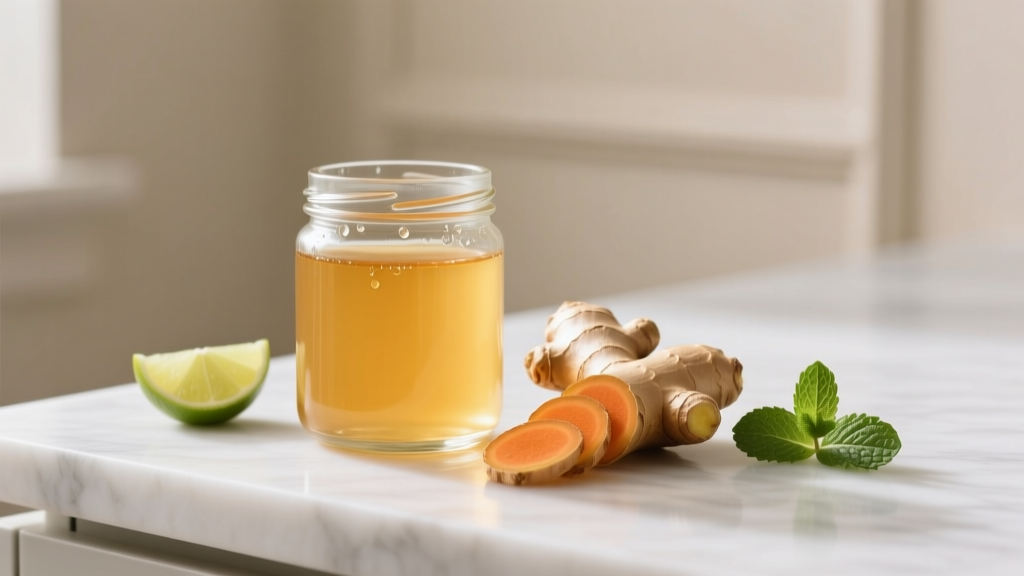
Ginger Syrup Recipe: 2:1 Ratio for Cocktails & Remedies
Why This Ginger Syrup Method Actually Works
Look, I've made hundreds of batches over 20 years – most online recipes miss one critical thing: boiling destroys ginger's volatile oils. That's why yours tastes flat. Simmering gently preserves the bright, spicy notes you want. And forget cup measurements – weighing ginger (like coffee or baking) guarantees consistent results every time.
Here's what you're working with:
| Ingredient | Why It Matters | Pro Tip |
|---|---|---|
| Fresh ginger root | Dried ginger lacks complex flavor compounds | Choose firm, smooth knobs – avoid wrinkles |
| Granulated sugar | Creates stable syrup structure (honey crystallizes) | Organic works fine – no flavor difference |
| Filtered water | Chlorine alters delicate ginger notes | Spring water boosts clarity |
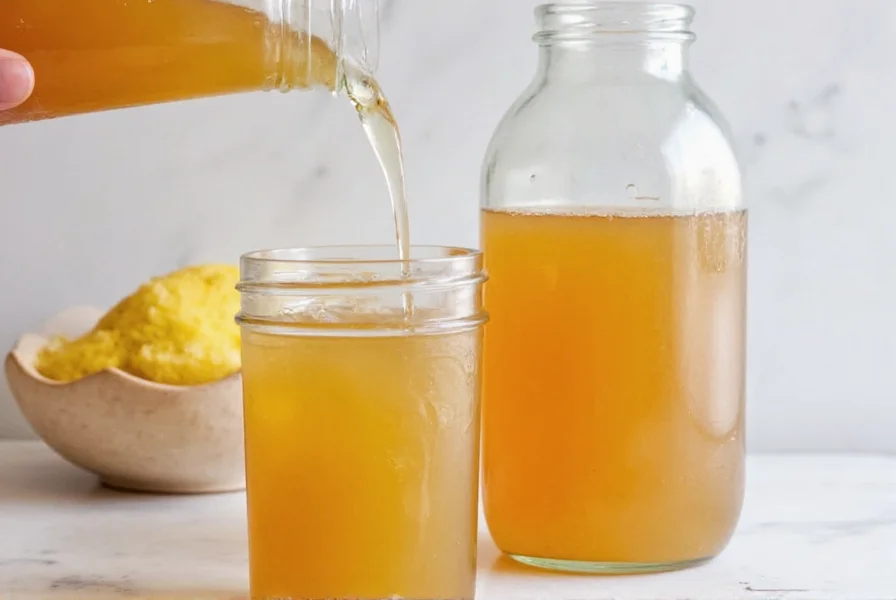
Your Step-by-Step Guide (No Fancy Gear Needed)
Okay, let's cut through the noise. Forget "steep overnight" hacks – they extract bitter compounds. This is how pros do it:
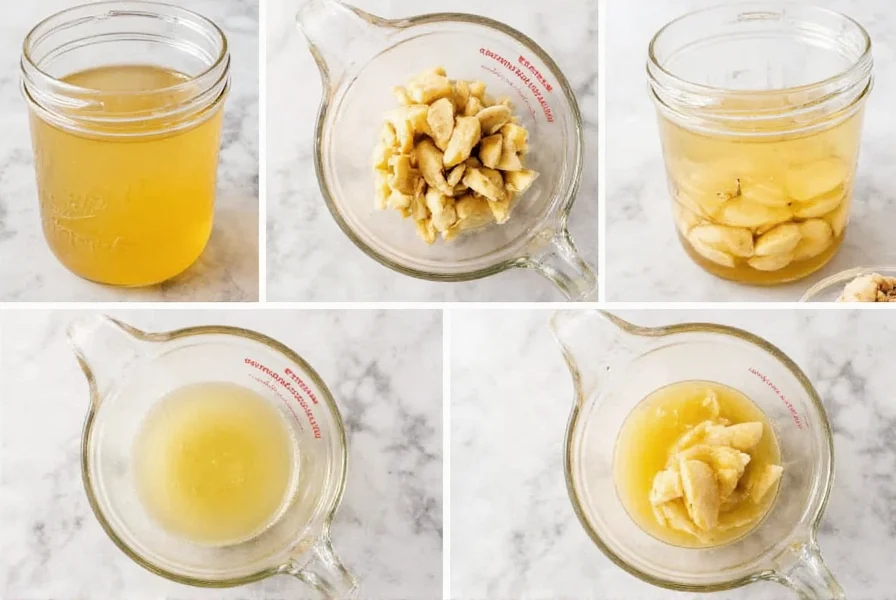
- Prep ginger: Peel 200g fresh ginger (about 1.5 cups sliced). Thin slices > grated – less pulp in final syrup.
- Combine: In saucepan, mix ginger + 100g sugar + 100g water. Yes, weigh everything. Trust me.
- Simmer: Bring to bare simmer (tiny bubbles at edge), cover, cook 20 minutes. Do not boil – that's the #1 mistake.
- Strain: Pour through fine-mesh sieve. Press gently with spoon – hard pressing makes cloudy syrup.
- Cool: Transfer to clean jar. Skip hot-water canning – refrigeration is safer for small batches.
When to Use (and When to Avoid) This Syrup
Not all ginger syrup is equal. Here's where it shines – and where you should skip it:
| Perfect For | Avoid These Situations |
|---|---|
| Cocktails (Mules, Old Fashioneds) | Replacing simple syrup 1:1 in baking – alters texture |
| Soothing sore throats (1 tbsp in hot water) | If taking blood thinners – ginger increases bleeding risk |
| Glazing roasted carrots/squash | For diabetics – same sugar content as simple syrup |
Don't Fall for These 3 Ginger Syrup Myths
- "Cloudy = spoiled" – Nope! Cloudiness comes from ginger starch. It's fine for 4 weeks refrigerated.
- "Add lemon for clarity" – Acid makes syrup separate. Skip it unless recipe specifically calls for it.
- "Use dried ginger" – Results in one-note, medicinal flavor. Fresh is non-negotiable.
Storage That Actually Works
Here's what most blogs won't tell you: Room temperature storage invites mold even with high sugar content. Why? Ginger introduces organic matter. Do this instead:
- Refrigerate in airtight container – lasts 28 days
- Freeze in ice cube trays – thaw overnight for cocktails
- Discard if surface gets slimy or smells fermented
Everything You Need to Know
Cloudiness comes from ginger starch – it's completely normal and safe. Straining through cheesecloth reduces it, but some cloudiness means you used fresh ginger (not powder). Don't worry, it won't affect flavor.
Honey changes everything – it crystallizes when cooled and overpowers ginger's spice. For true ginger syrup, stick with granulated sugar. If you need honey for dietary reasons, use it in your final drink (like a hot toddy), not in the syrup base.
Refrigerated in a clean jar: 28 days max. Freezer: 6 months. Signs it's bad? Surface mold, sour smell, or slimy texture. When in doubt, toss it – fresh ginger batches take 20 minutes.
It can help soothe irritation – mix 1 tbsp syrup in hot water with lemon. But don't confuse relief with treatment. Ginger doesn't kill infections. If symptoms last over 48 hours, see a doctor. Also: avoid if on blood thinners (ginger increases bleeding risk).
Boiling or over-simmering (past 25 mins) extracts bitter compounds. Also happens if you used old ginger (check for soft spots). Pro fix: Next batch, simmer exactly 20 minutes and use fresh knobs. Bitter syrup still works in strong cocktails like Dark 'N' Stormys.
More Articles
 Vegetable Soup Recipes: Nutritionist-Tested (2026)
 Grilled Chicken Spice Guide: Reliable Blends & Usage Tips
 Creamy Tuscan Chicken Soup Recipe (2026)
 Vacuum Sealing Spices: Is It Worth It? (6-Month Test Results)
 Indian Spices for Curry: What Actually Works in Your Kitchen
 Honey Lemon Pepper Wings: Crisp Oven & Fry Guide
 Slow Cooker Pork Chops in Cream of Mushroom Soup: Real Guide
 Freezing Spices: Does It Actually Preserve Flavor? (Science-Backed Answer)
 Cinnamon Muffin Recipe: Triple-Layer Flavor, No Failures
 Air Fry Smoked Sausage: Simple 6-Minute Method