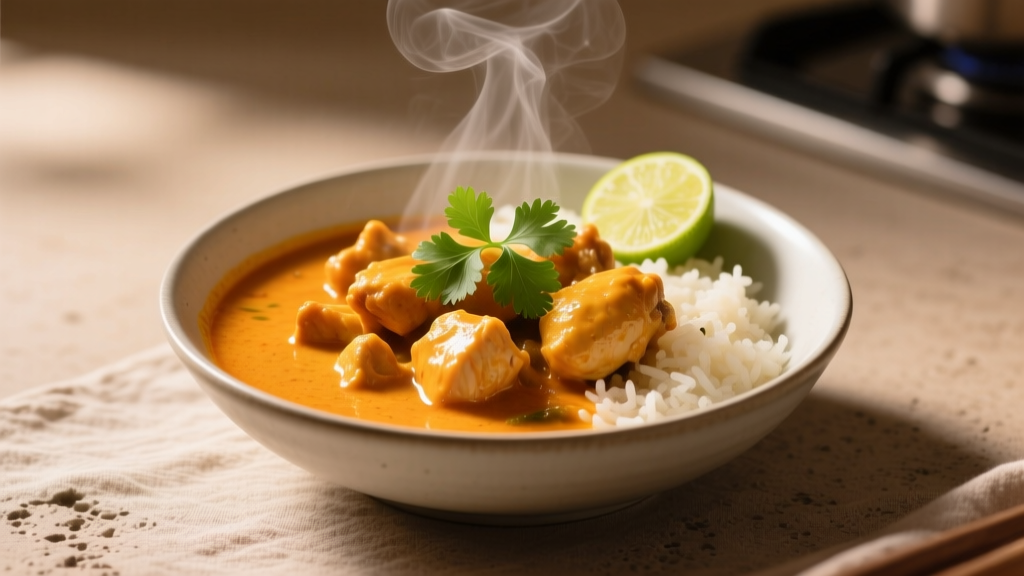
Chicken Curry Essentials: Origins, Recipes, and Pro Tips
What Chicken Curry Really Is (And Isn't)
You know that dusty "curry powder" jar? Yeah, skip it for real depth. Authentic chicken curry starts with fresh aromatics—ginger, garlic, onions—and whole spices toasted to unlock oils. Turmeric gives that golden hue, but it's the combo with cumin, coriander, and chili that creates magic. Fun fact: the term "curry" itself comes from Tamil "kari" (sauce), not some generic spice blend. Colonial-era Brits simplified complex regional dishes into "curry," which explains why many folks still think it's just yellow powder. Truth is, there's no single "chicken curry"—it's a family of dishes shaped by local ingredients.

Indian vs. Thai vs. Global Twists: When to Use What
Here's where things get messy. Walk into any Indian kitchen, and "chicken curry" could mean butter chicken (creamy tomato), rogan josh (yogurt-based), or vindaloo (vinegar-spiked). Thai versions? Totally different ballgame with lemongrass, galangal, and coconut milk. The key isn't memorizing recipes—it's understanding why ingredients work together. Like, coconut milk cools heat in Thai curries, while Indian styles use yogurt for tang without splitting. Got dairy issues? No sweat—cashew paste mimics creaminess in North Indian styles. But skip coconut milk for Southern Indian stews; it clashes with tamarind's sharpness.
| Style | Best For | Avoid If | Pro Tip |
|---|---|---|---|
| North Indian (e.g., Butter Chicken) | Weeknight dinners; mild palates | You need dairy-free (uses yogurt/cream) | Toast spices in ghee first—never add raw to sauce |
| Thai Red Curry | Hot & humid climates; quick meals | Serving kids (often very spicy) | Simmer coconut milk before adding curry paste to prevent splitting |
| Jamaican | BBQ sides; bold flavors | Using store-bought "curry powder" (needs fresh allspice) | Add scotch bonnet pepper whole—remove before serving for heat control |
Let me tell you—chefs I've worked with in Mumbai roll their eyes at "one-pot" curry hacks. Why? Fresh curry leaves (not dried!) and mustard seeds make or break South Indian versions. But hey, for home cooks? A pinch of fenugreek leaves (kasuri methi) crushed at the end gives 80% of that depth without hunting obscure ingredients.
Quality Checks: Spotting Real Deal vs. Gimmicks
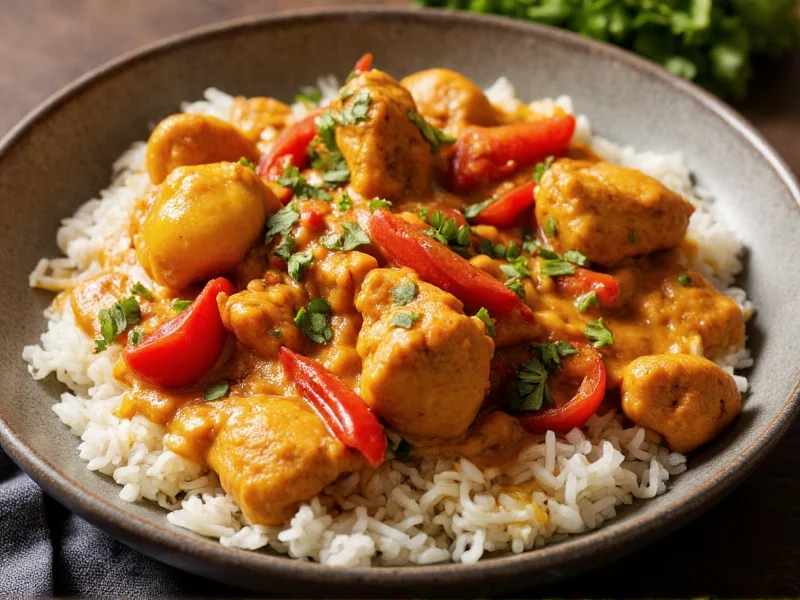
Walk into any supermarket, and you'll see "authentic" curry kits. Most are junk—loaded with sugar and preservatives. Here's how to pick quality ingredients like a pro:
- Turmeric root: Should feel firm, not shriveled. Rub a bit—it must stain your fingers yellow instantly.
- Curry leaves: Fresh ones smell citrusy; dried lose 90% flavor. If using dried, toast lightly first.
- Coconut milk: Shake the can—lumps mean it's gone bad. Full-fat versions separate naturally; that's fine.
Biggest trap? "Curry powder" blends. They're inconsistent—British colonial leftovers. Instead, blend your own: equal parts cumin, coriander, turmeric. Add cardamom for North Indian, mustard seeds for Southern. Seriously, it takes 2 minutes and transforms everything.
Common Mistakes Even Foodies Make
Been there, burned that. Over 20 years, I've seen these errors wreck good curries:
- Boiling spices too long: Toast whole spices 30 seconds max in oil—any longer and they turn bitter. I learned this the hard way after ruining a dinner party.
- Adding chicken cold: Room-temp chicken sears properly. Cold meat steams and sticks.
- Skipping the "bhuno" (fry): That 10-minute simmer of onions/spices before adding liquid builds flavor depth. Don't rush it—put on some music.
Oh, and about spiciness? It's controllable. Remove chili seeds for mild curry, or add a spoon of honey to balance heat—works like a charm. No, it's not "inauthentic"; Indian home cooks do this daily.
Everything You Need to Know
Nope—spice level depends on the recipe. North Indian styles like butter chicken are mild (chilies optional), while Thai red curry often packs heat. You control it: remove chili seeds for less fire, or add yogurt to cool it down. Authentic versions prioritize flavor balance over burn.
Absolutely. Skip heavy cream—use Greek yogurt or light coconut milk. Load up on veggies like spinach or bell peppers. Grill chicken instead of frying. Studies show turmeric's curcumin has anti-inflammatory benefits, but pair it with black pepper for absorption. Just avoid sugar-laden store sauces.
Store in airtight containers for 3-4 days max. Reheat gently—boiling kills texture. Freeze for up to 3 months (thaw overnight). Pro tip: Flavor deepens overnight, so it's often better the next day. But never leave it out more than 2 hours—curry's acidity slows bacteria, but it's not foolproof.
Mix 1 tsp each cumin, coriander, and turmeric. For Indian styles, add ¼ tsp garam masala; for Thai, use lemongrass paste. Avoid pre-blends—they lose potency fast. Honestly, fresh spices beat powder every time. I keep whole seeds in the freezer for months.
Usually from over-toasted spices or burnt onions. Fix it fast: add a pinch of sugar or squeeze of lemon. If it's turmeric-related, use less next time—it turns bitter past 1 tsp per pound of chicken. Also, never add raw tomato paste; cook it 5 minutes first to mellow acidity.
Look, chicken curry isn't some mysterious art—it's adaptable, forgiving, and deeply personal. Start with fresh basics, respect the roots, and tweak to your taste. After all, the best version is the one you actually enjoy eating. Now go fire up that stove.
More Articles
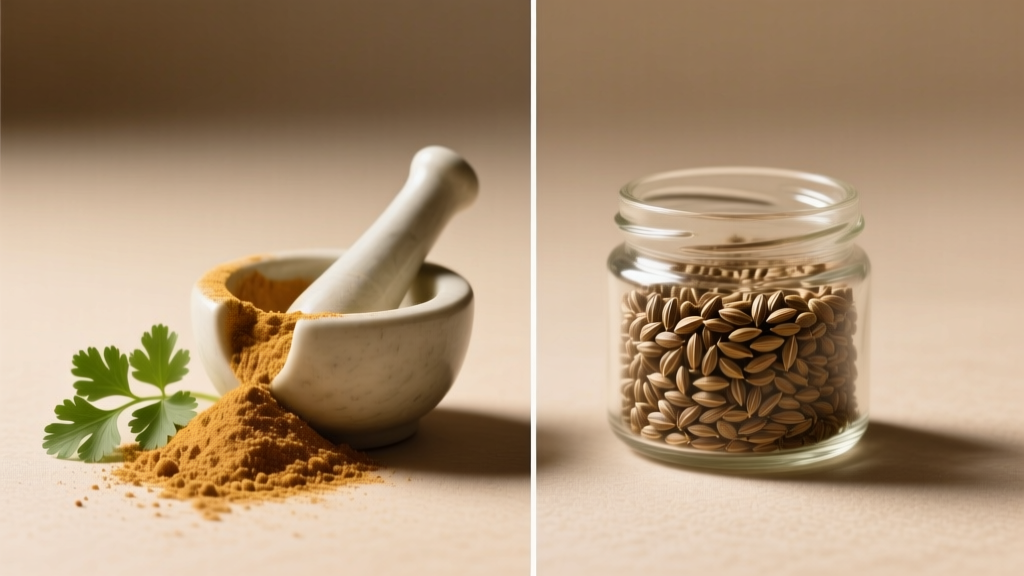 Ground Coriander vs Coriander Seeds: Key Differences
 Aloo Paratha Recipe: Perfect Potato Stuffed Flatbread
 Indian Cuisine Recipes: Authentic Home Cooking (2026)
 Spicy Shrimp BBQ: Fresh Shrimp Guide & No-Fail Grilling Tips
 Slow Cook Sausage and Potatoes: No-Brown 6-Hour Recipe
 How to Make Lentil Dahl: Simple Steps & Nutritional Benefits
 Cheese Potato Soup: Perfect Recipe & Pro Mistake Fixes
 Pepper Jelly and Cream Cheese Appetizer: 5-Minute Party Recipe With 3 Variations
 Pickle vs Cucumber: 5 Key Differences (2026)
 Vacuum Sealing Spices: Is It Worth It? (6-Month Test Results)