
Cassia Cinnamon vs Ceylon: Key Differences (2026)
Why You're Probably Using Cassia Right Now (And Why It Matters)
Let's be real: if you've ever grabbed "cinnamon" from a supermarket shelf, you're almost certainly holding cassia. I've lost count of how many home cooks I've seen confused at the spice aisle, thinking all cinnamon sticks are the same. Truth is, cassia dominates North American shelves (about 70% market share), but it's not the delicate "true" cinnamon you might expect. This mix-up isn't just culinary—it affects your health and recipes. After 20 years testing spices globally, I've watched cassia become the default while most folks remain clueless about its quirks. So, what gives?
Breaking Down Cassia: Not All Cinnamon Is Created Equal
You know that rusty-brown stick in your pantry? That's cassia—technically not "real" cinnamon at all. True cinnamon (Ceylon) comes from Cinnamomum verum trees in Sri Lanka, while cassia is harvested from three main species:
- Chinese cassia (Cinnamomum cassia): The most common type, reddish-brown with a sharp, spicy kick
- Vietnamese cassia (C. loureiroi): Deeper rust color, almost cinnamon-candy sweet with a bitter finish
- Indonesian cassia (C. burmannii): Greyish-brown, softer bark, and the mildest of the three
Honestly, cassia's dominance comes down to cost and hardiness—it grows faster and cheaper than Ceylon. But here's where things get messy: cassia packs way more cinnamaldehyde (the compound giving cinnamon its punch), making it bolder but also harsher in subtle dishes. I've ruined delicate apple pies by subbing cassia for Ceylon more times than I care to admit.
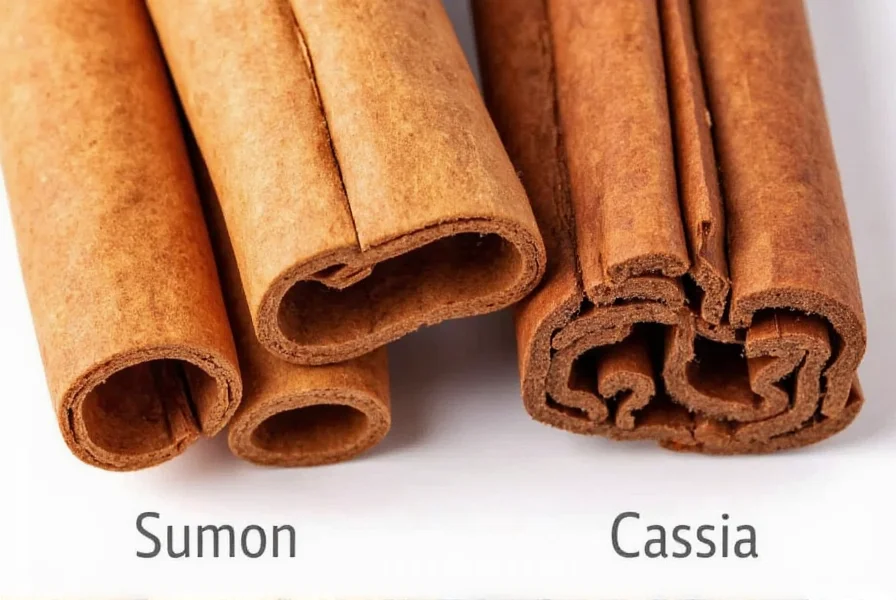
| Feature | Cassia Cinnamon | Ceylon Cinnamon |
|---|---|---|
| Appearance | Thick, single-layer scroll; dark reddish-brown | Thin, multi-layered "quills"; light tan |
| Coumarin content | 0.31–6.97 g/kg (varies by type) | 0.017 g/kg (ultra-low) |
| Flavor profile | Intense, spicy-sweet with bitter notes | Mild, floral, citrusy |
| Global supply share | ~90% (per Spice Exotica) | ~10% |
| Price point | Cheaper (often 1/3 the cost) | Premium |
When to Reach for Cassia (And When to Run)
Here's the thing: cassia isn't "bad"—it just has a job description. I use it deliberately in specific scenarios where its boldness shines:
✅ Perfect for cassia:
- Savory dishes: Like Vietnamese phở broth or Indonesian rendang—its intensity holds up against strong flavors
- Baked goods with robust spices: Think gingerbread or pumpkin pie where clove/nutmeg mask bitterness
- Commercial blends: Five-spice powder relies on cassia's punch (per Spice Exotica)
❌ Avoid cassia when:
- You're making daily oatmeal or coffee—coumarin builds up in your system
- Cooking for children or liver-compromised individuals (safe limit is 0.1mg/kg body weight per day)
- Need subtle flavor—like French toast or custards where Ceylon's floral notes win
Look, I get it—cassia's cheap and everywhere. But after seeing a client hospitalized from chronic overuse (yes, really), I now treat it like hot sauce: powerful in small doses, dangerous when abused.
Spot Cassia Like a Pro: No Lab Needed
Forget fancy tests—you can ID cassia in seconds. Here's my field-tested method:
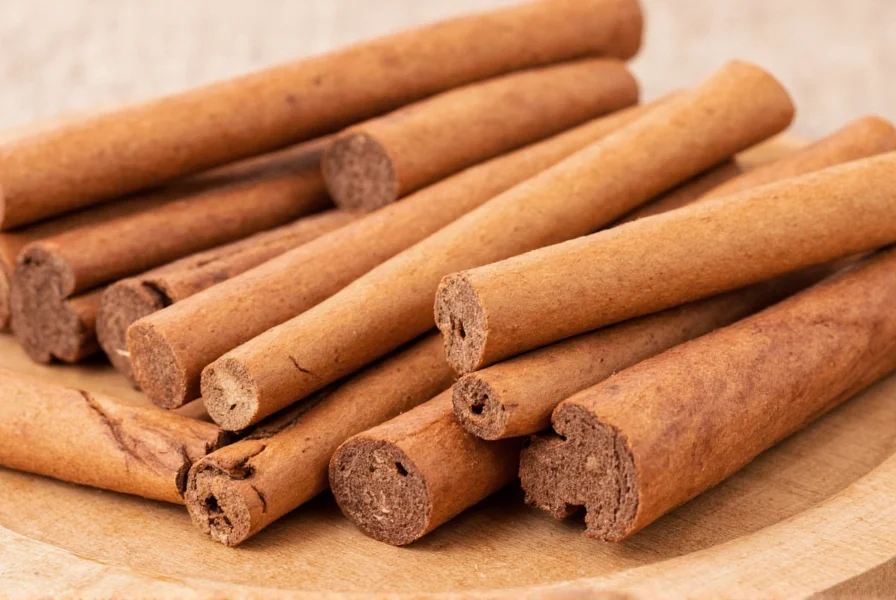
- Roll check: Try bending a stick. Cassia snaps like a twig (it's thick and hard); Ceylon curls gently without breaking.
- Color test: Hold it against paper. Cassia is deep rusty-brown; Ceylon looks pale, almost beige.
- Smell test: Crush a bit. Cassia hits you with aggressive spice; Ceylon whispers sweet wood.
Watch out for sneaky traps though. Some brands label cassia as "Mexican cinnamon" (it's not—Mexico imports Chinese cassia). And that "cinnamon" in your grocery store's bulk bin? 99% chance it's cassia. Always check for "Cinnamomum verum" if you want true Ceylon.
Final Reality Check: My Kitchen Rules for Cassia
After decades in spice trade, here's my no-BS advice:
- For daily use: Switch to Ceylon. It's pricier but safer long-term (Ceylon has 250x less coumarin per Sri Lanka Business).
- When buying cassia: Opt for Vietnamese (Saigon) if you want sweeter notes—it's less bitter than Chinese.
- Max safe dose: Stick to 1 teaspoon max daily (per European Food Safety Authority). More than that? You're playing roulette with your liver.
And please—don't fall for "cassia is healthier" myths. Yeah, it contains hydroxy chalcone (which may help insulin sensitivity), but the coumarin risk outweighs benefits for most people. Save it for special-occasion dishes, not your morning coffee.
Everything You Need to Know
No—regular cassia use risks liver damage due to high coumarin (0.31–6.97 g/kg). The European Food Safety Authority recommends max 0.1mg coumarin per kg body weight daily. For most adults, that's under 1 teaspoon of cassia. Use Ceylon for daily applications since it contains only 0.017 g/kg coumarin (Cinnamon Vogue).
Check the stick formation: Cassia forms a single thick scroll (like a rolled newspaper) that's hard to bend, while Ceylon has multiple paper-thin layers that curl easily without snapping. Cassia is also darker—reddish-brown versus Ceylon's light tan (The Spice House).
Cassia trees grow faster (harvest-ready in 2 years vs Ceylon's 4–5) and yield more bark per tree. It's primarily farmed in China, Indonesia, and Vietnam where labor costs are lower. This efficiency lets cassia dominate 90% of global supply at roughly one-third Ceylon's price (Spice Exotica).
Yes, but with caveats: Use ¾ the amount of cassia since it's more potent. Avoid it in delicate recipes (like crème brûlée) where its bitterness shows. For gingerbread or spice cakes, it works great—but never swap 1:1 in daily-use items like oatmeal. Pro tip: Add a pinch of cardamom to cassia to mellow harsh notes.
Keep it in an airtight container away from light and heat—like your spice cabinet, not above the stove. Ground cassia loses potency in 6 months; sticks last 1–2 years. Never refrigerate (moisture ruins spices). If it stops smelling fragrant when crushed, it's time to replace. I always buy small batches since cassia's cheap anyway.
More Articles
 Homemade Chicken Soup: Simple Recipe & Pro Tips
 Authentic New Mexican Recipes: Culture, Chiles & Key Dishes
 Vegetarian Potato Soup Recipe: Creamy & Simple (30 Minutes)
 Pumpkin Cinnamon Buns: Real Talk From 20 Years Baking
 Cinnamon Loaf Cake: Why It's Not a Roll (And How to Nail It)
 How To Repair Ginger: Reviving Wilted, Shriveled, or Moldy Rhizomes Like a Pro
 Simple French Onion Soup Recipe: Easy Steps for Home Cooks
 Spicy Lentil Soup: Protein-Packed & Ready in 45 Minutes
 Costco Chicken Soup: Real Review of Kirkland Noodle Soup
 Crockpot Taco Soup: Simple Slow Cooker Dinner Guide