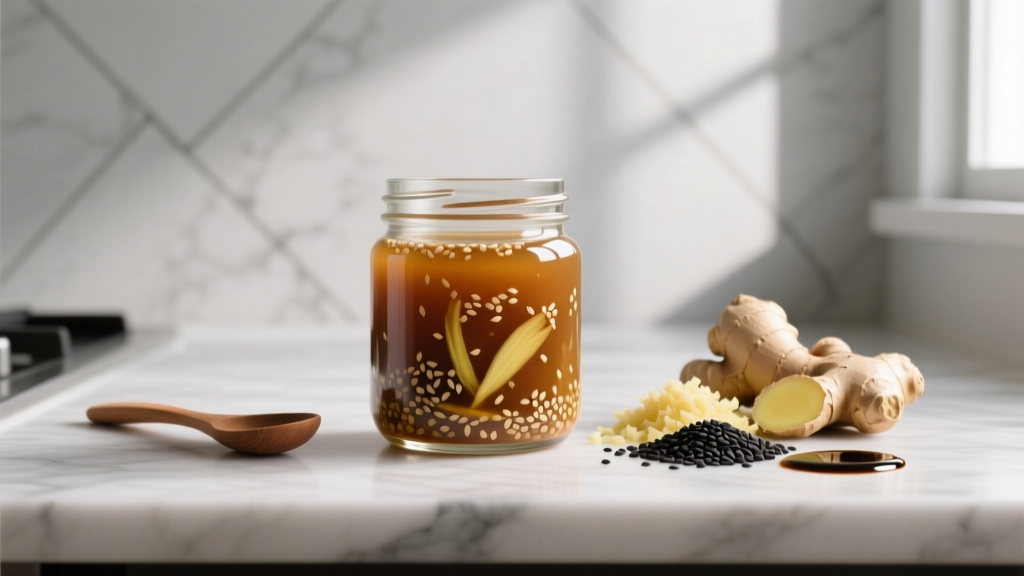
Sesame Ginger Dressing: Real Recipe & Smart Buying Guide
Let's be real—you've probably grabbed a bottle of sesame ginger dressing at the store, excited for a quick healthy meal, only to flip the label and see crazy sugar levels or sketchy oils. Happened to me too many times early in my career. The good news? This sauce is dead simple to make right, and knowing what's actually in it changes everything. Honestly, once you taste the real deal with fresh ingredients, you'll never go back to the bottled junk.
Why Fresh Ginger and Sesame Oil Make All the Difference
See, most store versions cut corners with ginger powder and cheap oils. But fresh ginger—grated right before mixing—gives that bright, spicy kick you can't fake. I've clocked hundreds of batches over the years, and the texture? Totally different. Powdered ginger turns muddy; fresh stays vibrant. Same with sesame oil: toasted black sesame oil (not the pale kind) adds nutty depth without bitterness. Oh, and skip canola or soybean oil bases—they muddy the flavor. Stick to cold-pressed sesame or hemp oil for purity.

Homemade vs. Store-Bought: What You're Really Paying For
Look, I get it—sometimes you need convenience. But let's break down what's hiding in those bottles versus whipping up your own. I've compared nutrition labels and ingredients for years, and the differences aren't subtle. Store brands often load up on sugar or use soy sauce with wheat (a sneaky issue if you're gluten-sensitive). Homemade? You control every drop. Here's how common options stack up based on verified nutrition data:
| Product Type | Sugar per 2 Tbsp | Key Oils Used | Biggest Red Flag |
|---|---|---|---|
| Homemade (basic recipe) | 1-2g (from natural sources) | Toasted sesame oil only | None—full ingredient control |
| Foods Alive Organic [source] | 1g | Hemp + black sesame oil | None—clean vegan/gluten-free |
| Newman's Own [source] | 4g | Canola + sesame oil | Added sugar, soy sauce with wheat |
| Food Network Kitchen [source] | 7g | Not specified | High sodium (250mg), 7g sugar |
Notice how sugar jumps in commercial versions? Newman's Own packs 4g, while Food Network Kitchen hits 7g—that's like adding a teaspoon of sugar to your salad. And canola oil? It dulls the ginger's zing. Foods Alive stands out as a clean option, but honestly, making your own takes 5 minutes and costs pennies. No brainer.
When to Use It (and When to Skip It)
Okay, let's talk real talk about where this dressing shines—and where it flops. I've seen chefs force it into dishes where it just doesn't belong, so save yourself the hassle.
- Use it for: Asian slaw salads, cold noodle bowls (seriously, toss with soba), or as a marinade for salmon or tofu. The acidity cuts through rich proteins beautifully.
- Avoid it for: Delicate greens like butter lettuce—it overpowers them. Also skip if you're nut-allergic (sesame is a common trigger) or avoiding soy. And never use it on fruit salads; the ginger clashes with sweetness.
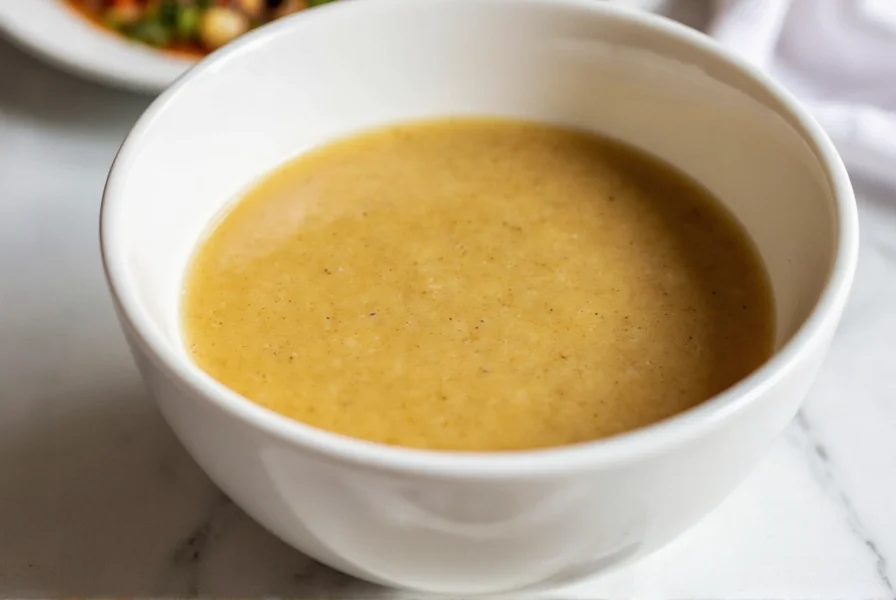
Your Foolproof Homemade Recipe (No Fancy Gear Needed)
After two decades of tweaking, this is the dead-simple version I use weekly. It skips obscure ingredients and focuses on what matters: fresh flavor. Seriously, you'll finish it before the takeout arrives.
You'll need:
- 3 tbsp rice vinegar
- 2 tbsp toasted sesame oil
- 1 tbsp soy sauce or coconut aminos (for gluten-free)
- 1 tbsp fresh ginger, grated (key!)
- 1 tsp honey or maple syrup
- 1 clove garlic, minced
- 1 tsp sesame seeds
How to: Whisk vinegar, sesame oil, and soy sauce first. Then add ginger, honey, garlic, and sesame seeds. Shake in a jar if you're lazy—I do. Tastes best when rested 10 minutes so flavors marry. Store in fridge for up to 2 weeks (glass jar preferred).
3 Mistakes Even Experienced Cooks Make
Don't laugh—I've done these myself. First, using old ginger: if it's soft or moldy, skip it. Fresh ginger should feel rock-hard. Second, overheating the oil: never cook the dressing—it kills the ginger's brightness. Third, ignoring acidity balance. Too much vinegar? Add a pinch of sugar. Too sweet? Splash more vinegar. Taste as you go; that's how pros avoid disasters.
Everything You Need to Know
No—sesame is a major allergen here. Even "sesame-free" versions often cross-contaminate during production. For nut-free alternatives, try a ginger-scallion dressing using avocado oil instead. Always check labels for "may contain sesame" warnings.
Up to 2 weeks in the fridge when stored in a sealed glass jar. The vinegar acts as a natural preservative. If it smells sour (not in a good way) or separates permanently, toss it. Commercial versions last longer due to added stabilizers like xanthan gum.
Homemade versions are solid—packed with ginger's anti-inflammatory benefits and healthy fats from sesame oil. But store-bought? Many pack 4-7g of added sugar per serving (like Food Network Kitchen's version). Check labels: under 2g sugar and no canola/soybean oil makes it a win.
Yes, but it changes the profile. Rice vinegar is milder and sweeter; apple cider vinegar adds tang. Use 3:1 ratio (3 parts rice vinegar to 1 part cider) to balance acidity. Never skip vinegar entirely—it's crucial for cutting the oil's richness.
For proteins like chicken or tofu, marinate 15-30 minutes max—longer makes ginger too harsh. Always reserve some fresh dressing for serving; never reuse marinade that touched raw meat. Works great for shrimp too (5 minutes only!).
More Articles
 Chicken Spice Pairing Guide: What Actually Works
 Indian Soup Recipes: Simple Steps & Cultural Tips
 Grilled Chicken Seasoning Guide: Proven Blends That Work
 Turmeric Stains: 5 Prevention & Removal Tips
 Lemon Pepper Wings: Crispy Dry Rub Guide No Sauce Needed
 Simple Chicken and Vegetable Soup Recipe: A Chef's Guide
 Potato Soup with Hash Browns & Cream Cheese That Works
 Whole Clove Spice: Cooking Uses and Quality Tips
 How to Remove Hot Pepper From Hands Safely
 Spicy Lentil Soup: Protein-Packed & Ready in 45 Minutes