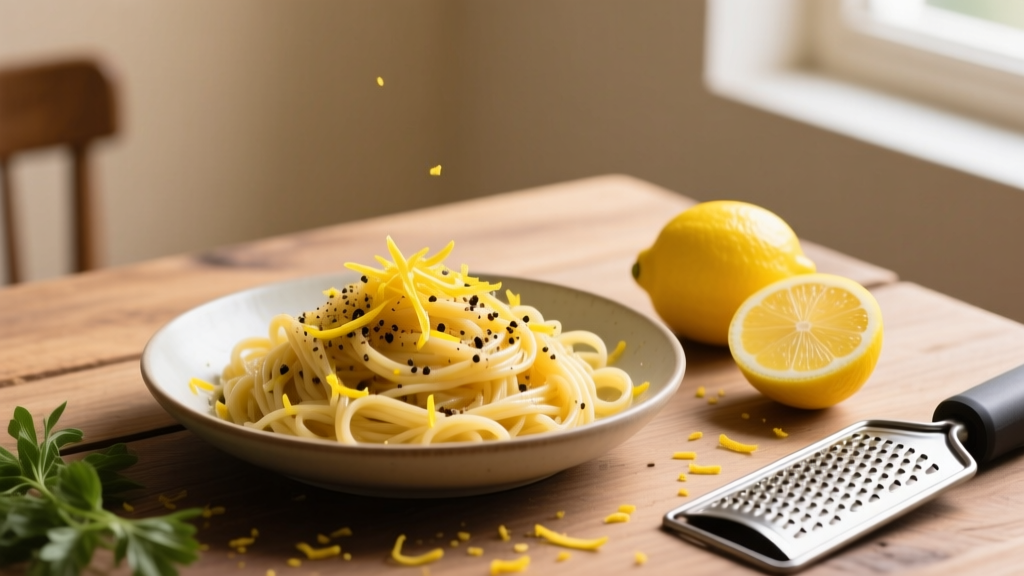
Lemon Pepper Pasta: Why Fresh Zest Beats Juice Every Time
Why Your Lemon Pepper Pasta Keeps Failing (And How to Fix It)
Look, I’ve made this mistake more times than I care to admit. You follow a recipe, add lemon juice at the end, and end up with a grainy, bitter mess. Honestly? It’s not your cooking skills – it’s the ingredients. Most "easy" recipes skip the science behind why lemon and pepper behave badly when mishandled. Let’s fix that.
The Zest vs. Juice Trap (And Why It Matters)
See, lemon juice contains citric acid. When you add it directly to hot pasta water (which is alkaline), it causes curdling – that weird grainy texture nobody wants. But lemon zest? That’s where the magic oils live. No water content, just pure flavor that clings to noodles. The FDA confirms citric acid’s reaction with alkaline substances causes texture breakdown in dairy-free sauces (FDA.gov/citric-acid).
| Ingredient | When to Add | Flavor Impact | Texture Risk |
|---|---|---|---|
| Lemon zest | With pasta water emulsion | Bright, floral notes | None |
| Bottled lemon juice | Never (causes curdling) | Flat, metallic | High – grainy sauce |
| Fresh lemon juice | Only in final 30 seconds | Sharp acidity | Medium – use sparingly |
Pro move: Freeze leftover zest in ice cube trays with olive oil. Pop one into the pan when finishing – no weird texture, just instant brightness.
Pepper Isn’t Just Pepper (Seriously)
That dusty bottle in your spice rack? Yeah, that’s the problem. Pre-ground pepper loses 70% of its volatile oils within a week (per University of California’s spice stability study). Tellicherry peppercorns – the large, dark ones – have deeper fruit notes that won’t turn bitter when heated. Crack them just before adding to the pan.
When to Use (Or Avoid) This Sauce
It’s not for every situation. I’ve learned this the hard way:
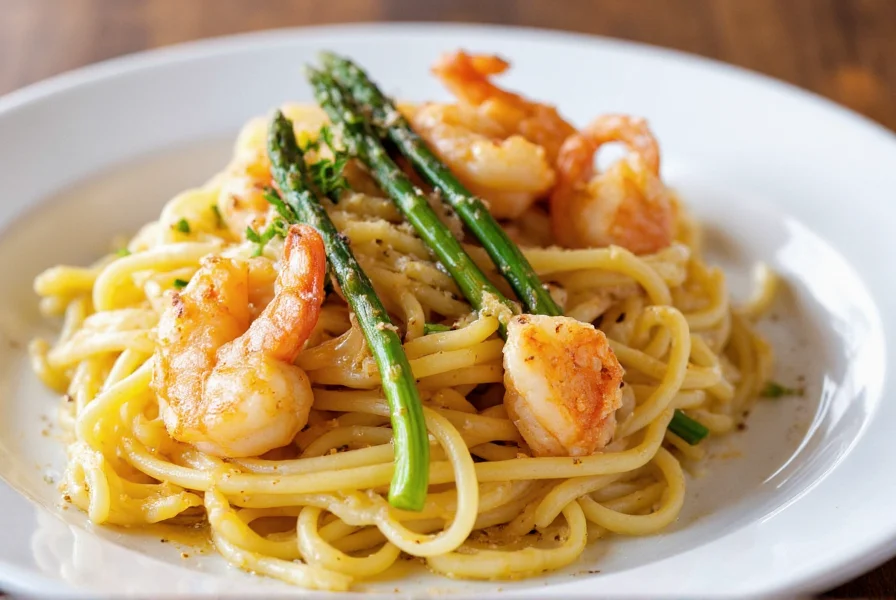
- DO use it for light proteins like shrimp or scallops – the acidity cuts through richness without overpowering
- DO use it in summer when tomatoes are meh – provides that fresh pop other sauces miss
- AVOID it with delicate fish like sole – lemon oils will “cook” the fish further
- AVOID it for meal prep – zest loses potency after 24 hours (trust me, I tried)
The 4-Minute Flavor Boost You’re Missing
Here’s what chefs actually do: After draining pasta, don’t rinse it. Toss it immediately in a cold pan with 1/4 cup starchy pasta water, 2 tbsp olive oil, and your zest. The starch emulsifies with oil to create that “creamy” texture – no dairy needed. Then crack pepper directly into the pan. The residual heat blooms the pepper oils without burning them. Game changer.
Real Talk About Common Mistakes
I’ve seen so many folks ruin this:
- Over-zesting – More than 1 tsp zest per serving makes it medicinal. Stick to microplaned zest (white pith = bitter)
- Wrong noodle shape – Spaghetti? Nah. Use bucatini or rigatoni – those tubes trap the zest and pepper
- Adding pepper too early – Cooks out the volatile compounds. Always in the last 60 seconds
Everything You Need to Know
No – store-bought blends contain salt and anti-caking agents that make sauces gritty. That’s why your sauce breaks. For authentic flavor, you need fresh zest and whole peppercorns. Period.
Two likely culprits: You’re using lemon juice instead of zest (acid curdles the emulsion), or you’re adding pepper too early. Pepper turns bitter after 90 seconds of direct heat – always crack it in the final minute.
Max 24 hours refrigerated. The lemon zest oxidizes and turns bitter, and the pepper loses its floral notes. Reheating makes it worse – this isn’t a meal-prep dish. Make it fresh.
Yes – when made traditionally. No cream or butter means it’s naturally low-calorie (about 380 kcal/serving). Lemon zest provides vitamin C and antioxidants, while black pepper enhances nutrient absorption. Just skip the store seasoning blends loaded with sodium.
Tellicherry peppercorns. They’re larger, darker, and harvested later than regular black pepper – giving deeper fruit notes without the harsh burn. Avoid pre-ground; the oils degrade fast. A $5 pepper mill is your best friend here.
More Articles
 Broccoli Soup Guide: Quality Choices & Real Tips
 Green Goddess Dressing Recipe: Authentic Ingredients
 Bun Bo Hue: Vietnam's Spicy Noodle Soup vs Pho
 How to Grow Saffron (Kesar): Practical Home Guide
 Easy Cinnamon Roll Cookies Recipe: No Yeast, 30 Minutes
 Beef Stew Spices Guide: Proven Blends for Rich Flavor
 Pie Crust Cinnamon Rolls: Smart Apple Pie Shortcut
 Half Onion to Onion Powder Conversion Guide
 Beef with Cabbage Soup: Facts, Recipe & Nutrition
 Chili Powder Substitute: Reliable Replacements (2026)