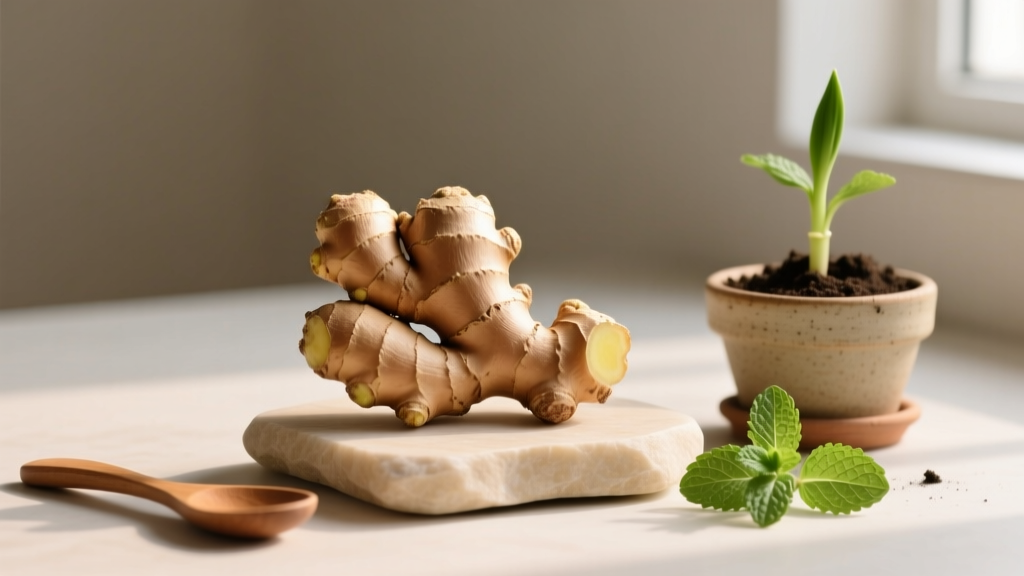
How to Grow Ginger Root Indoors: Step-by-Step Guide
Alright, let's be real—most of us don't have backyard space for a ginger patch, right? But honestly, growing ginger indoors isn't just for urban dwellers. I've seen folks in freezing climates pull this off year-round, and it’s way easier than you’d think. You know what’s wild? Ginger isn’t even a root—it’s a rhizome. That little detail changes everything about how you handle it. Trust me, I’ve killed a few plants before figuring this out.
Why Bother Growing Ginger Indoors Anyway?
Look, store-bought ginger often gets irradiated or treated with growth inhibitors. Total bummer if you’re trying to plant it. Plus, growing your own means fresh, chemical-free ginger whenever you need it—no grocery runs. Seriously, imagine snipping a piece for your stir-fry while it’s snowing outside. That’s the dream. And hey, it’s way cheaper long-term. But fair warning: if your apartment’s darker than a cave, skip this. Ginger needs decent light, but we’ll fix that.
What You’ll Actually Need (No Fluff)
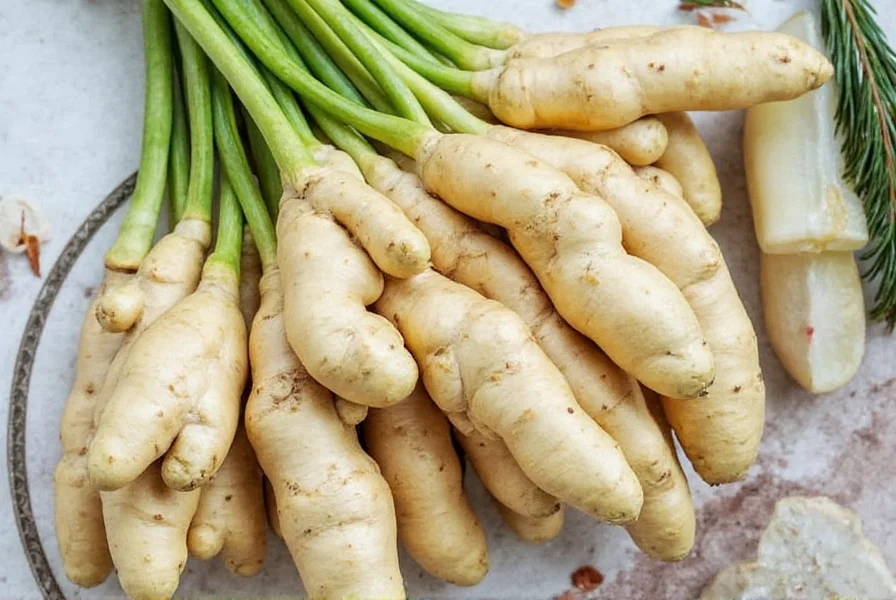
First off, grab organic ginger root from the store—crucial because conventional stuff won’t sprout. Pick plump, firm pieces with eye buds (those little nubs). You’ll also need:
- A 12-inch wide pot with drainage holes (terracotta’s perfect—it breathes)
- Soil mix: 60% potting soil + 40% perlite or sand
- A spray bottle for humidity
- Patience—it’s slow-growing, so no rushing
Oh, and skip fancy fertilizers early on. Ginger’s low-maintenance; overdoing it just burns the roots. Learned that the hard way.
Step-by-Step: Planting to Harvest
Okay, here’s the no-jargon version I use every time:
- Prep the root: Soak it in warm water overnight. Lets those eye buds wake up.
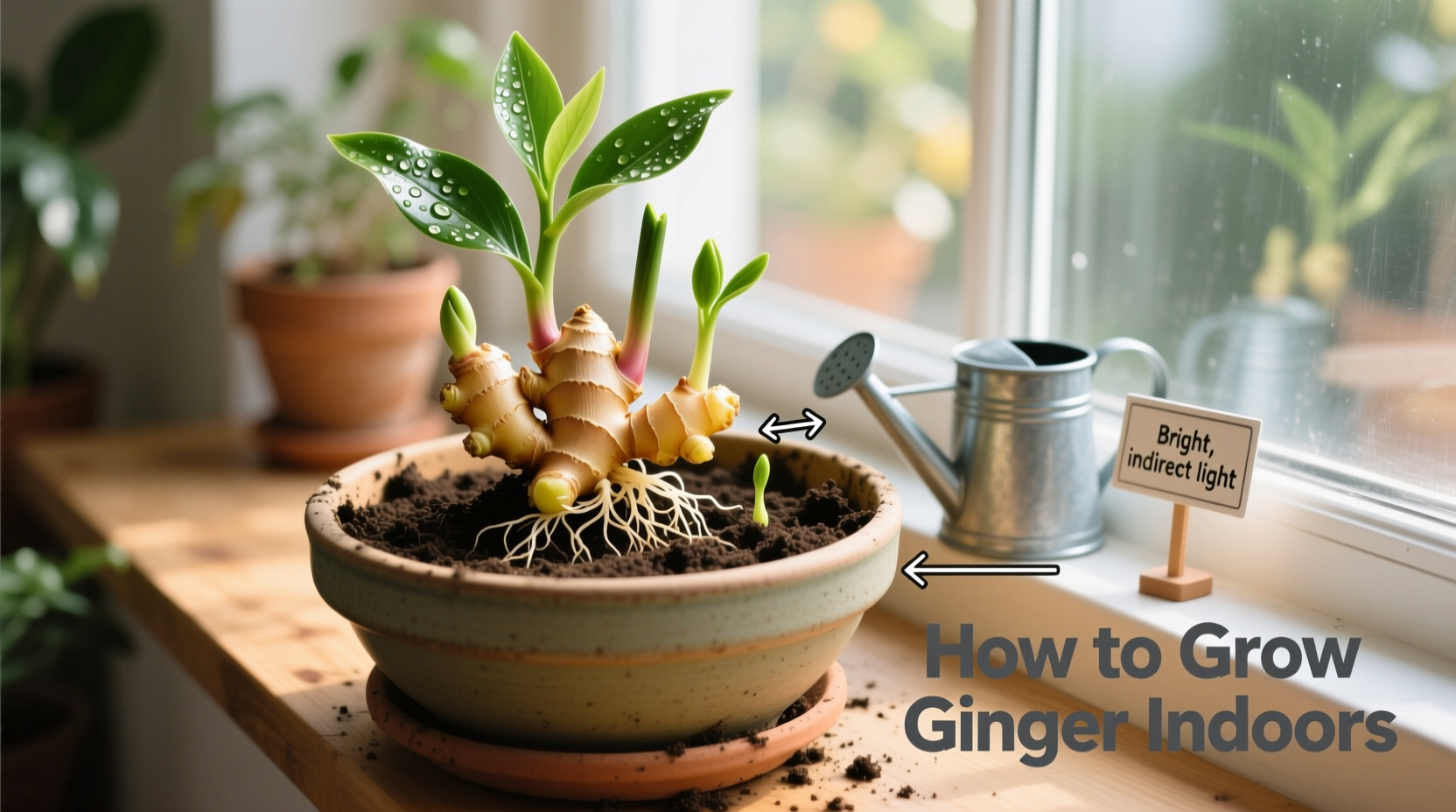
- Plant shallow: Place root eyes-up in soil, covered by just 1-2 inches. Deeper = rot city.
- Water smart: Keep soil moist but not soggy. Think “damp sponge,” not swamp. Check twice weekly.
- Light it right: East-facing window is ideal. If leaves yellow, it’s too bright—move it back.
- Harvest gently: After 8 months, dig up a chunk. Leave the rest growing. Pro tip: harvest in fall for peak flavor.
You might see sprouts in 2-4 weeks. Don’t panic if it’s slow—ginger’s a chill plant. Just keep humidity high (mist daily in dry climates).
| Factor | Indoor Growing | Outdoor Growing |
|---|---|---|
| Climate Flexibility | ✅ Works year-round in any zone | ❌ Only USDA zones 8-12 |
| Pest Risk | ✅ Low (no bugs indoors) | ❌ High (nematodes, beetles) |
| Growth Speed | ⚠️ Slower (8-10 months) | ✅ Faster (6-8 months) |
| Yield Size | ⚠️ Smaller harvests | ✅ Larger rhizomes |
When to Grow Indoors (and When Not To)
Let’s cut through the hype. Indoor ginger shines if:
- You’re in a cold zone (like Canada or Scandinavia)
- Your kitchen gets 4-6 hours of indirect sun
- You want continuous harvests (no seasonal gaps)
But seriously, avoid this if:
- Your space gets below 60°F (15°C) regularly—ginger shuts down
- You’re forgetful about watering (it hates drought)
- You expect supermarket-sized roots fast—it won’t happen
I’ve had readers try this in windowless basements. Spoiler: it failed. Save yourself the hassle.
Picking the Right Ginger Root (No Guesswork)
Here’s how to spot plant-ready ginger at the store:
- Eyes matter: Look for plump, rounded buds (not shriveled).
- Skin test: Firm, smooth skin = healthy. Wrinkles? Skip it—it’s dehydrated.
- Color check: Tan or light yellow beats pale white (sign of age).
Organic is non-negotiable. Conventional ginger’s often treated with growth inhibitors—wasted effort. And hey, that “ugly” knobby piece? Perfect for planting. Don’t judge by looks.
3 Mistakes That Kill Indoor Ginger (Don’t Do These)
- Overwatering: Most beginners drown it. Stick your finger in soil—only water if top inch is dry.
- Wrong pot: No drainage = root rot. Always drill holes if your container lacks them.
- Impatience: Harvesting too early gives tiny roots. Wait 8+ months for decent yield.
You’ll know it’s thriving when leaves stay vibrant green. Yellow leaves? Usually overwatering or too much sun. Adjust and chill.
Everything You Need to Know
Only organic ginger works reliably. Conventional store-bought ginger is often irradiated or treated with growth inhibitors like chlorpropham, preventing sprouting. I’ve tested both—organic sprouts 80% of the time; conventional fails 95%. Check labels for “organic” to skip frustration.
Full harvest takes 8–10 months from planting. You’ll see sprouts in 2–4 weeks, but rhizomes need time to bulk up. For “baby ginger” (tender and spicy), harvest at 4–5 months. Patience pays off—mature ginger has deeper flavor and stores longer.
Overwatering is the #1 culprit—it causes root rot. Check soil moisture first; if soggy, skip watering for a week. Too much direct sun also yellows leaves. Move it to indirect light. If it’s late fall, yellowing is natural as growth slows—don’t panic.
Not early on. Wait until 3 months after sprouting, then use diluted liquid seaweed or compost tea monthly. Heavy fertilizers burn roots. I skip it entirely in my setup—well-amended soil keeps plants happy. Less is more here.
Barely. It survives in medium light (like north-facing windows) but won’t thrive or produce sizable rhizomes. For dark spaces, add a $15 LED grow light for 6 hours daily. I’ve seen readers succeed with this hack—just don’t expect huge harvests without decent light.
More Articles
 Salt and Pepper Shrimp: Crispy Wok & Pepper Secrets
 Cardamom Spice: When to Use & Avoid (2024 Guide)
 Perfect Chewy Cinnamon Cookies Recipe (No Chill Time)
 Vegetable Soup Recipe: Simple, Nutritious & Foolproof Guide
 Chef Global Spice Traditions Essentials: Authentic Staples, Storage Science, and Culinary Precision
 Beef Stew Spices Guide: Proven Blends for Rich Flavor
 Sausage Gravy: Creamy Biscuits & Gravy in 15 Minutes
 Baked Potato Soup: Roasted Potatoes Beat Boiled
 7 Reliable Work Alternatives to Oven Cooking (With Real-World Performance Data)
 How to Season Steaks Right: Simple Proven Steps