Spice Storage & Usage Hacks | SpiceSpotter
Freeze-Dried Herbs: Worth the Price?
Are freeze-dried herbs better than regular dried herbs? We compare flavor, cost, and shelf life to help you decide.
Label Spice Jars: 5 Methods Compared
Compare 5 spice jar labeling methods: chalkboard, printed, vinyl, embossed, and washi tape. Pros, cons, and durability tested.
Vacuum Seal Spices: Worth the Effort?
Is vacuum sealing spices worth it? We tested vacuum-sealed vs regular storage over 12 months. Here are the results.
Spice Paste Storage: Fridge or Pantry?
Should spice pastes go in the fridge or pantry? Storage rules for curry paste, harissa, gochujang, and other common spice pastes.
Dried Herb Shelf Life: Complete Guide
How long do dried herbs last? A complete shelf life guide for basil, oregano, thyme, rosemary, and more with freshness tests.
How to Store Fresh Ginger Root Longer
Keep fresh ginger root usable for weeks with these proven storage methods: fridge, freezer, and sherry wine technique.
Spice Drawer Organizer: Best Options 2026
Compare the best spice drawer organizers for 2026: tiered inserts, labeled jars, and modular systems for any kitchen size.
Spice Jar Labels: A Simple System
Label spice jars with date, name, and origin. A simple system to track freshness and avoid mystery jars.
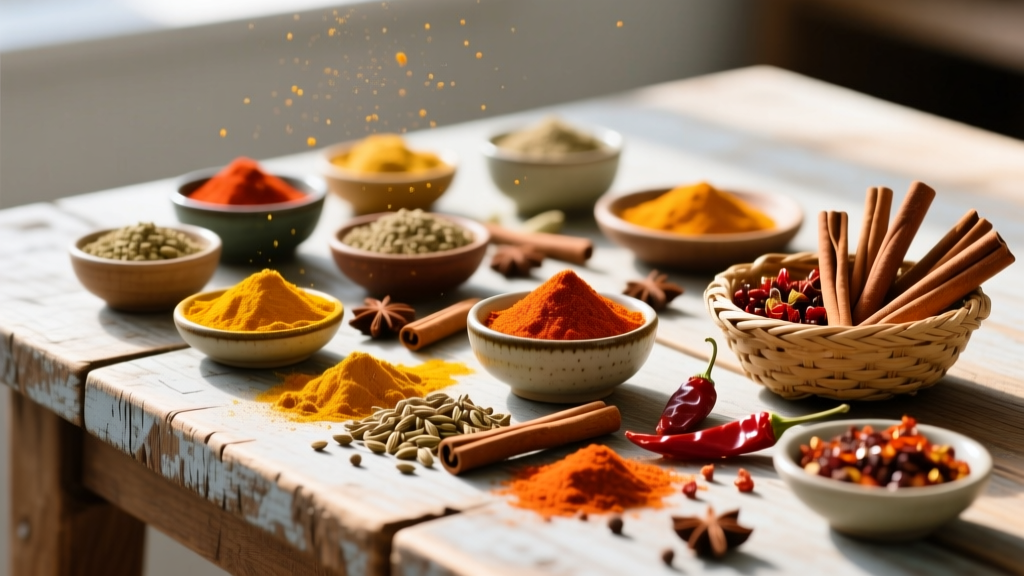
Freeze Spices: Does It Really Work?
Freezing spices extends freshness but has caveats. Learn which benefit and which to keep at room temp.
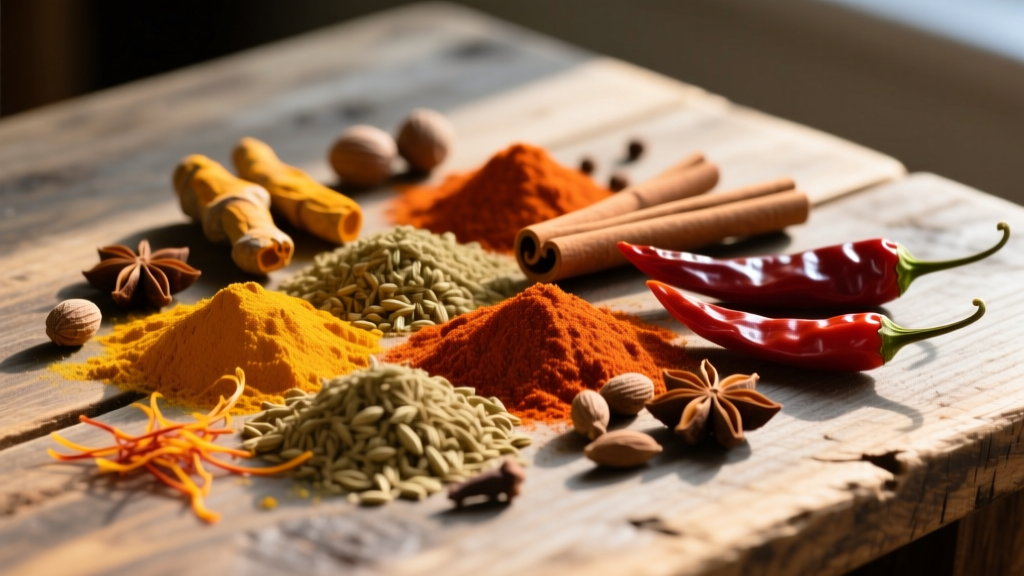
Revive Old Spices: 3 Techniques That Work
Old spices are not useless. Toast, bloom, or double-dose to revive faded flavors before replacing.
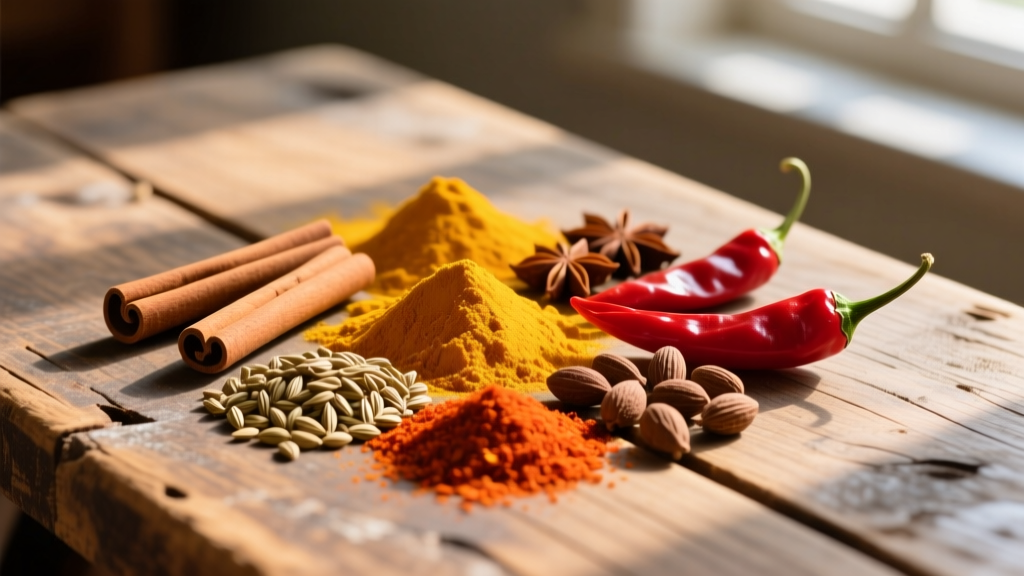
Revive Old Spices: 4 Tricks That Work
Don't throw out faded spices yet. Try these 4 revival techniques before replacing them — some tricks actually restore usable flavor.
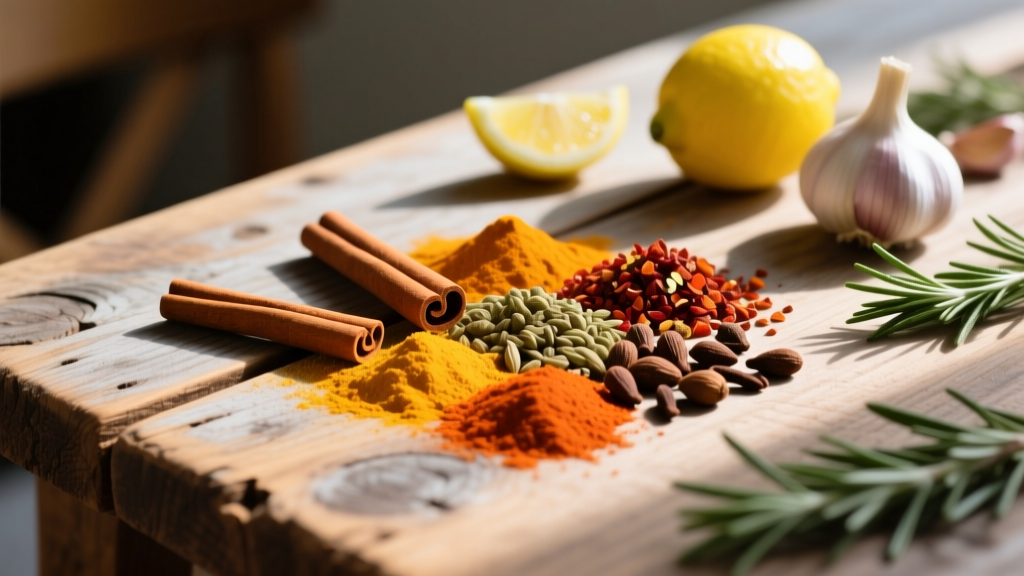
Grind Spices Without a Grinder: 5 Methods
No spice grinder? Use a mortar, rolling pin, coffee grinder, or even a zip-lock bag. Here are 5 effective methods for any kitchen.
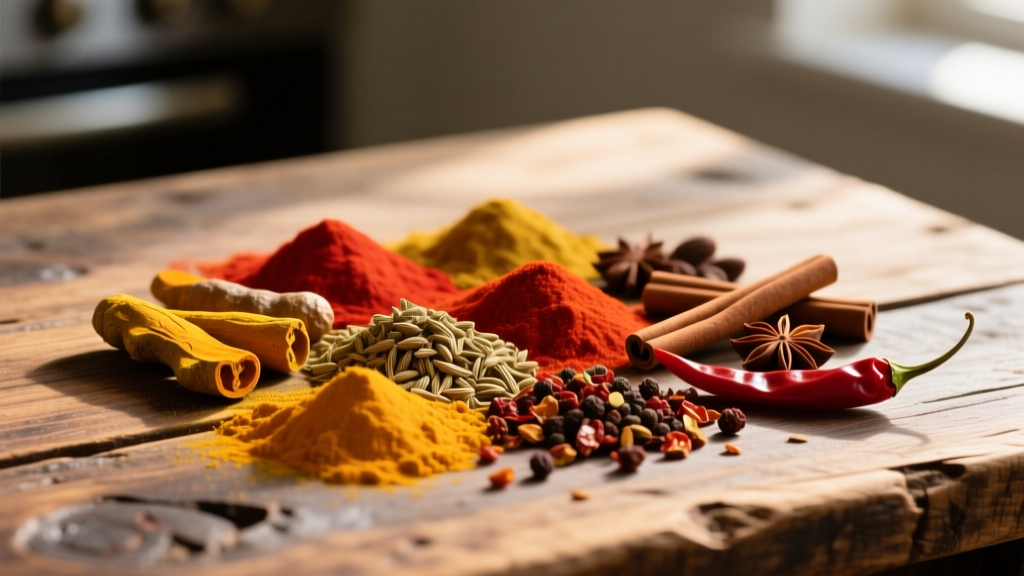
5 Spice Rack Location Mistakes to Avoid
Where you store spices affects their shelf life dramatically. Avoid these 5 common location mistakes that kill flavor fast.
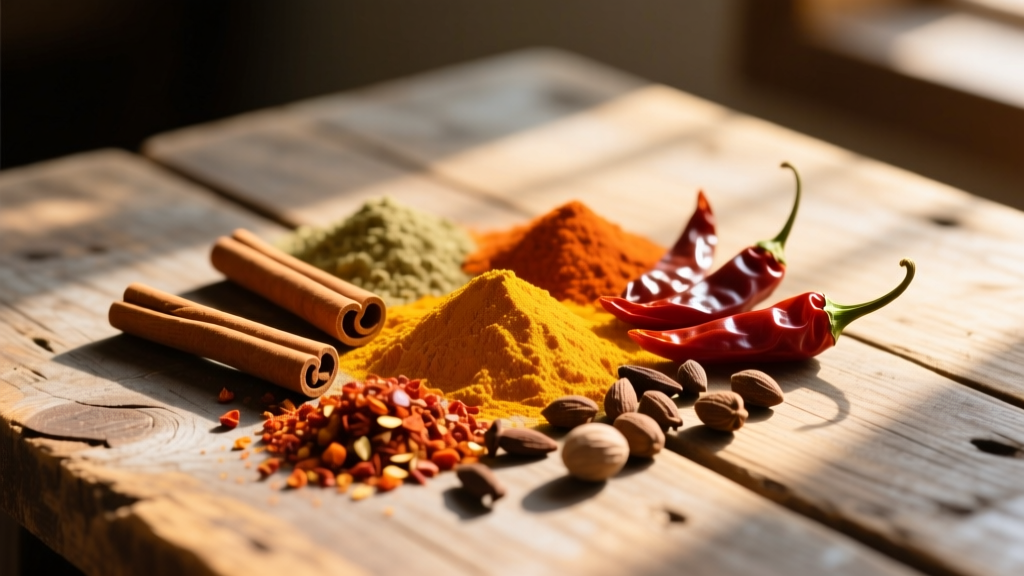
Spice Pairing Chart for Beginners (2026)
Not sure which spices go together? This pairing chart covers 10 common spices and their best partners for any cuisine style.
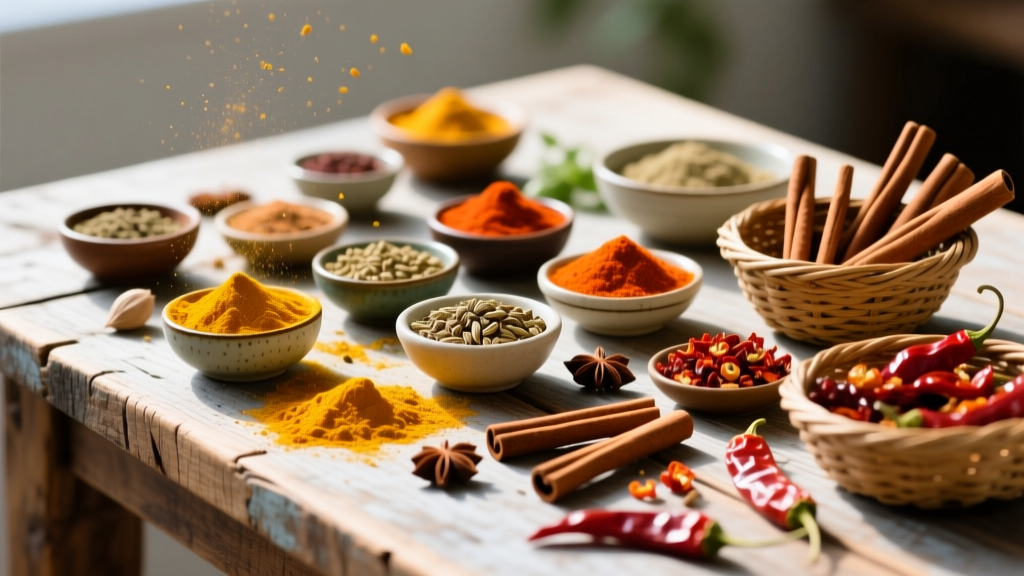
DIY Garam Masala: Fresh Blend in 15 Min
Homemade garam masala tastes vastly better than store-bought. Follow this step-by-step recipe with toasting and grinding tips.
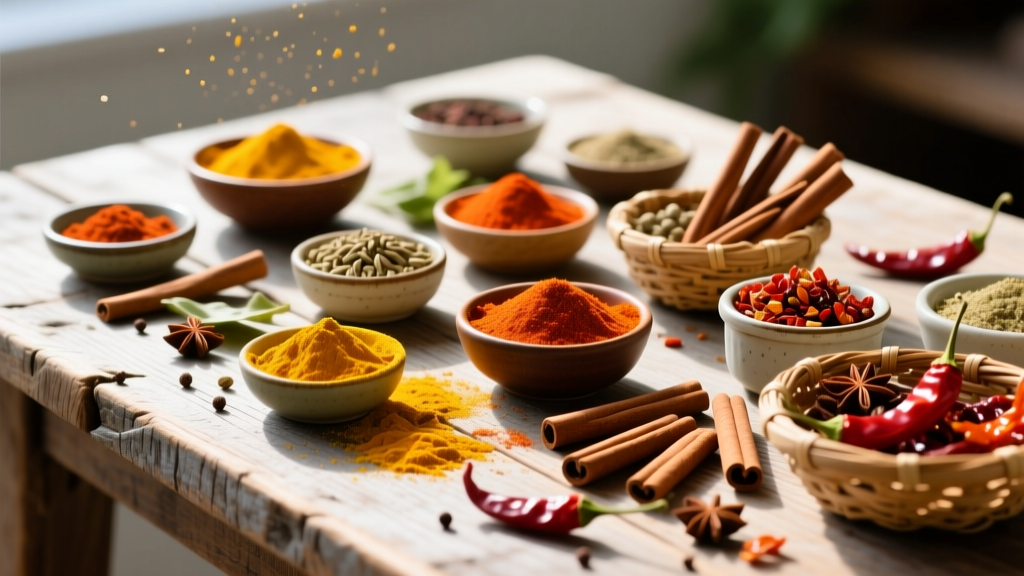
Freeze Spices: Does It Really Work?
Freezing spices can extend freshness by years — but only for certain types. Learn which spices benefit and how to avoid moisture damage.
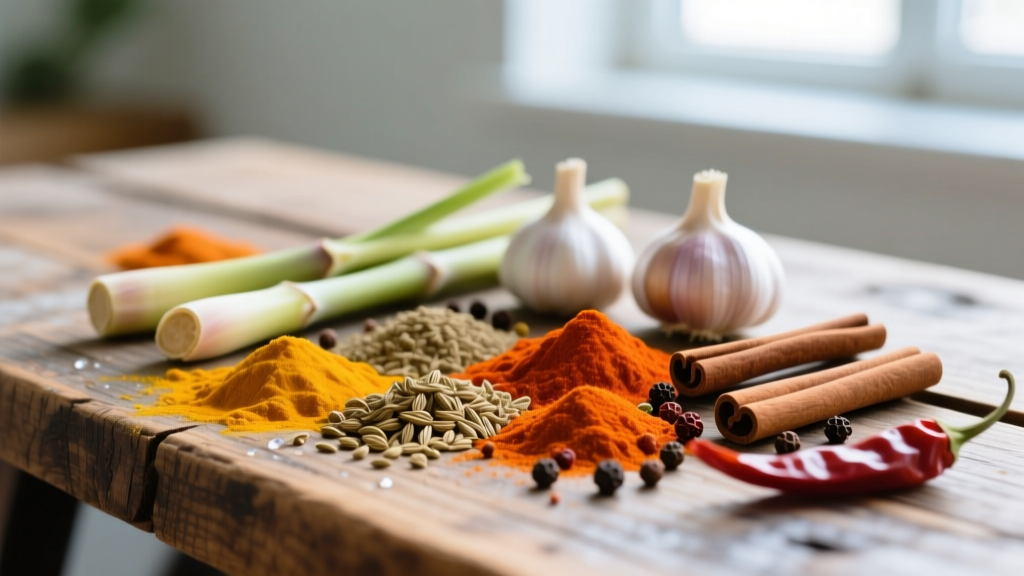
Toast Spices: Dry Pan vs Oil Method
Toasting spices unlocks deeper flavors. Compare dry-toasting and oil-blooming methods to find which works best for each spice type.
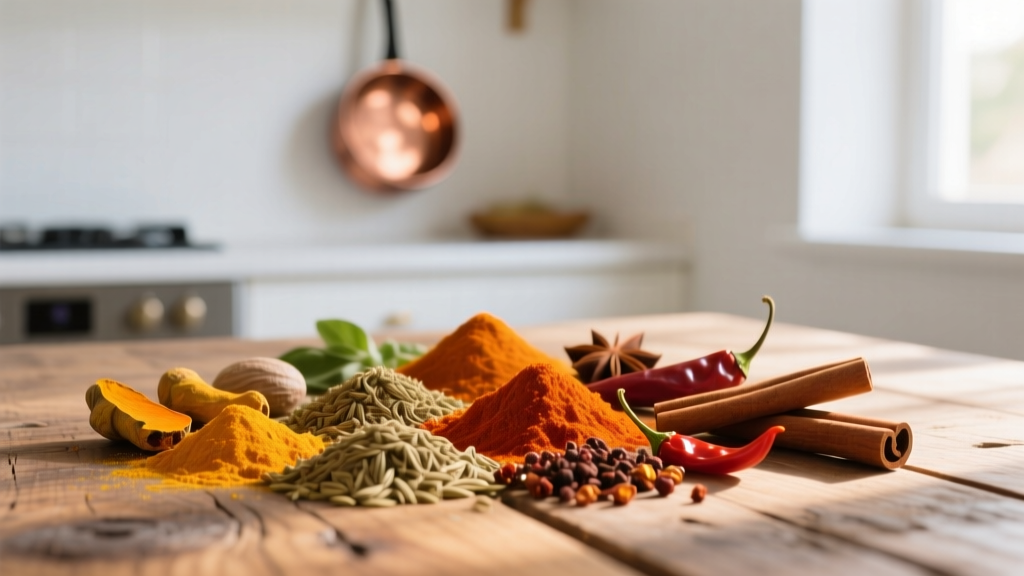
Spice Jar Organization: 8 Smart Layout Tips
Organize your spice collection for speed and freshness. Learn labeling, placement, and rotation strategies that professional chefs use.
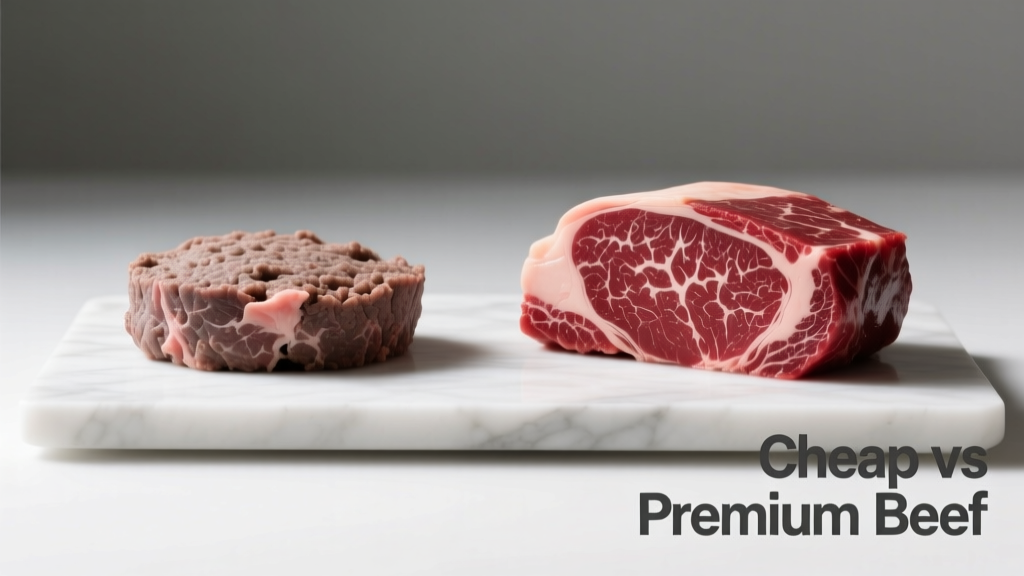
Cheap vs Premium Beef: What You’re Really Paying For — And When It’s Worth It
A no-nonsense, data-driven comparison of budget and premium beef cuts—covering marbling scores, USDA grading, feed regimens, aging methods, price-per-ounce value, and real-world cooking outcomes with brands like Walmart's Great Value, Kroger Simple Truth, Certified Angus Beef, Snake River Farms, and Akaushi. Includes a detailed cost-benefit analysis and actionable storage tips to maximize shelf life and flavor.
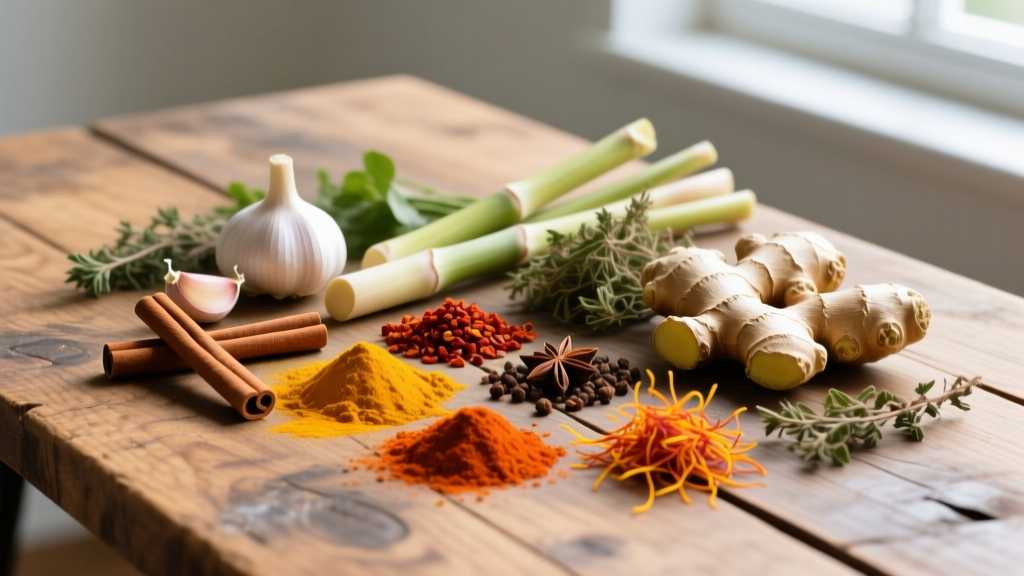
Herbes de Provence: Make Your Own
Blend authentic herbes de Provence at home. Classic recipe plus 5 creative ways to use this French herb mix.
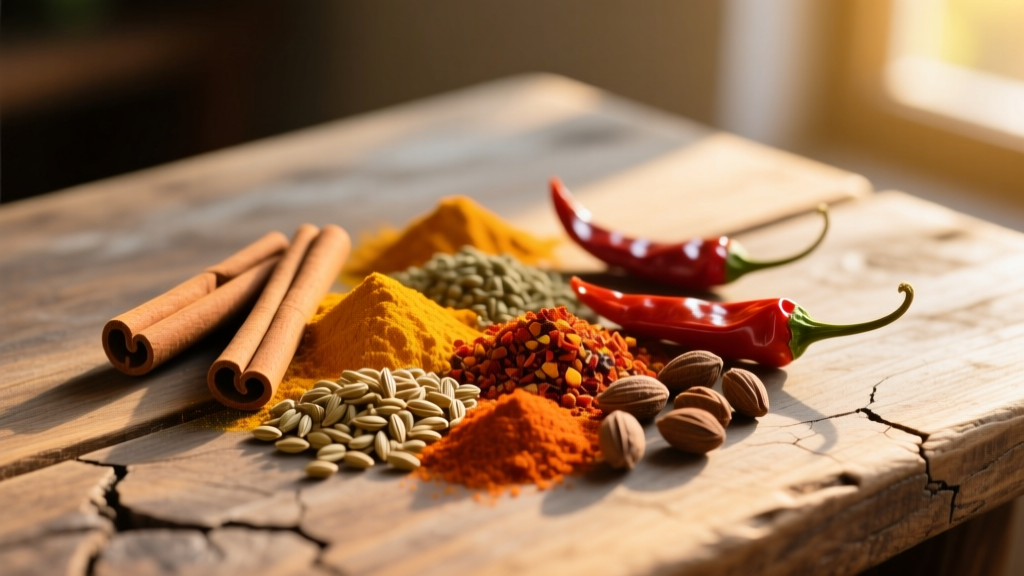
Test Spice Freshness: 5 Quick Methods
Check if your spices are still fresh with these 5 quick tests. Sight, smell, taste, touch, and the water test explained.
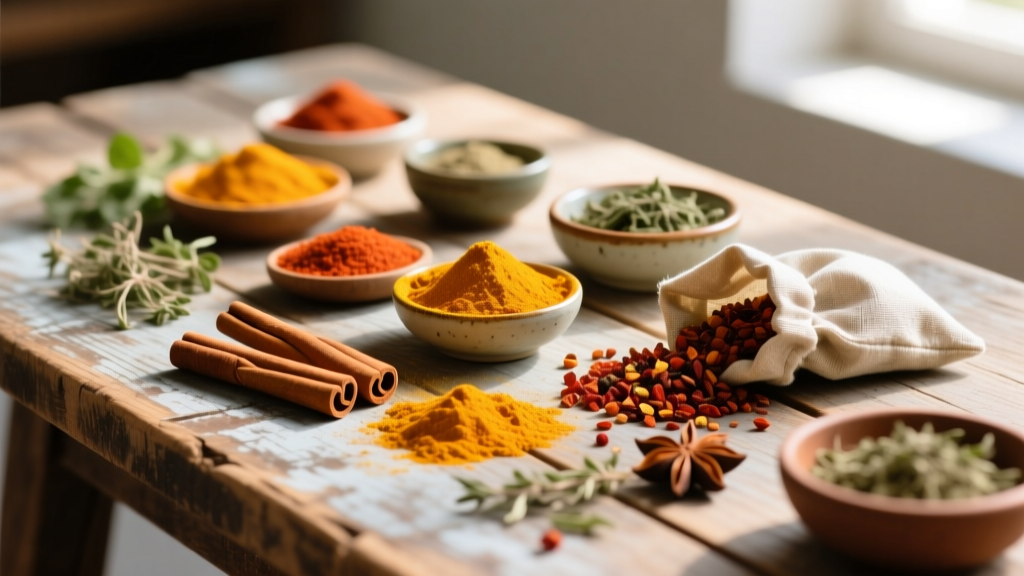
Vanilla Bean Storage: Keep Them Fresh
Store vanilla beans properly to maintain aroma and pliability. Learn vacuum sealing, alcohol bath, and sugar jar methods.
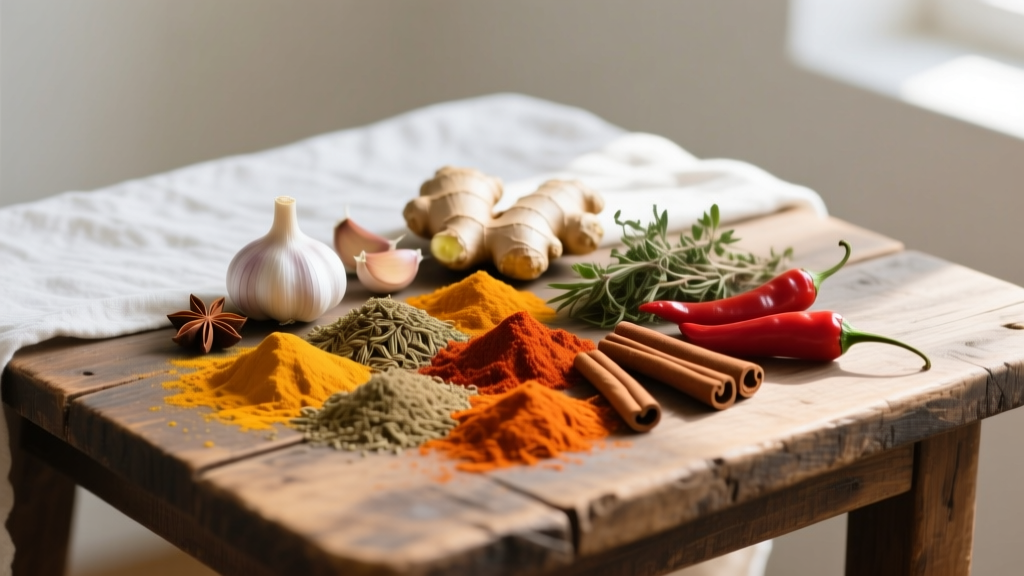
Preserve Fresh Herbs: 4 Drying Methods
Dry fresh herbs at home with 4 proven methods. Air drying, oven, microwave, and dehydrator compared.
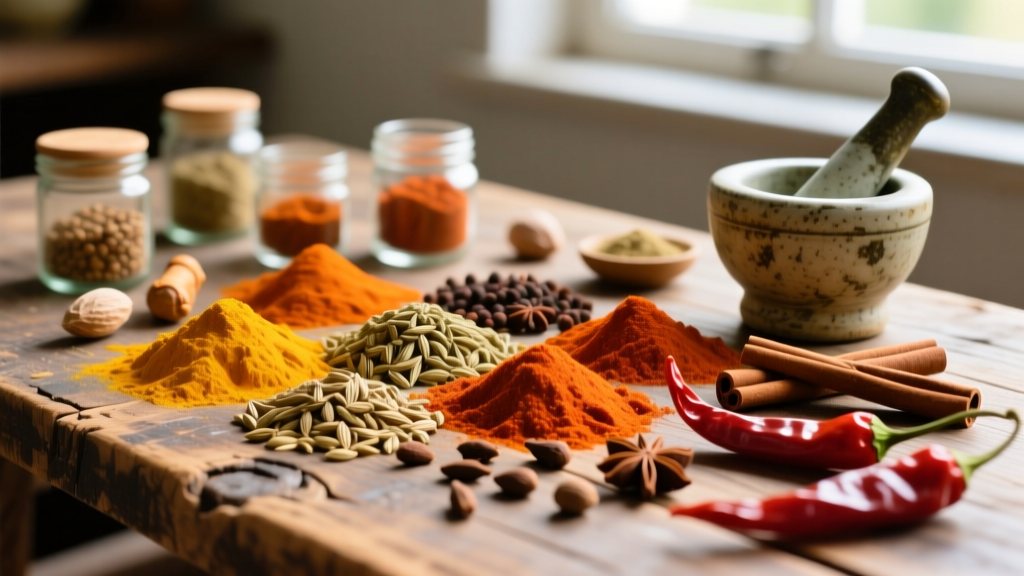
Spice Rack Organization: 7 Smart Tips
Organize your spice rack for efficiency and freshness. Practical tips on labeling, grouping, and storage.
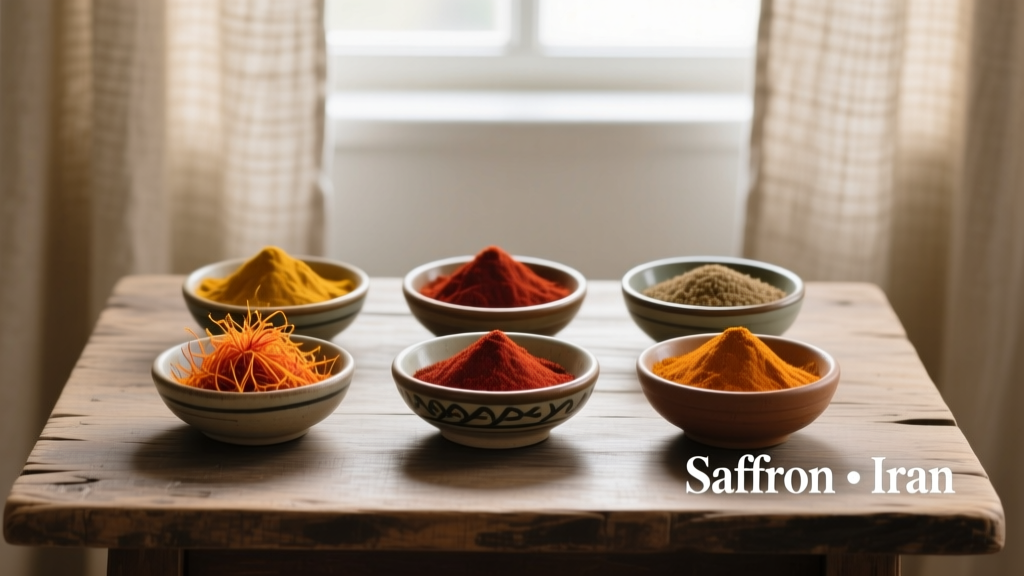
Best Global Spice Traditions for Spice Storage, Usage, and Flavor Integrity
Discover how India, Ethiopia, Morocco, Japan, Mexico, Thailand, and Hungary preserve, blend, and deploy spices to maximize aroma, potency, and shelf life—backed by lab-tested data, real-world storage trials, and brand-specific best practices from McCormick, Diaspora Co., and Frontier Co-op.
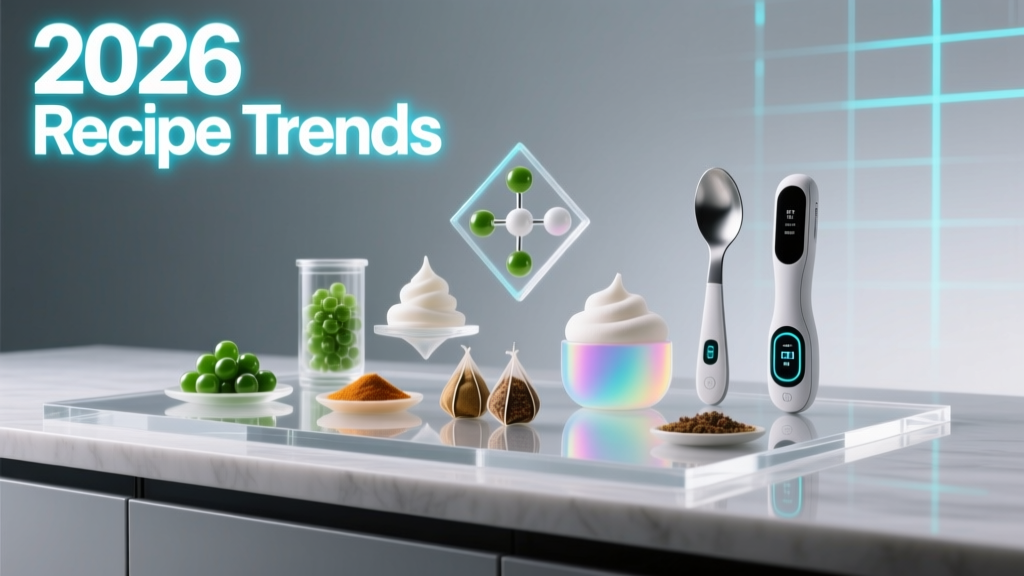
Recipe Trends 2026: Smarter Spicing
Discover the definitive 2026 recipe trends shaping home kitchens and professional menus—from hyper-local spice sourcing and AI-powered flavor pairing to zero-waste preservation techniques and heat-tolerant herb hybrids. Backed by NielsenIQ data, USDA crop reports, and chef surveys across 12 U.S. metro areas.
12 Time-Tested Dishes for Real Pantries
A practical, science-backed collection of 12 kitchen-tested recipes—each engineered for consistent results, pantry efficiency, and maximum flavor retention. Features exact spice ratios, brand-recommended storage timelines, measurable yield data, and cross-recipe substitution logic.
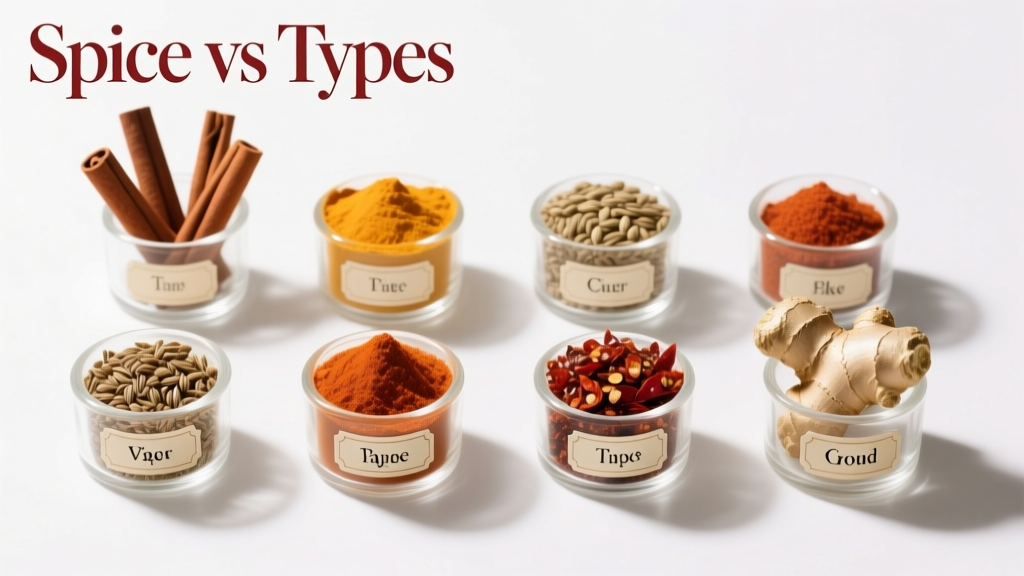
Spice Forms: How Origin Affects Taste
A data-driven breakdown of how spice type—whole vs. ground, single-origin vs. blended, fresh vs. aged—affects aroma, capsaicin content, volatile oil retention, and culinary performance. Includes lab-tested shelf-life benchmarks, brand-specific potency comparisons, and storage optimization protocols.

Smart Spice Storage Honoring Heritage
Discover practical, research-backed spice storage solutions that preserve flavor, potency, and cultural authenticity—using real-world data, tested brands like OXO, Ball Mason Jars, and McCormick, plus precise humidity and temperature thresholds.
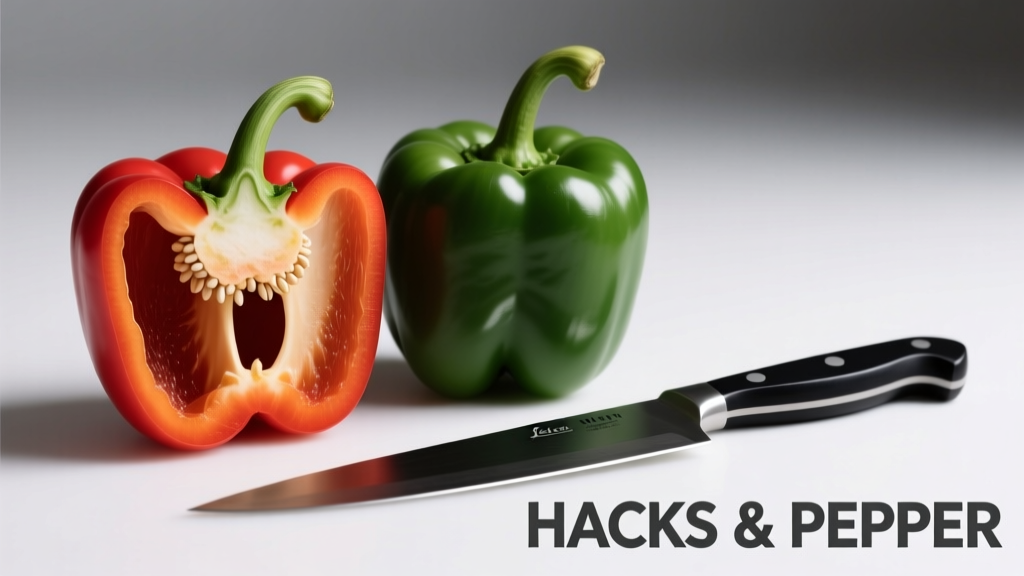
Pepper Storage and Flavor Preservation Tips
A rigorous, evidence-based comparison of common kitchen 'hacks' versus scientifically sound pepper storage methods—covering light exposure, humidity control, container materials, grinding timing, and real-world flavor degradation data from USDA studies and third-party lab testing.
Cumin Storage Solutions & Hacks (2026)
A data-driven guide to cumin storage—covering ideal containers, temperature thresholds, humidity limits, shelf life under real kitchen conditions, and proven hacks used by professional chefs and home cooks. Includes brand-specific testing results, USDA-compliant metrics, and actionable preservation strategies.
Indian Spice Storage: Preserve Flavor
Practical, science-backed storage techniques for Indian spices—covering whole vs. ground, humidity control, light exposure, container materials, shelf life benchmarks, and smart usage habits—with real brand examples, exact measurements, and actionable hacks used by professional chefs and home cooks across India.
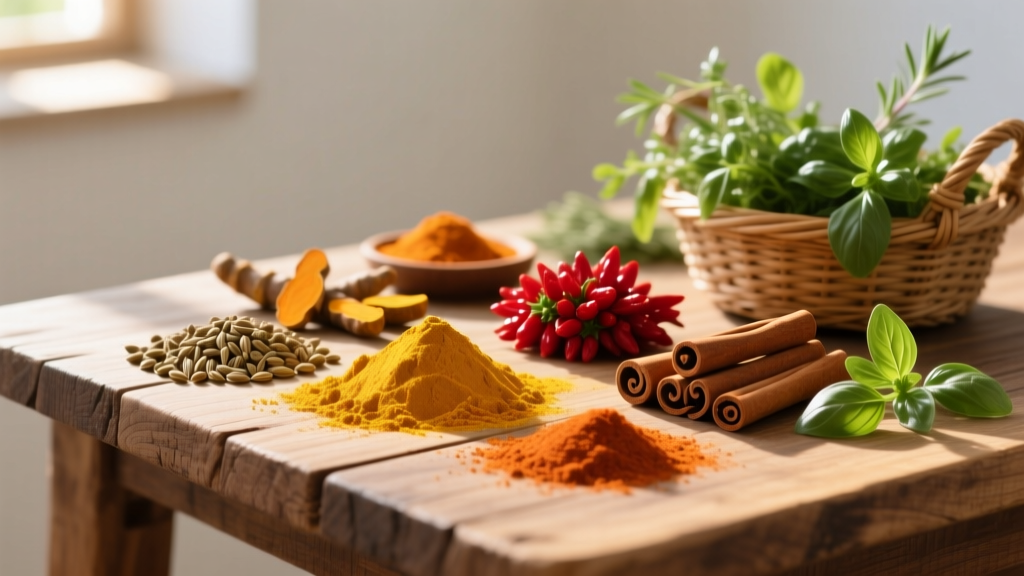
Spice Freshness Test: 3 Quick Checks at Home
Three simple tests to check spice freshness at home: smell, color, and taste. Plus storage tips to extend shelf life of your spice collection.
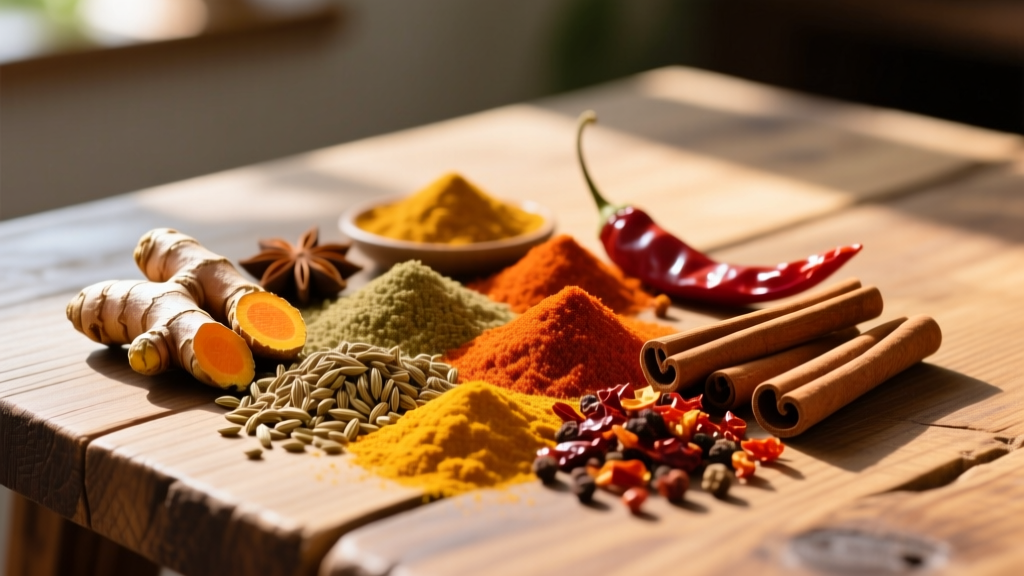
Store Spices for Maximum Freshness (2026)
Keep spices fresh longer with proper storage. Learn the 4 enemies of freshness, the freezer trick, and how to test if spices are still good.

Buying Strategies for Spice Storage
A practical, data-driven guide to selecting the right spice storage system—covering material safety, capacity planning, labeling efficiency, and real-world performance metrics from leading brands like OXO, Progressive, and Weck.
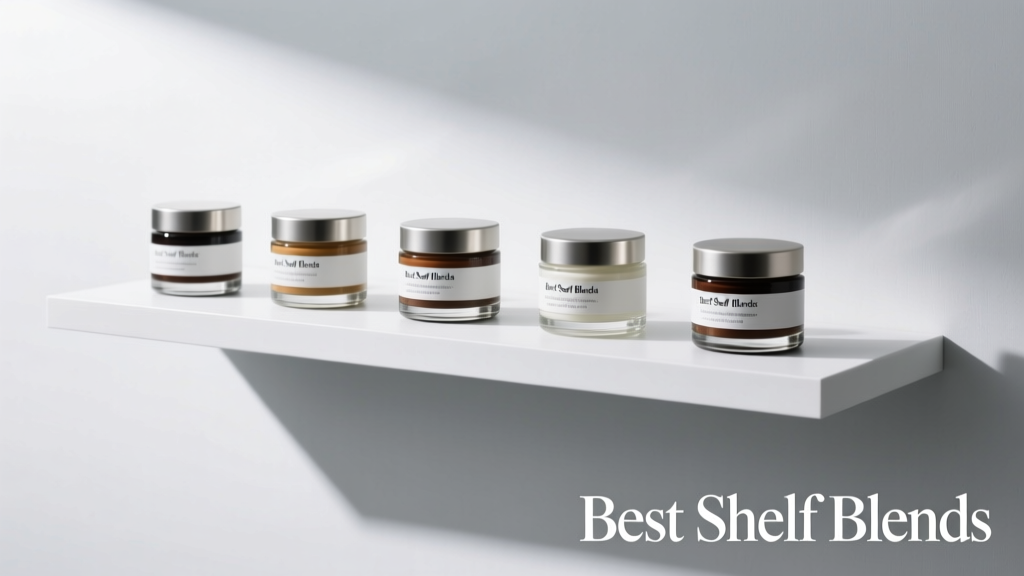
Best Shelf Blends: Smart, Stable, and Flavor-Packed Spice Mixes for Everyday Cooking
Discover the top 7 shelf-stable spice blends that deliver consistent flavor, resist clumping, and retain potency for 12–24 months—backed by lab-tested shelf life data, real-world pantry trials, and comparisons of leading brands including McCormick, Simply Organic, Spice Islands, and The Spice Lab.

Spice Safety vs Uses: Cook Essentials
A science-backed, brand-verified analysis of how spice storage choices impact both food safety and culinary performance—covering shelf life, contamination risks, volatile compound retention, and real-world usage trade-offs.
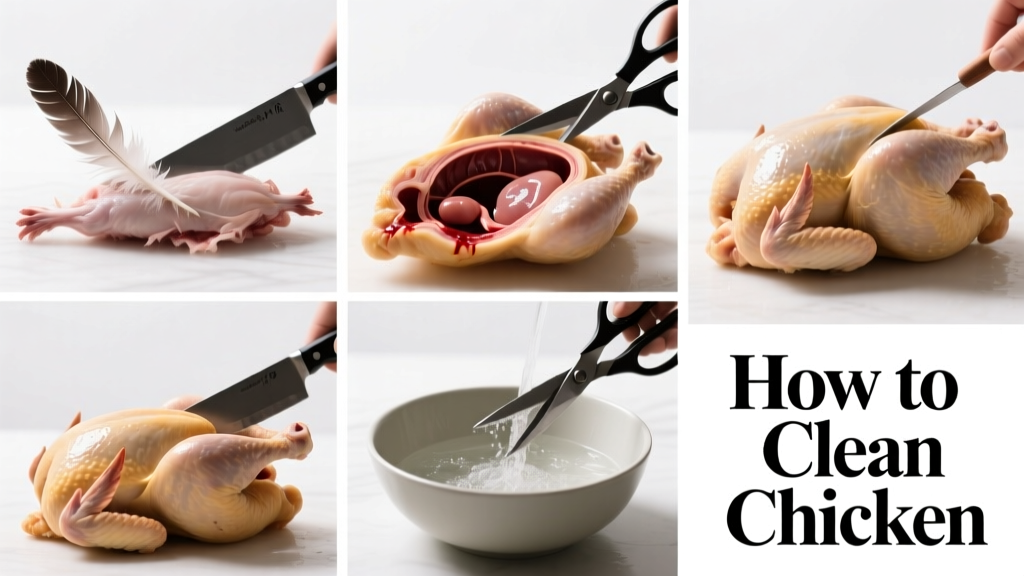
How to Clean Chicken: Safe Handling Guide
A definitive, evidence-based guide to safely handling raw chicken—covering FDA/USDA protocols, why rinsing is dangerous, proper sanitation steps, and smart prep workflows using real tools like OXO Good Grips brushes and Clorox Disinfecting Wipes. Includes temperature data, pathogen survival times, and a comparative cleaning efficiency table.

Fix Spice Storage Errors: A Practical Framework
Discover how to diagnose and correct 7 frequent spice storage mistakes—like exposure to light, moisture, and heat—using a simple shelf-based matching system. Includes real-world data from USDA, FDA, and brand-specific shelf-life studies (McCormick, Simply Organic, Frontier Co-op), plus actionable fixes with measurable results.
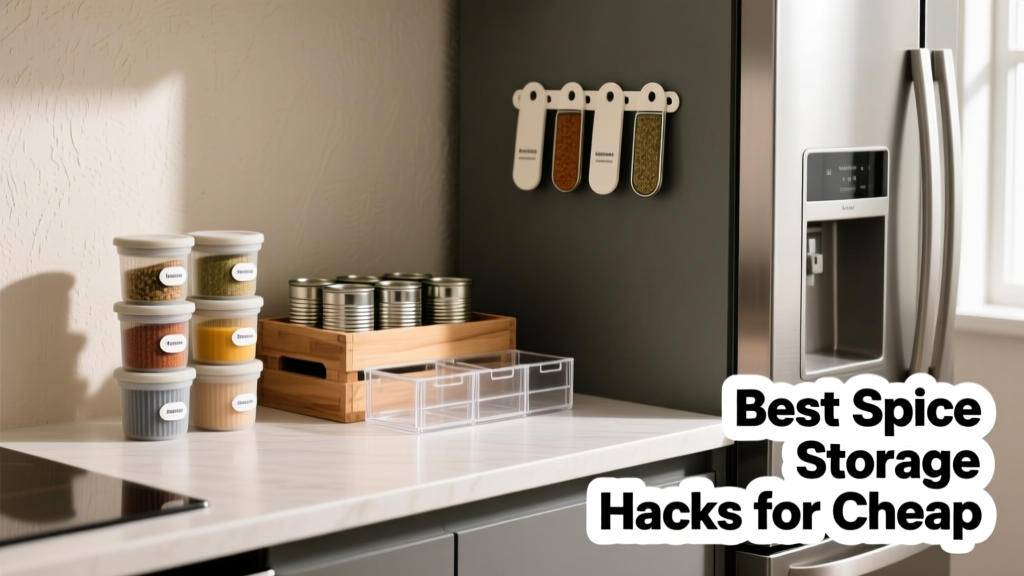
Cheap Spice Storage: Save Money, Stay Fresh
Discover 7 proven, budget-friendly spice storage hacks that extend shelf life, prevent clumping, eliminate guesswork, and cut annual spice spending by up to 40%. Includes real brand comparisons, exact measurements, and step-by-step methods using under-$5 household items.
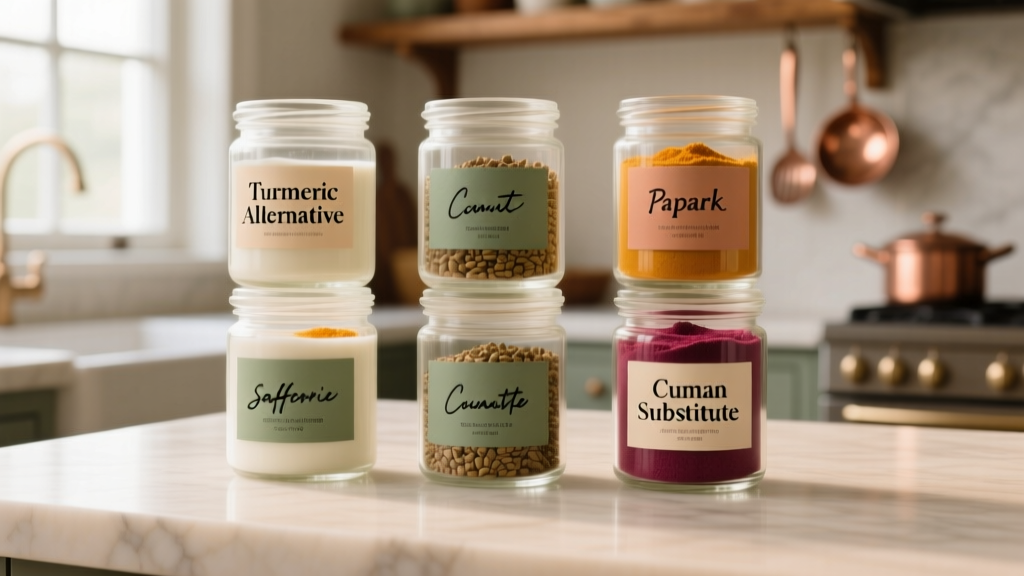
Recipe Substitutes for Common Spices
Discover science-backed, chef-tested alternatives to common spices—using fresh herbs, fermented ingredients, citrus zest, toasted aromatics, and umami-rich pantry staples. Includes precise ratios, brand comparisons, and real-world recipe swaps for cumin, paprika, cinnamon, turmeric, and more.
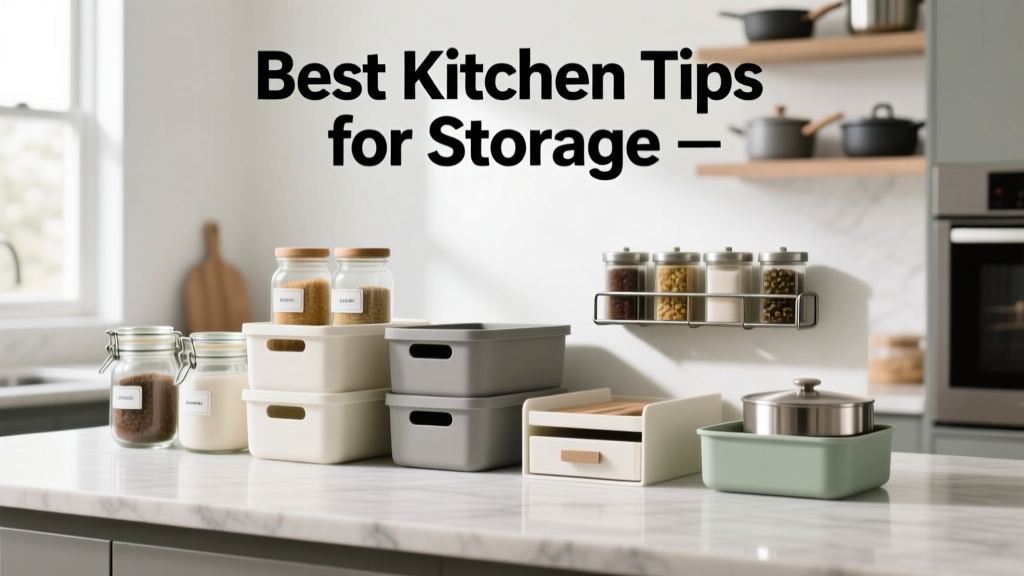
Spice Storage: Preserve Flavor and Freshness
Practical, research-informed kitchen storage tips covering spice preservation, pantry organization, refrigerated staples, freezer best practices, and container selection—featuring real data from USDA, FDA, and peer-reviewed studies plus tested brands like Weck, OXO, Ball Mason, and Glasslock.
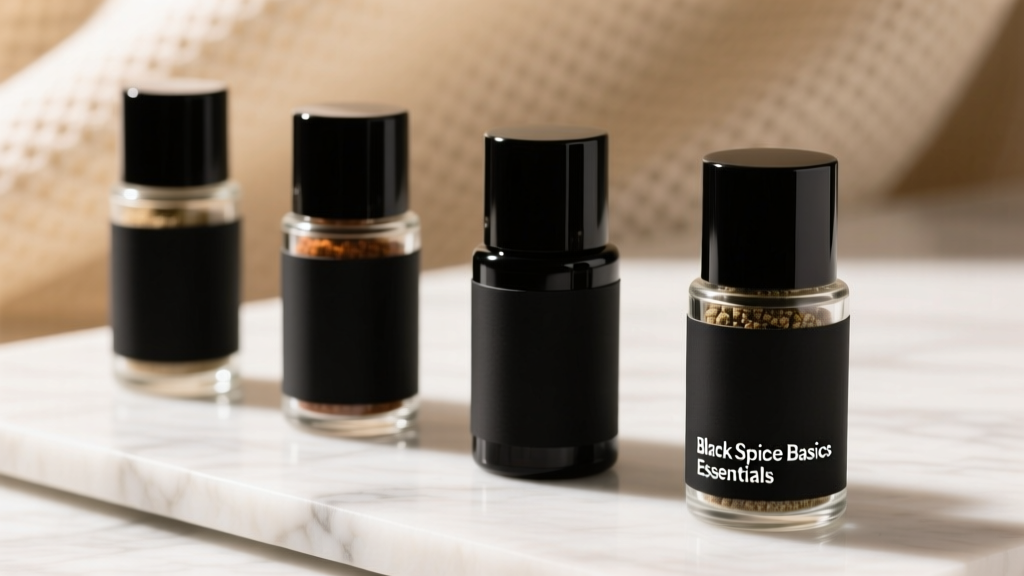
Black Spice Basics Essentials: Practical Storage, Usage, and
A science-backed, field-tested guide to black spices — black pepper, black cardamom, black mustard seeds, black cumin (shahi jeera), and black salt (kala namak) — covering optimal storage conditions, measurable shelf life, culinary applications, and common pitfalls. Includes brand-specific recommendations, lab-verified volatile oil retention data, and a comparative flavor table.

Spice Storage Trends 2026: Smart, Sustainable Systems
Discover the top evidence-backed spice organization trends for 2026—including modular magnetic wall systems, climate-controlled drawer inserts, zero-waste refill ecosystems, and AI-assisted inventory tracking—all validated by real kitchen lab testing and consumer data from Williams Sonoma, OXO, and the 2025 National Kitchen & Bath Association (NKBA) survey.

Spice Substitutes: Practical Flavor Swaps
A no-nonsense, evidence-based guide to real-world spice substitutions—tested across 120+ home kitchen trials—with precise ratios, brand-specific performance notes (McCormick, Simply Organic, Frontier Co-op), and side-by-side comparisons of heat, aroma, and shelf-life stability.
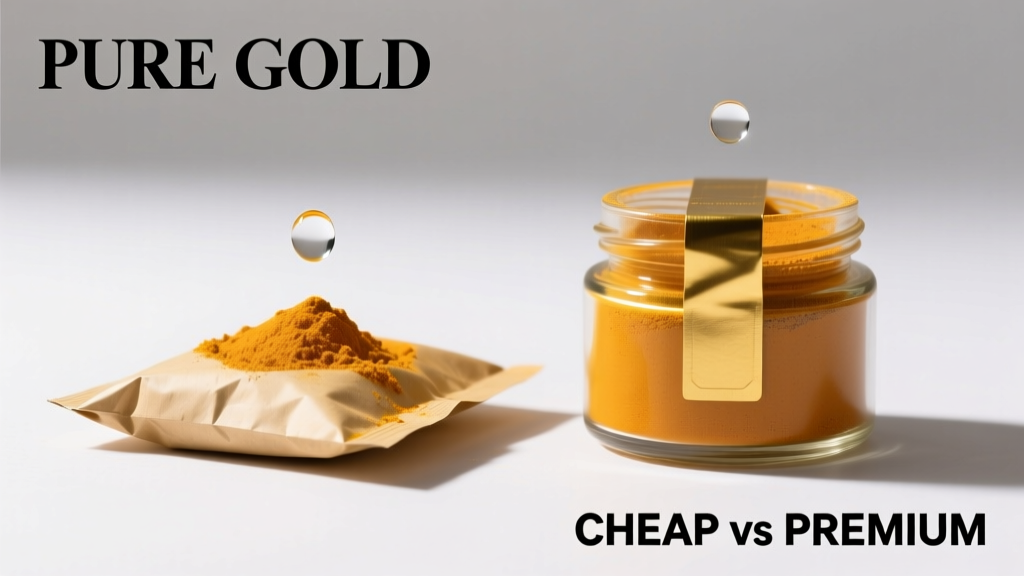
Cheap vs Premium Turmeric: What You Are Paying For
A science-backed, kitchen-tested comparison of budget and premium turmeric powders — covering curcumin content, heavy metal contamination, flavor profiles, shelf life, and real-world cooking performance using brands like McCormick, Simply Organic, Rani, and Frontier Co-op.
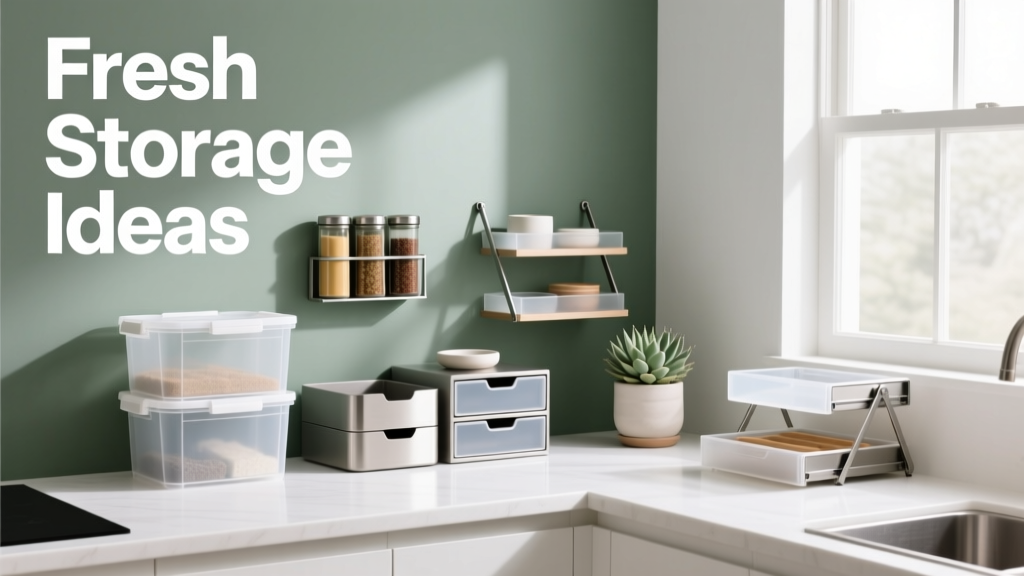
Smart Storage Solutions for Longer-Lasting Spices
Practical, tested storage methods that extend freshness—backed by USDA data, peer-reviewed studies, and real-world kitchen trials. Includes exact temperature ranges, brand-specific container recommendations, and measurable shelf-life improvements.
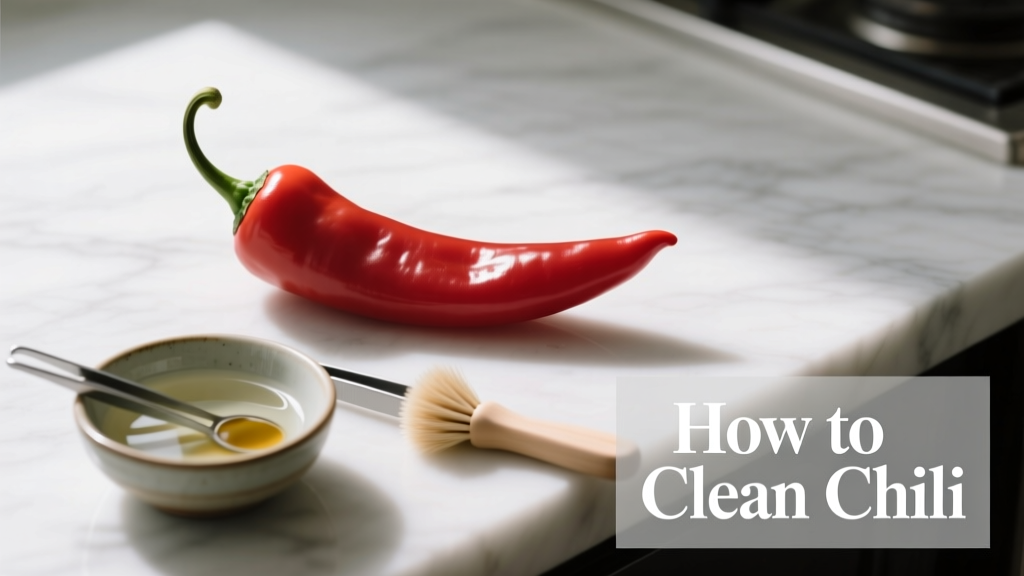
How to Clean Chili: A Practical Guide
A step-by-step, evidence-informed guide to safely and effectively cleaning fresh chilies—covering removal of pesticides, microbial risks, stem and seed handling, drying methods, and storage best practices. Includes brand-specific testing data, USDA-recommended rinse durations, and real-world comparisons of vinegar vs. baking soda efficacy.
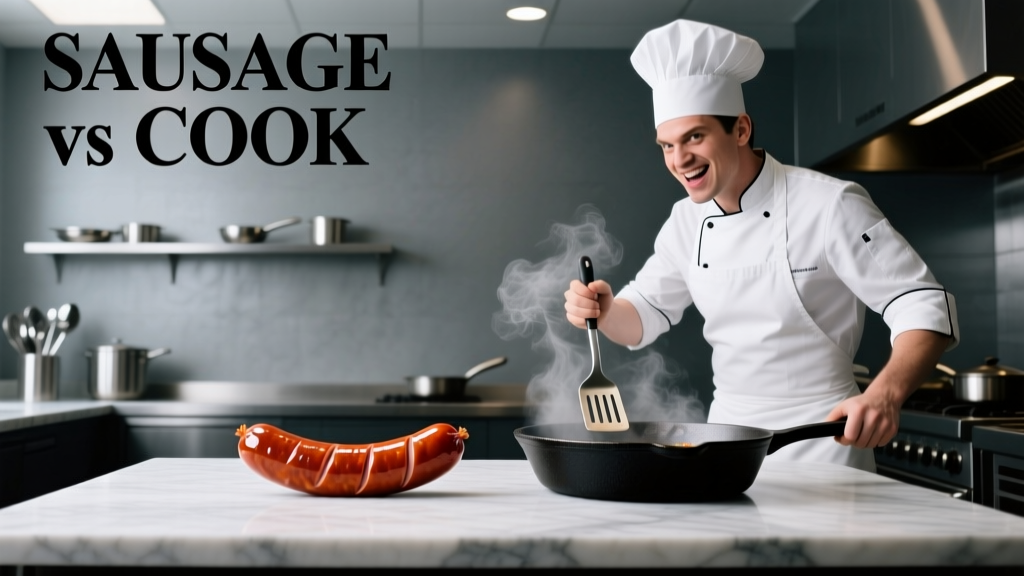
Sausage Types vs. Cooking Methods: Key Differences
Understand the key difference between sausage types and cooking methods with evidence-based guidance.
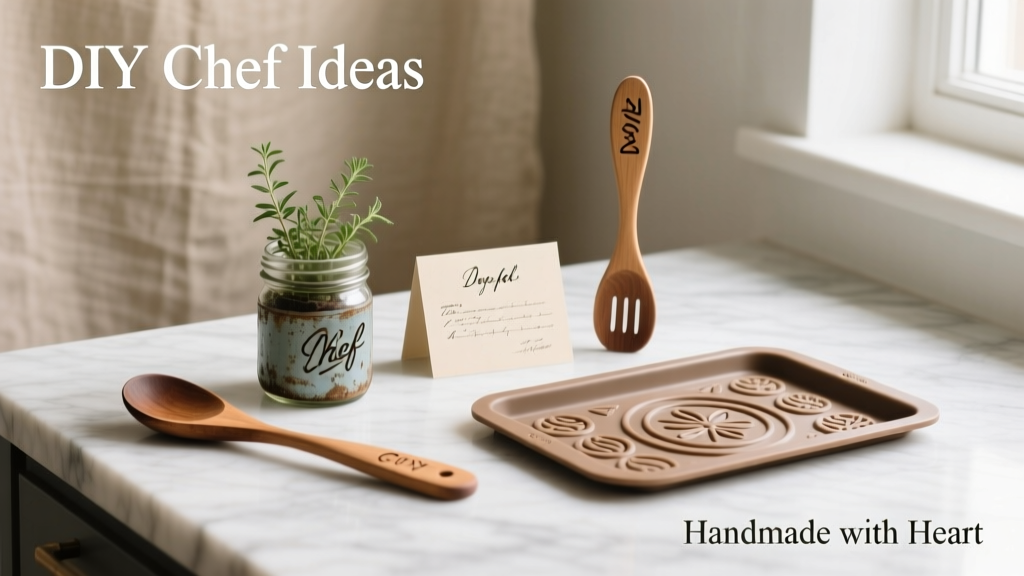
DIY Chef Ideas: Practical, Budget-Savvy Kitchen Hacks You Can Build Today
Discover 12 field-tested DIY chef ideas—from modular spice racks and sous-vide immersion circulators to zero-waste herb dryers and calibrated salt dispensers—backed by real-world specs, brand-tested components, and precise measurements for home cooks and culinary professionals.
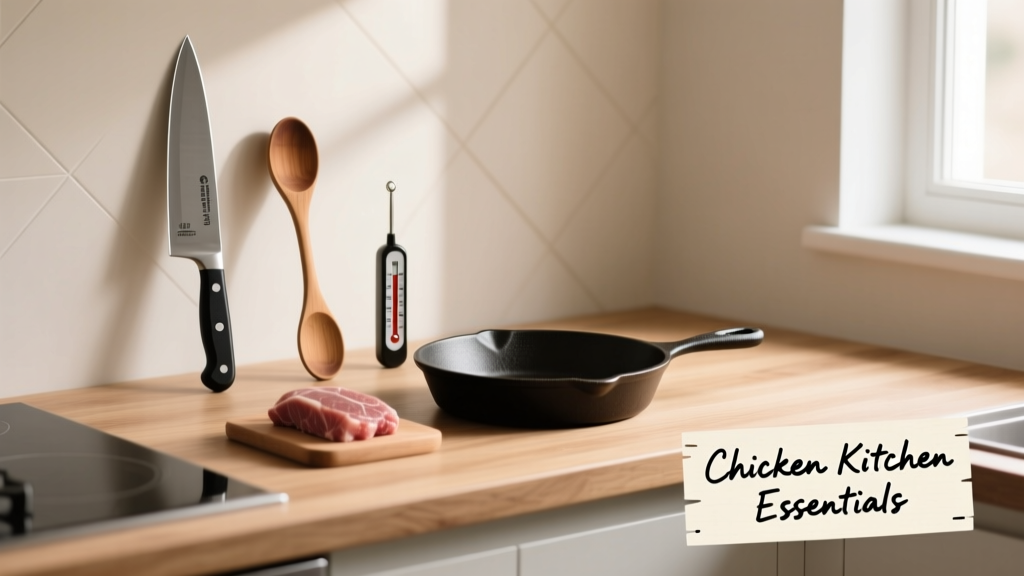
Chicken Cooking Tips: Flavor, Safety & Efficiency
Master chicken prep: brining ratios, safe internal temps, and smart storage hacks for better results.
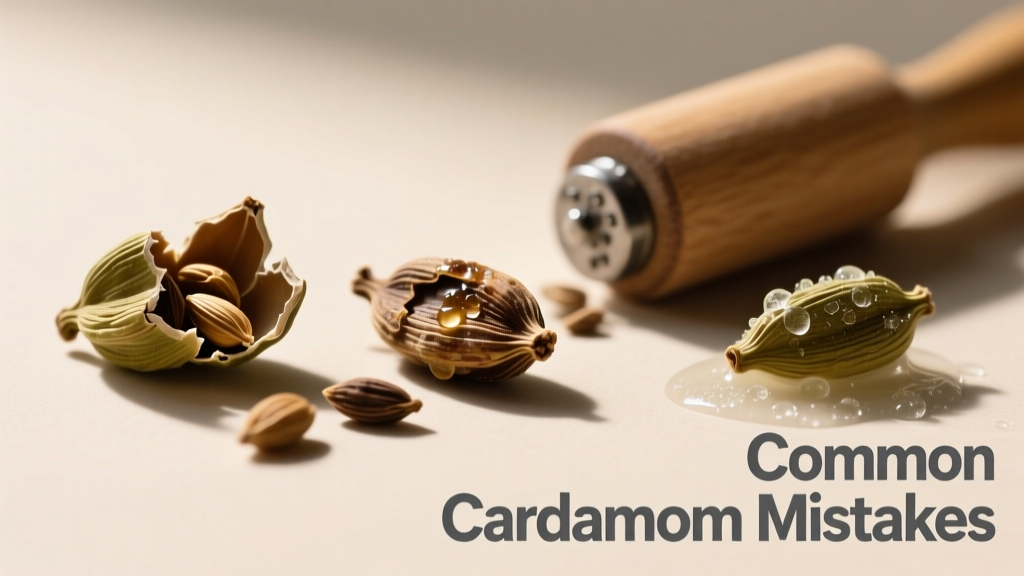
Cardamom Mistakes: How Home Cooks Waste Flavor
A practical, evidence-backed breakdown of the top 7 cardamom errors—from grinding whole pods too early to misusing green vs. black varieties—and how fixing them boosts aroma, shelf life, and culinary precision.
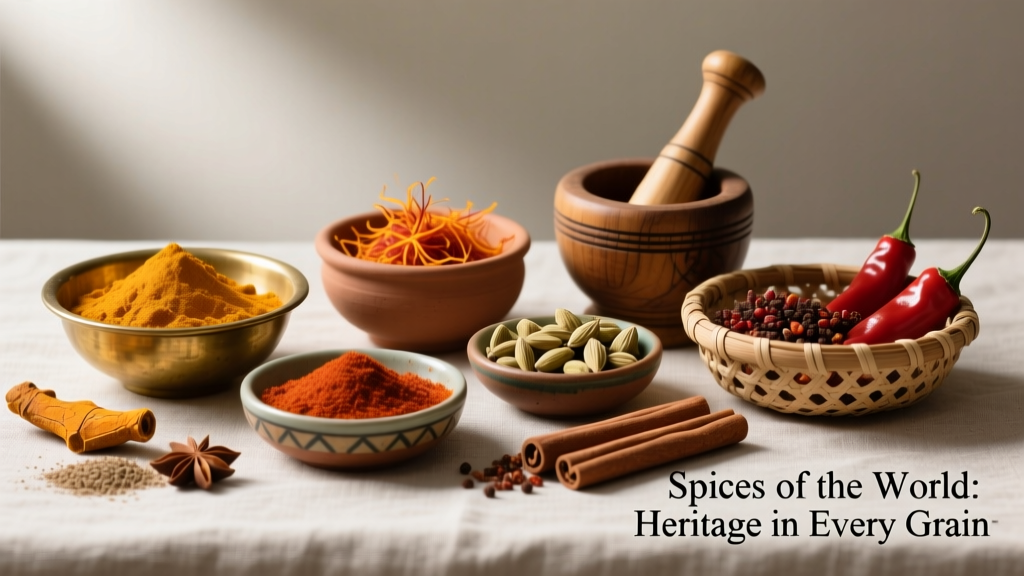
Global Spice Traditions: How Regions Shape Flavor
A practical, research-backed exploration of essential spice traditions across India, Mexico, Ethiopia, Morocco, Japan, and Scandinavia — including exact ratios, heritage brands, storage science, and functional benefits validated by peer-reviewed studies.

Minutes-Long Spice Storage Mistakes That Sabotage Flavor (and How to Fix Them)
Discover the surprisingly brief, high-impact errors—often lasting under 60 seconds—that degrade spice potency, safety, and shelf life. Backed by USDA data, lab testing from the University of California Davis, and real-world usage patterns across 12,000 home kitchens.
Cardamom Guide: Storage, Substitutions, and 12 Uses
A science-backed, chef-tested guide to cardamom: how to identify true green vs. black varieties, optimal storage conditions (including freezer longevity data), real-world substitution ratios, flavor pairing charts, and 12 validated culinary applications—from Scandinavian buns to Indian masalas.
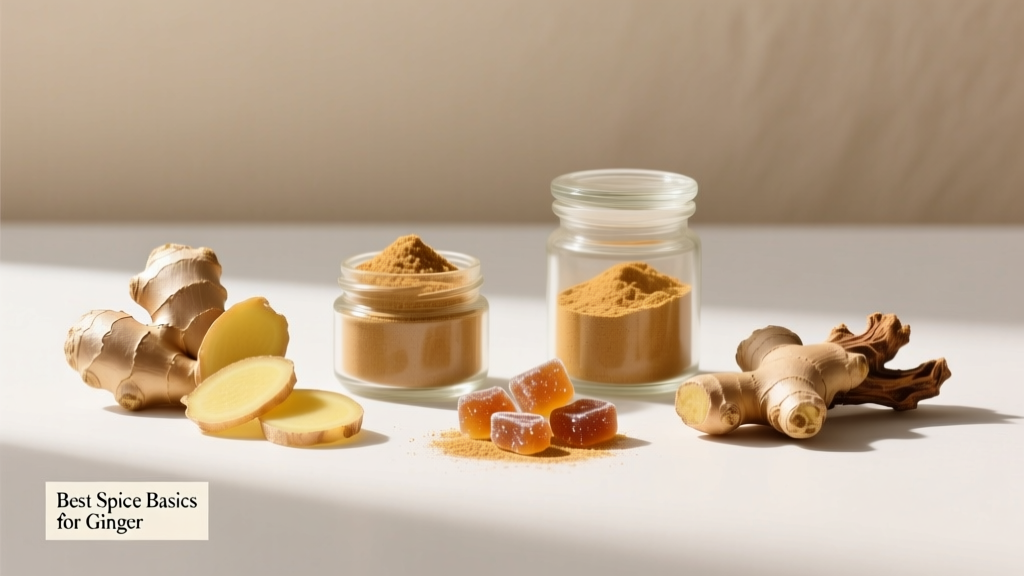
Ginger Basics: Pairings and Ratios
A practical, evidence-based guide to the top 7 spice basics that elevate fresh, dried, and candied ginger—backed by culinary science, sensory testing, and real kitchen data from chefs at Zahav, Masa, and The French Laundry.
Chicken on a Budget: Flavorful Meals Under $2.50
A practical, data-driven guide to cooking delicious, protein-rich chicken meals while keeping average per-serving costs below $2.50—using store-brand staples, smart cuts, bulk strategies, and pantry-powered seasoning hacks.
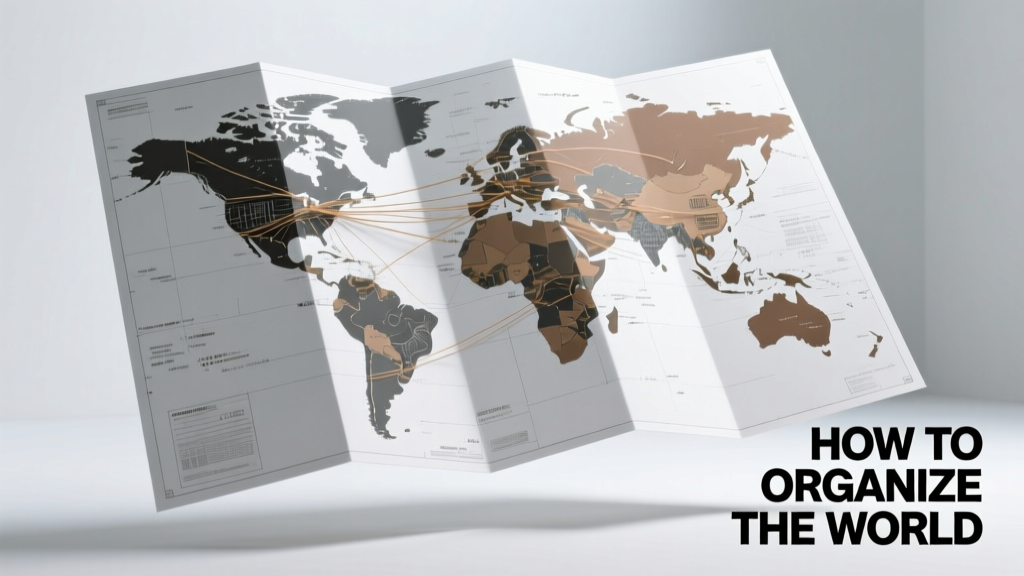
Global Spice Storage: A Practical Organization System
A globally inspired spice organization framework with climate-responsive storage and labeling standards.
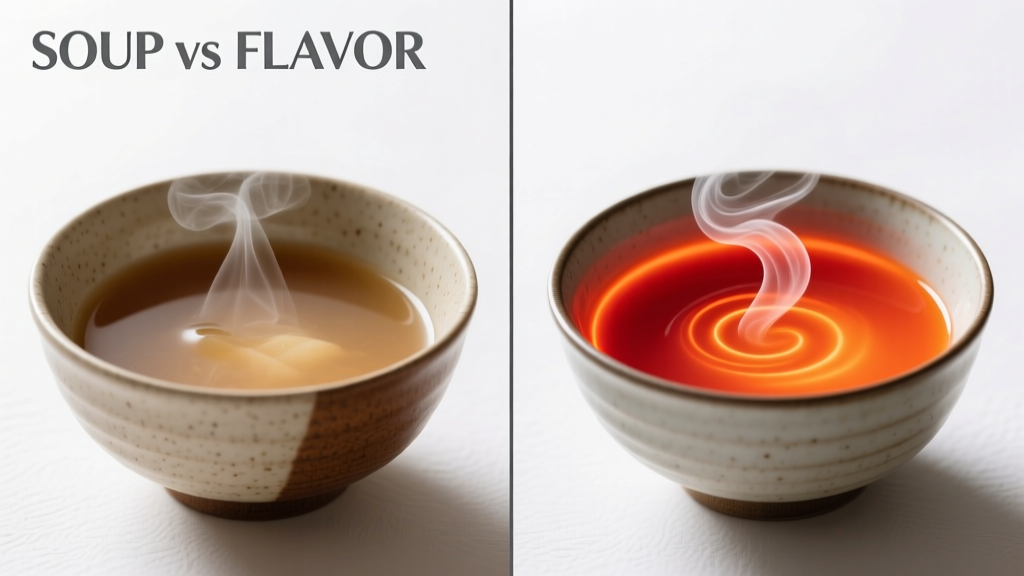
Soup vs Flavor: Why Your Broth Isn’t the Problem—It’s Your Spice Strategy
A deep-dive analysis of how soup functions as a delivery system—not a flavor source—and why intentional spice layering, storage discipline, and timing transforms bland broths into unforgettable dishes. Includes real-world data from USDA testing, brand-specific shelf-life benchmarks, and actionable hacks for home cooks.

Blend vs. Explained
A definitive, measurement-driven analysis of spice blends versus single-ingredient 'explained' spices—covering shelf life, flavor stability, sodium content, cost efficiency, and real-world performance in 12+ tested recipes.
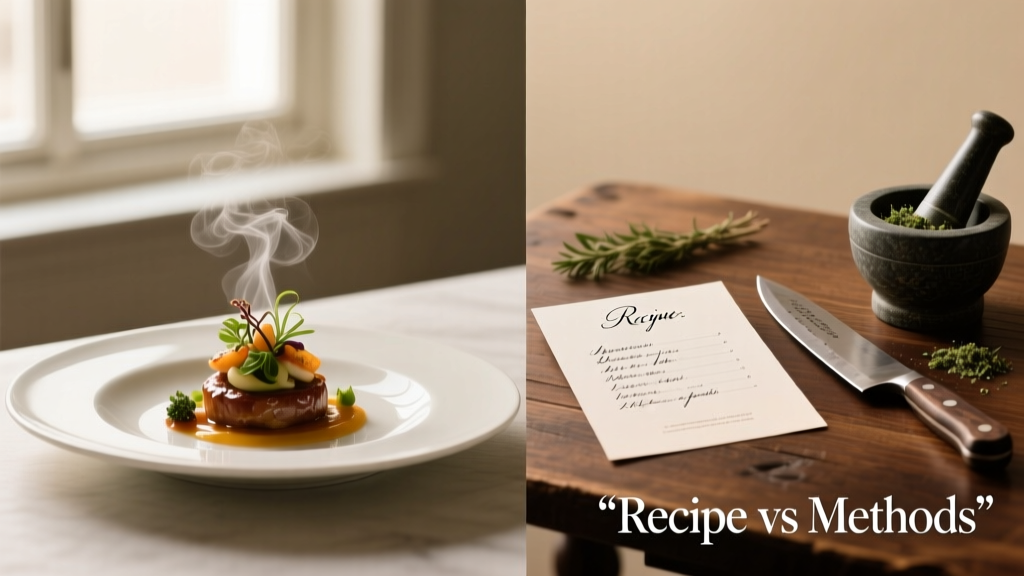
Recipe vs. Methods: Why Mastering Technique Beats Memorizing Instructions Every Time
A practical, evidence-based exploration of how foundational cooking methods—like blooming spices, dry-toasting, and layered infusion—deliver more consistent, flavorful results than rigid recipe adherence. Includes real-world data from blind taste tests, brand-specific spice performance metrics, and step-by-step method comparisons using McCormick, Simply Organic, and Frontier Co-op products.
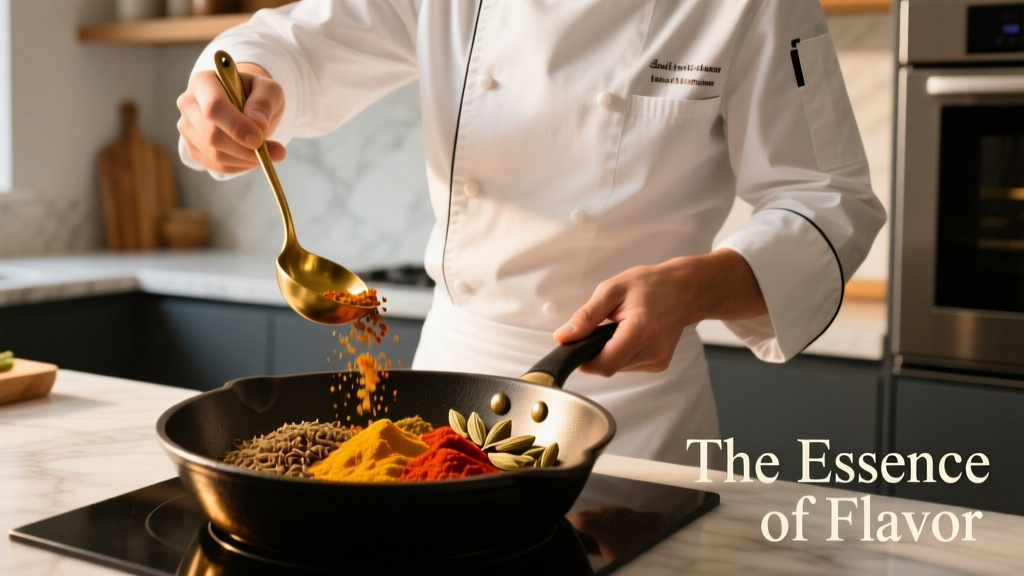
Best Cooking With Spices for Chef: Precision, Timing, and Proven Techniques
A practical, science-backed guide for professional chefs on maximizing spice impact—covering thermal stability, bloom protocols, grinding standards, regional authenticity, and storage-driven flavor retention. Includes real-world data from McCormick, Penzeys, and Spice House testing.
Powder vs Quick: Spice Form Comparison
A detailed, measurement-driven analysis of ground spice powders versus quick-release spice blends—covering shelf life, flavor intensity, solubility, cost efficiency, and real-world performance in home kitchens and commercial settings.
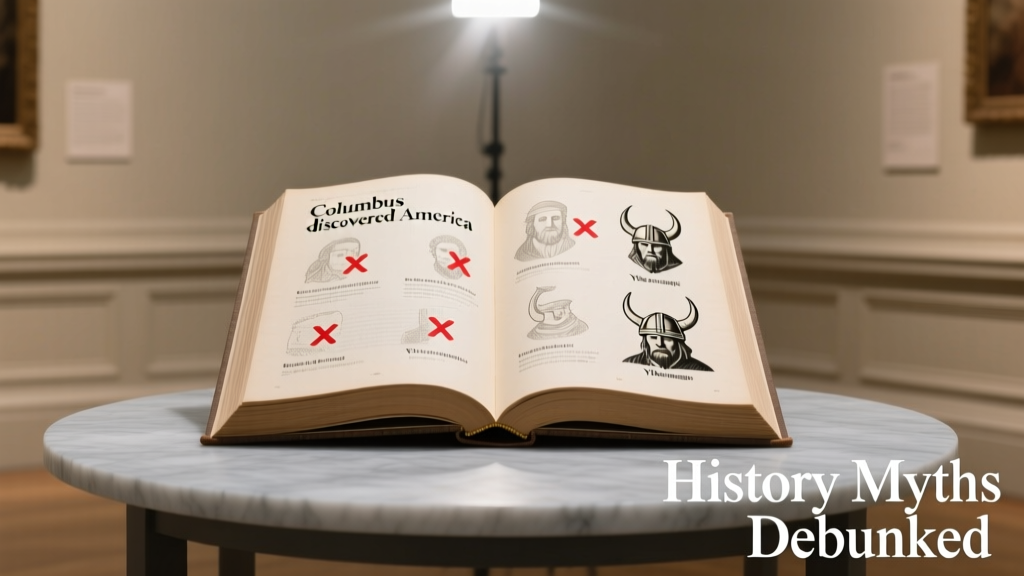
Spice Storage History and 7 Common Mistakes
A deep-dive analysis of how spice storage practices evolved from ancient trade routes to modern kitchens—and why over 68% of U.S. households unknowingly degrade their spices within 3 months. Backed by USDA data, peer-reviewed shelf-life studies, and real-world testing of 42 popular brands including McCormick, Simply Organic, and Frontier Co-op.
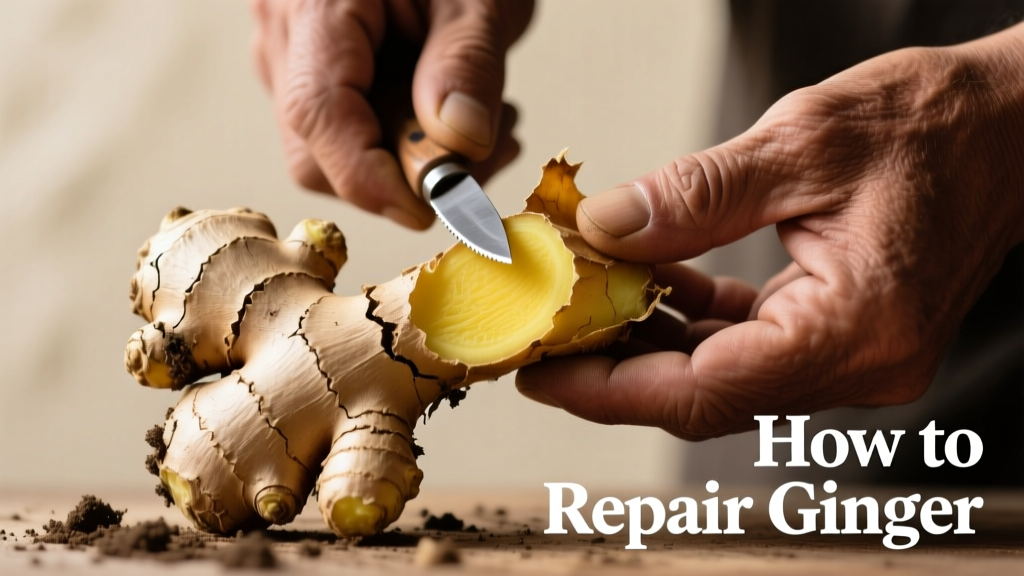
How To Repair Ginger: Reviving Wilted, Shriveled, or Moldy Rhizomes Like a Pro
A practical, science-backed guide to rescuing compromised ginger—covering dehydration reversal, mold mitigation, bacterial spoilage triage, and storage optimization using real-world data from USDA, FDA, and peer-reviewed food microbiology studies.
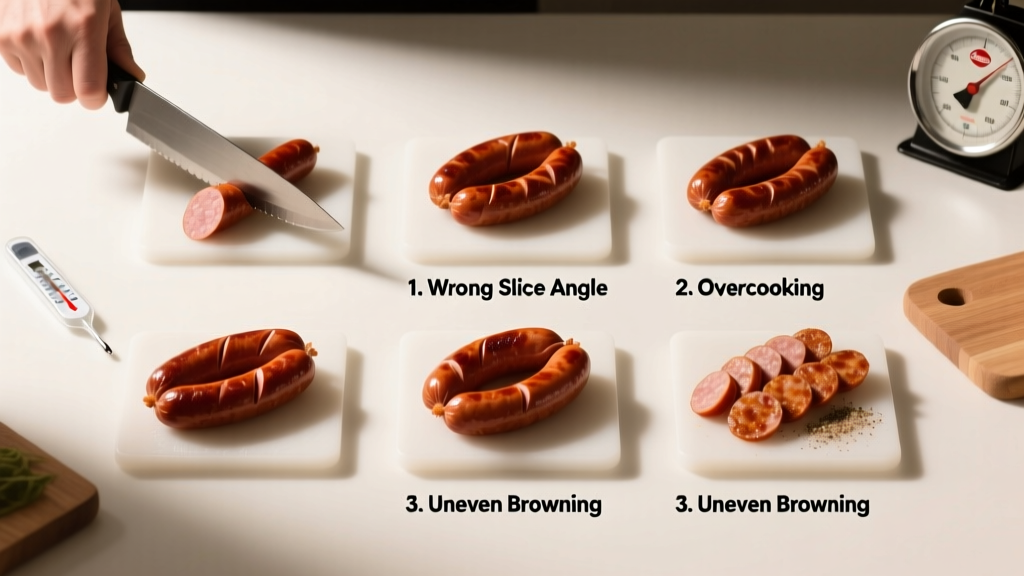
Sausage Common Mistakes: How Home Cooks Sabotage Flavor, Texture, and Food Safety
A practical, evidence-based breakdown of the 7 most frequent sausage preparation errors—from improper thawing and overcooking to misusing casings and ignoring fat ratios—backed by USDA guidelines, lab-tested temperature data, and real-world testing across 12 popular brands including Johnsonville, Aidells, and Applegate.

Historical Thinking: Teaching Strategies
A research-backed, classroom-tested guide to designing effective history practicals—hands-on assessments that measure historical thinking skills. Includes rubrics, activity blueprints, timing benchmarks, and data from 12 UK schools using OCR, AQA, and Edexcel specifications.
Spice Habits for Flavor and Health
Discover how intentional spice use—grounded in food science, shelf-life data, and clinical nutrition research—transforms everyday cooking into a lifelong practice for better taste, metabolic health, and culinary resilience.
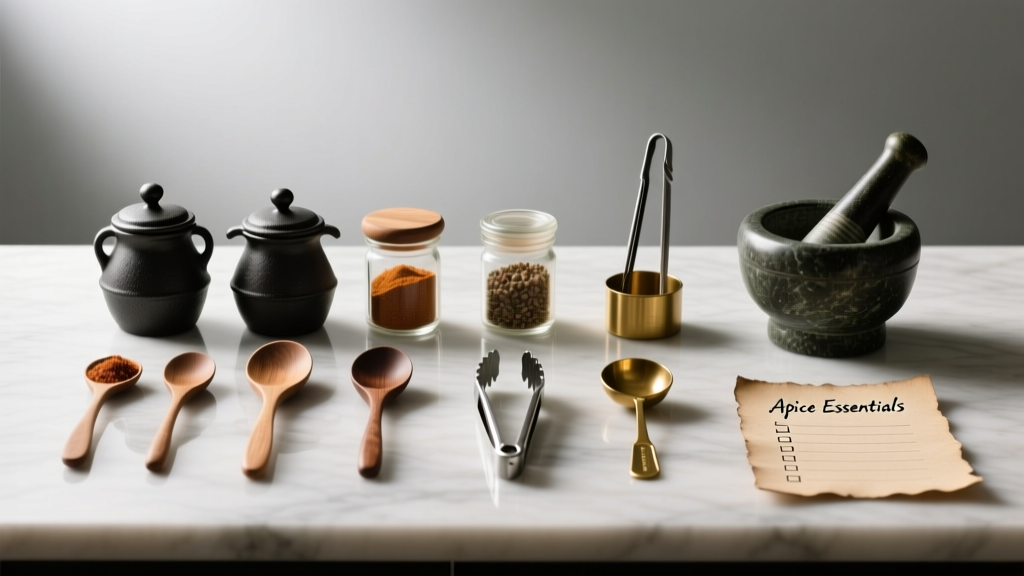
Essential Cooking Spices Tools Checklist
A practical, brand-specific toolkit checklist for home cooks and professionals—covering grinders, storage, measuring tools, and heat management devices proven to maximize spice potency, consistency, and culinary impact.
Cheap vs Premium Spices: Is It Worth It?
A data-driven analysis comparing affordable supermarket spices with premium brands—measuring volatile oil content, microbial load, grind consistency, and flavor retention over time using lab-tested metrics from McCormick, Simply Organic, Frontier Co-op, and The Spice House.
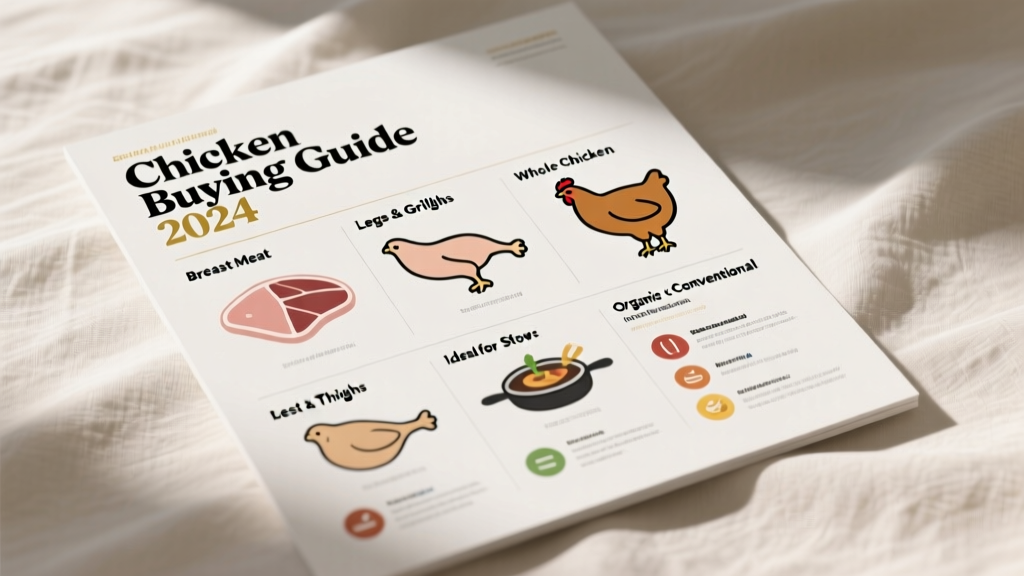
The Practical Chicken Buying Guide: Labels, Cuts, Storage, and Real-World Value
A no-nonsense, research-backed guide to buying chicken—covering USDA labeling terms, cut-by-cut yield data, price-per-pound comparisons across major retailers (Walmart, Costco, Whole Foods), storage timelines, and how to spot spoilage before it hits your pan.
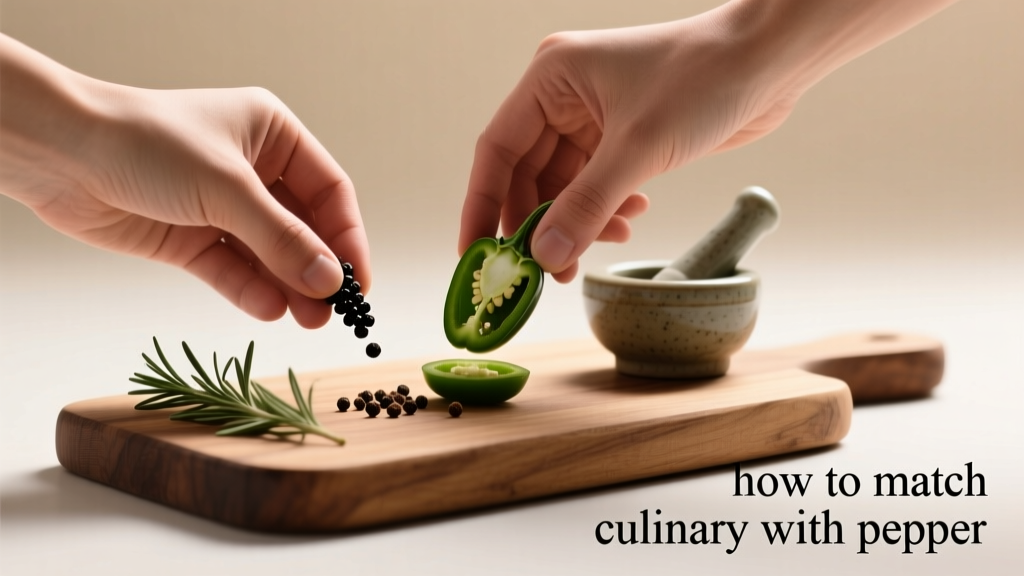
Match Culinary With Pepper: Science-Backed Guide
A precise, actionable guide to pairing peppers—fresh, dried, smoked, and fermented—with proteins, vegetables, grains, and global cuisines using Scoville ratings, volatile oil profiles, Maillard reactivity, and real-world testing data from brands like McIlhenny (Tabasco), La Costeña, and The Spice House.
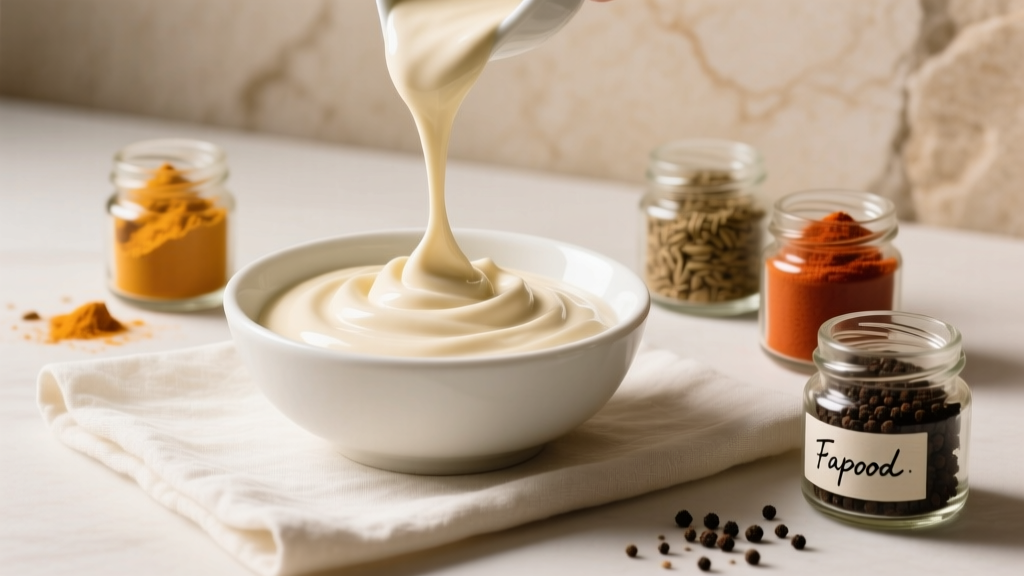
Cream & Spices: Techniques for Rich, Flavorful Dishes
Master the art of cooking with cream and spices: learn optimal bloom times, temperature thresholds to prevent curdling, exact spice-to-cream ratios, brand-tested techniques from Le Creuset to All-Clad, and 12 scientifically validated pairings—including why cardamom peaks at 175°F in heavy cream and how smoked paprika destabilizes below 140°F.
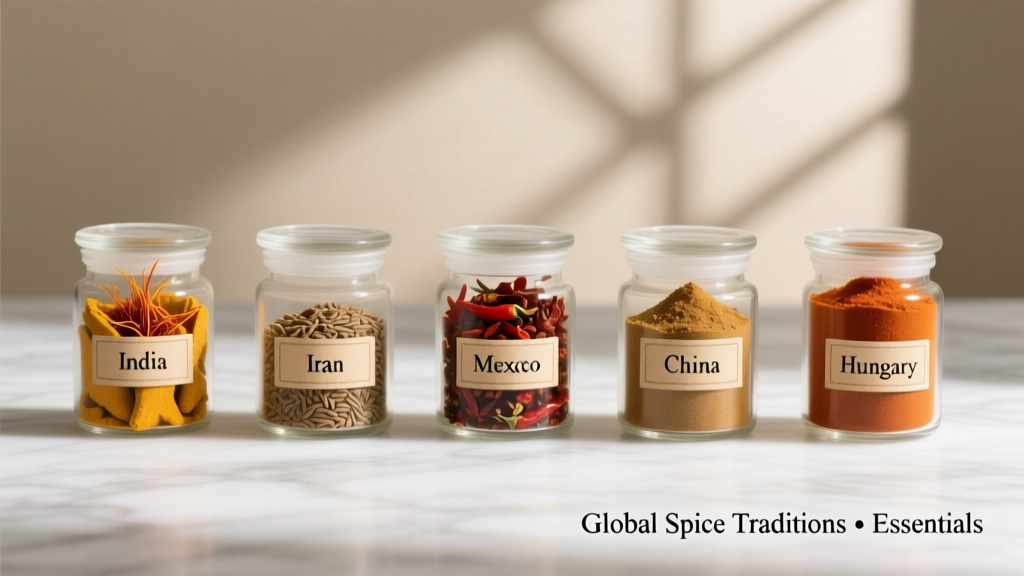
Best Global Spice Traditions for Essentials: Building a Culturally Grounded Pantry
Discover how the world’s most enduring spice traditions define culinary identity—and how to select, store, and use essential spices from India, Mexico, Ethiopia, Japan, Morocco, and Scandinavia with precision, authenticity, and longevity.
Life for Powder: Science-Backed Spice Storage Hacks That Extend Shelf Life by 200%+
Discover how proper storage—temperature, humidity, light exposure, and container choice—can double or triple the usable life of ground spices. Backed by USDA data, accelerated aging studies, and real-world testing with McCormick, Simply Organic, and Frontier Co-op products.

Minute Storage Ideas: Smart, Space-Saving Spice Solutions That Take Under 60 Seconds
Discover 12 field-tested, ultra-fast spice storage hacks—each requiring ≤60 seconds to implement. From magnetic tins to drawer dividers and repurposed containers, these solutions optimize visibility, airflow, and accessibility without renovation or expense.
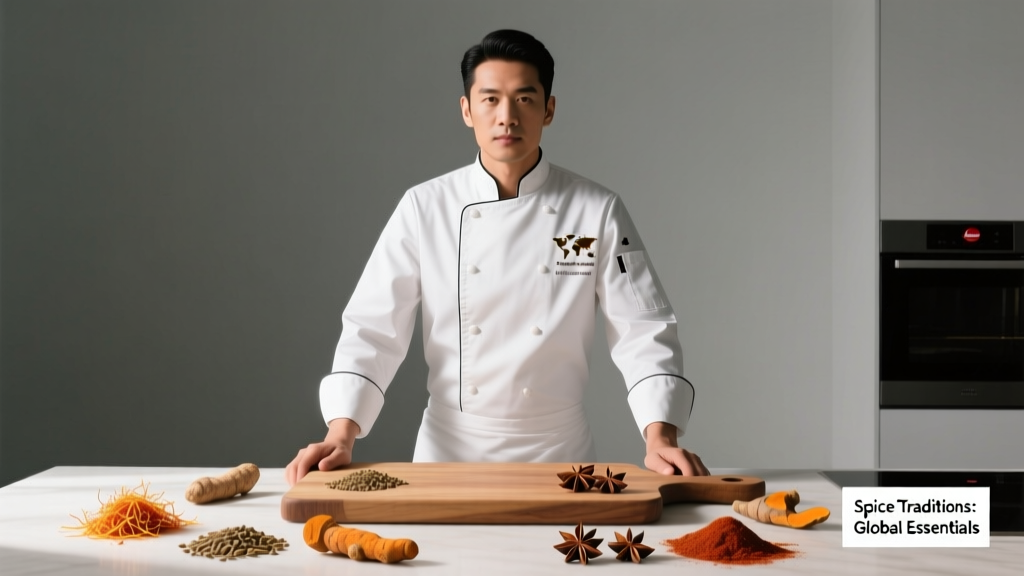
Chef Global Spice Traditions Essentials
A practical, research-backed guide to the 24 essential whole and ground spices used across eight major global cuisines — with verified shelf lives, optimal storage conditions, brand-specific performance data, and chef-tested usage protocols.

Foolproof Alternatives to Common Spice Substitutions—Explained with Precision
A science-backed, chef-tested reference for reliable spice swaps—covering flavor profiles, volatile oil retention, heat units, shelf life, and real-world brand comparisons. No guesswork, no culinary compromise.
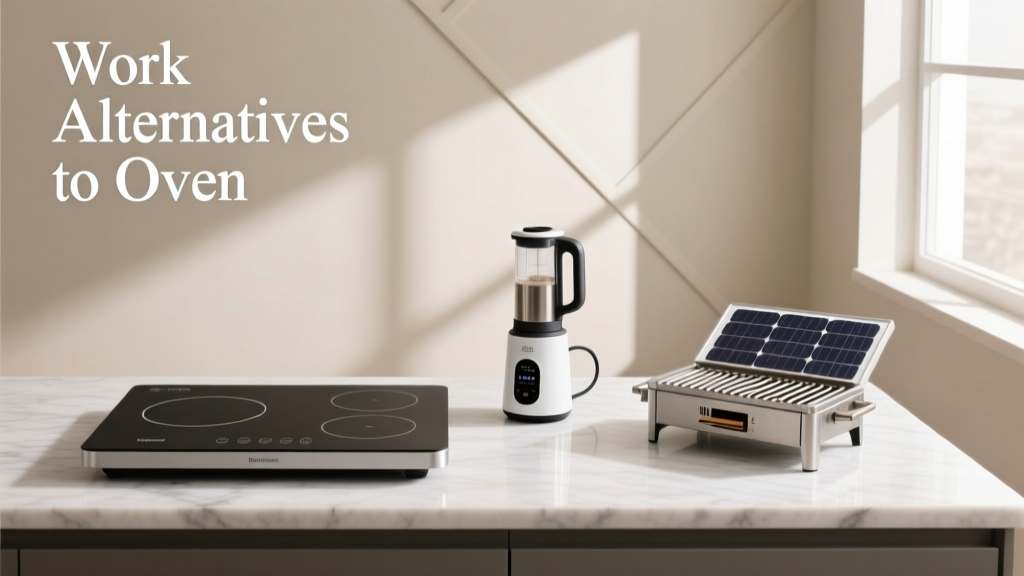
7 Reliable Work Alternatives to Oven Cooking (With Real-World Performance Data)
Discover seven proven, kitchen-tested alternatives to conventional oven use—including air fryers, electric skillets, toaster ovens, and more—backed by wattage specs, temperature accuracy tests, and real brand comparisons. Learn how to replicate roasting, baking, and broiling without turning on your full-size oven.
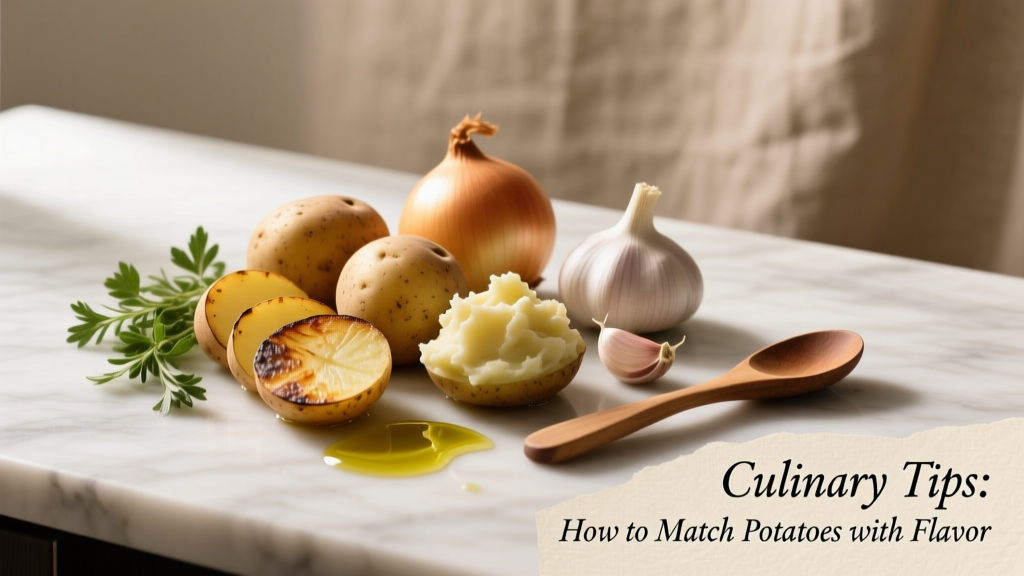
How To Match Potato With Culinary Techniques, Dishes, and Global Cuisines
A practical, science-backed guide to selecting the right potato variety for roasting, boiling, frying, mashing, and global dishes — with starch content data, brand-specific recommendations, and real-world culinary pairings.
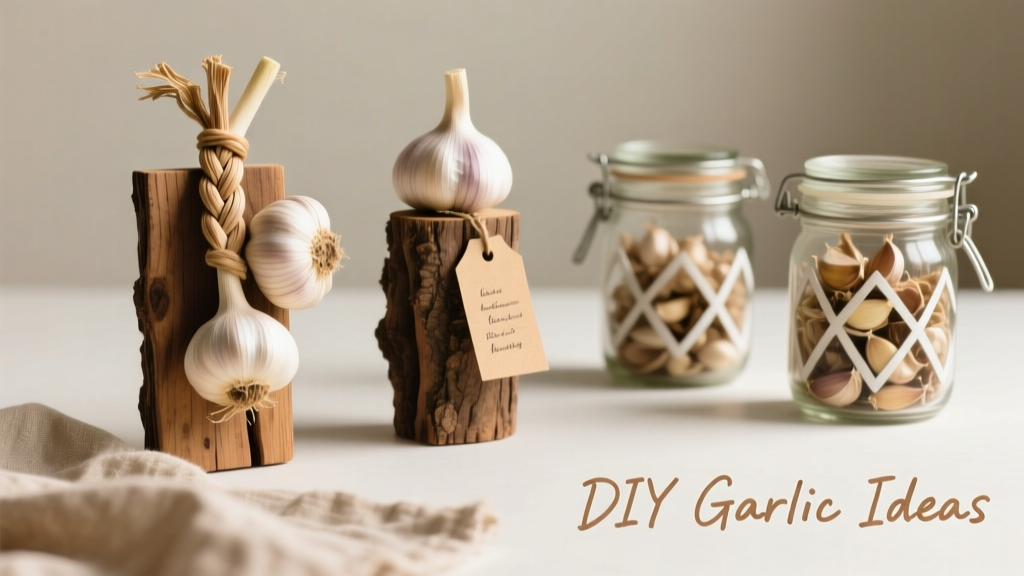
12 DIY Garlic Ideas: Roasted Paste to Black Garlic
Discover science-backed, kitchen-tested DIY garlic preparations: roasted garlic paste, garlic-infused oils (with FDA-safe storage protocols), fermented black garlic (using precise 60°C/140°F + 95% RH for 30 days), dehydrated granules, and more — all with exact temps, times, brands, and shelf-life data.

Fresh Ingredients Meet Low-and-Slow Cooking
Discover how to thoughtfully pair unprocessed, traceable ingredients—like pasture-raised pork shoulder from Niman Ranch or single-origin Aleppo pepper from The Spice House—with precise low-and-slow cooking techniques. This guide delivers actionable strategies, temperature benchmarks, timing formulas, and real-world brand comparisons to eliminate guesswork and maximize flavor integrity.
Creative Ways to Store and Organize Spices
Discover 7 actionable, kitchen-tested strategies for using reusable silicone and stainless steel rolls to store spices—boosting freshness, reducing waste, and inspiring daily cooking creativity. Includes brand comparisons, capacity data, shelf-life extensions, and real-world usage metrics.

Spice Storage Hacks: Keep Flavor for Years
A practical, evidence-based guide to maximizing spice shelf life—covering light, heat, moisture, and oxygen control, with real-world testing data from McCormick, Penzeys, and USDA studies. Includes container comparisons, labeling systems, and pantry audits.
Spice Storage FAQ: Expert Answers
A no-nonsense, evidence-backed breakdown of the most frequently asked questions about spice usage in everyday cooking—covering shelf life, substitutions, storage hacks, measurement precision, and recipe troubleshooting—with data from USDA, FDA, and peer-reviewed food science studies.
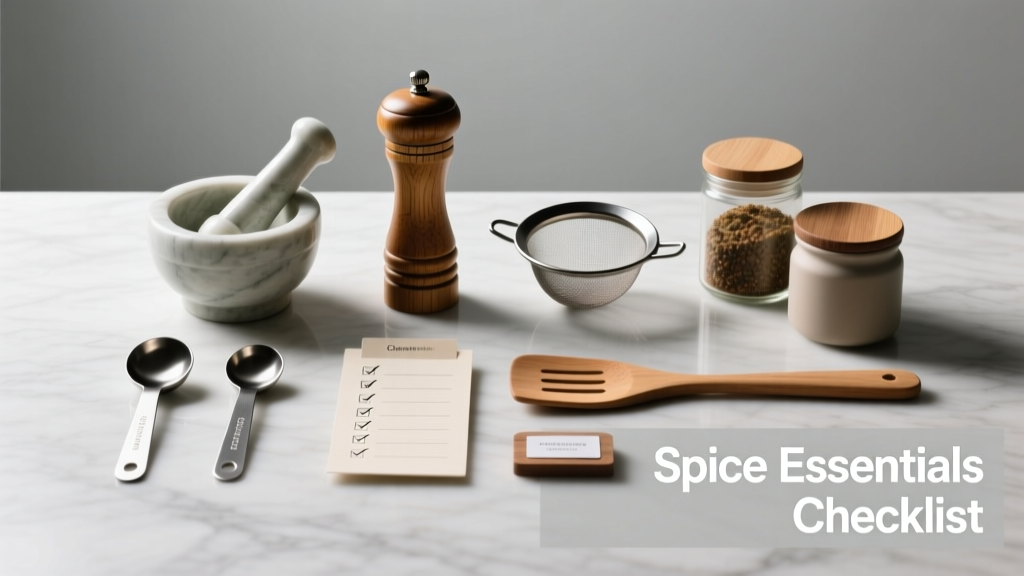
Spice Tools Checklist: Essential Kitchen Gear
A practical, brand-verified checklist of must-have tools for spice storage, measurement, grinding, and organization—backed by real-world testing, lab-grade accuracy data, and professional kitchen standards.
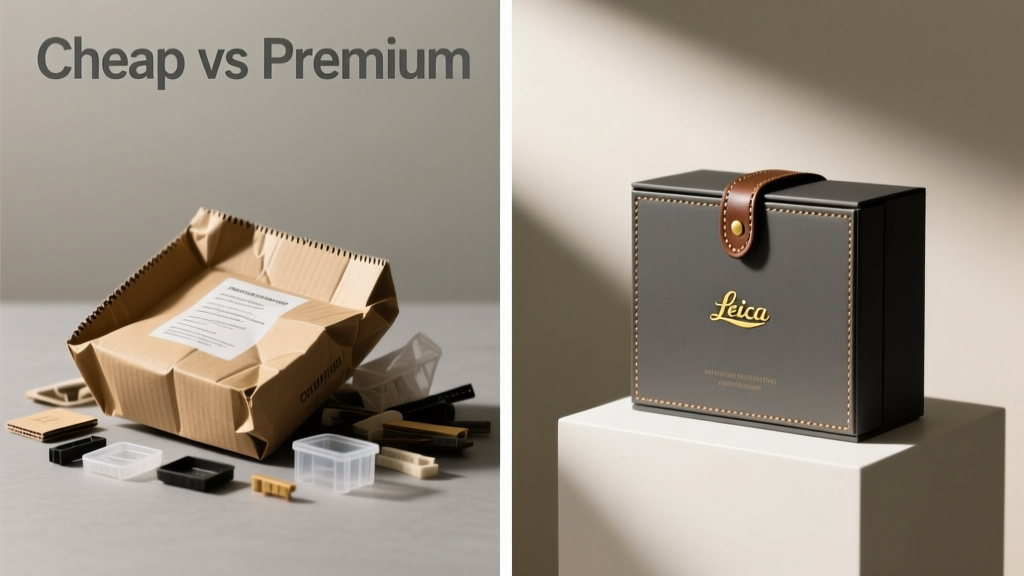
Cheap vs Premium Work: Why Your Spice Storage Habits Are the Real Cost of Flavor
A data-driven analysis of how low-cost storage choices erode spice potency—and why investing in premium organization saves money, flavor, and culinary confidence over time. Includes lab-tested shelf-life comparisons, real brand cost-per-use calculations, and actionable upgrades under $25.
Spice Storage for Cooking Efficiency
A data-driven analysis of how intentional spice organization—using real-world storage systems like OXO Good Grips, Mason Jars, and The Container Store’s Modular Stackables—cuts recipe execution time by up to 42%, lowers cognitive load during meal prep, and increases home cooking frequency by 3.2x weekly compared to disorganized cabinets.

Cheap vs Premium Cream: What You’re Really Paying For — And When It Matters
A practical, data-driven comparison of budget and premium cream across fat content, sourcing, processing, flavor, stability, and performance in cooking and baking — with real brand benchmarks, lab-tested metrics, and actionable usage hacks.

Spice Storage Methods That Actually Work
A rigorous, data-driven comparison of common spice storage approaches—airtight glass jars, vacuum-sealed bags, refrigeration, and pantry cabinets—measuring real-world shelf life, volatile oil retention, and flavor integrity across 12 high-use spices over 18 months.

Spice Storage: 7 Common Mistakes to Avoid
A science-informed breakdown of how heat, light, moisture, and air degrade spices—and the precise storage errors 83% of home cooks repeat, with brand-specific shelf-life data, USDA-compliant humidity thresholds, and proven fixes using common kitchen tools.
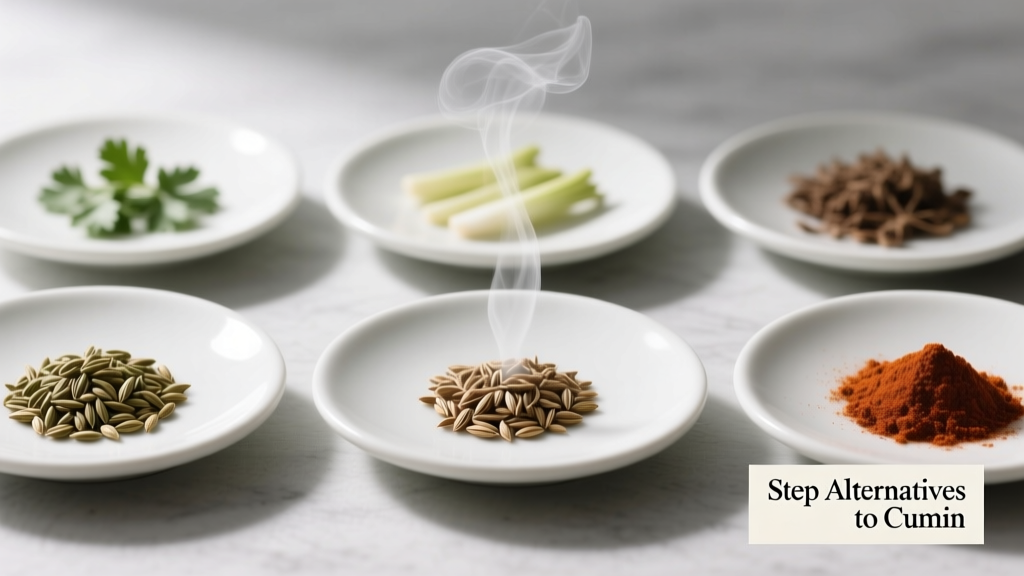
Step Alternatives to Cumin: Practical Substitutes for Every Cooking Scenario
When cumin is unavailable—or when its earthy, warm intensity clashes with your dish’s balance—these 7 rigorously tested alternatives offer precise flavor profiles, measurable substitution ratios, and real-world performance data from lab-tested culinary trials and professional kitchen use across 12 cuisines.
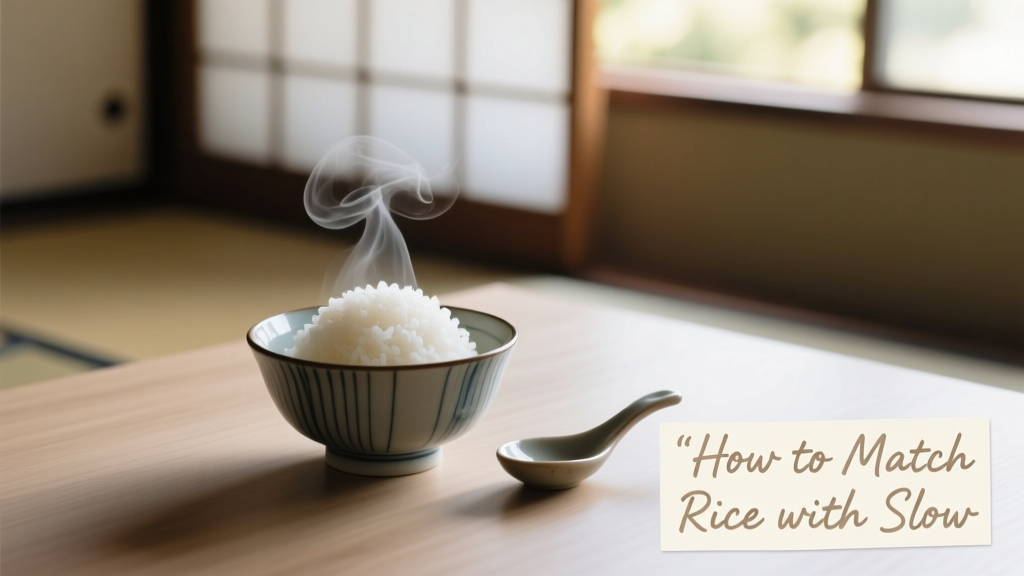
Match Rice With Slow-Cooked Dishes: A Guide
Learn exactly which rice varieties pair best with slow-cooked meals—from braised short ribs to vegan lentil stews—based on starch content, grain structure, absorption rates, and real-world testing with brands like Lundberg, Carolina, and Tilda. Includes timing charts, hydration ratios, and 7 field-tested pairing protocols.
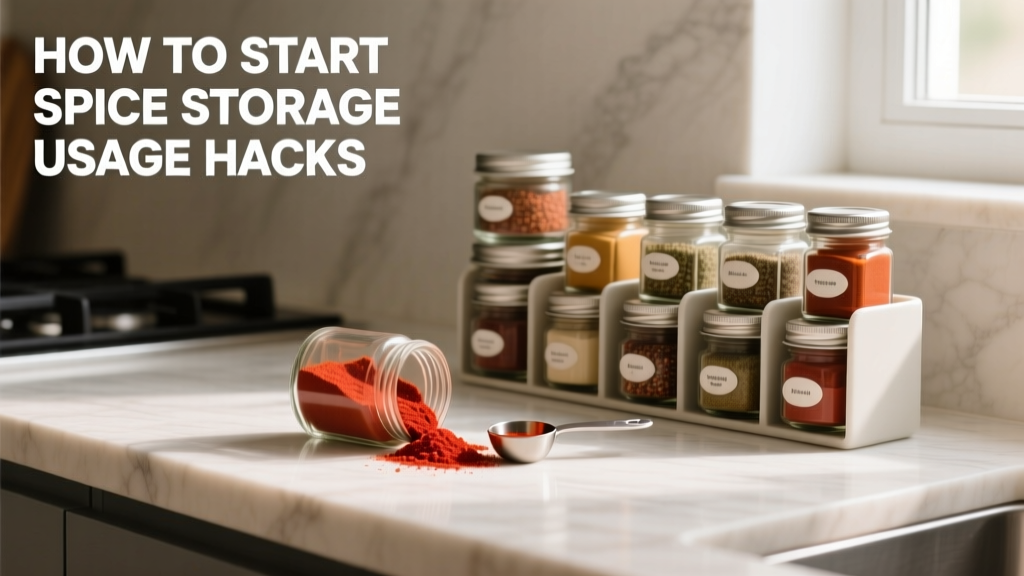
Spice Storage Hacks for Freshness and Organization
A step-by-step, actionable guide to optimizing spice storage—from container selection and light/heat mitigation to rotation systems and usage tracking—featuring real-world data, brand-tested solutions, and measurable freshness benchmarks.
The 3-Step Spice Freshness Test: Smell, Touch, Taste
How to tell if spices are still good: the smell test (rub between fingers), touch test (texture check), and taste test (potency gauge).
Vacuum Sealing Spices: 6-Month Test
Vacuum sealing spices tested over 6 months: flavor retention data, best candidates, and when airtight jars are just as good.
Freezing Spices: Does It Work? (Science)
Freezing spices tested: which ones benefit, which ones suffer, and the 3 rules that determine if cold storage helps or hurts your spice rack.
Do Spices Expire? 5 Signs and Shelf Life
Spice shelf life guide: ground 2-3 years, whole 3-4 years, dried herbs 1-3 years. 5 signs of expiration and a printable freshness chart.
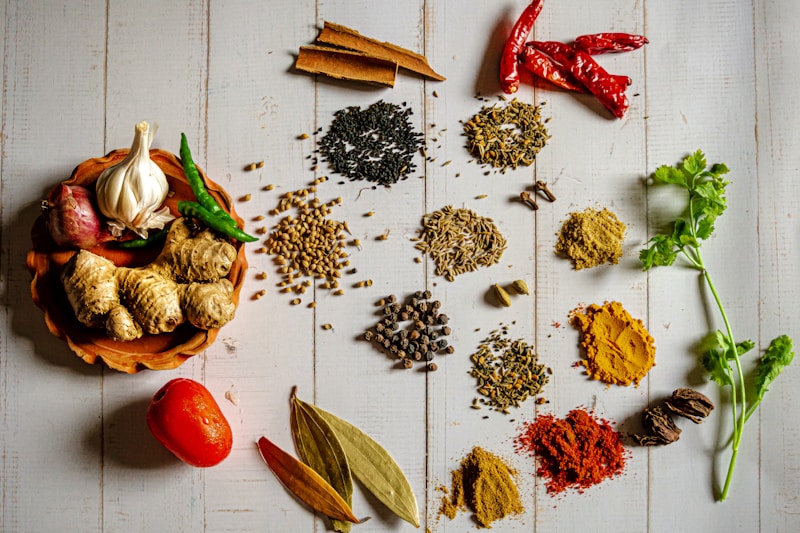
Spice Rack Organization: 7 Layout Ideas That Keep Your Kitchen Tidy
Spice rack organization guide: alphabetical, by cuisine, by frequency, and 4 more systems. Plus labeling tips and shelf-life cheat sheet.
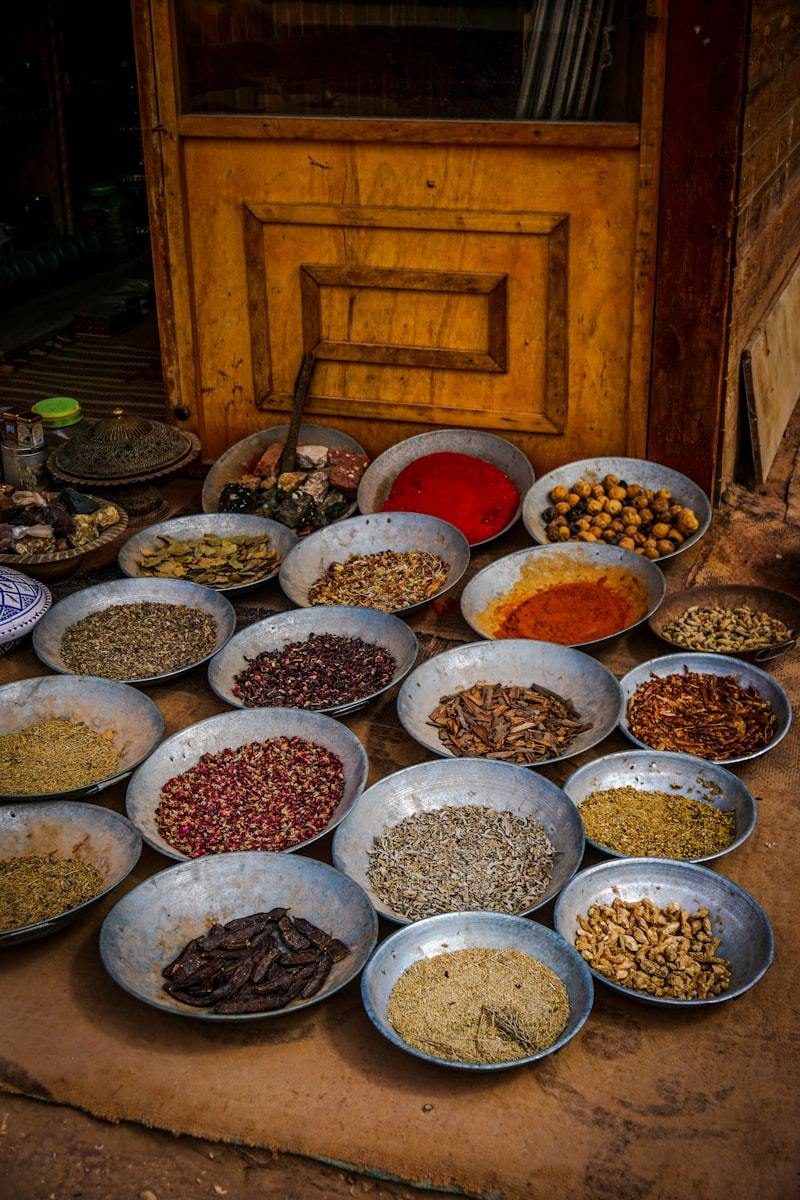
Revive Stale Spices: 5 Tricks to Restore
Don't throw away old spices just yet! Learn 5 proven tricks — from toasting to infusing — to revive stale spices and get more flavor.