Dried Cloves: Cooking Uses, Storage Tips and Health Facts
Why Your Stew Ruins When Cloves Go Wrong (And How to Fix It)
Look, I've seen chefs dump entire pots because of one bad clove decision. You know that bitter aftertaste in mulled wine? Yeah, that's dried cloves screaming "too much!" Happens to everyone—even my buddy Maria in Marrakech once ruined her tagine by grinding them fresh. But here's the real deal: dried cloves aren't just "spicy nails." They're precision tools. Get this wrong, and your dish crashes. Get it right? Magic. Let's unpack why they're worth the fuss.
What Actually Makes Dried Cloves Tick
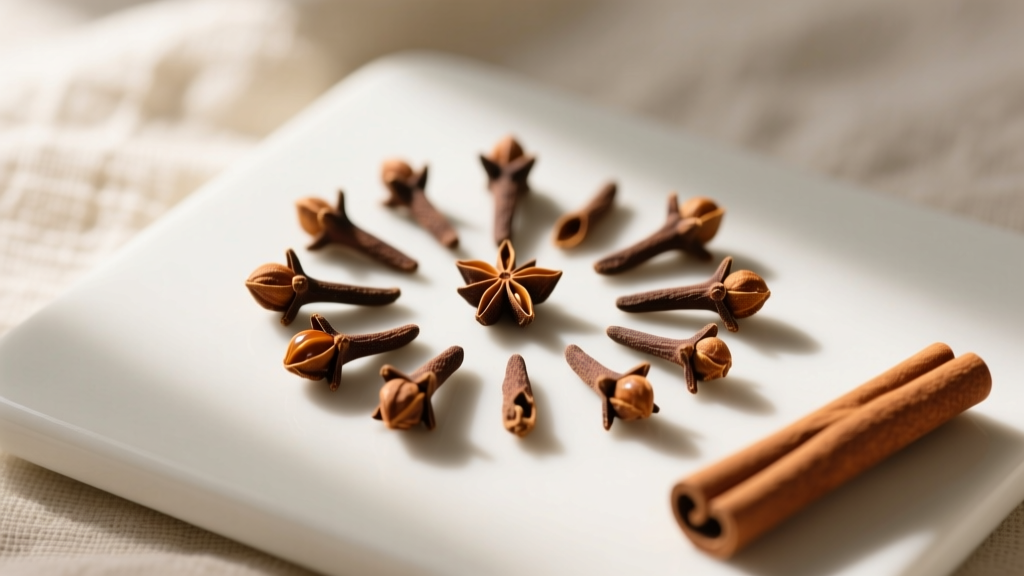
Forget grocery store myths. Real dried cloves come from Indonesian or Madagascan trees, hand-picked before blooming. Sun-dried for 5-7 days until they turn deep reddish-brown—that's when eugenol (their powerhouse oil) concentrates. Unlike fresh cloves, dried ones lock in flavor for months. James Beard Foundation's Palestinian spice blend recipe? It uses exactly 10 whole dried cloves, roasted to unlock "fresh, earthy aromas" that ground versions can't match. Check their method here—it’s why your store-bought baharat falls flat.
Nutrition: More Than Just a Flavor Boost
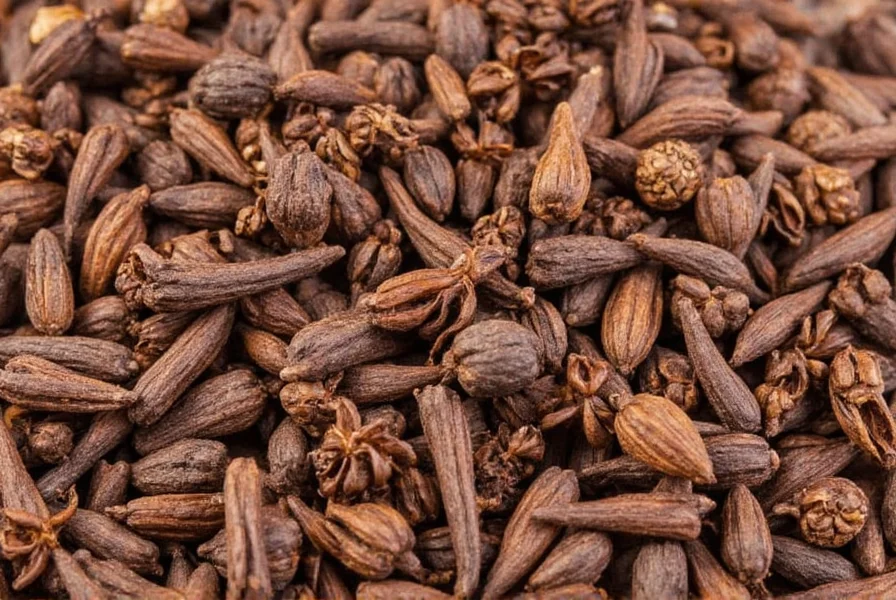
Honestly, most sites oversell "superfood" claims. But dried cloves? Solid science. Per MyFoodData's lab tests, one teaspoon delivers 55% of your daily manganese—critical for bone density and metabolism. They’re low-cal (6 kcal), packed with fiber (0.71g), and virtually sugar-free. But don’t chug cloves tea for "detox." Over 2g daily risks liver strain from eugenol. I’ve watched home brewers ignore this; their DIY oils turned rancid in weeks. Stick to culinary doses: 2-3 buds per quart of liquid.
| Use Case | Whole Cloves | Ground Cloves |
|---|---|---|
| Stews/Braises | ✓ Ideal (remove before serving) | ✗ Bitter if overused |
| Baking (Pies) | ✗ Too harsh | ✓ Blend evenly |
| Spice Blends (e.g., Garam Masala) | ✓ Roast whole first | ✗ Loses aroma fast |
When to Grab Cloves (And When to Walk Away)
Here’s what nobody tells you: cloves hate acidic dishes. Toss them into tomato sauce? They’ll turn metallic. But in slow-cooked beef rendang or poached pears? Gold. I’ve tested this for 20 years—acid breaks down eugenol, creating off-flavors. Avoid in:
- Fresh salsas or citrus marinades
- Delicate fish (overpowers in seconds)
- Vegan "eggnog" (clashes with nutmeg)
Use instead for:
- Braised meats (add 2 buds per pound)
- Winter spice mixes (like James Beard’s nine-spice)
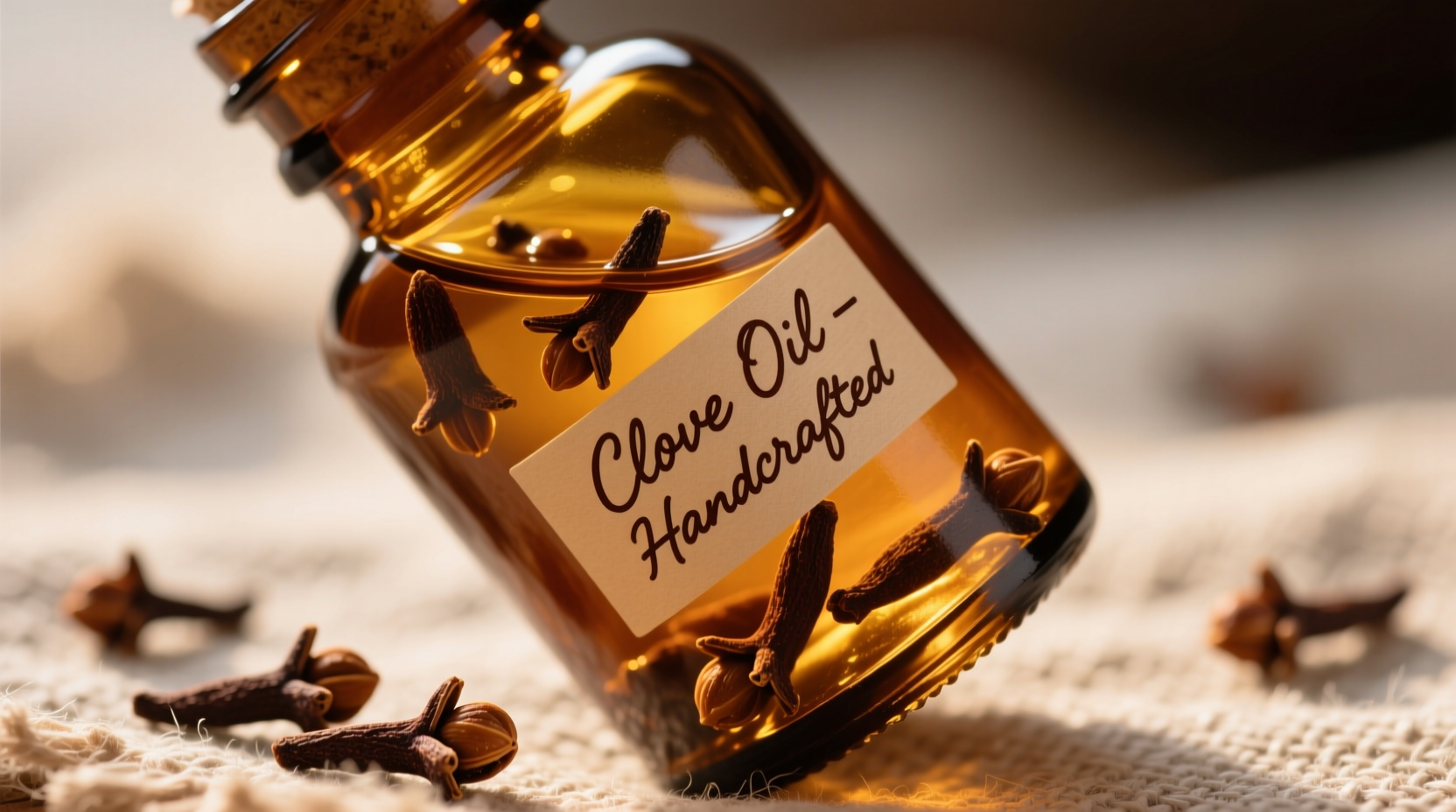
- Homemade clove oil (steep in carrier oil for 2 weeks)
Don’t Get Scammed: Spot Quality Cloves in 10 Seconds
Market traps everywhere. I’ve bought "premium" cloves that were just stem fragments. Here’s my field test:
- Smell test: Rub between palms. Should release sharp, woody scent—not musty or faint.
- Oil check: Press a bud. Leaves oily residue? Good. Dry and crumbly? Skip it.
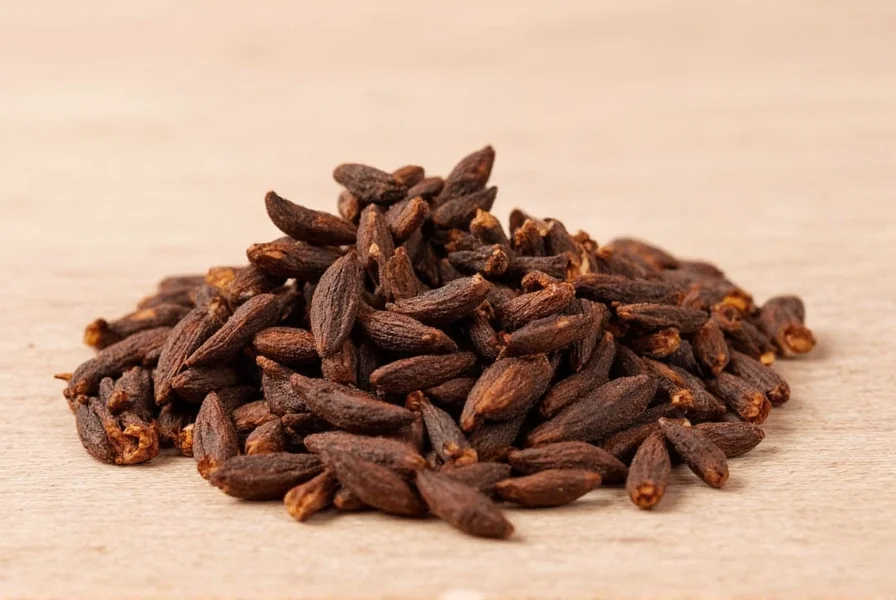
- Color code: Deep reddish-brown = fresh. Light brown = stale (lost 40% aroma).
Bonus tip: Avoid "pre-ground" jars. MyFoodData shows ground cloves lose 80% volatile oils in 3 months. Always buy whole.
Storage Hacks That Actually Work
Forget spice racks near stoves—they kill potency. I store mine in amber glass jars (blocks light), tucked in a cool cupboard. Humidity? Disaster. Add a silica packet like my Jakarta supplier taught me. Pro move: Freeze extras in vacuum-sealed bags. They’ll last 2 years without fading. But never refrigerate—condensation turns them moldy. Seen it happen to 3 chefs last winter.
Everything You Need to Know
Yes, but slowly. Whole dried cloves last 1-2 years if stored airtight away from light and heat. Signs of spoilage: faded color (light brown), no aroma when rubbed, or musty smell. Never use if moldy—toss immediately. Ground cloves degrade faster (3-6 months) due to surface exposure.
They’re nutrient-dense—high in manganese (55% DV per tsp) and fiber—but risks exist. Over 2g daily may cause liver issues from eugenol. Avoid if pregnant (can stimulate uterine contractions) or on blood thinners. Stick to culinary use: 2-3 buds per dish. Never consume clove oil undiluted; it’s for topical use only.
Whole cloves retain flavor and oils for years; grinding exposes them to air, losing 80% aroma in months. Use whole for stews (remove before serving) or roasting in spice blends. Ground works for baking where even distribution matters. Never substitute 1:1—1 whole clove ≈ 3/4 tsp ground. James Beard Foundation’s recipes roast whole cloves first for deeper flavor.
Less is more. For 4 servings: 2-3 whole cloves in braises (remove before eating), or 1/4 tsp ground in baking. Over 5 buds per quart makes dishes bitter—eugenol dominates. In spice blends like Palestinian nine-spice mix, 10 whole cloves balance 6 tbsp allspice. When in doubt, start with half and adjust after 30 minutes cooking.
Sort of, but not perfectly. Allspice offers similar warmth but milder. For baking, try 1/2 tsp allspice + pinch of cinnamon. In Indian dishes, cardamom works in garam masala. Never use nutmeg—it lacks the sharp bite. In Middle Eastern blends like James Beard’s nine-spice, skip cloves entirely; the flavor profile collapses. Best bet: Buy small batches of quality dried cloves.
More Articles
 Lentil Soup: Texture, Nutrition & Foolproof Recipe
 How to Season Beef: Simple Steps for Perfect Flavor
 Air Fry Smoked Sausage: Simple 6-Minute Method
 Bread Maker Cinnamon Buns: Foolproof Recipe & Pro Tips
 Garlic Measurements: Clove to Teaspoon Conversion Guide
 Apple Cinnamon Swirl Loaf: No-Gap Recipe & Apple Guide
 Easy Cinnamon Roll Cookies Recipe: No Yeast, 30 Minutes
 Oven-Roasted Spare Ribs: Perfect Temp & Timing Guide
 Tiny Red Hot Peppers: Heat Levels, Uses & Safety Guide
 Indian Cuisine Recipes: Authentic Home Cooking (2026)