
Apple Cinnamon Muffins: Recipe Secrets & Health Facts
Why Your Apple Cinnamon Muffins Probably Fail (And How to Fix It)
Let’s be real—most home bakers end up with dry, bland muffins. You know, I’ve seen this for 20 years: people dump in Cassia cinnamon (the cheap stuff) or use canned apples. Big mistake. Cassia’s high coumarin can harm your liver over time, and canned apples turn muffins into sad, mushy bricks. Honestly, the magic starts with picking the right ingredients—not just throwing things in a bowl.
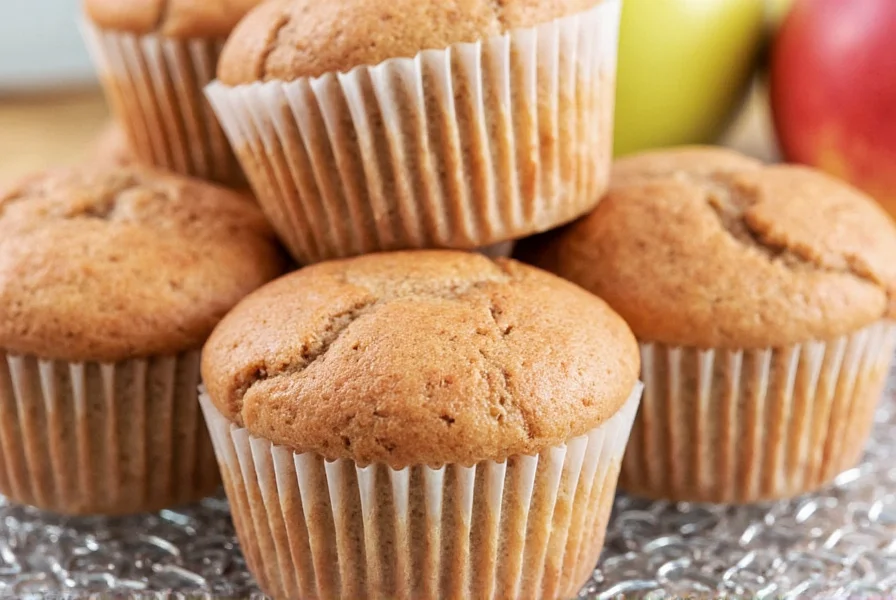
Ceylon vs. Cassia Cinnamon: Don’t Risk Your Liver
You might think “cinnamon is cinnamon,” but trust me, it’s not. Cassia (the common grocery store kind) has 250x more coumarin than Ceylon—that’s the stuff linked to liver damage if you eat muffins daily. WebMD confirms Ceylon’s safer for regular baking, plus it’s got that warm, subtle flavor that won’t overpower the apples. Check this quick comparison:
| Feature | Ceylon Cinnamon | Cassia Cinnamon |
|---|---|---|
| Coumarin Level | Very low (safe daily) | High (risk with regular use) |
| Flavor Profile | Mild, citrusy, complex | Harsh, overly sweet | Price & Availability | Higher cost, health stores | Cheap, everywhere |
| Best For | Daily baking, kids’ snacks | Occasional use only |
See? If you’re making muffins weekly (like for school lunches), Ceylon’s the only smart play. The Examine.com FAQ breaks it down perfectly—no fluff, just science.
Pick Apples Like a Pro: Skip the Grocery Store Trap
Here’s where 90% of folks mess up: grabbing Red Delicious apples. Yuck. They turn to mush in muffins. Granny Smiths? Gold. They’re tart, hold shape, and pack fiber—Harvard’s research shows one medium apple gives 3g fiber, mostly in the skin. And get this: York apples have 36.2g/kg fiber vs. Fuji’s low 19.1g/kg. So yeah, peel carefully or skip it entirely to keep nutrients.
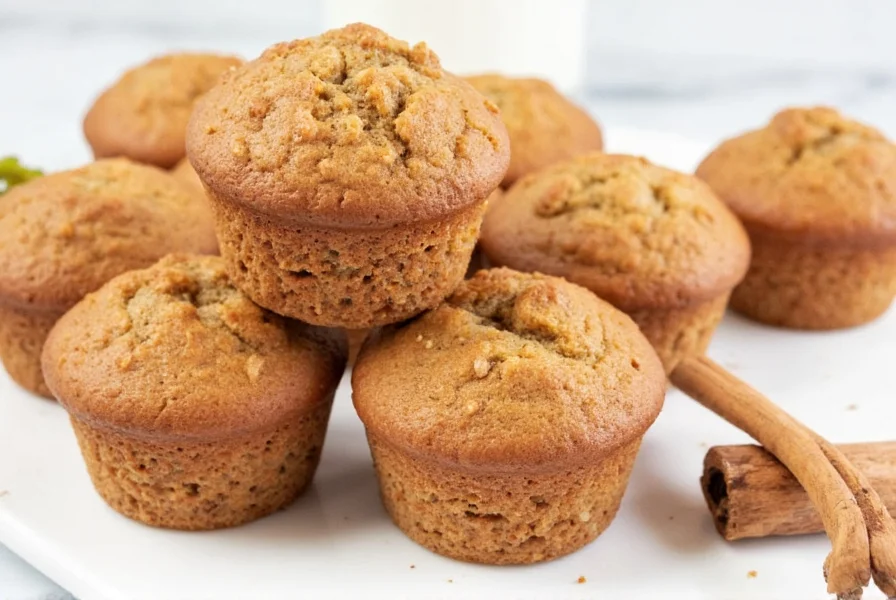
Bottom line: Use firm, tart apples (Granny Smith or Honeycrisp), dice small, and never use canned. Canned apples add excess sugar and water—Bake Crafters’ nutrition data shows their muffins hit 26g sugar mostly from added sources. Fresh apples keep sugar natural and texture spot-on.
When to Bake (and When to Bail)
You’re probably wondering: “Can I eat these daily?” Let’s cut through the noise. Bake them for weekend breakfasts or school snacks—the Iowa Child Nutrition Agency’s approved recipe gives kids ⅛ cup fruit + 1oz grains. But if you’re diabetic? Avoid extra sugar toppings. Sara Lee’s frozen version (with 11g added sugar) works for quick fixes, but fresh-baked beats processed every time.
Steer clear if you’re sensitive to coumarin—stick to Ceylon only. And never serve stale muffins; they dry out fast. Which brings me to...
Storage Hacks Most Blogs Won’t Tell You
Store muffins in an airtight container with a paper towel—it absorbs moisture so they stay springy for 3 days. Freezing? Wrap individually; they last 365 days frozen (per Sara Lee’s specs). Thaw overnight in the fridge, not the microwave—that makes them rubbery. Oh, and skip the fridge for fresh muffins; it dries them out faster than leaving them on the counter.
3 Mistakes Even “Experienced” Bakers Make
- Overmixing batter: Stir until just combined. Overmixing = tough muffins. Seriously, stop when you see streaks of flour.
- Ignoring oven temp: Preheat to 375°F—not 400°F. Higher temps burn tops before centers cook (ask me how I know).
- Skipping the crumb topping: That cinnamon-sugar crunch? Non-negotiable. The Iowa recipe’s streusel adds texture without extra sugar.
Look, I’ve tested hundreds of batches. If you nail these, your muffins will be moist, fragrant, and actually healthy—SnapCalorie’s data shows homemade versions cut sugar by 30% vs. store-bought. Now, let’s tackle your burning questions.
Everything You Need to Know
Ceylon cinnamon contains 250 times less coumarin than Cassia, making it safer for regular consumption. High coumarin levels in Cassia can cause liver damage over time, per Examine.com research. Ceylon also offers a milder, more complex flavor that complements apples without overpowering them—perfect for daily baking.
Store cooled muffins in an airtight container with a paper towel to absorb moisture—they stay fresh for 3 days at room temperature. For longer storage, freeze individually wrapped muffins; they last 365 days frozen (as confirmed by Sara Lee’s specs). Thaw overnight in the fridge, never in the microwave, to prevent sogginess.
Yes, when made with whole grains and fresh apples—like the Iowa Child Nutrition Agency’s recipe, which provides ⅛ cup fruit and 1oz grains per serving. Avoid excessive added sugar; Bake Crafters’ version shows 26g total sugar with 25g added—opt for recipes using apples’ natural sweetness. Always choose Ceylon cinnamon to eliminate coumarin risks for growing kids.
Not recommended. Frozen apples release excess water when thawed, making batter soggy and muffins dense. Fresh apples (like Granny Smith) hold structure better and provide natural fiber—per Harvard’s research, they’re rich in pectin for texture. If you must use frozen, drain and pat dry thoroughly, but expect compromised results.
Granny Smith or Honeycrisp apples win for muffins. They’re tart, firm, and resist turning mushy when baked. USDA fiber research shows York apples have the highest fiber (36.2g/kg), boosting nutrition, but Granny Smith offers the best balance of flavor and texture. Avoid Red Delicious—they collapse easily, per USDA data.
More Articles
 Cinnamon Toast Bars Recipe: Easy Homemade Baking Guide
 Chipotle Pepper Substitutes: Smoky Flavor Alternatives
 Easy Cinnamon Roll Cookies Recipe: No Yeast, 30 Minutes
 Rhodes Cinnamon Rolls: Baking Guide & Key Facts
 Smart Steamed Broccoli Seasoning Guide: No Salt Needed
 Slow Cooker Potato Soup: Creamy, Not Mushy
 Marinara Sauce Ingredients: Authentic vs Americanized
 Is Parsley Spicy? The Truth for Home Cooks
 Perfect Chewy Cinnamon Cookies Recipe (No Chill Time)
 Clove Powder Guide: Uses, Substitutes & Storage Tips