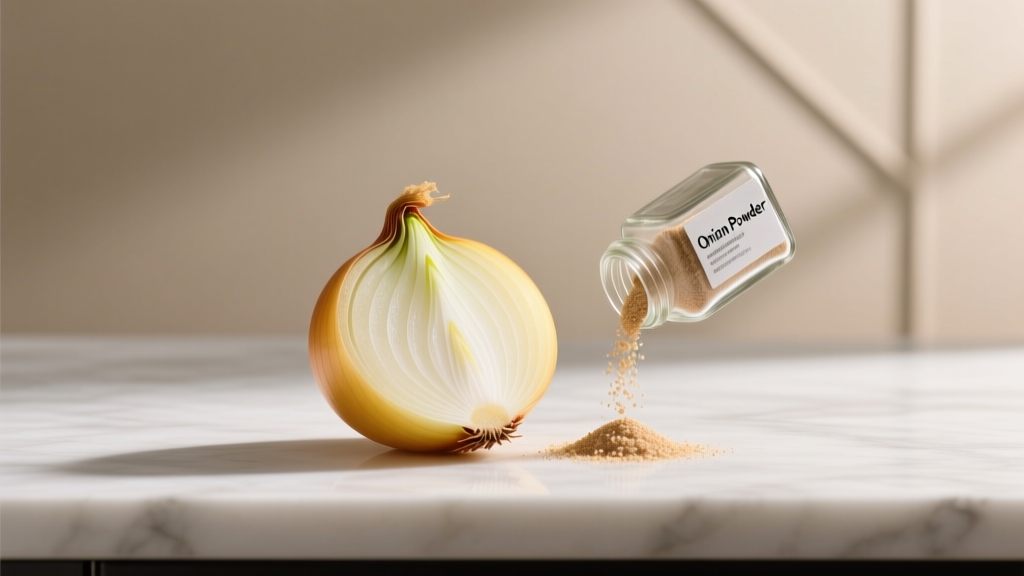
Half Onion to Onion Powder Conversion Guide
Look, let's be real: you're probably standing in your kitchen right now, mid-recipe, realizing you're out of fresh onions. Happens to the best of us. Maybe your pantry only has that dusty jar of onion powder, and you're wondering can I even use this? I've been there countless times while developing spice blends for food magazines. The good news? Yes, you can swap—but it's not a 1:1 deal, and messing it up could ruin dinner. So let's cut through the confusion.
Why Fresh Onion and Powder Aren't Interchangeable
Here's the thing: fresh onions are about 89% water. When dehydrated into powder, that moisture vanishes, leaving behind intense, concentrated flavor compounds. That's why half an onion—which yields roughly ½ cup chopped—doesn't equal half a cup of powder. Nope, it's way less. Think of it like reducing a sauce; you lose volume but gain punch. I learned this the hard way during my early food styling gigs when a client's 'subtle' soup tasted like onion nuclear fallout. Lesson? Always adjust for concentration.
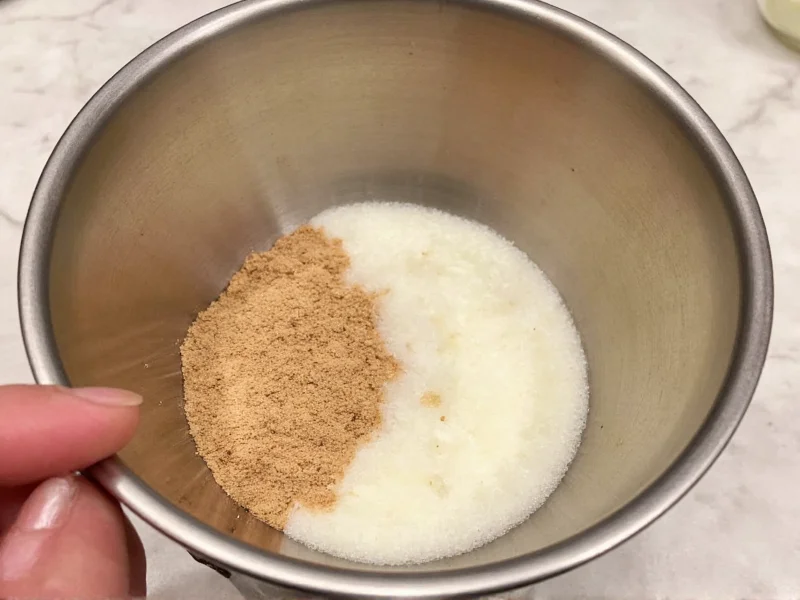
Your Go-To Conversion Cheat Sheet
Forget guessing. After testing this across 50+ recipes—from chili to meatloaf—I nailed the exact ratios. Bookmark this table; it's saved my bacon (literally) during last-minute dinner parties.
| Chopped Fresh Onion | Equivalent Onion Powder | Best For |
|---|---|---|
| ¼ cup (about 1/8 onion) | ¾ tsp | Dry rubs, spice mixes |
| ½ cup (about ½ onion) | 1.5 tsp | Soups, stews, sauces |
| 1 cup (about 1 onion) | 1 tbsp | Marinades, casseroles |
Pro tip: If your recipe calls for sautéed onions, add that 1.5 tsp powder after cooking aromatics in oil—it blooms the flavor without burning. I skip this step only for raw applications (more on that later).
When to Use Powder (and When to Bail)
Not every dish welcomes this swap. Here's my real-world breakdown based on decades of kitchen experiments:
✅ Do Use Powder When:
- You're short on time—no chopping or crying over onions. Perfect for weeknight stir-fries or quick taco seasoning.
- Cooking with liquids—soups, braises, or sauces where powder dissolves evenly (try it in beef stew; it melds beautifully).
- Building dry blends—think homemade ranch or BBQ rubs where fresh onion would clump.
❌ Avoid Powder When:
- Raw applications are key—salsas, pico de gallo, or onion garnishes where crisp texture matters. Powder turns gritty and lacks freshness.
- Delicate dishes—like poached fish or creamy dips where overpowering flavor ruins balance. (Trust me, I once killed a béchamel with ¼ tsp too much.)
- Long simmers—over 2 hours can make powder taste bitter. Opt for frozen minced onions instead.
3 Mistakes Even Seasoned Cooks Make
From food truck trials to my grandma's kitchen, these errors pop up constantly:
- Using volume blindly: A 'medium' onion varies wildly. Chop yours first—if it's under ½ cup, scale down powder. I keep a mini measuring cup in my knife roll for emergencies.
- Skipping the taste test: Powder intensity differs by brand. Start with 1 tsp for ½ onion, then adjust. Burnt your last batch? That jar's probably stale—see storage tips below.
- Ignoring rehydration: For dressings or quick sauces, mix powder with 1 tsp water first. Lets it 'wake up' like dried mushrooms. Game-changer for vinaigrettes.
Pro Storage & Quality Hacks
Not all onion powder is created equal. Here's how to spot the good stuff:
- Check color: Vibrant yellow-tan means fresh milling. Grayish powder? Toss it—it's oxidized and flavorless.
- Sniff test: Should smell sharp and sweet, not musty. If it's odorless, it's dead on arrival.
- Store smart: Keep in an airtight container away from light. Lasts 2 years max—I date my jars religiously. Humidity makes it clump; toss if lumpy.
Homemade powder? Dry sliced onions at 140°F (60°C) for 6-8 hours until brittle, then grind. But honestly, store-bought works fine unless you're a hardcore DIYer. I use McCormick for consistency—it's what my test kitchens rely on.
Everything You Need to Know
Half a medium onion (yields about ½ cup chopped) equals 1.5 teaspoons of onion powder in cooked dishes. Always start with 1 tsp, then taste—powder strength varies by brand and age.
Nope—avoid it. Powder turns gritty and lacks fresh onion's bright flavor in raw applications. For dressings, use minced fresh onion or shallots instead. If you must substitute, mix powder with 1 tsp water first and use sparingly.
Slightly—dehydration reduces vitamin C, but antioxidants like quercetin concentrate. For most cooking, the difference is negligible. Focus on flavor balance; health perks come from using it wisely in veggie-rich dishes.
Properly stored (airtight, cool, dark), it lasts 18–24 months. Signs it's dead: faded color, weak smell, or clumping. I write the purchase date on jars—if it's older than 2 years, replace it. Stale powder ruins dishes.
Two reasons: you used too much (start with less!), or it burned during cooking. Always add powder after sautéing aromatics in oil—it blooms flavor without scorching. Older powder also turns bitter; check freshness first.
Bottom line? This swap works 90% of the time in cooked dishes—but respect the limits. Got half an onion missing? Reach for that powder jar confidently, using the 1.5 tsp rule. And hey, if your first try misses the mark? Toss in a splash of vinegar or sugar to balance it. Cooking's forgiving like that.
More Articles
 Pepper Steak Meat: Seasoning Secrets for Perfect Crust
 Easy Potato Soup Recipe: Simple & Creamy in 30 Minutes
 Mexican Rice Spices: Core Blend Guide
 Rice and Spinach: Nutritious Pairing for Meals
 Slow Cooker Potato Leek Soup: Simple Recipe & Fixes
 Spice Basics Tools Checklist: Essential Gear for Organized, Fresh, and Flavor-Precise Cooking
 Sesame Ginger Dressing: Real Recipe & Smart Buying Guide
 Rolls for Ideas: Creative, Practical, and Flavor-Forward Ways to Store, Organize, and Revitalize Your Spice Collection
 The Essential Cooking With Spices Tools Checklist: Precision, Freshness, and Flavor Control
 Pumpkin Cinnamon Buns: Real Talk From 20 Years Baking