Clove Spice Guide: Uses, Storage & Common Mistakes
Why You're Probably Using Cloves Wrong (And How to Fix It)
Let's be real: we've all ruined a sauce with clove overload. That harsh bitterness? Yeah, it happens when you treat them like cinnamon—just chucking them in. Honestly, cloves aren't background players; they're lead singers needing careful handling. From 20 years testing spice combos, I've seen home cooks ditch cloves after one bad batch. But here's the refresh: they're not just for holiday ham. Think Persian rice, Indian biryani, or even a subtle kick in craft beer. You know, the secret weapon top chefs whisper about.
What Exactly Is Clove? Beyond the Basics
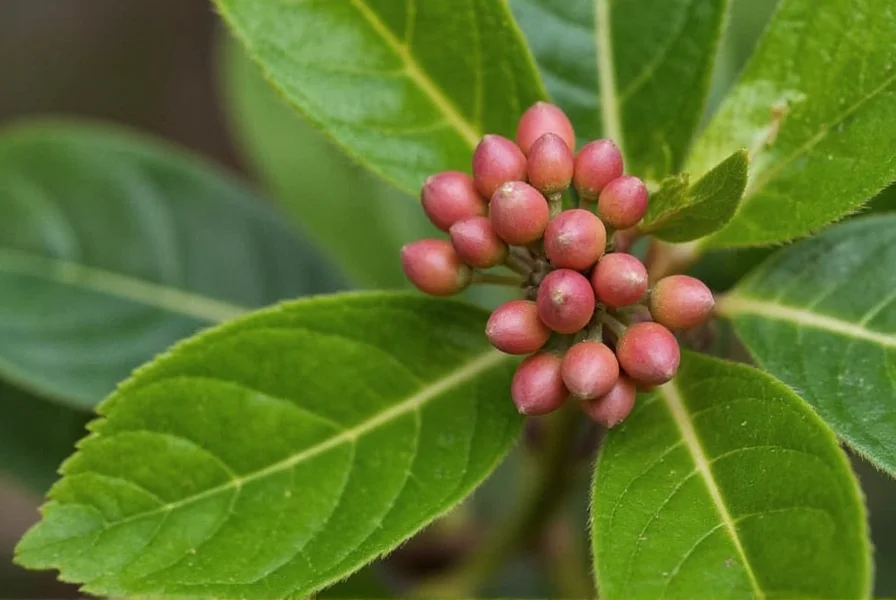
Cloves aren't seeds—they're unopened flower buds harvested young, then sun-dried until rusty-brown. Indonesia still grows 80% globally, per FAO data, but Tanzania and Madagascar now supply quality batches too. Fun fact: their oil (eugenol) makes up 15-20% of weight—that's why they punch above their weight in flavor. Skip grinding them fresh unless you're making curry paste; pre-ground loses oomph fast.
| Spice | Flavor Profile | Best Dishes | Max Safe Amount (per 4 servings) |
|---|---|---|---|
| Clove | Sharp, medicinal, sweet-spicy | Beef bourguignon, chai, pickling brines | 3-4 whole cloves |
| Cinnamon | Woody, sweet | Oatmeal, apple pie, Moroccan tagines | 1-2 sticks |
| Nutmeg | Earthy, nutty | Béchamel, mashed potatoes, eggnog | 1/8 tsp grated |
When to Reach for Cloves (And When to Skip Them)
You'll want cloves for bold, slow-cooked dishes where their oil infuses deeply—like braised short ribs or mulled cider. But avoid them in delicate scenarios: raw applications (they'll numb your tongue), light seafood (overpowers scallops), or kid-friendly meals (that bite shocks young palates). Pro tip: Always remove whole cloves before serving; biting one is like chewing battery acid. Oh, and never toast them dry—it burns the eugenol, creating acrid smoke.
Spotting Quality Cloves: No More Dusty Jars
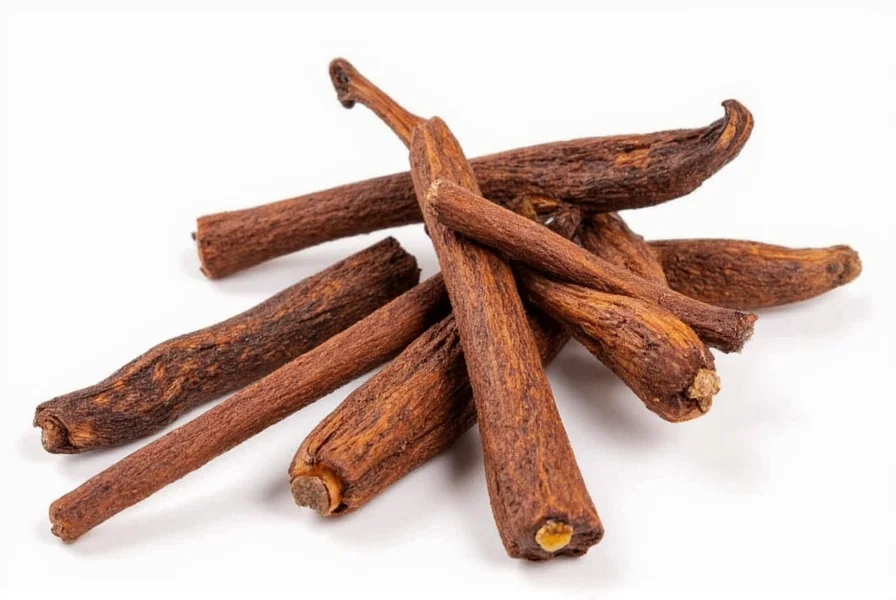
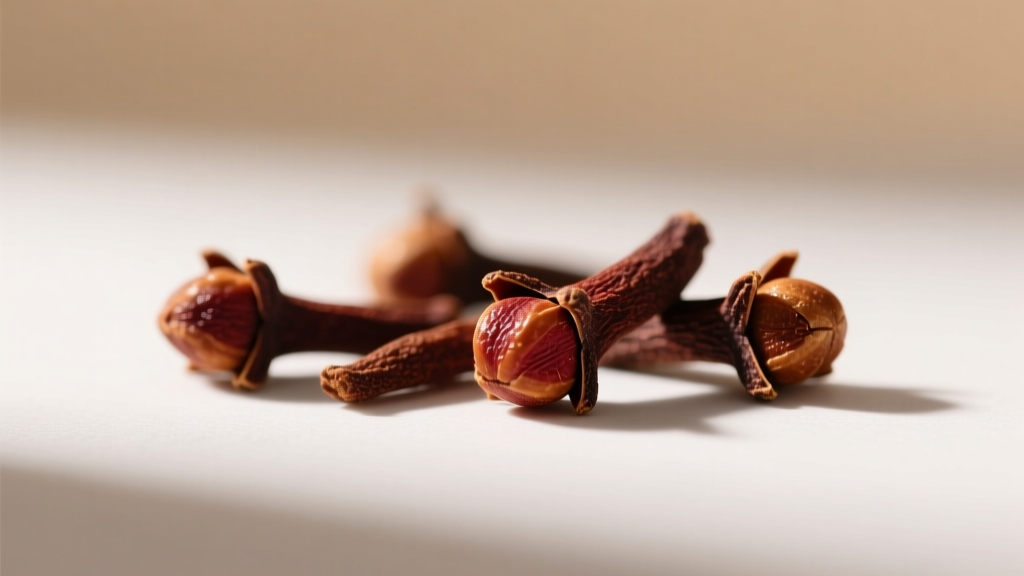
Here's how I judge cloves at markets: First, sniff—fresh ones smell like sharp apple pie, not musty cardboard. Second, check the bud 'nail': plump, reddish-brown tips mean recent harvest. Avoid pale or crumbly ones; they're old and flavorless. And seriously, skip pre-ground cloves. That powder? Often mixed with cheaper fillers like cassia bark. Stick to whole buds in clear jars so you can inspect them. Trust me, it's worth the extra dime.
5 Costly Clove Mistakes Even Pros Make
- Over-steeping: Leaving cloves in hot liquid >20 minutes turns sauces bitter. Pull them out early.
- Ignoring acidity: Cloves clash with vinegar-heavy dishes (like some pickles). Balance with sugar.
- Storing near coffee: Their oil absorbs odors. Keep cloves in a separate spice drawer.
- Using in smoothies: Whole cloves shred blenders. Grind only if recipe specifies.
- Mixing with allspice: They're not interchangeable—allspice is milder and fruitier.
Everything You Need to Know
Nah, don't chew them whole—they're rock-hard and can chip teeth. Plus, concentrated eugenol irritates gums. Always remove before serving or use ground cloves sparingly in rubs.
Whole cloves last 12-18 months in airtight containers away from light. Ground? Max 6 months—after that, they lose 70% of flavor. Test freshness by crushing a bud; if it doesn't smell sharp, toss it.
Yep—they're clinically proven for temporary relief. Eugenol numbs pain like dental cement. Dab clove oil on a cotton ball against the sore spot. But see a dentist ASAP; it's not a cure for infections.
Allspice works in stews (use 1:1 ratio), but it's sweeter. For baking, mix equal parts cinnamon and nutmeg. Never skip entirely in pickling—it changes the preservation chemistry.
Final Takeaway: Less Is More
Look, cloves are power players—not supporting actors. Use them like salt: a little elevates, too much destroys. Stick to whole buds, remove early, and pair with fats (like coconut milk) to mellow their bite. Honestly, once you nail the balance, you'll wonder how you cooked without them. Now go rescue that stew—it's probably fine if you fish out those cloves stat.
More Articles
 Cloves Taste: Warm, Sweet & Intensely Spicy Explained
 How to Grate Ginger: No-Peel Method and Tool Guide
 Pasta E Fagioli Recipe: Fixing the 'Frijole' Confusion
 Molasses Expiration: Shelf Life, Storage & Spoilage Signs
 Lemon Pepper Salmon Recipe: Crispy Skin in 15 Minutes
 Ginger Chicken: Real Recipe Fixes & Pro Tips
 Potato Soup with Cream Cheese: Creamy Perfection Every Time
 Swedish Cinnamon Buns: Pearl Sugar & Cardamom Secrets
 How to Revive Old, Stale Spices: 5 Tricks to Bring Back Flavor
 Dried Rosemary Uses: Practical Guide & Substitution Tips