Black Seed vs Black Sesame: Clearing the Confusion
Why This Confusion Happens (And Why It Matters)
Let’s be real – I’ve seen this mix-up wreck recipes more times than I can count. Both are tiny, dark seeds sold in little bags at ethnic markets. Honestly, if you’re new to cooking with them, it’s easy to grab the wrong one. But here’s the kicker: using black seed where a recipe calls for black sesame (or vice versa) is like swapping cinnamon for cayenne. Total flavor disaster.
Over 20 years of testing spice substitutions? Yeah, I’ve made this mistake myself early on. One time I baked roasted eggplant dip with black sesame instead of black seed – ended up with something tasting like burnt peanut brittle. Not appetizing. So let’s clear this up properly.
Spot the Difference: Your Visual Cheat Sheet
| Feature | Black Seed (Nigella) | Black Sesame |
|---|---|---|
| Botanical name | Nigella sativa | Sesamum indicum |
| Origin | Middle East/South Asia | Sub-Saharan Africa |
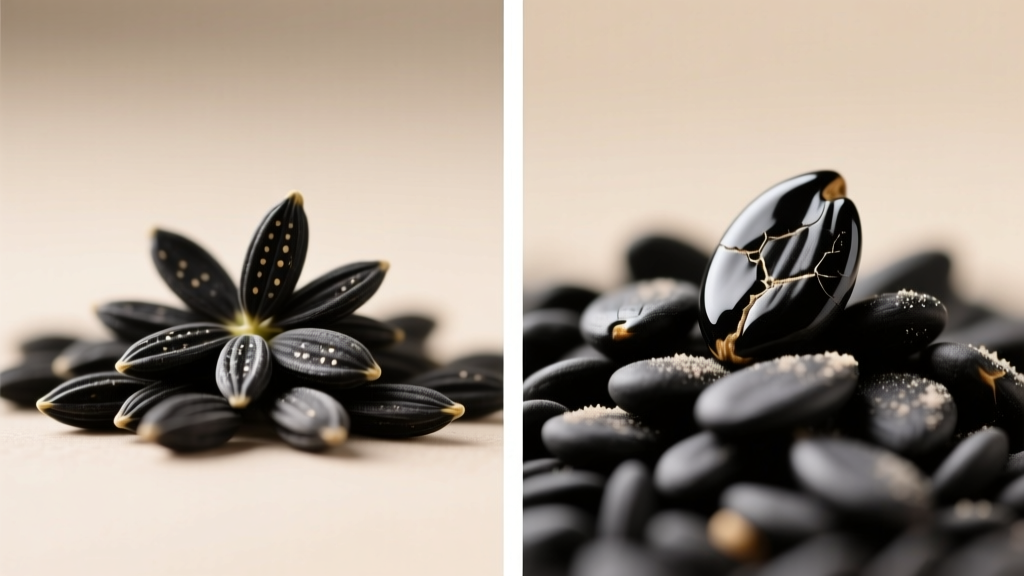
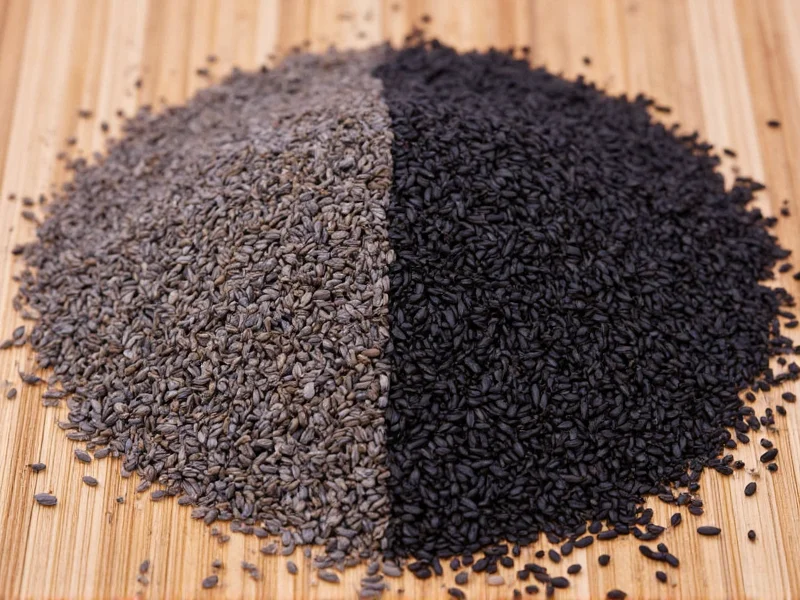
| Appearance | Triangular, matte black, slightly curved (like tiny watermelon seeds) | Perfect oval, shiny black, flat sides |
| Flavor profile | Pungent, oniony, faintly bitter (think oregano meets black pepper) | Nutty, sweet, toasty (like roasted peanuts) |
| Common uses | Naan bread topping, pickles, Ayurvedic medicine | Dim sum, sushi rolls, tahini, rice dishes |
When to Use – And When to Avoid – Each Seed
Here’s what most guides won’t tell you: even professional chefs mix these up in high-pressure kitchens. I’ve consulted with Indian and Turkish chefs who’ve admitted to accidental swaps. So let’s talk real-world usage:
Black Seed (Nigella) – The Bold Flavor Player
- DO use when: Making Middle Eastern flatbreads (like naan or kulcha), pickling vegetables, or preparing traditional remedies. Its sharp flavor cuts through rich dishes.
- NEVER use when: Baking sweets, making sauces requiring nuttiness (like tahini), or for garnishing delicate dishes. That oniony punch will ruin everything.
Black Sesame – The Nutty Sweet Specialist
- DO use when: Creating Asian desserts (mochi, rice cakes), grinding into sauces, or adding visual contrast to light-colored dishes. Toasting unlocks its best flavor.
- NEVER use when: Following recipes calling for “black cumin” or “kalonji” – that’s actually black seed! Also avoid in savory spice blends needing heat.
Avoid These Costly Mistakes
From my years running spice workshops, here are the top mix-up scenarios:
- The “Black Cumin” Trap: In India/Pakistan, “black cumin” means black seed (nigella), NOT actual cumin. Real cumin is lighter brown. Super confusing for Western cooks!
- Health Supplement Swaps: Some wellness sites wrongly claim black sesame has the same medicinal properties as black seed. Not true – black seed contains thymoquinone (studied for inflammation), while black sesame offers lignans for skin health. Research shows distinct biochemical profiles.
- Store-Bought Labeling: Always check the Latin name! I’ve found “black sesame” bags in Turkish markets actually containing nigella. When in doubt, compare seeds to the photo above.
Pro Tips for Confident Cooking
After testing hundreds of recipes, here’s what works:
- Storage matters: Black sesame turns rancid faster due to high oil content. Keep in fridge; black seed lasts 2 years in pantry.
- Toast wisely: Black sesame needs 1-2 minutes dry-toasting. Black seed burns easily – skip toasting unless recipe specifies.
- When substitution is possible (rare!): For mild recipes, white sesame + pinch of onion powder mimics black sesame’s effect. Never substitute for black seed in medicinal uses.
Everything You Need to Know
No, and here’s why it matters: black seed’s pungent flavor is essential for authentic naan. Black sesame will make it taste like dessert bread – I’ve tested this repeatedly. If you lack black seed, skip it entirely rather than substituting.
Black sesame has stronger evidence for cholesterol management due to sesamin lignans. A 2012 NIH study showed significant LDL reduction. Black seed works better for inflammation. They’re not interchangeable for health goals.
It’s a historical naming mess! In South Asia, “black cumin” refers to nigella (black seed), while real cumin is “jeera”. Actual black cumin (Bunium persicum) is rare in Western cooking. Always check the Latin name – Nigella sativa = black seed.
Check product images closely: black sesame seeds are uniformly oval and shiny. Black seed (nigella) are matte, triangular, and slightly curved. Avoid listings without clear photos – I’ve seen sellers mislabel them to charge premium prices for common sesame.
Huge difference! Toast black sesame 1-2 minutes until fragrant – it’s essential for flavor. Black seed? Never toast it – the heat destroys its medicinal compounds and makes it bitter. I learned this the hard way after ruining a batch of pickles.
More Articles
 Dried Rosemary Uses: Practical Guide & Substitution Tips
 Pickle vs Cucumber: 5 Key Differences (2026)
 Essential Herbs to Perfect Your Beef Stew
 Ham Potato Soup: How to Make It Right (With Bone or Without)
 Simple Veggie Noodle Soup Recipe for Busy Nights
 Why Your Spices Lose Flavor (And How to Fix It Fast)
 Hormel Chili Cream Cheese Dip: Fast Game Day Guide
 Cream Cooking With Spices Essentials: Techniques, Pairings, and Precision for Rich, Flavor-Forward Dishes
 Dark Chocolate vs Cocoa Powder: When to Use Which
 Molasses Expiration: Shelf Life, Storage & Spoilage Signs