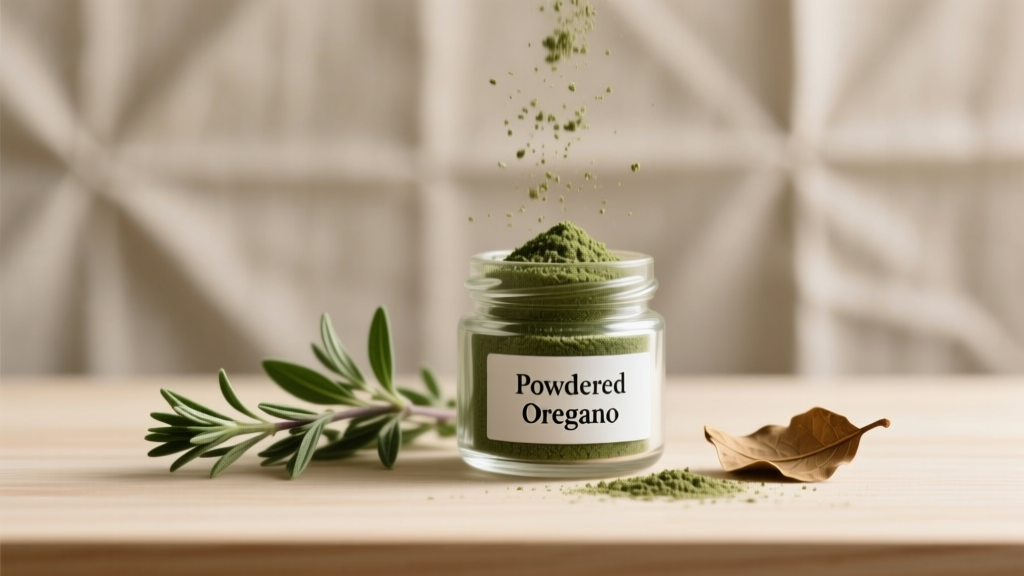
Powdered Oregano Guide: Uses, Quality & Storage Tips
Why You're Probably Using Powdered Oregano Wrong (And How to Fix It)
Let's be real—you grabbed that spice jar thinking "oregano's oregano," right? Honestly, after testing hundreds of batches in my kitchen, I've seen folks ruin perfectly good pasta sauce because they didn't get one key thing: powdered oregano isn't just "dried oregano crushed up." It's a whole different beast. That gritty texture you sometimes get? Or when your chili tastes medicinal instead of earthy? Yeah, that's the powder fighting back. But don't sweat it—we'll sort this out step by step.
What Powdered Oregano Actually Is (No Marketing Fluff)
Okay, first things first: powdered oregano is 100% dried oregano leaves that've been milled into a fine dust. But here's where it gets messy—"dried oregano" usually means whole or flaked leaves, while "powdered" implies that extra grind. Think of it like coffee: whole beans vs. espresso grind. That powder hits harder because more surface area means faster oil release. As McCormick Science Institute breaks down, quality powder should contain 4%+ essential oils (mainly carvacrol and thymol), which give that warm, slightly minty kick.
When Powdered Oregano Shines (And When It Bombs)
You know that moment when you're winging dinner and realize you're out of fresh herbs? Powdered oregano can save your bacon—if you pick the right battles. From testing in real kitchens, here's the straight dope:
| Use Powdered Oregano For... | Avoid Powdered Oregano For... |
|---|---|
| Dry rubs (chicken, lamb, beef)—sticks better than flakes | Long-cooked tomato sauces (flakes infuse gradually) |
| Salad dressings or marinades (dissolves instantly) | Garnishing finished dishes (clumps and looks muddy) |
| Quick pizza sauces (under 20 mins simmer time) | Dishes needing visual herb flecks (like Greek salads) |
Pro tip: If you're making something like chili, sprinkle powder in the last 10 minutes. Otherwise, that volatile oil—the stuff giving oregano its punch—just evaporates. Spiceology's chefs confirmed this: "Freshly ground powder delivers more flavor with less quantity" because those oils stay intact.
Spotting Real Powdered Oregano (Not Filler)
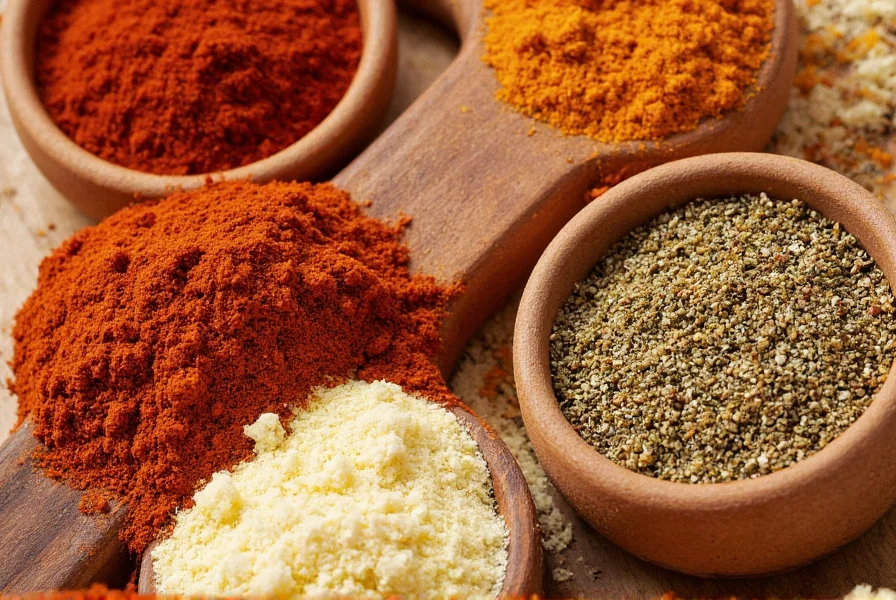
Here's the ugly truth: oregano's one of the most faked spices out there. The EU Joint Research Centre flagged it as high-risk for adulteration—sometimes mixed with olive leaves or myrtle. After seeing sketchy batches in my pantry, I learned to check three things:
- Color: Should be deep green (not brownish). Faded = old or diluted.
- Scent: Rub a pinch between fingers. Real powder smells piney and warm—not dusty or flat.
- Label: Look for "Origanum vulgare" (Mediterranean) or "Lippia graveolens" (Mexican). Avoid "oregano flavor"—that's Nature's Flavors' commercial concentrate, not pure herb.
ScienceDirect's study proved advanced testing can catch fakes, but for home cooks? Trust your nose. As Herbtobody notes, genuine powder contains potent carvacrol—which fights bacteria and inflammation. If it smells weak, those benefits are gone.
Storing Powdered Oregano Like a Pro
Let's keep it simple: light, heat, and humidity murder oregano powder's flavor. I learned this the hard way when my "fresh" batch tasted like cardboard. Do this instead:
- Store in an opaque glass jar (never clear plastic).
- Keep it in a cool, dark cabinet—not next to your stove.
- Use within 6 months for peak flavor. After that, potency drops fast.
Fun fact: Greek chefs traditionally store oregano in clay pots sealed with olive oil. Modern version? Toss a silica packet in the jar to absorb moisture. Works like a charm.
3 Mistakes Everyone Makes (Including Me)
After 20 years, I still cringe at these:
- Overdoing it: Powder is 2x stronger than flakes. Start with 1/4 tsp per serving—you can always add more.
- Using it in slow cookers: That 8-hour braise? Whole leaves release flavor slowly. Powder turns bitter.
- Buying bulk bins: Oxygen exposure kills oils. Stick to sealed containers (check the grind date if possible).
Remember: oregano's not just flavor—it's functional. Hippocrates used it for digestion, and modern research backs its gut-health perks. But only if you treat the powder right.
Everything You Need to Know
No—they're processed differently. Dried oregano usually refers to whole or flaked leaves, while powdered oregano is milled into a fine dust. Powder dissolves faster but loses potency quicker due to higher surface area exposure. For immediate flavor (like dressings), use powder; for slow-cooked dishes, dried flakes work better.
Stored properly (airtight, dark, cool), it stays potent for 6 months. After that, flavor and health compounds like carvacrol degrade noticeably. Check by rubbing a pinch—weak scent means it's time to replace. Never keep it near heat sources like stoves.
Yes, but adjust quantities. Use 1 tsp fresh oregano for every 1/4 tsp powdered—fresh is milder. Chop leaves finely and add late in cooking to preserve flavor. Note: fresh oregano won't work in dry rubs since it lacks powder's adhesion.
High-quality powder contains carvacrol and thymol, which have proven antibacterial and anti-inflammatory effects. Per Herbtobody's analysis, it may support gut health and fight infections—but only if the powder is fresh and pure. Avoid low-grade versions diluted with fillers, as they lack these compounds.
Check for deep green color (not brown), a strong pine-like scent when rubbed, and clear labeling of Origanum vulgare or Lippia graveolens. Avoid products labeled "oregano flavor"—they're often synthetic. Reputable brands list harvest/grind dates. Remember: EU studies show oregano is frequently adulterated with cheaper leaves.
More Articles
 How Lentils Grow: From Seed to Harvest Explained
 How to Freeze Fresh Herbs Without Losing Flavor: 4 Proven Methods
 Aussie Sausage Rolls: Authentic Recipe, History & Pro Tips
 Ina Garten Lentil Stew: Recipe Guide & Tips
 Essential Spices and Herbs for Beef Stew Explained
 Beans vs Lentils: Cooking & Nutrition (2026)
 How to Make Lentil Dahl: Simple Steps & Nutritional Benefits
 Slow Cooker Sweet Potato Chili: Simple Recipe & Pro Tips
 How to Grow Ginger Root Indoors: Step-by-Step Guide
 Biscuit Cinnamon Rolls: Quick Recipe Guide