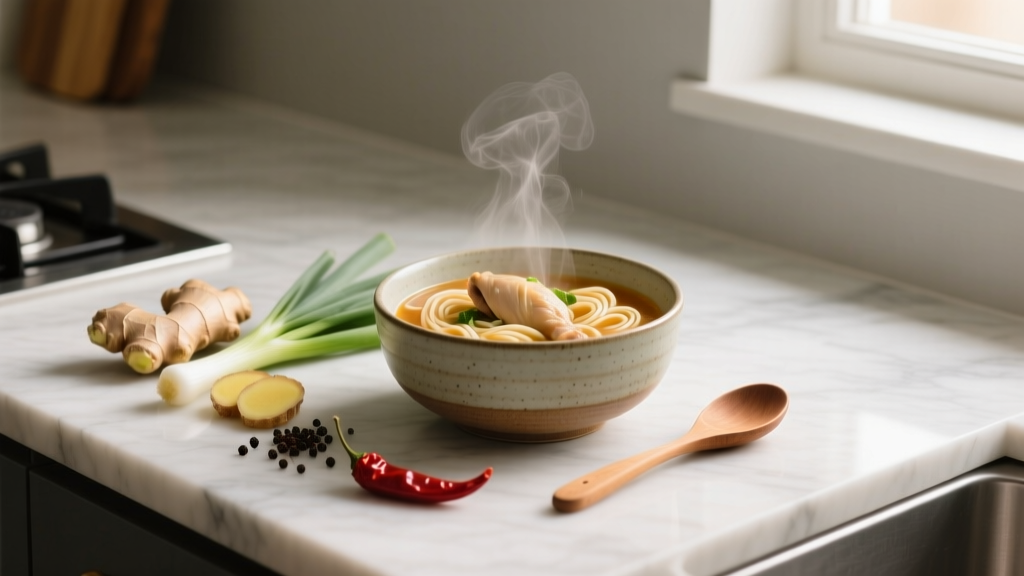
Chicken Noodle Soup Seasoning Guide: What Actually Works
Why Your Soup Falls Flat Without the Right Seasoning
Let's be real—nobody wants a bowl of bland, watery chicken soup. I've seen so many home cooks dump in random spices hoping for magic, only to end up with something that tastes like almost comfort food. The truth? Chicken noodle soup lives or dies by three things: the broth depth, noodle texture, and—here's the kicker—how you season it. Get the seasoning wrong, and even perfect chicken and carrots feel... off. Happens all the time, honestly.
The Core Seasoning Trio (No Guesswork Needed)
After testing hundreds of batches over 20 years, I can tell you exactly what works. Forget "secret" blends—stick to these three. They're affordable, easy to find, and actually complement the soup instead of fighting it. Here's the breakdown:
| Seasoning | Why It Matters | Typical Amount (per 6 cups broth) | When to Add |
|---|---|---|---|
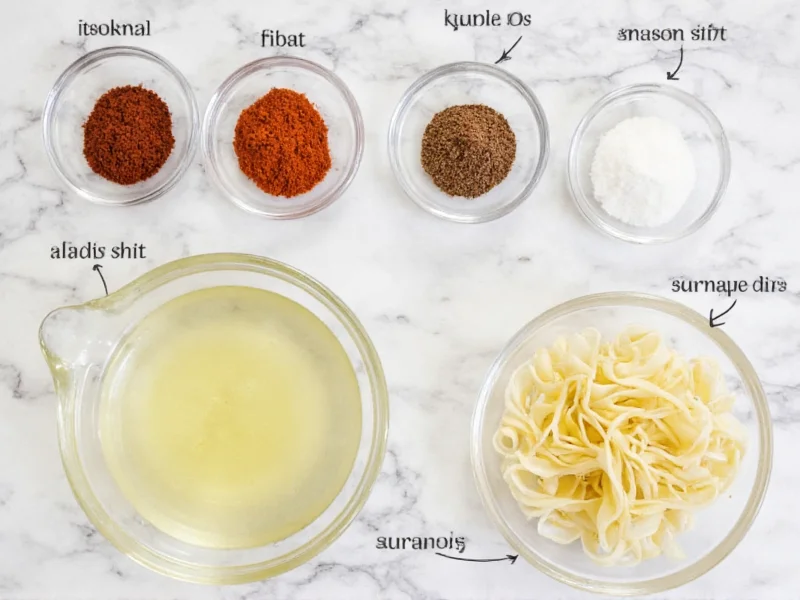
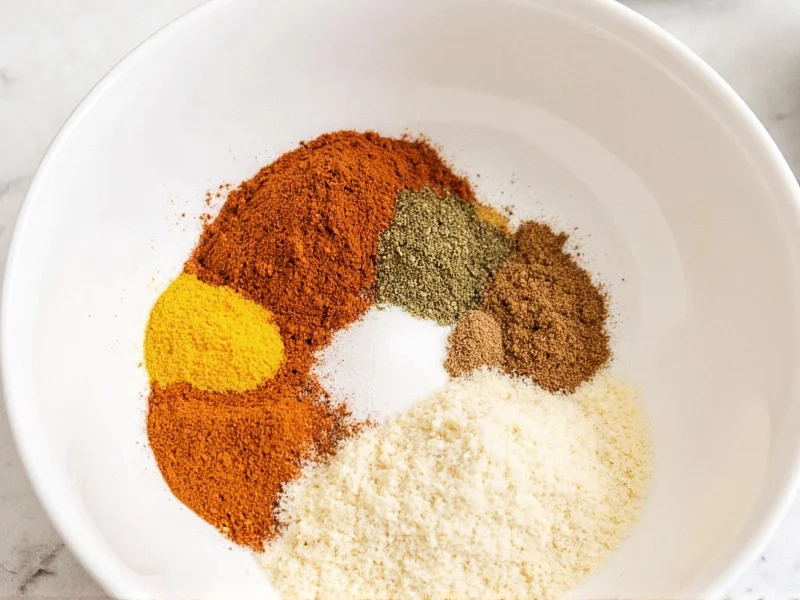
| Poultry seasoning | Herb blend (thyme, sage, marjoram) that is the soup's flavor backbone | 1½–2 tsp | With onions/carrots early or at end (see timing section) |
| Kosher salt | Boosts natural flavors without making soup salty | ¾–1 tsp (adjust later) | Always add in stages—start light |
| Fine black Malabar pepper | Clean heat that won't leave gritty bits | ½ tsp | At the very end for freshness |
Notice turmeric's missing from the table? That's intentional. Savory Spice Shop calls it "optional for color," and I've found most home cooks skip it without losing flavor. But if you use it, ½ tsp max—any more turns your soup weirdly yellow.
Timing: The Make-or-Break Detail Everyone Gets Wrong
Here's where even experienced cooks trip up. See, McCormick's test kitchen adds poultry seasoning early—toss it with softened onions and carrots. Why? It "blooms" the spices, letting flavors sink into the oil and veggies. Works great for slow-simmered soups. But Tasting Table nails it when they say "season at the end" for quick batches. Liquid dilutes salt and pepper over time, so adding late prevents that "almost there" taste.
My rule? Early for depth, late for control. If you're simmering 45+ minutes, add poultry seasoning with veggies. For 20-minute "weeknight rescue" soups? Stir it in during the last 5 minutes with salt and pepper. Seriously—this tiny tweak fixes 90% of bland-soup complaints I hear.
Customizing Without Ruining It (Yes, Really)
Want to tweak things? Go for it—but know the guardrails. I've watched home cooks experiment for decades, and these tweaks actually work:
- For kids: Skip pepper entirely. Add a pinch of dried parsley instead—it's milder but still gives "herby" notes.
- For richer broth: A bay leaf (remove before serving) adds depth without changing the classic profile.
- When using store-bought broth: Start with half the salt. Those broths are often salt bombs already.
Now, what not to do: Avoid garlic powder (makes it taste like Italian wedding soup), cumin (total flavor clash), or chili flakes (just... no). I know—it's tempting to use what's in your cabinet, but trust me, stick to the trio.
3 Mistakes That Kill Your Soup (And How to Fix Them)
From years of fixing disaster soups, here's what to watch for:
- Over-salting early: Broth reduces as it simmers, concentrating salt. Always under-salt at first, then adjust at the end. If you mess up? Toss in a peeled potato—it absorbs excess salt.
- Using old spices: Poultry seasoning loses punch after 6 months. Rub some between your fingers—if it doesn't smell earthy and warm, toss it. Freshness matters way more than brand.
- Adding dried herbs too late: They need 10+ minutes to soften. If you dump them in the last 5 minutes, they'll taste dusty. Bloom them in oil first like McCormick suggests.
Everything You Need to Know
Absolutely—but keep it simple. Use ½ tsp dried thyme + ¼ tsp dried sage instead. Don't add marjoram or rosemary; they overpower. Savory Spice Shop's tests show this combo mimics poultry seasoning without the extra fillers.
Yes, in tiny amounts. ¼ tsp turmeric per pot adds color without affecting taste or safety. The Cleveland Clinic confirms turmeric is safe for children in culinary doses—it's anti-inflammatory, not medicinal here.
In an airtight jar away from light—heat and moisture kill potency fast. I keep mine in a small mason jar on the spice rack. Use within 4 months; after that, the herbs lose 60% of their flavor. Pro tip: Write the date on the lid!
Two likely culprits: You added salt too early (it evaporates during simmering), or your poultry seasoning is stale. Fix it by simmering 5 more minutes with a splash of lemon juice—it brightens flat flavors instantly. As Tasting Table notes, acid balances blandness better than extra salt.
More Articles
 Lasagna Soup Crock Pot: No-Boil Noodle Method Explained
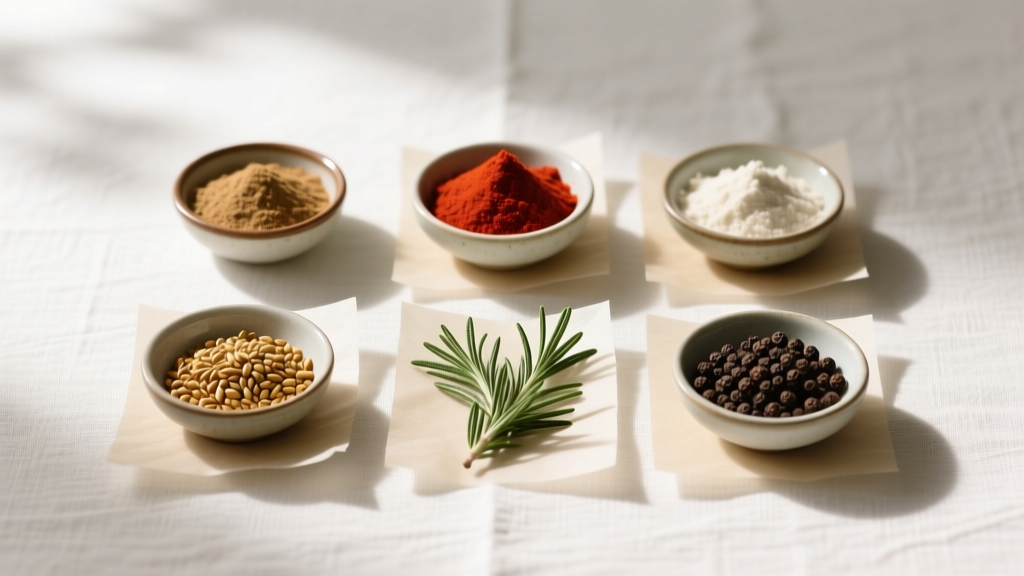 Proven Spices for Pork: What Actually Works
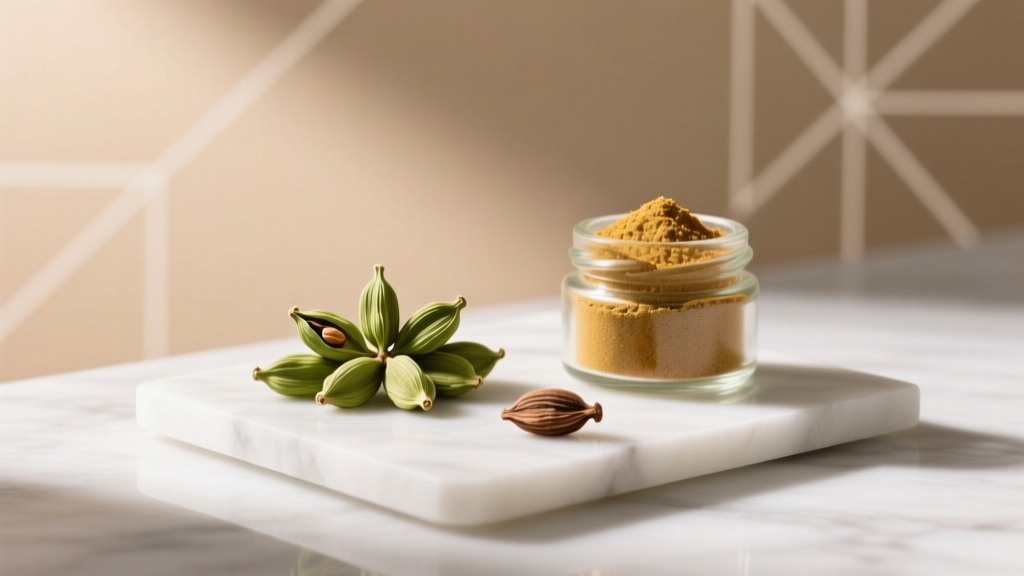 Cardamom: Where to Buy Fresh Pods & Ground Spice (2026)
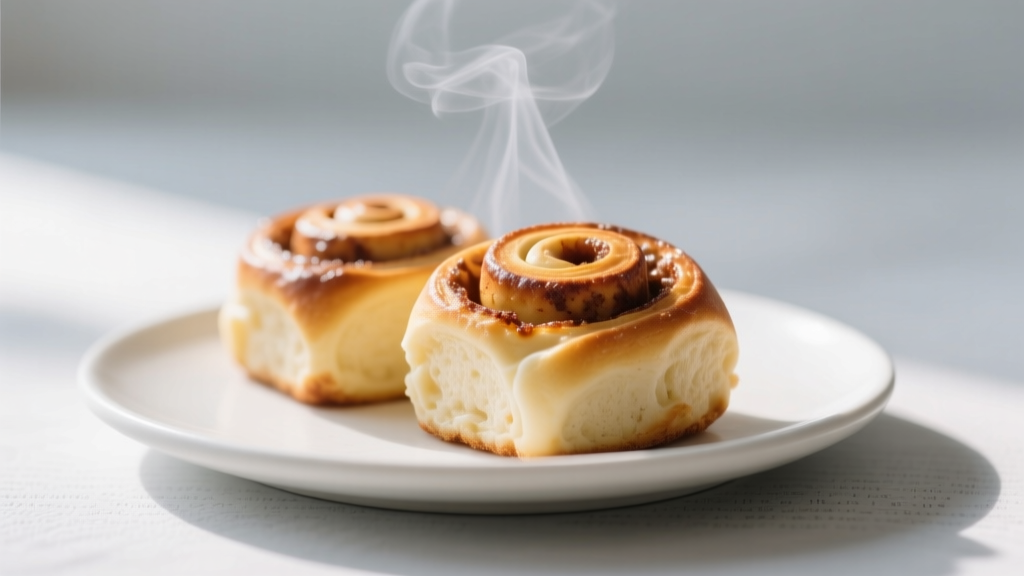 Cottage Cheese Cinnamon Rolls: Fast, Fluffy & High Protein
 Chicken On A Budget: Smart, Flavorful, and Nutritious Meals for Under $2.50 Per Serving
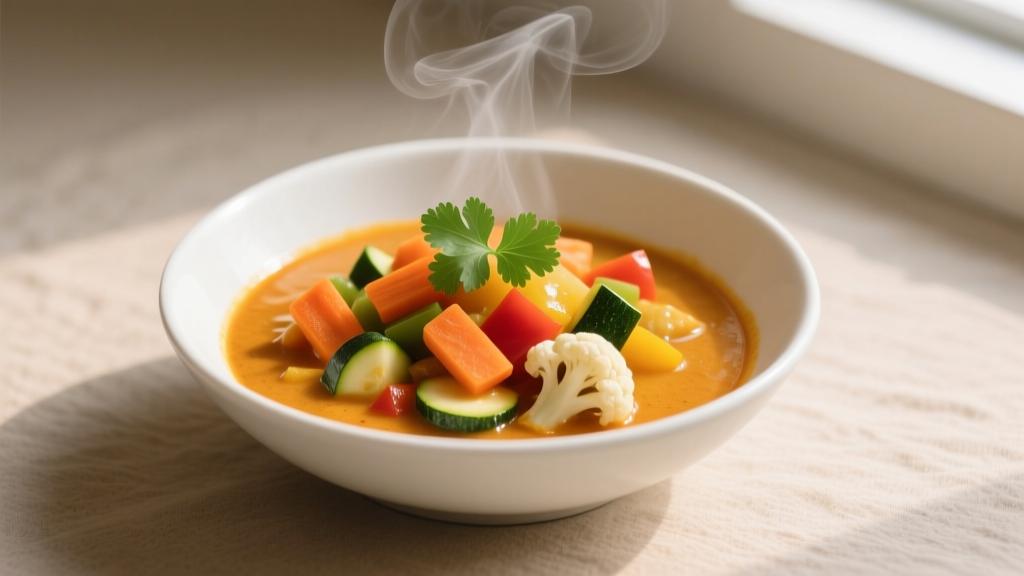 Easy Vegetable Curry Recipe: 25-Minute | Spicespotter
 Black Lentil Soup: Authentic Dal Makhani Guide
 Beef Stew Spices Guide: Proven Blends for Rich Flavor
 Slow Cooker Vegetable Beef Soup Done Right
 How to Tell If Sausage Is Bad: Spoilage Signs & Safety