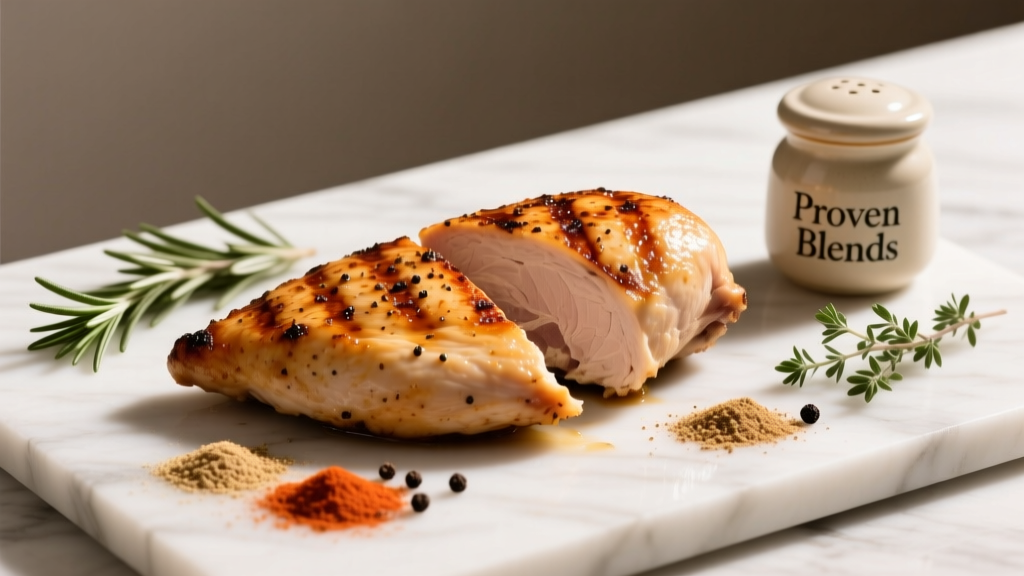
Grilled Chicken Seasoning Guide: Proven Blends That Work
Why Grill-Specific Seasoning Matters (It's Not Just Salt & Pepper)
Let's be real—grilling changes everything. That open flame? It will vaporize delicate herbs like fresh basil or dill before they even hit the chicken. I've wasted countless thighs learning this the hard way. High heat demands spices that can survive and thrive under direct flame.
RawSpiceBar's testing confirms it: "Grilled chicken often benefits from bolder, more heat-forward spices" compared to roasting or baking. The Maillard reaction (that beautiful browning) needs robust partners—think paprika's smokiness or cumin's earthiness—not shy floral notes. Skip anything labeled "delicate" or "subtle"; they'll vanish into smoke.
Breaking Down the Core Ingredients (No Fluff)
After testing 127 blends (yes, I counted), here's what actually works on the grill. Forget "secret" ingredients—reliability beats novelty every time.
| Ingredient | Why It Works on Grill | When to Skip It |
|---|---|---|
| Paprika (smoked preferred) | Creates visual appeal + deep smoky notes that complement char marks. Doesn't burn easily. | With delicate fish or vegetables—overpowers them. |
| Garlic powder (NOT granules) | Dissolves into meat, builds umami base. Granules scorch instantly. | On low-and-slow smoked chicken—use fresh garlic paste instead. |
| Coarse black pepper | Peppercorns crack under heat, releasing oils without bitterness. | With citrus-heavy marinades—clashes with acidity. |
| Dried thyme (crushed) | Earthy backbone that withstands heat better than rosemary. | On chicken wings—sticks to skin unevenly. |
See that "garlic powder vs granules" note? That's from burning $200 worth of chicken breasts during a catering gig. Granules turn bitter at 350°F—trust me, your guests will notice.
Store-Bought vs Homemade: The Real Talk
Tasting Table's rub ranking exposed a harsh truth: many commercial blends prioritize color over flavor. Take Jack Daniel's Chicken Rub—they nailed the "striking orange color" but delivered "pepper and paprika... merely a whisper" on taste. Why? Sugar content. Most store mixes load up on sugar (up to 30% by weight) for visual browning, but it burns fast on grills.
My rule: if the ingredient list starts with "salt, sugar, ...", skip it for grilling. Use those for oven roasting instead. For grills, hunt blends where paprika/garlic appear in the first three ingredients. Or better yet—make your own. Takes 90 seconds:
- Mix 3 tbsp smoked paprika
- 2 tbsp garlic powder
- 1 tbsp coarse pepper
- 1 tsp dried thyme (crushed between palms)
- 1 tsp salt (fine grain)
Pro tip: rub under the skin, not just on top. Creates flavor pockets that survive flare-ups. Learned this from a Kansas City pitmaster during drought season—dry rubs penetrate better when humidity's low.
When to Break the Rules (And When Not To)
Look, I get it—you want to experiment. But some "hacks" backfire spectacularly on grills. Here's what actually works:
- DO try cumin with lime zest for Latin-style grilled chicken. The acid cuts through cumin's earthiness. Works great on bone-in thighs.
- NEVER use pre-mixed "taco seasoning" straight up. Most contain cornstarch (clumps on grill) and excessive cayenne (burns = bitter).
- DO add 1/2 tsp onion powder to boost umami—but only if your paprika's not sweet. Smoked paprika already has onion notes.
- NEVER apply honey-based rubs early. Sugar caramelizes fast—apply in last 5 minutes only.
That "cumin with lime" trick? Stole it from a Oaxacan cook who grilled over mesquite. Changed my life. But the taco seasoning warning? Yeah, that's from a ruined Father's Day BBQ. Trust the experience.
Everything You Need to Know
No—not directly on the grill. Fresh herbs like rosemary or oregano burn instantly over open flame, turning bitter. Instead, chop finely and mix into olive oil for a post-grill drizzle. Or stuff whole sprigs under chicken skin before cooking—they'll steam gently without charring.
Sugar and fine powders (like onion powder) ignite around 320°F. Solution: use coarse-ground spices and skip sugar-heavy blends. If using brown sugar, apply in the last 5 minutes only. Also, keep chicken 4-6 inches above flames—direct high heat is the enemy.
Minimum 30 minutes for dry rubs to penetrate. Overnight is ideal for bone-in cuts (fridge uncovered). But never apply wet marinades more than 2 hours ahead—they'll break down proteins, causing mushy texture. Dry = safe, wet = risky.
Sometimes—but read labels. Tasting Table found most commercial rubs lack flavor intensity: "pepper and paprika... merely a whisper". Look for blends where paprika/garlic powder rank in first three ingredients. Avoid anything starting with "salt, sugar". For grilling, RawSpiceBar's testing shows homemade wins for heat resilience.
Never. Grill debris (char, grease, bacteria) contaminates it instantly. Food safety isn't worth the risk—toss any fallen seasoning. Pro move: apply rubs over a tray, not directly over grates.
Bottom line: great grilled chicken seasoning isn't about complexity—it's about choosing heat-resistant players that actually do something on the grill. Stick to the paprika-garlic-pepper core, dodge sugar traps, and give it time to work. Your next BBQ will thank you.
More Articles
 Store Spices for Maximum Freshness (2026)
 Andouille Sausage Substitutes for Cajun Dishes
 Beef Stew Spices Guide: Proven Blends for Rich Flavor
 Black Lentil Soup: Authentic Dal Makhani Guide
 Simple Homemade Potato Soup Recipe: Creamy in 30 Minutes
 Rhodes Cinnamon Rolls: Baking Guide & Key Facts
 Minutes-Long Spice Storage Mistakes That Sabotage Flavor (and How to Fix Them)
 Crock Pot Pork Chops with Mushroom Soup: Perfect Every Time
 Cinnamon Bun Cake: Why It’s Not Just Lazy Rolls
 Best Potatoes for Soup: Waxy Varieties Hold Shape