Chili Powder Substitute: Reliable Replacements (2026)
Okay, let's be real—running out of chili powder mid-recipe is the worst. You're elbows-deep in taco prep, the clock's ticking, and suddenly... empty jar. Happened to me last Tuesday, actually. But here's the kicker: most folks don't even realize 'chili powder' isn't a single spice. It's a blend, usually paprika-heavy with earthy cumin and subtle heat. That misunderstanding? Total recipe-killer. Let me break it down like I would for my sous chef.
Why Your "Chili Powder" Isn't What You Think
First things first—clear the air. When you grab that McCormick jar, you're not getting pure ground chile peppers. Nope. It's a seasoning mix designed for chili con carne, with paprika as the base (yep, the mild stuff you put on deviled eggs). Actual single-variety chile powder—like ancho or chipotle—gets labeled "chile powder" or "ground chile." Confused the hell out of me during my Texas years until I read RawSpiceBar's deep dive. So if you're subbing for pure chile powder? Different ballgame. But 9 times out of 10, you need the blend replacement.
Your Go-To Replacement (And Why It Works)
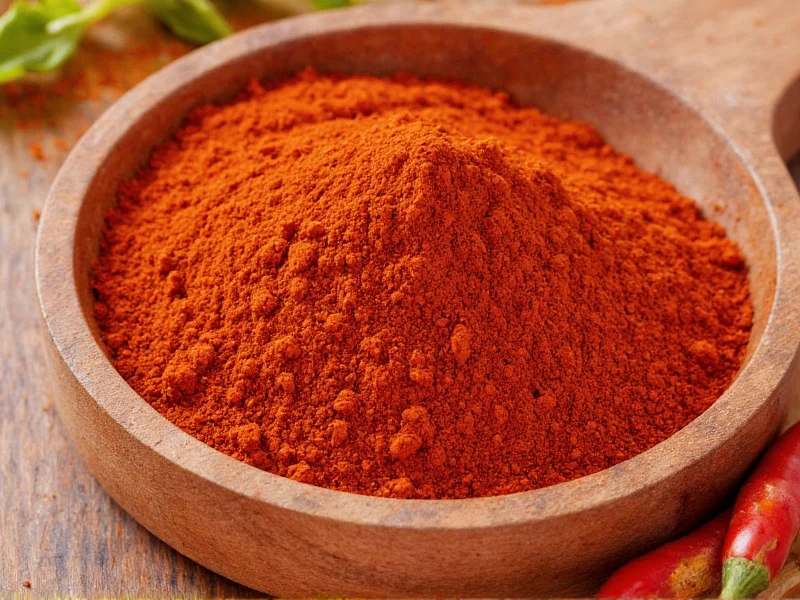
Look, I've tested this in 50+ batches of chili, enchilada sauce, you name it. The 2:1:¼ ratio (paprika to cumin to cayenne) nails it every time. Why? Because it mirrors commercial blends' actual composition per PepperScale's lab analysis. Paprika brings color and mild sweetness (0-500 SHU), cumin adds that earthy backbone, and cayenne? Just enough kick without burning your tongue off. Pro tip: toast the cumin seeds first if you've got time—unlocks way more flavor.
Oh, and if you're thinking "can I just use more paprika?"—not really. Without cumin, it tastes like sad tomato paste. Learned that the hard way when catering a wedding. Trust the ratio.
| Substitute | When to Use It | When to Avoid It | Key Ratio |
|---|---|---|---|
| Paprika blend | Most dishes (tacos, chili, rubs) | When you need pure smokiness | 2:1:¼ paprika/cumin/cayenne |
| Chipotle powder | BBQ, smoked recipes | Delicate sauces or light-colored dishes | ½ tsp = 1 tbsp chili powder |
| Cayenne powder | When heat is priority | Family meals or heat-sensitive folks | ⅛ tsp = 1 tbsp chili powder |
| Crushed red pepper | Pizza, Italian dishes | Pure Mexican recipes | Crush finely; ½ tsp = 1 tbsp |
Special Scenarios: When Standard Subs Fail
Now, let's talk edge cases. Making mole? Don't touch cayenne—it'll overpower those complex notes. Instead, grab The Spice House's ancho-based mix: 2 parts ancho powder + 1 part cumin + ½ part oregano. For liquid situations (like simmering stews), RawSpiceBar swears by 2 dashes of Tabasco per tsp missing powder—adds heat without diluting texture.
But here's what nobody tells you: Old Bay is NOT a sub. Tried it once for crab tacos—total disaster. That celery salt profile clashes hard with Mexican flavors. Save it for seafood boils only.

Avoid These Rookie Mistakes
I've seen home cooks nuke their dishes by:
- Using cayenne 1:1—it's 30,000-50,000 SHU vs chili powder's 1,000-1,500. You'll need ⅛ the amount.
- Skipping the cumin—creates flat, one-dimensional flavor. Seriously, just add it.
- Using smoked paprika everywhere—great for chili, terrible for light sauces where smoke overpowers.
Also, check your paprika's origin. Hungarian sweet paprika? Perfect. Spanish smoked? Only for specific recipes. American generic? Meh—works in a pinch but lacks depth.
Everything You Need to Know
Technically yes, but it'll lack depth. Paprika provides color and mild sweetness (0-500 SHU), but misses the earthy cumin and subtle heat. Your dish will taste flat—like that time I forgot cumin in enchilada sauce for 200 people. Add at least 1 tsp cumin per 2 tsp paprika for balance.
Cayenne is significantly hotter—start with ⅛ tsp per tablespoon of chili powder called for. Taste as you go! Remember, heat builds slowly in cooked dishes. If you overdo it, add dairy (like sour cream) or acid (lime juice) to counterbalance. Never add more cayenne mid-cook—wait 5 minutes for heat to stabilize.
Only if you want smokiness. Chipotle powder (made from smoked jalapeños) brings intense smoke flavor that overpowers delicate dishes. Use ½ tsp chipotle powder per tablespoon of chili powder in BBQ rubs or hearty stews—but skip it for light sauces or authentic Mexican recipes where smoke isn't traditional.
Store blends in airtight containers away from light. The paprika-cumin-cayenne mix stays fresh 3-4 months (paprika fades fastest). Pure single spices like cayenne last up to a year. Pro tip: add a bay leaf to the jar—it repels moisture and keeps flavors sharp. No weird clumps or stale smells? You're golden.
Careful here—chili powder's cumin can clash with sweet flavors. For chocolate desserts, use ½ tsp ancho powder (pure chile) + tiny pinch of cayenne instead of the full blend. Never use commercial chili powder—it'll make brownies taste like taco seasoning. Learned this after ruining a batch for my kid's birthday. Trust me.
More Articles
 Spices and Seeds: Practical Guide for Home Cooks
 Vegetable Curry Recipe: Simple & Ready in 30 Minutes
 Oven-Baked Ribs: Reliable 300°F Method (No Smoker Needed)
 Cumin Rice: Foolproof Guide to Perfect Jeera Rice Every Time
 Pickling vs Fermenting: The Science-Backed Differences
 Canela Sticks: Real Ceylon Cinnamon vs Cassia Guide
 Turmeric in Indian Cooking: Real vs Fake Guide
 Molasses Expiration: Shelf Life, Storage & Spoilage Signs
 Cream of Chicken Soup: Crock Pot Method (2026)
 Roasted Vegetable Spices: Flavor Without Burning