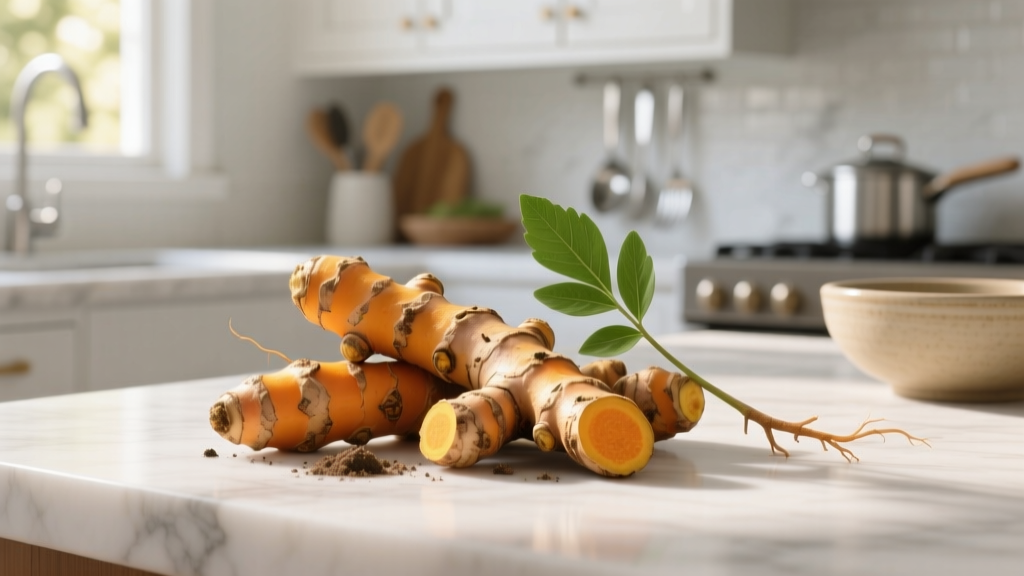
Turmeric Roots: Your Practical Guide to Fresh Turmeric
Why Fresh Turmeric Roots Deserve Space in Your Kitchen
Let's be real—most of us only know turmeric as that dusty yellow powder in the spice aisle. But honestly? The fresh roots change everything. After 20 years working with global ingredients, I've seen home cooks skip fresh turmeric because they're scared of the stains (fair warning: it will turn your cutting board neon orange). Here's the thing though: that raw root has a complex, ginger-like zing you'll never get from powder. And no, it's not just for "wellness shots"—we're talking real cooking applications.
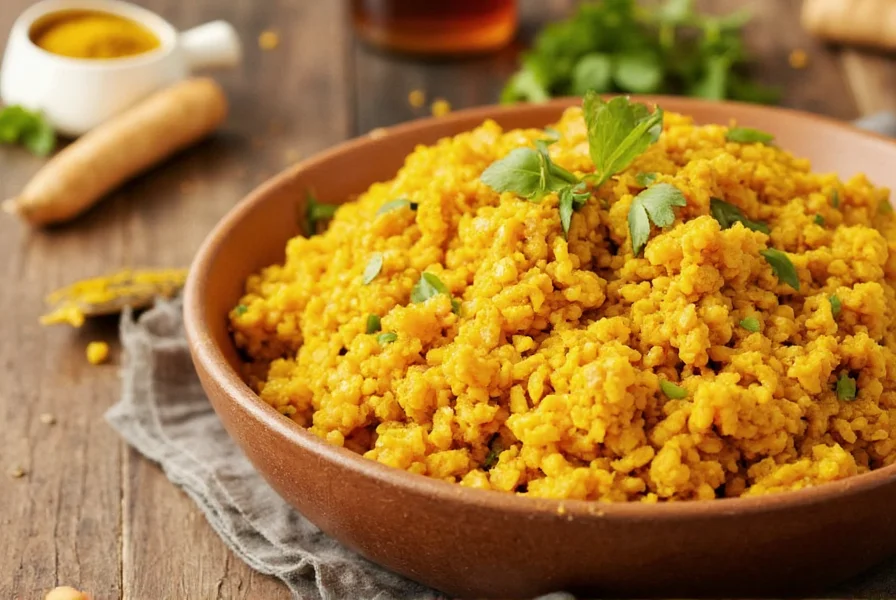
Fresh Roots vs Powder: When to Choose Which
You know that moment when a recipe calls for "fresh turmeric" but you're staring at your spice cabinet? Yeah, me too. Let's cut through the confusion. Fresh roots aren't "better"—they're different tools. Here's exactly where each shines:
| Factor | Fresh Turmeric Roots | Turmeric Powder |
|---|---|---|
| Flavor profile | Bright, peppery, slightly bitter with citrus notes | Earthy, mellow, one-dimensional |
| Curcumin concentration | ~3% (water dilutes potency) | ~30% (dried/concentrated) |
| Best culinary uses | Raw applications: juices, dressings, pickles, quick-cook stir-fries | Long-simmered dishes: curries, stews, baked goods |
| Shelf life | 2-3 weeks refrigerated (or frozen) | 2-3 years in airtight container |
| Biggest pitfall | Overcooking destroys flavor; stains everything | Bitter if used raw; loses potency over time |
Where Most People Mess Up (And How to Avoid It)
Okay, let's talk mistakes I see constantly. First up: storing roots like potatoes. Nope. They need humidity control—wrap them in paper towels inside a sealed container in the crisper drawer. Second: cooking them for 20+ minutes. Curcumin breaks down after 15 minutes of simmering, so add fresh turmeric in the last 5 minutes of cooking. Third: skipping the fat pairing. Curcumin is fat-soluble—toss grated roots with olive oil or coconut milk immediately, or you're wasting 85% of potential absorption (per SnapCalorie's analysis).
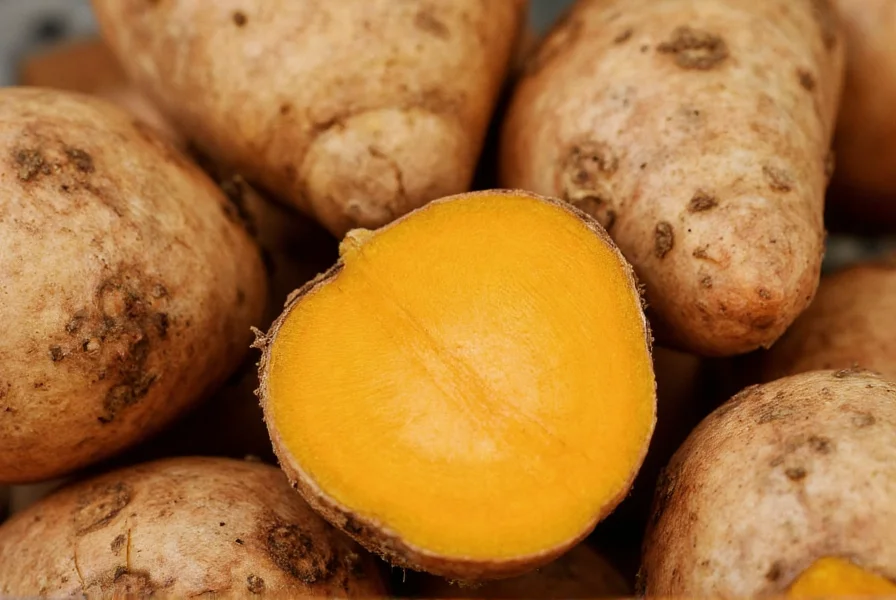
Quality Check: Spotting Good Roots vs Market Traps
Here's what grocery stores won't tell you: those "fresh" turmeric roots sitting in water bins? Often past-prime. Moisture accelerates mold. Always choose roots that feel heavy for their size with tight skin—lightweight ones are dried out. And skip anything with green sprouts (it's converting starch to sugar, ruining texture). Pro move: buy from Asian markets where turnover is high—they're usually 2-3 days fresher than supermarkets.
Practical Uses Beyond the Hype
Forget those $8 "turmeric lattes"—real kitchen magic happens when you use roots intentionally. Try this: grate raw turmeric into vinaigrettes (it emulsifies better than powder). Or slice thin for quick-pickling—it lasts 6 months refrigerated and adds insane color to grain bowls. My go-to? Freeze whole roots (no prep needed), then grate frozen directly into soups. Zero waste, zero stains. Seriously, it's a game-changer.
Everything You Need to Know
Yes, but adjust ratios: 1 inch fresh root ≈ 1 teaspoon powder. Remember fresh turmeric has water content, so reduce other liquids slightly. Never substitute 1:1—that’s how you get stained, bitter disasters.
Rub immediately with coarse salt and lemon juice. For set-in stains, make a paste of baking soda and hydrogen peroxide—let sit 10 minutes before scrubbing. Prevention tip: use a dedicated plastic board for roots.
Not necessarily more—but different. Fresh roots contain volatile oils lost in drying, while powder has concentrated curcumin. For anti-inflammatory effects, powder wins per gram. But fresh roots deliver better flavor complexity in raw applications where powder would taste dusty.
Absolutely—it’s like growing ginger. Plant a knobby section in loose soil, keep moist, and wait 8-10 months. Full sun helps, but it tolerates partial shade. Harvest when leaves yellow. Pro tip: Use grocery-store roots (organic preferred) as starters.
Two common reasons: You used the woody core (scrape it out before grating), or you overcooked it. Fresh turmeric turns bitter after 15+ minutes of simmering—always add it late in cooking. If raw, pair with citrus or honey to balance.
More Articles
 Cabbage Potato Soup: History, Recipe & Common Mistakes
 Lentil Dahl Recipe: Creamy Indian Comfort Food
 Red Beans and Rice with Sausage: The Real Louisiana Method
 Simple Homemade Lemon Pepper Seasoning Recipe
 Fried Cabbage with Sausage: Authentic 30-Minute Recipe
 Canela Sticks: Real Ceylon Cinnamon vs Cassia Guide
 7 Reliable Work Alternatives to Oven Cooking (With Real-World Performance Data)
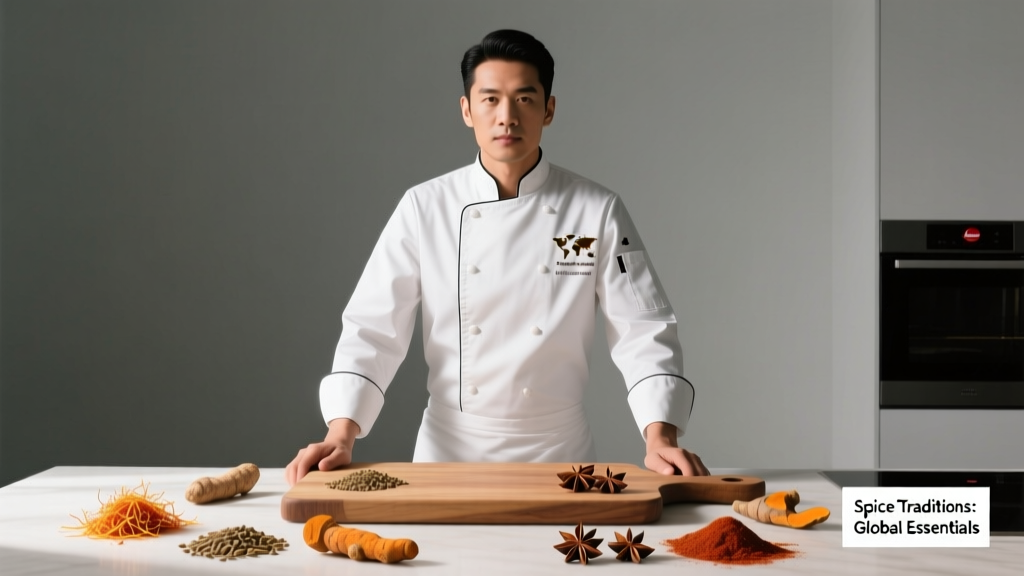 Chef Global Spice Traditions Essentials: Authentic Staples, Storage Science, and Culinary Precision
 Fresh Tomato Soup: Simple Recipe & Why It Beats Canned
 White Sesame Seeds: Hulled Benefits, Uses & Storage Guide