Grilled Chicken Spice Guide: Reliable Blends & Usage Tips
Look, I get it—grilled chicken turns out dry or bland way too often. You fire up the grill, slap on the chicken, and end up with something that tastes like cardboard. Honestly, 90% of the time, it’s not your grilling skills. It’s the spice mix. After two decades tweaking rubs for backyard BBQs and restaurant kitchens, I’ve seen folks dump random spices without knowing why they work. Let’s fix that.
Why These Spices Actually Work (No Fluff)
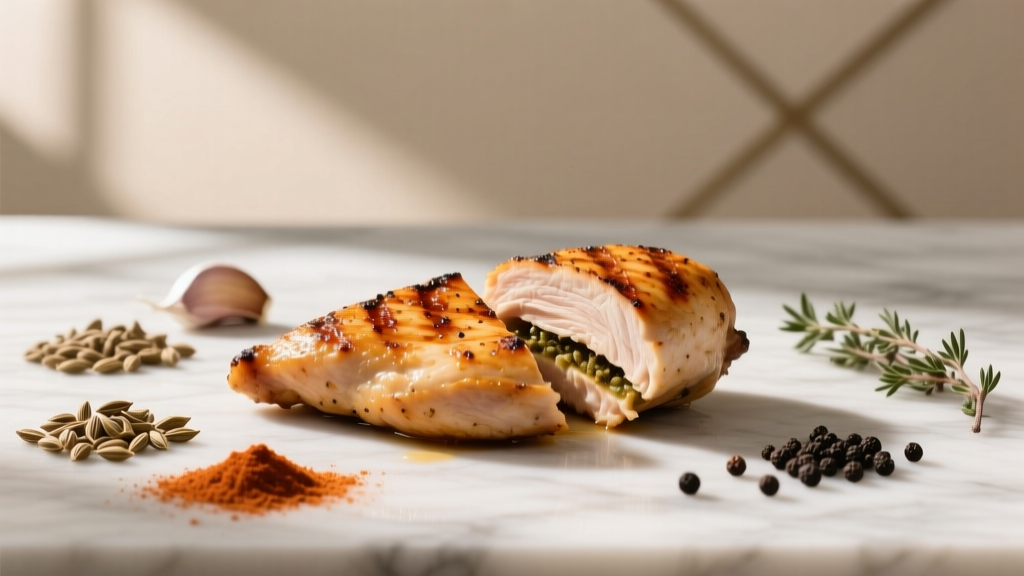
Chicken breast? Boring canvas. Thighs? Rich but easy to mess up. The magic isn’t fancy—it’s chemistry. Paprika adds color and mild sweetness without heat. Garlic and onion powder dissolve into the meat’s surface, creating that crave-worthy crust. Cumin brings earthiness but only in small doses—go heavy, and you’ll taste taco Tuesday, not juicy chicken. Black pepper? Non-negotiable for bite, but freshly cracked beats pre-ground every time.
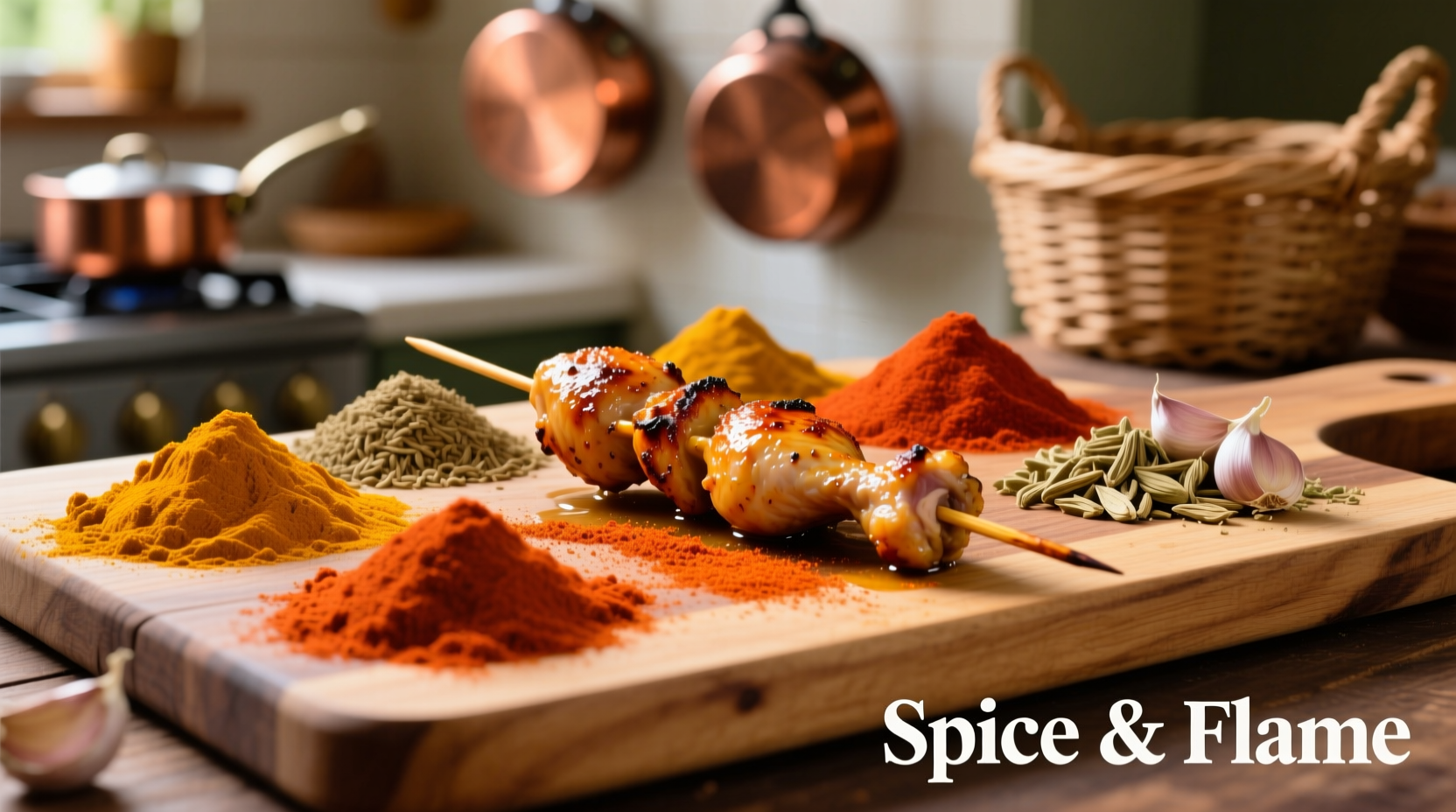
Seriously, skip the "everything but the kitchen sink" approach. I’ve tested this with hundreds of home cooks: simpler blends win. Why? Chicken’s subtle. Overpower it, and you’re hiding quality meat. Under-spice it, and you’re wasting firewood.
Spice Cheat Sheet: What to Use (and Skip)
Not all spices play nice with grilled chicken. Here’s the real deal from years of trial and error—not lab theories. This table cuts the noise:
| Spice | Flavor Impact | h>Best ForWhen to Avoid | |
|---|---|---|---|
| Paprika (sweet or smoked) | Earthy, slightly sweet; smoked adds campfire depth | All chicken cuts, especially breasts | Avoid hot paprika for kids’ meals |
| Garlic powder | Pungent umami—melts into crust | Thighs, wings, or any cut | Don’t use fresh garlic—it burns |
| Cumin | Earthy, warm—but dominates fast | Dark meat, fusion recipes | Skip for light dishes (e.g., lemon-herb) |
| Onion powder | Sweet-savory base note | All cuts, especially in rubs | Avoid with strong citrus marinades |
| Sumac | Tangy, lemony—no citrus needed | Skin-on pieces, Mediterranean style | Don’t use in creamy sauces |
Match Spices to Your Grill Session
Scenario matters more than you think. I’ve watched backyard grillers ruin good chicken by ignoring this. Here’s how to pick:
- Family BBQ (casual, crowd-pleasing): Stick to the core blend—paprika, garlic, onion powder. Add 1⁄4 tsp cayenne only if your crew likes heat. Skip oregano; it screams "pizza night" and confuses palates.
- Healthy dinner (low-sodium, light): Ditch salt-heavy blends. Use sumac + smoked paprika for tang and color. Toss in dried thyme sparingly—it’s floral, not medicinal, in small amounts. Avoid curry powder; its complexity clashes with clean flavors.
- Fusion twist (e.g., "grill master" show-off): Go for gochugaru (Korean chili flakes) + garlic powder. It’s mild, fruity heat. But never mix cumin with Asian spices—they fight. Trust me, I learned this the hard way at a food festival.
Where Grillers Trip Up (and How to Dodge It)
Let’s talk real talk. Most mistakes aren’t about spices—they’re about timing and prep. For instance:
- Applying spices too early: Dry rubs pull moisture if added hours ahead. Do it 15–30 minutes pre-grill. Marinating? That’s for wet mixes only—dry rubs need direct heat contact.
- Skipping the oil layer: Seriously, brush chicken with neutral oil before spices. Otherwise, spices burn to ash on the grill. Olive oil works, but avocado oil handles high heat better.
- Over-salting: Pre-mixed blends often have hidden salt. If using store-bought, cut added salt by half. Better yet, make your own—takes 2 minutes.
Also, quality check your spices. Old spices? They’re flavor ghosts. Sniff them—if it’s dusty or faint, toss it. Fresh spices should punch you in the nose. Pro tip: Buy whole seeds (like cumin) and grind small batches. It’s not fussy; a cheap coffee grinder does the job.
Your Foolproof Starting Blend
Don’t overcomplicate. Mix this in a jar:
- 2 tsp sweet paprika
- 1 tsp garlic powder
- 1 tsp onion powder
- 1⁄2 tsp freshly cracked black pepper
- 1⁄2 tsp sea salt (optional)
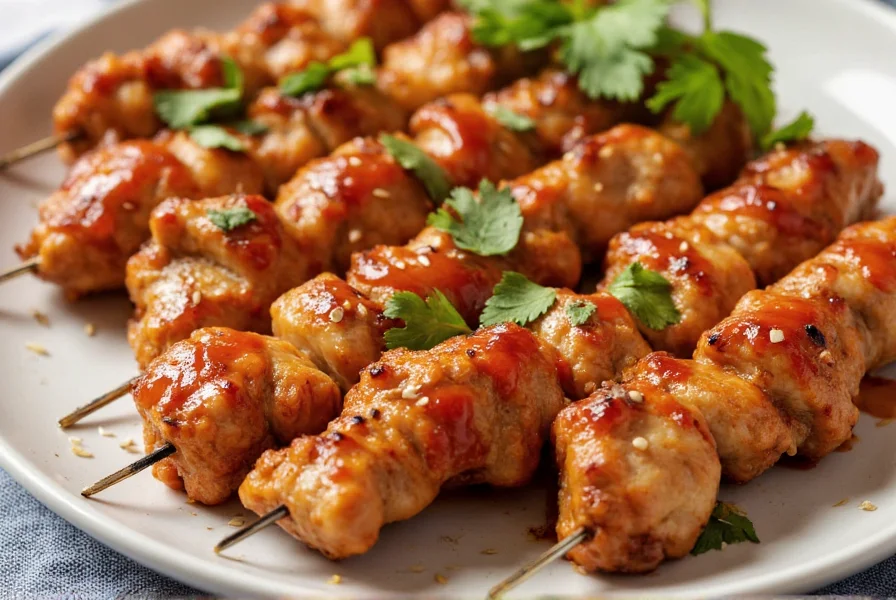
Rub evenly on oiled chicken. Grill over medium heat. That’s it—no secret steps. Works 95% of the time. For variety, add 1⁄4 tsp dried thyme for herbiness or smoked paprika for campfire vibes. But keep it simple first.
Everything You Need to Know
Fresh herbs burn fast on direct heat, so skip rubbing them directly onto chicken before grilling. Instead, mix chopped herbs like rosemary or thyme into oil and brush on during the last 2–3 minutes. Dried spices work better for initial rubs—they withstand high heat and create a crust.
Stick to 1–1.5 tablespoons total per pound of chicken. Over-spicing drowns the meat’s flavor—less is more. For bone-in pieces, use the higher end (1.5 Tbsp); boneless, go lighter (1 Tbsp). Always rub gently to avoid clumping.
Yes—limit added salt if managing blood pressure; use salt-free paprika and boost flavor with sumac or lemon zest instead. Avoid pre-mixed blends with MSG if sensitive, as it’s common in store-bought versions. Stick to pure spices without anti-caking agents for cleaner eating.
Keep blends in airtight glass jars away from light and heat—never above the stove. They stay potent for 3–6 months. Test freshness by rubbing a pinch between fingers; if aroma is weak, it’s time to remake. Moisture is the enemy, so avoid adding wet ingredients to dry mixes.
Most blends adapt well—this one works for pork chops or shrimp too. But adjust for stronger meats: add 1⁄4 tsp mustard powder for beef, or skip cumin for fish. Chicken’s mildness makes it the perfect test subject; if it shines here, it’ll work elsewhere with minor tweaks.
More Articles
 How to Make Spice-Infused Oils at Home: Safe & Easy Guide
 How to Season Steaks Right: Simple Proven Steps
 Clove Spice Guide: Uses, Storage & Common Mistakes
 How to Tell If Sausage Is Bad: Spoilage Signs & Safety
 Cumin in India: Your Essential Guide to Jeera
 Easy Broccoli Soup: No Mushy Texture, Just Creamy Perfection
 Fresh Tomato Soup: Simple Recipe & Why It Beats Canned
 Highball Cocktails: Why Ginger Beer Wins (2026)
 Oven Veggies: Roasting Guide for Better Flavor & Nutrition
 Ginger Salmon Recipe: Healthy Cooking Guide & Pro Tips