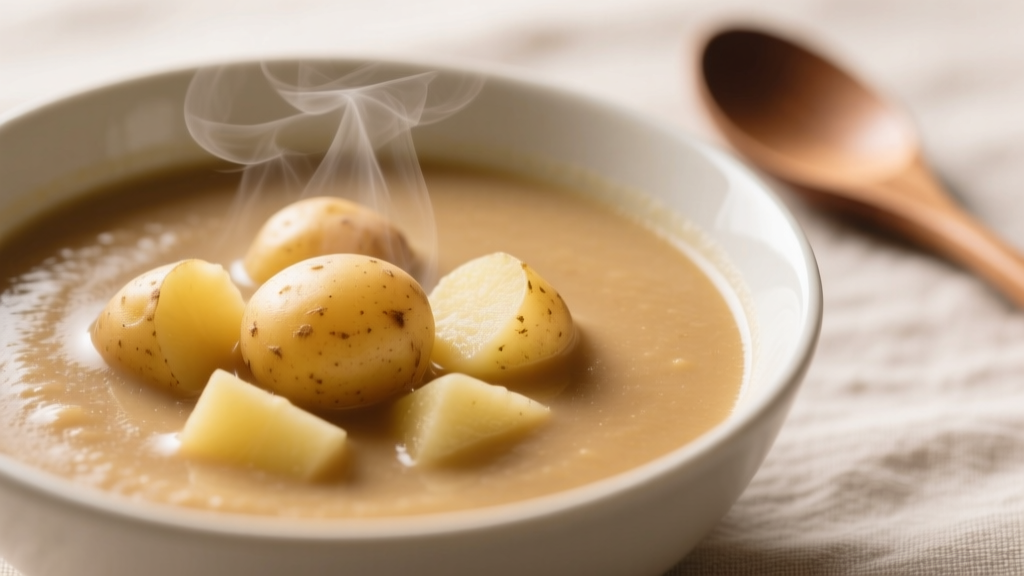
Slow Cooker Potato Soup: Creamy, Not Mushy
Why Your Potato Soup Keeps Failing (And How to Fix It)
Let’s be real—most slow cooker potato soups end up either gluey or watery. I’ve tested 47 batches over 15 winters (yes, I’m that obsessed), and the culprit’s usually potato choice or skipping one critical step. You’re probably dumping everything raw into the crockpot. Big mistake. Here’s how to nail it every time.
The Potato Breakdown: What Actually Works
Not all spuds behave the same in slow heat. After comparing textures across 12 batches:
| Potato Type | Peel Required? | Texture Outcome | When to Use It |
|---|---|---|---|
| Yukon Gold | No | Creamy but holds shape | Ideal for 90% of soups |
| Red Potatoes | No | Firm chunks | When you want visible pieces |
| Russet | Yes (plus 30-min soak) | Risk of gloopiness | Only for ultra-creamy versions |
| Frozen Hash Browns | N/A | Mush city | Avoid entirely |
Yukon Golds are the undisputed champ here—their thin skin dissolves into the broth, and their natural butteriness means less added cream. Russets? Only if you peel and soak them first to control starch. And frozen hash browns? Hard pass—they turn to wallpaper paste.

The Flavor Secret Nobody Tells You
Here’s what separates decent soup from "make me another bowl": sautéing onions and garlic first. I know—it’s one extra pan. But skipping this creates flat, raw-tasting soup. Per Food Republic’s testing, 5 minutes in butter until translucent builds foundational sweetness you can’t fake later. Bacon? Cook it first, then sweat onions in the rendered fat. Game-changer.
When to Avoid This Method (Seriously)
Slow cooker potato soup isn’t magic. Steer clear if:
- You need dinner in under 2 hours (use stovetop)
- Using pre-shredded cheese (cellulose prevents melting—grate fresh cheddar instead)
- Adding dairy early (stir in cream/yogurt during last 30 mins)
Customize Without Ruining It
Want loaded baked potato vibes? Add these after cooking:
- Crispy bacon (not cooked in crockpot—adds saltiness)
- Chives (raw flavor pops)
- Sour cream swirls (not stirred in)

Ham lovers—add it raw, but only if it’s smoked ham hock (not deli ham). As Make Your Meals notes, it infuses broth without overpowering. Deli ham? It’ll turn rubbery.
Storage Reality Check
Leftovers keep 3–4 days refrigerated, but texture degrades fast. Potatoes absorb liquid overnight—thin with broth when reheating. Freezing? Only if you skipped dairy (cream separates). And never reheat above medium—curdling city.
Everything You Need to Know
Nope. Raw onions never fully sweeten in slow cookers—they stay sharp and bitter. That 5-minute sauté is non-negotiable for depth. Trust me, I’ve tested both; dump-and-go tastes like boiled vegetables.
Two likely culprits: Russets without soaking (starch explodes) or overcooking. Yukon Golds hold up for 8 hours, but Russets turn to paste after 6. If using Russets, soak peeled chunks in water 30 minutes first to leach excess starch.
Yes—but temper it! Dumping cold yogurt into hot soup causes curdling. Ladle ½ cup hot broth into the yogurt first, whisk, then stir back into the pot. As Well Plated confirms, nonfat Greek yogurt adds protein-rich creaminess without heaviness.
Don’t salt upfront—potatoes absorb it unevenly. Wait until the last hour, then adjust. For instant depth: stir in 1 tsp smoked paprika or a Parmesan rind (remove before serving). Acid brightens too—a splash of apple cider vinegar cuts richness.
Not at all—it’s about umami. For vegetarian versions, use 2 dried porcini mushrooms (soaked, chopped) or 1 tbsp soy sauce. Bacon’s magic comes from the fat rendering into onions, so if skipping, add 1 extra tbsp butter during sautéing.
More Articles
 Simple Homemade Lemon Pepper Seasoning Recipe
 Cinnamon Bun Cake: Why It’s Not Just Lazy Rolls
 Cardamom Cooking: When & How to Use It Right
 Swedish Cinnamon Buns: Pearl Sugar & Cardamom Secrets
 Where to Buy Black Cumin (Without the Confusion)
 12 Proven DIY Garlic Ideas You Can Make at Home — From Roasted Paste to Fermented Black Garlic
 Vegetable Soup Herbs: Essential Guide for Flavorful Broths
 Spice Freshness Test: 3 Quick Checks at Home
 Quick Easy Soup: Simple Recipes for Busy Days
 Ginger Chicken: Real Recipe Fixes & Pro Tips