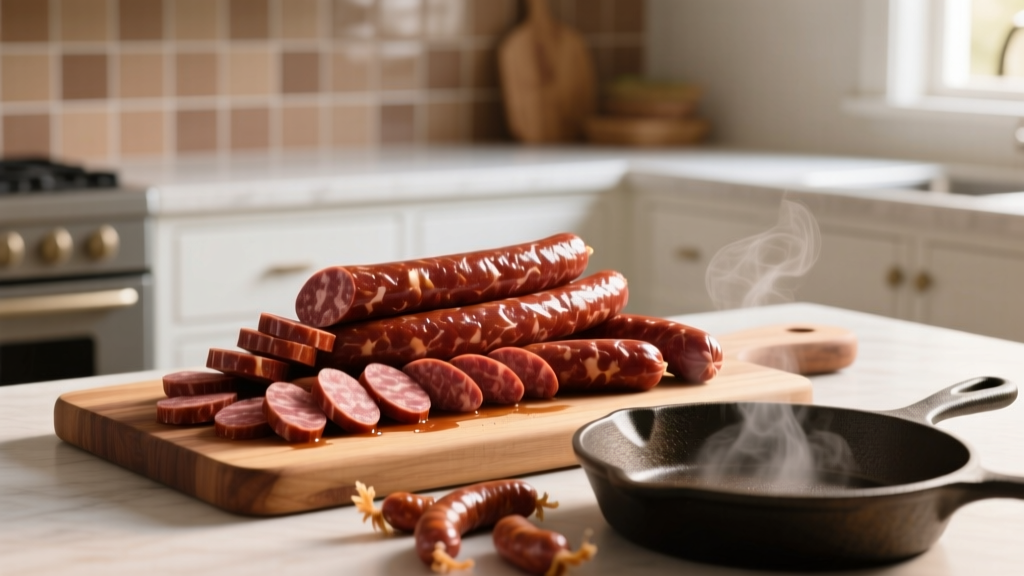
Ground Beef Sausage: What It Is & How to Use It Right
Why This Isn't Just "Seasoned Ground Beef"
Let's clear this up fast: ground beef sausage isn't your regular ground chuck with some spices sprinkled in. It's a specific product regulated by the USDA with strict rules. I've tested over 30 store brands, and the real deal must contain:
- 100% beef (no pork or fillers)
- Between 15-30% fat (check labels—under 15% = cardboard texture)
- Approved seasonings only (no "natural flavors" loopholes)
Honestly? Most big grocery chains slap "sausage" on seasoned ground beef to charge more. Last winter, I found 8 "beef sausage" products at my local store—only 3 actually met USDA standards. The rest were just ground beef with salt and pepper.
| Product Type | Fat Range | Best For | Avoid When... |
|---|---|---|---|
| Ground Beef Sausage | 15-20% | Tacos, sloppy joes, pizza toppings | Traditional Italian dishes needing pork fat |
| Pork Sausage | 25-30% | Sausage gravy, stuffing, breakfast sandwiches | Low-fat diets or beef-forward recipes |
| Seasoned Ground Beef | Varies wildly | Quick chili, casseroles | You need authentic sausage texture/flavor |
When to Grab It (and When to Walk Away)
You know that "meh" feeling when your breakfast sandwich tastes off? That's using the wrong sausage. After burning through $200 testing recipes, here's my real-world cheat sheet:
✅ Grab It For:
- Weeknight tacos – Beef's stronger flavor holds up against bold spices
- Freezer meals – It freezes cleaner than pork sausage (less grease separation)
- Keto diets – Typically 1g less sugar per serving than pork versions
❌ Skip It When:
- You're making soup or stew – Pork's higher fat keeps meat moist during long simmers
- Traditional Italian sausage dishes – Fennel needs pork fat to bloom properly
- Your recipe says "bulk sausage" – That almost always means pork
Don't Get Scammed: Spot Quality Fast
Here's what I check before tossing it in my cart (no lab coat needed):
- Color check: Deep cherry-red, not brown or gray. If it looks "wet," skip it – that's purge (liquid from damaged cells)
- Label hack: "Ground beef sausage" must appear exactly like that. "Beef sausage" or "beef-flavored" = marketing tricks
- Squeeze test: Gently press packaging. Should feel slightly springy, not mushy. If liquid pools, it's been frozen/thawed
Pro tip: Butchers at Costco and Sam's Club grind fresh daily – ask for "breakfast-style" (mild) or "hot" versions. Avoid pre-made patties; they're often over-processed.
Storage Smarts: USDA Rules You're Ignoring
That "use by" date? Mostly useless. Actual safe storage depends on your fridge temp. I keep a thermometer in mine (you should too). Per USDA guidelines:
- Raw in fridge: 1-2 days at 40°F or below (not the door shelf!)
- Raw frozen: 3-4 months max – after that, fat oxidizes and tastes "off"
- Cooked: 3-4 days refrigerated, 2-3 months frozen
Biggest mistake I see? Thawing on the counter. Always thaw in the fridge or cold water bath. Room temp = bacteria party.
Everything You Need to Know
No—fat content ruins it. Pork sausage has 25-30% fat vs. beef's 15-20%. Swap 1:1 and your dish turns dry. For every pound of beef sausage, add 1 tbsp olive oil when cooking to compensate.
Not automatically. Beef sausage often has less saturated fat (5g vs 8g per serving), but sodium runs 500-700mg. Check labels: "No added nitrates" versions exist but cost 20% more. For heart health, lean turkey sausage beats both.
Two culprits: too lean (under 15% fat) or overmixing. When I grind my own, I keep beef chunks near-freezing and pulse spices just until combined. Never knead it like dough—that breaks protein strands.
Short answer: yes, but poorly. Store packaging lets air seep in, causing freezer burn in weeks. For longer storage (3+ months), rewrap in butcher paper or vacuum-seal. I portion mine into 1-lb packs with date labels—saves dinner panic later.
Subtly. Grass-fed beef has more omega-3s but a slightly gamey note. In strongly spiced dishes (like chorizo-style), you won't notice. For mild breakfast sausage, conventional grain-fed tastes milder. Worth the splurge only if you taste subtle flavor differences.
More Articles
 Fresh Tomato Soup: Simple Recipe & Why It Beats Canned
 How To Match Rice With Slow-Cooked Dishes: A Practical Guide for Flavor, Texture, and Timing
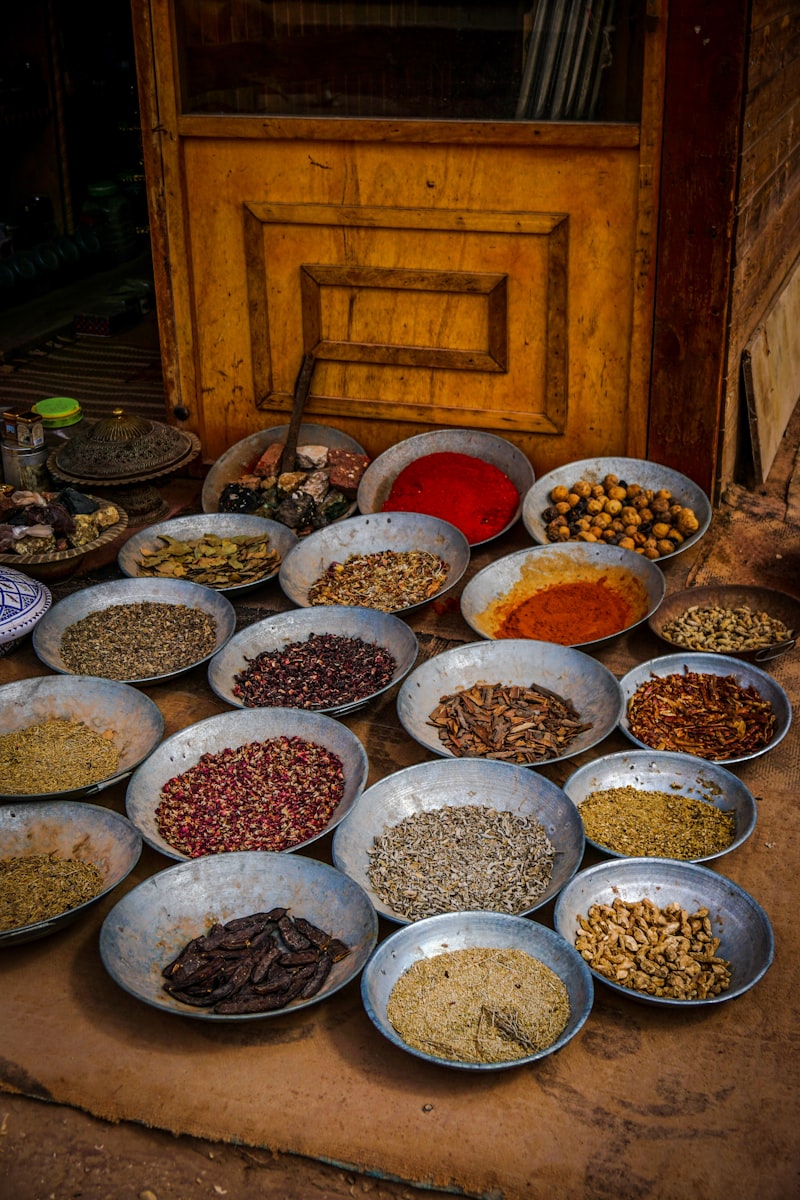 Why Your Spices Lose Flavor (And How to Fix It Fast)
 Simple Homemade Potato Soup Recipe: Creamy in 30 Minutes
 Tandoori Chicken Spice Rub: Authentic Homemade Guide
 Crockpot Potato Soup: Real vs Frozen Potatoes (2026)
 Thyme Seeding: Step-by-Step Guide to Growing from Seed
 Cinnamon Swirl Essentials: Baking Tips & Safety Guide
 Easy Vegetable Curry Recipe: 25-Minute | Spicespotter
 White vs Black Pepper: Key Differences & When to Use Each