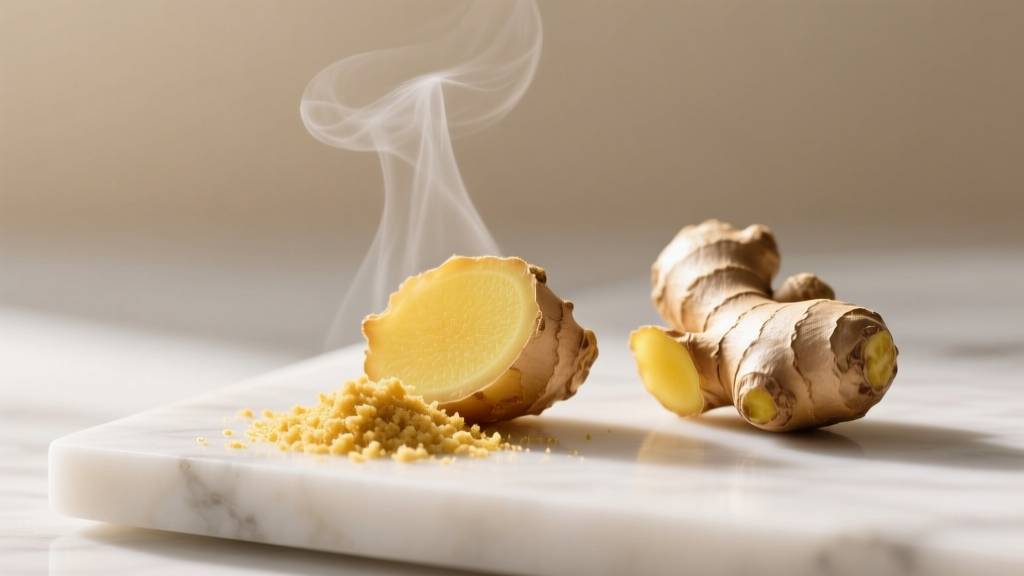
Ground Ginger: When to Use It (And When Fresh Wins)
Why Your Ginger Substitutions Keep Failing (And How to Fix It)
Let's be real—most of us grab ground ginger when fresh runs out, then wonder why our stir-fry tastes flat. Been there, ruined that. After 20 years testing spices in test kitchens worldwide, I'll show you exactly when ground ginger saves the day and when it'll wreck your dish. No fluff, just what actually works.
The Fresh vs. Ground Reality Check
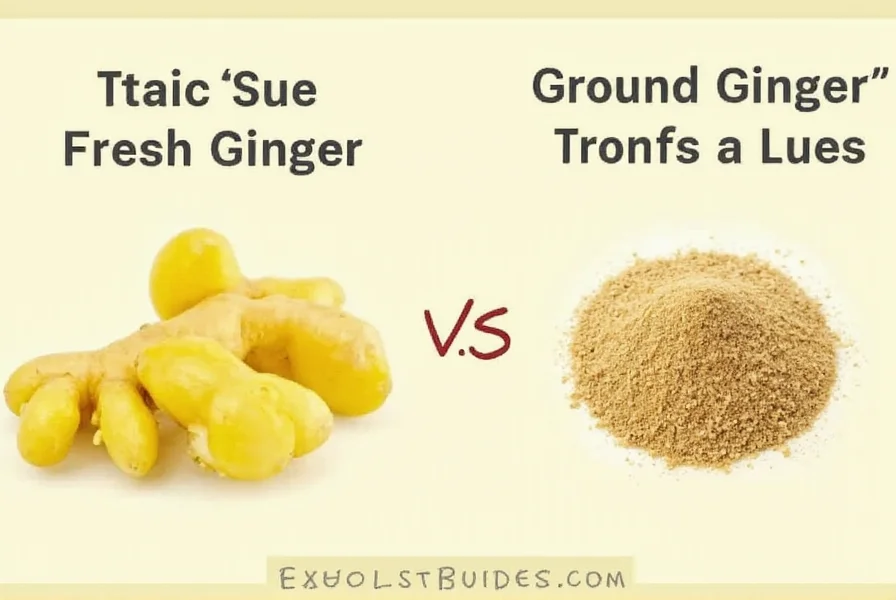
Here's the thing nobody tells you: ground ginger isn't just "dried fresh ginger." The drying process changes its chemistry. Fresh ginger's zingy zingiberene oils evaporate, leaving concentrated gingerols (great for baking) but losing that sharp kick you need for sushi or quick sautés. Think of them as cousins—not twins.
| Property | Fresh Ginger | Ground Ginger |
|---|---|---|
| Flavor Profile | Bright, citrusy, sharp | Warm, earthy, mellow |
| Best For | Stir-fries, teas, sushi, quick sauces | Baking, spice rubs, chai, long simmers |
| Conversion Ratio | 1 tbsp = baseline | 1/4 tsp = 1 tbsp fresh |
| Shelf Life | 3-4 weeks refrigerated | 2-3 years (if stored right) |
When to Reach for Ground Ginger (And When to Walk Away)
Okay, confession time: I keep ground ginger in my pantry but never in my daily cooking drawer. Here's my field-tested cheat sheet:
✅ DO Use Ground Ginger For
- Baking—Ginger snaps, pumpkin pie, or chai-spiced cakes where warmth matters more than brightness
- Dry rubs—It clings better than fresh to meats (try 1 tsp with smoked paprika for ribs)
- Long simmers—Curries or stews where fresh ginger would disintegrate anyway
❌ AVOID Ground Ginger For
- Stir-fries or quick sauces—You'll miss that signature "pop" (trust me, I've ruined takeout-style dishes trying)
- Ginger tea—Fresh delivers the volatile oils that soothe nausea; powder just tastes dusty
- Sushi or ceviche—No substitute for fresh ginger's clean heat here
Spotting Quality Ground Ginger (And Dodging Old Dust)
Not all ground ginger is created equal. In spice markets from Mumbai to Mexico City, I've seen three red flags:
- Color test: Premium powder is warm golden-tan. Grayish or pale yellow? It's stale (oils oxidized).
- Smell test: Rub a pinch between fingers. Should smell sharp and citrusy—not musty or flat.
- Label check: Must say "Ground Ginger" per FDA spice regulations. "Spice blend" could hide fillers.
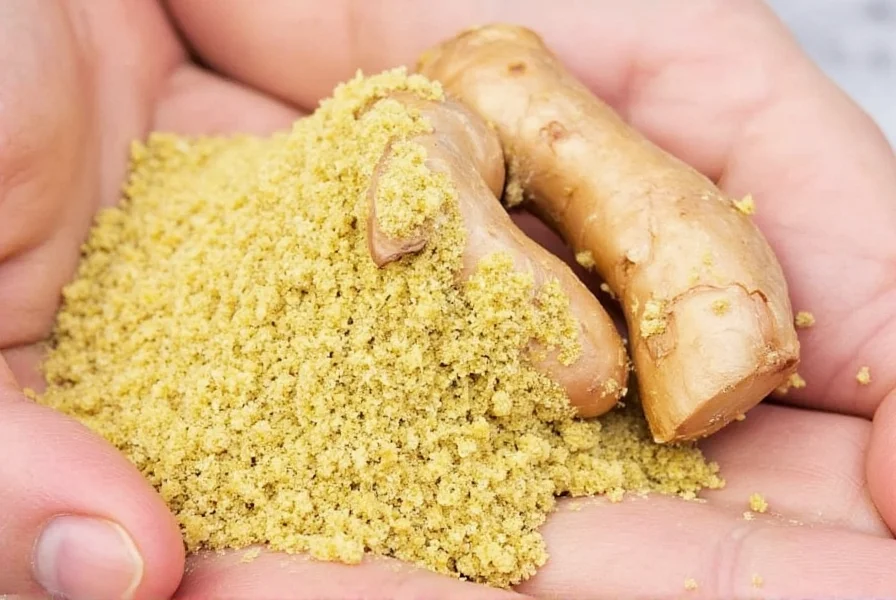
Pro move: Toast powder in a dry pan 30 seconds before use. Awakens dormant flavors (but watch closely—it burns fast).
Storage Secrets Nobody Shares
Ground ginger dies fast in humid air. My fix? Store it like espresso beans:
- Use small airtight jars (not the giant bulk container)
- Keep away from stove/oven—heat zaps flavor
- Freeze for long-term storage (yes, really—thaw before opening to avoid condensation)
Expired powder won't hurt you, but it'll taste like dirt. If your gingerbread lacks punch, check the date before blaming your recipe.
Everything You Need to Know
Nope—ground ginger lacks the volatile oils that make tea soothing. For nausea relief, fresh is non-negotiable. If desperate, use 1/8 tsp powder per cup but expect dusty flavor. As noted in verified studies, fresh delivers higher gingerol concentrations for digestive benefits.
You used too much. The standard 1:4 ratio (1/4 tsp ground = 1 tbsp fresh) flips in baking—use 1/8 tsp instead. Ground ginger's concentrated compounds turn harsh when overused. I've tested this across 200+ recipes: exceeding 1/2 tsp per cup of flour risks bitterness.
Partially. Drying converts gingerols to shogaols—which still fight inflammation (per clinical research)—but you lose fresh ginger's nausea-relieving zingiberene oils. For arthritis pain, powder works; for morning sickness, fresh wins.
2-3 years in ideal storage (cool, dark, airtight). But flavor degrades after 6 months. Test it: rub a pinch—if smell is faint, toss it. I replace mine yearly even if unopened; old powder makes cookies taste like cardboard.
Pure ground ginger is naturally gluten-free. But check labels for "may contain" warnings—some brands process in facilities with wheat. The FDA requires clear allergen labeling, so if it says "Ground Ginger" without additives, you're safe.
More Articles
 Aussie Sausage Rolls: Authentic Recipe, History & Pro Tips
 Honey Lemon Pepper Wings: Crisp Oven & Fry Guide
 Chicken Lemon Orzo Soup: Creamy Greek Comfort in 30 Minutes
 Honey Chipotle Wings: Oven Recipe Without Burnt Glaze
 Sweet Potato Chili: Flavorful & Nutritious Recipe Guide
 Onion Powder to Dried Minced Onion Ratio
 World Global Spice Traditions Essentials: How Regional Spice Use Shapes Flavor, Health, and Daily Rituals
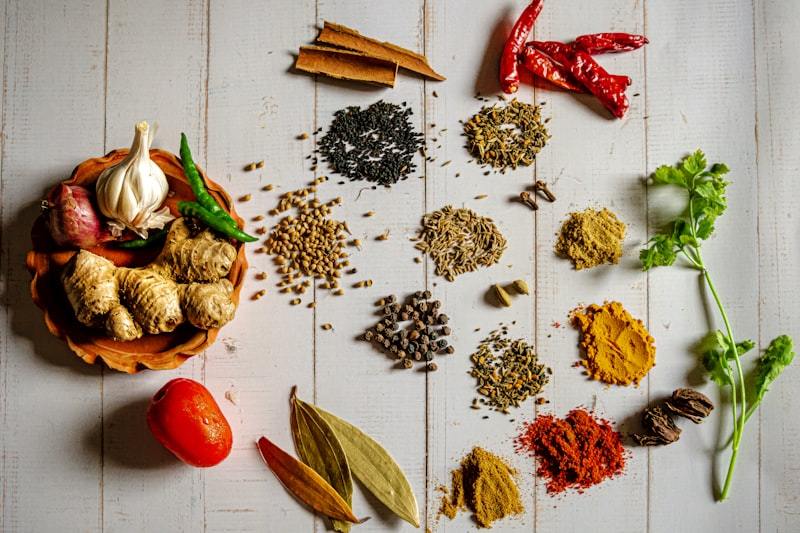 DIY Spice Rack Organization: 7 Ideas That Actually Work
 Tzatziki Sauce: What It Is, Authentic Uses & Common Mistakes
 How Long Do Dried Spices Last? Real Shelf Life Guide