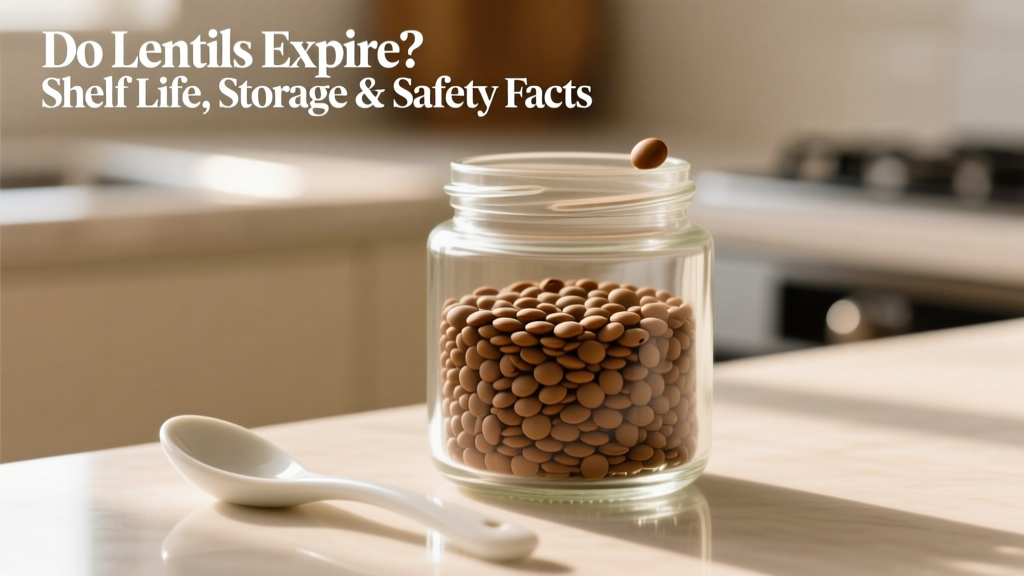
Do Lentils Expire? Shelf Life, Storage & Safety Facts
Ever found a forgotten bag of lentils in your pantry and wondered: "Can I still use these?" You're not alone. Millions discard edible lentils yearly due to confusion over "expiration" dates, wasting money and food. The truth? Lentils rarely become unsafe—quality degrades before safety risks emerge. Let's cut through the myths with science-backed storage strategies.
What "Expiration" Really Means for Lentils
That "Best By" date on lentil packages? It's a quality indicator, not a safety deadline. As StillTasty (a USDA-recognized food safety resource) confirms, dried lentils stay safe indefinitely when stored correctly—but lose texture and flavor over time. Food Republic notes they typically maintain peak quality for about one year post-purchase, though optimal storage extends this.
The real danger isn't age—it's poor storage. Moisture or pests introduce spoilage risks. The Kitchn emphasizes: "Old lentils won't make you sick—just potentially mushy or unevenly cooked". Your nose and eyes are better judges than any printed date.
Dried Lentils: Storage Guide & Shelf Life
Proper storage is your shield against quality loss. Here's how conditions impact longevity:
| Storage Condition | Best Quality Duration | Critical Risks |
|---|---|---|
| Airtight container, cool/dry place (≤70°F/21°C) | 2-3 years (StillTasty) | Minimal risk if sealed |
| Original bag, pantry | ~1 year (Food Republic) | Moisture absorption, texture loss |
| Humid environment or damaged packaging | Months (quality decline) | Mold, insects, rancidity |
For maximum freshness: Transfer lentils to glass or BPA-free plastic containers immediately after opening. Exclude oxygen with silica packs (common in commercial storage). Avoid heat sources like stoves—kitchen cabinets beat countertops.
Canned Lentils: Shorter Timelines Apply
Canned lentils behave differently. Unopened cans last 2-5 years in pantries, but opened cans require urgent action. Tasting Table verifies: "Opened canned lentils last only 3-4 days refrigerated". Transfer to sealed containers immediately—never store in the can, which can impart metallic tastes.
Signs of spoilage accelerate here: slimy texture, sour odor, or color darkening mean discard immediately. Unlike dried lentils, canned versions can develop botulism in compromised containers—check for bulges or leaks pre-opening.
How to Check Lentils: Your 30-Second Safety Test
Before cooking, perform this expert-recommended inspection:
- Smell: Rancid, sour, or musty odors = discard.
- Look: White mold, insect webs, or extreme discoloration = unsafe.
- Feel: Stickiness or sliminess (especially in canned) = spoilage.
StillTasty stresses: "If dried lentils develop an off odor, flavor, or appearance, discard them". No smell? Cook a small batch first—mushy results indicate age-related pectin breakdown, not danger.

When to Use (or Avoid) Older Lentils
Not all aged lentils are equal. Match them to the right task:
✅ Use Older Lentils For:
- Long-simmered soups/stews (texture softens naturally)
- Blended dishes like dal or hummus (consistency masked)
- Emergency cooking when fresh stock is unavailable
❌ Avoid Older Lentils For:
- Cold salads (requires firm texture)
- Recipes needing precise cook times (e.g., French cuisine)
- Infant/toddler meals (texture consistency critical)
Food Republic notes older lentils often "require longer cooking times and yield tougher textures". Soak them 2+ hours pre-cooking to compensate.
5 Costly Storage Mistakes (and How to Fix Them)
Avoid these common pitfalls that shorten lentil life:
- Mistake: Leaving lentils in flimsy original packaging.
Solution: Repackage into opaque, airtight containers—light degrades nutrients. - Mistake: Storing near spices or onions.
Solution: Isolate lentils; they absorb odors easily (verified by The Kitchn). - Mistake: Assuming freezer storage is always best.
Solution: Only freeze if humidity exceeds 60%—otherwise, pantry storage suffices. - Mistake: Ignoring "off" smells during cooking.
Solution: Stop cooking immediately if sour odors emerge—don't taste test. - Mistake: Throwing out lentils past "Best By" dates.
Solution: Inspect first; most remain usable for years with proper storage.
Everything You Need to Know
Dried lentils do not expire for safety when stored correctly in cool, dry, airtight containers. StillTasty confirms they remain safe indefinitely, though best quality lasts 1-3 years. Always inspect for mold, insects, or off odors before use—these indicate spoilage, not calendar dates.
Check for three critical signs: (1) Off odors (sour, musty, or rancid smells), (2) Visible spoilage (white mold, insect webs, or extreme discoloration), and (3) Texture changes (stickiness in dried lentils or sliminess in canned). StillTasty emphasizes discarding lentils showing any of these, as they indicate microbial growth.
Per The Kitchn's food safety analysis, properly stored old lentils won't cause illness. Risks only arise from actual spoilage (mold/insects), not age alone. However, degraded lentils may cook unevenly or become mushy. If stored in humid conditions where mold develops, discard immediately—never risk consuming visibly spoiled lentils.
Transfer dried lentils to airtight glass or BPA-free containers immediately after opening. Store in a cool, dark pantry (≤70°F/21°C) away from heat sources. Add oxygen absorbers for 5+ year storage—common in commercial food preservation. Never store in original bags long-term; humidity causes texture loss per Food Republic's storage research.
Yes—opened canned lentils expire within 3-4 days even when refrigerated, per Tasting Table's food safety guidelines. Always transfer to sealed containers; never store in the can. Discard if slimy, discolored, or sour-smelling. Unopened cans last 2-5 years but check for dents or bulges pre-opening to avoid botulism risks.
More Articles
 Breakfast Baked Potatoes: Nutritious & Simple (2026)
 Red Onion Chutney: Homemade Guide and Pairings
 What's in Allspice: The Complete Ingredient Breakdown
 Sweet Potato Crock Pot Guide: Effortless Cooking Tips
 Fresh Ginger to Ground Ginger Conversion: Ratios & Tips
 Colman's Mustard Powder: Uses, Substitutes & Storage Guide
 7 Spice Substitution Mistakes (and Fixes)
 Potato Wedges Recipes: Oven, Air Fryer & Pan Methods
 Zee Ginger: Botanical Name for Common Ginger
 Smoked vs Regular Paprika: When to Use Each