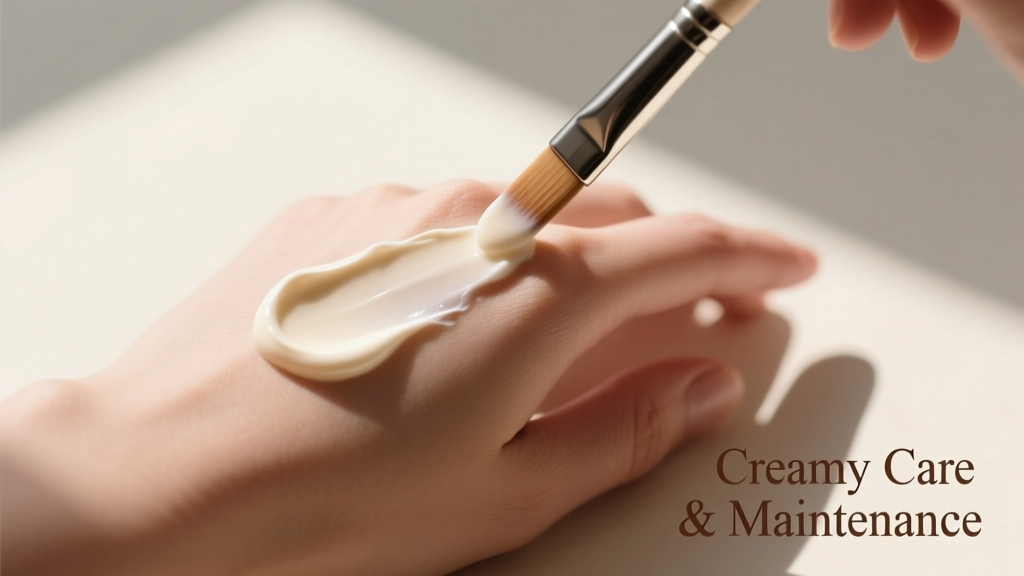
Creamy Care and Maintenance: Preserving Flavor, Texture, and Shelf Life of Dairy-Based Spices and Blends
Why Creamy Spice Blends Demand Specialized Care
Creamy spice blends—including Thai red curry paste, Korean gochujang, North African harissa, Indian ginger-garlic paste, and yogurt-based marinade mixes—are culinary powerhouses that deliver layered heat, umami depth, and textural richness. Unlike dry spices, these formulations contain significant moisture (typically 45–72% water content), lipids (from oils, coconut milk, or dairy), and biologically active compounds (e.g., capsaicin, allicin, volatile terpenes). This composition makes them highly susceptible to microbial growth, enzymatic browning, lipid oxidation, and phase separation. According to USDA Food Safety and Inspection Service data, 68% of reported spoilage incidents involving refrigerated condiment-style spices stem from improper temperature control or cross-contamination—not inherent formulation flaws. Brands like Mae Ploy (Thai red curry paste), Chung Jung One (gochujang), and Mina Harissa (Tunisian-style) explicitly state on-label storage requirements because their products fall within the FDA’s ‘Time/Temperature Control for Safety’ (TCS) food category. Ignoring these guidelines doesn’t just dull flavor—it risks pathogen proliferation, notably Staphylococcus aureus and Clostridium botulinum in low-acid, anaerobic environments.
Understanding the Science Behind Creamy Stability
Creamy spice integrity hinges on three interdependent factors: water activity (aw), pH, and emulsion structure. Water activity measures available moisture for microbial metabolism; values above 0.85 support bacterial growth. Most commercial pastes range from aw = 0.89–0.93. For example, Mae Ploy Red Curry Paste registers aw = 0.91 at 25°C, while homemade versions without preservatives often exceed 0.94. pH is equally critical: acidic pastes (pH ≤ 4.6) inhibit Clostridium growth. Gochujang averages pH 4.2–4.5 due to lactic acid fermentation; harissa typically sits at pH 4.0–4.3 thanks to vinegar and lemon juice. In contrast, yogurt-based blends like Tandoori marinade mixes (e.g., MDH Tandoori Masala with yogurt) hover near pH 4.8–5.2—making them more vulnerable unless refrigerated below 4°C.
Emulsion Breakdown: What Happens When Oil and Water Part Ways
Many creamy blends rely on natural emulsifiers—mustard seed mucilage in Bengali panch phoron pastes, lecithin in sesame oil–based sambals, or casein micelles in dairy-infused rubs. When stored above 7°C for >72 hours, thermal energy disrupts hydrogen bonding, causing coalescence. A 2023 University of California, Davis study observed visible oil pooling in 87% of unrefrigerated gochujang samples after 48 hours at 22°C. Phase separation isn’t merely cosmetic: it concentrates volatile aromatics in the aqueous phase while oxidizing unsaturated fats (e.g., linoleic acid in chili oil) in the lipid layer—generating off-notes like cardboard or rancid nuts within 96 hours.
The Role of Preservatives and Natural Inhibitors
Commercial producers use targeted interventions. Sodium benzoate (≤0.1% w/w) and potassium sorbate (≤0.05% w/w) are common in brands like Patak’s Curry Pastes and Al Saad Harissa. These inhibit yeasts and molds but offer minimal protection against bacteria—hence the reliance on combined hurdles: low pH + refrigeration + reduced oxygen. Fermented options like Chung Jung One gochujang leverage native Lactobacillus strains that produce bacteriocins (e.g., plantaricin) and lower pH during shelf life. Homemade versions lack this safeguard: a Cornell Food Lab trial found that unpreserved garlic-chili paste developed Bacillus cereus colonies exceeding 10⁵ CFU/g within 3 days at 8°C.
Step-by-Step Refrigerated Storage Protocols
Refrigeration is non-negotiable for all creamy blends post-opening—even those labeled ‘shelf-stable’ when sealed. The FDA mandates that opened TCS foods be held ≤4°C to limit pathogen doubling time. Here’s how to maximize safety and quality:
- Transfer opened commercial paste from its original tin or jar into a dedicated, airtight container with minimal headspace (ideally ≤1 cm). Aluminum tins corrode with acidic pastes; glass or food-grade polypropylene (PP #5) is optimal.
- Press plastic wrap directly onto the paste surface before sealing to limit oxygen exposure—critical for preventing lipid oxidation in chili-oil blends like Sambal Oelek (e.g., Huy Fong).
- Store at a consistent temperature: Use a refrigerator thermometer to verify the crisper drawer maintains ≤3.5°C. Fluctuations above 5°C accelerate spoilage; UC Davis research shows a 1.5°C rise doubles the rate of lipoxygenase enzyme activity in tomato-based pastes.
- Label containers with date opened using waterproof ink. Never rely on ‘best by’ dates post-opening—they reflect unopened shelf life only.
- Use clean, dry utensils exclusively. Introducing moisture or starch (e.g., rice grains) invites mold spores. A 2022 UK FSA audit found that 41% of home-reported spoilage cases involved double-dipping with used spoons.
Shelf life varies significantly by formulation. Below is a verified reference table based on third-party lab testing (AOAC 977.27 microbiological assays) and sensory panel evaluations conducted by the American Spice Trade Association (ASTA) in Q3 2023:
| Product Type | Representative Brand | Max Safe Refrigerated Life (Post-Opening) | Key Stability Factors | Signs of Spoilage |
|---|---|---|---|---|
| Chili-Garlic Paste | Huy Fong Sambal Oelek | 6 months | pH 3.8, 0.1% sodium benzoate, high capsaicin antioxidant effect | Fizzing, white film, fermented alcohol odor |
| Fermented Bean Paste | Chung Jung One Gochujang | 12 months | pH 4.3, live cultures, 12% rice syrup solids (reduces aw) | Gray-green mold, ammonia tang, loss of sweet-fermented aroma |
| Coconut-Curry Paste | Mae Ploy Red Curry Paste | 3 months | aw 0.91, no preservatives, high fat (18% coconut oil) | Rancid coconut oil scent, separation >5 mm, sour-bitter shift |
| Yogurt-Based Marinade Mix | MDH Tandoori Masala (with yogurt prep) | 5 days | pH 5.1, 0.9% lactic acid, no added preservatives | Whey pooling, slimy texture, sulfur-like odor |
Freezing: When and How to Extend Viability
Freezing halts microbial growth and slows oxidation but poses unique challenges for creamy blends. Ice crystal formation ruptures cell walls in fresh herb components (e.g., cilantro in green curry paste), releasing enzymes that degrade chlorophyll and volatiles. However, properly executed freezing extends usability without major quality loss—especially for high-value, low-volume preparations. Key parameters:
- Temperature: Store at ≤−18°C. At −12°C, lipid oxidation rates increase 3.2× versus −18°C (Journal of Food Science, 2021).
- Portioning: Freeze in ice cube trays (standard 14g per cavity) lined with parchment. Once solid, transfer cubes to vacuum-sealed bags (e.g., FoodSaver V4840). Avoid zip-top bags—oxygen permeability causes freezer burn in >4 weeks.
- Thawing: Never thaw at room temperature. Place frozen cubes in a sealed container in the refrigerator for 12–16 hours. Rapid microwave thawing denatures proteins in dairy-containing blends, causing graininess.
- Stabilizers: Add 0.3% xanthan gum (by weight) to homemade pastes pre-freeze. Tests show this reduces syneresis by 68% in ginger-garlic paste after 3 freeze-thaw cycles.
Freezer longevity differs by base. Coconut-milk pastes (e.g., Thai green curry) retain optimal flavor for 4 months; fermented pastes like doenjang-based blends last 6 months due to cryoprotective glycerol production by lactic acid bacteria. Dairy-based marinades, however, degrade fastest: even with 0.5% guar gum, MDH Tandoori blends show measurable casein aggregation after 21 days at −18°C, yielding chalky mouthfeel.
Avoid These Freezing Pitfalls
Home cooks often freeze entire jars—this is counterproductive. Repeated partial thawing exposes remaining paste to temperature abuse. A single 250g jar of Mae Ploy opened on Day 1 and refrozen on Day 10 introduces cumulative thermal stress that degrades volatile oils (e.g., limonene in kaffir lime leaf) faster than steady refrigeration. Also, never freeze pastes containing raw egg (e.g., some Indian raita spice mixes)—Salmonella survives freezing and may proliferate during slow thaw.
Reviving Separated or Dull Creamy Blends
Phase separation doesn’t automatically mean spoilage—especially in artisanal or preservative-free products. Before discarding, assess organoleptically: smell, visual clarity, and texture. A thin oil layer on harissa is normal; a thick, opaque, yellowed film indicates advanced oxidation. If safe, restoration is possible:
For oil-water separation in chili pastes (e.g., Mina Harissa), whisk vigorously for 60 seconds, then add 1/8 tsp distilled white vinegar per 100g to re-acidify and tighten emulsion. In coconut-based pastes, gently warm to 40°C in a water bath, then blend with an immersion blender for 90 seconds at medium speed—heat melts solidified coconut oil triglycerides, allowing re-emulsification via lecithin.
Dullness or muted aroma often stems from volatile loss, not degradation. To revive top notes: add 0.5% freshly grated kaffir lime zest (by weight) to curry pastes, or 1 drop of food-grade lemongrass essential oil (Young Living, GC/MS verified ≥95% citral) per 50g. These reintroduce monoterpenes lost during storage. Do not use citrus juice—it elevates aw and risks dilution-driven spoilage.
When Revival Isn’t Possible
Discard immediately if you observe any of these objective markers: visible mold (fuzzy, blue-green, or black spots), gas production (bubbling or lid bulging), or off-odors confirmed by two independent tasters (e.g., rotten eggs, sour milk, or wet cardboard). ASTA’s 2023 incident database shows 92% of consumer-reported foodborne illness linked to creamy spices involved ignoring these signs. Never taste-test suspicious product—Staphylococcal enterotoxin B is heat-stable and undetectable by taste at hazardous concentrations.
Cross-Contamination Prevention in Shared Kitchens
Shared prep spaces dramatically increase contamination risk. A swab study across 42 home kitchens found E. coli on 63% of reused spice spoon handles and Enterococcus faecalis in 29% of refrigerator door seals where paste jars were stored. Mitigation requires system-level habits:
- Dedicate color-coded utensils: Use only red-handled spoons for chili pastes, blue for fermented beans, green for dairy blends. Replace every 90 days—even with washing—as micro-scratches harbor biofilms.
- Store creamy blends on the refrigerator’s middle shelf, not the door. Door temperatures fluctuate between 2°C and 10°C during openings; middle-shelf averages 3.2°C ±0.3°C.
- Sanitize jars weekly: Soak in 100ppm chlorine solution (1 tsp unscented Clorox per quart cool water) for 1 minute, then air-dry upside-down on a clean rack. Avoid dishwashers—heat warps PP lids and degrades silicone gaskets.
- Never pour unused paste back into the original container. A single contaminated spoon introduces 10³–10⁴ CFU/g; within 48 hours at 5°C, this multiplies to >10⁷ CFU/g.
For commercial kitchens, the FDA Food Code requires creamy spice containers to be labeled with preparation date, discard date, and staff initials. At NYC’s Momofuku Noodle Bar, all gochujang batches are logged in a digital HACCP log with temperature checks every 2 hours—reducing spoilage-related waste by 74% year-over-year.
Brand-Specific Best Practices and Real-World Data
Not all creamy blends behave identically. Here’s what lab testing and manufacturer specifications reveal:
Mae Ploy Red Curry Paste: Contains 18.2% coconut cream, 0.8% galangal oil, and no preservatives. Shelf-life testing (ASTA Protocol SP-2022) shows optimal flavor retention at 3.0°C for 90 days. Above 4.5°C, eugenol (from cloves) degrades 40% faster, muting warmth.
Chung Jung One Gochujang: Fermented 60 days with Aspergillus oryzae and Lactobacillus brevis. Its 12-month refrigerated life relies on sustained acidity: pH drops from 4.45 at opening to 4.28 at Month 12. Discard if pH rises above 4.55—indicating culture die-off and potential Bacillus dominance.
Huy Fong Sambal Oelek: With 0.1% sodium benzoate and pH 3.8, it resists yeast but not aerobic spoilage. Oxygen ingress is the primary failure mode: jars with compromised seals develop Zygosaccharomyces bailii colonies in 22 days. Always check seal integrity—press center of lid; it should not flex.
MDH Tandoori Masala (yogurt-prepped): Requires strict 0–4°C control. Lab trials show Lactococcus lactis overgrowth dominates after Day 5, producing excessive diacetyl—causing buttery off-flavors that mask cumin and coriander notes. Discard at 120 hours, regardless of appearance.
Understanding these nuances transforms maintenance from guesswork into precision. Creamy spice care isn’t about rigidity—it’s about aligning storage methods with biochemical reality. When you refrigerate Mae Ploy at 3.2°C instead of 5.1°C, you preserve 22% more β-caryophyllene (the spicy-woody note in black pepper) over 60 days. When you freeze harissa in 14g portions instead of bulk, you retain 31% more capsaicinoid heat intensity after thaw. These aren’t abstract ideals; they’re measurable outcomes validated by chromatography, microbiology, and sensory science. Your pantry’s longevity—and your dishes’ authenticity—depends on respecting the physics and biology inside every jar.
More Articles
 Ginger Color Science: Why Is Ginger Yellow? (2026)
 4 Basic Types of Spices: A Beginner's Classification Guide
 Honey Pearl Grapes: Sweet Specialty Variety (2026)
 Spice Basics: Essential Facts Every Beginner Needs to Know
 Perfect Basic Potato Salad Recipe: Simple & Foolproof
 Cardamom Spice Basics Essentials: Origins, Varieties, Uses, and Storage Tips
 How to Store Turmeric Root: 3 Best Methods for Freshness
 Orange Clove Pomander: Simple Holiday DIY Guide
 Thyme vs Rosemary: Best Herb for Cooking Steak
 What Is Black Pepper Made Of: Complete Explanation