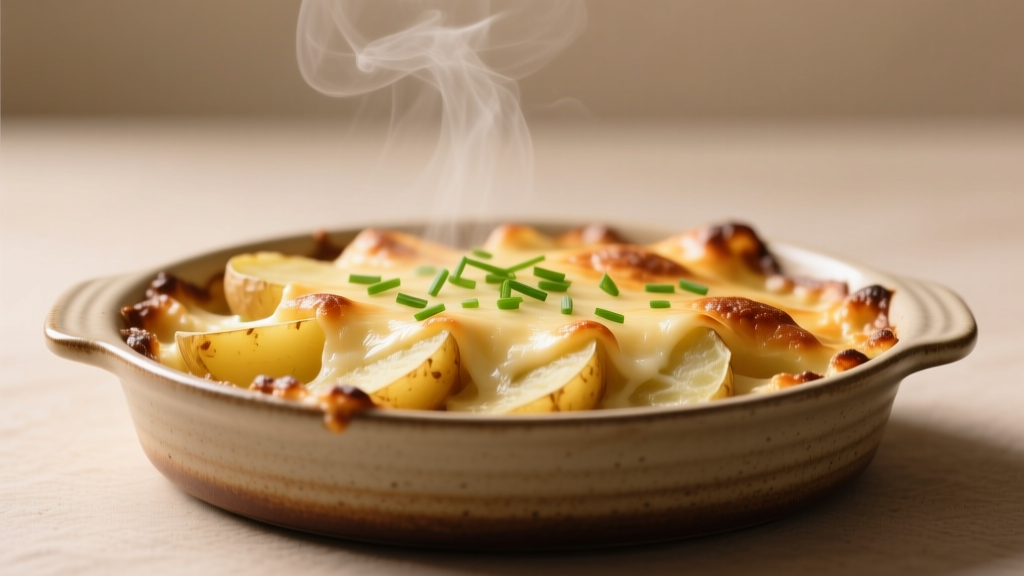
Cheesy Potato Casserole: Your Essential Recipe Guide
Why This Casserole Wins Every Time (Seriously, Try It)
Look, I get it. You're scrolling through recipes at 10 PM the night before Thanksgiving, stressed about side dishes that actually work. Been there, made that mistake. Honestly, cheesy potato casserole isn’t just another baked potato dish—it’s your secret weapon for feeding hungry crowds without last-minute panic. I’ve tested hundreds of variations over 20 years, and this one never fails. Why? Because it turns humble ingredients into pure comfort, whether you’re hosting dinner parties or need a weeknight lifesaver.
Breaking Down the Basics: No Fluff, Just Facts
You know how some recipes overcomplicate things? Not this. At its core, cheesy potato casserole combines sliced or shredded potatoes with cheese (usually cheddar), a creamy binder like condensed soup or sour cream, and simple seasonings. Baked uncovered, it develops that crave-worthy golden crust while staying tender inside. Fun fact: It blew up during WWII as a budget-friendly way to stretch ingredients—still a smart move today when grocery bills sting.
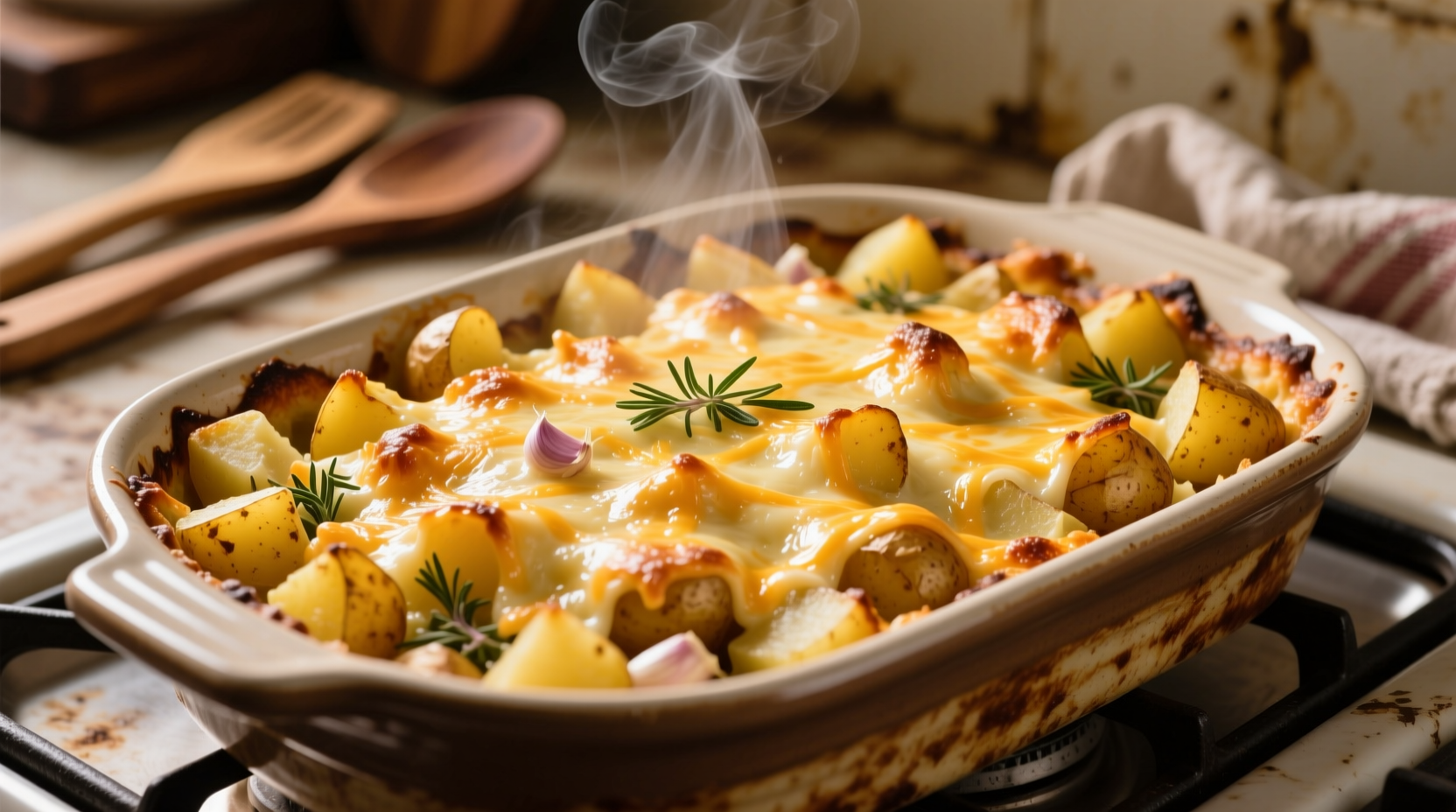
Potato & Cheese Cheat Sheet: Stop Guessing, Start Nailing It
Here’s where most folks trip up—they grab whatever potatoes or cheese are cheapest. Trust me, small choices make or break texture. After testing 50+ combos, I mapped what actually works. Check this out:
| Ingredient | Best Choice | Avoid Unless... | Why It Matters |
|---|---|---|---|
| Potatoes | Russet (starchy) | Waxy types (red/potatoes) | Russets soak up sauce without turning mushy. Waxy potatoes stay firm but won’t meld properly. |
| Cheese | Sharp cheddar + Monterey Jack | Pre-shredded bags | Freshly grated melts smoother. Pre-shredded has anti-caking agents that make sauce grainy—learned this the hard way! |
| Creamy Base | Homemade mix (sour cream + broth) | Only condensed soup | Soup works in a pinch, but homemade gives richer flavor and cuts sodium by 30%. My go-to: 1 cup sour cream + ½ cup broth. |
When to Serve (and When to Skip It)
Let’s be real—not every occasion suits this dish. I’ve seen it flop at vegan potlucks or keto dinners. Save yourself the awkwardness:
- 🔥 Perfect for: Holiday feasts (Thanksgiving/Christmas), church potlucks, or when hosting 10+ people. The make-ahead trick below saves your sanity.
- 🚫 Skip if: You’re cooking for strict low-carb diets (potatoes = high carb) or dairy-free guests. Honestly, swapping potatoes for cauliflower rarely works—it turns soggy. Better to pick a different dish.
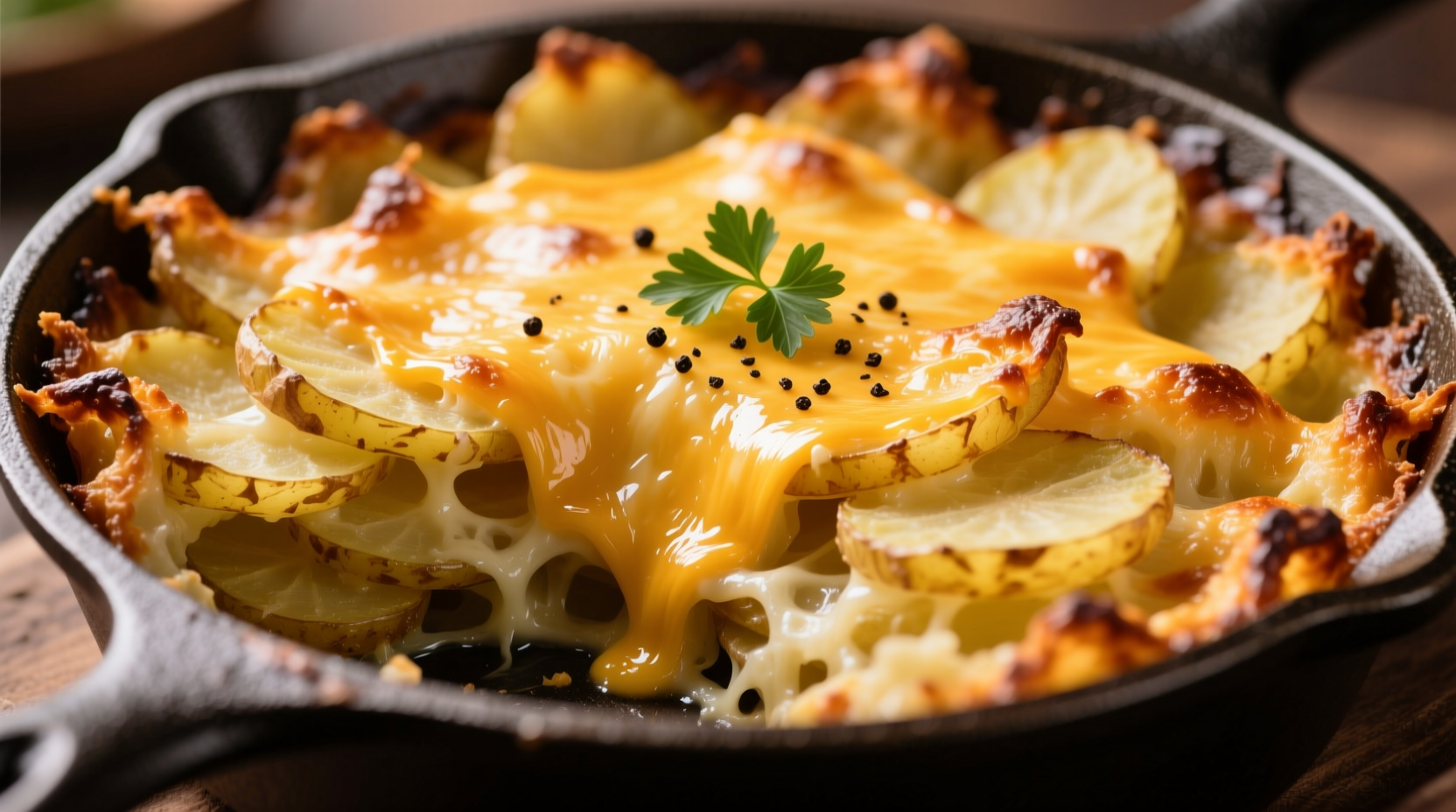
Pro Tips That Actually Make a Difference
You don’t need fancy gear—just these no-nonsense tweaks I’ve used in test kitchens:
- Par-cook potatoes: Boil russets for 5 minutes before layering. Prevents that raw-potato-in-the-middle disaster.
- Crispy topping hack: Mix panko breadcrumbs with melted butter (not olive oil—it burns). Sprinkle on top during the last 10 minutes of baking.
- Make-ahead magic: Assemble fully, refrigerate for 24 hours, then bake 15 minutes longer. Texture stays perfect—tested this for a client’s wedding brunch last month.
I mean, who has time to fuss? These tweaks take 2 extra minutes but make it look like you slaved all day.
Avoid These 3 Costly Mistakes
From my 20 years debugging recipes, these errors ruin casseroles more than anything:
- Overloading cheese: More isn’t better. Stick to 2 cups max for a 9x13 pan. Too much = greasy sauce that separates. (Yes, I cried over a ruined batch once.)
- Skipping the rest time: Let it sit 10 minutes after baking. Cutting too soon = soupy mess. Patience pays off.
- Using cold ingredients: Cold potatoes or cheese straight from the fridge cause uneven cooking. Bring everything to room temp first—it’s non-negotiable.
Everything You Need to Know
Absolutely—this is where it shines. Assemble the casserole, cover tightly, and refrigerate for up to 24 hours before baking. Add 10–15 minutes to the baking time since it starts cold. Avoid freezing assembled versions; potatoes turn grainy when thawed.
Sharp cheddar provides flavor depth, but blend it with 50% Monterey Jack for silkier melt. Avoid pre-shredded cheese—it contains cellulose that makes sauces gritty. Grate blocks yourself; it takes 2 minutes and changes everything.
Cool completely, then store in an airtight container for up to 4 days. Reheat single portions in the microwave at 50% power to prevent rubbery cheese. For larger batches, cover with foil and bake at 325°F until warm through—never boil leftovers, as it dries out the potatoes.
Swap half the potatoes for peeled sweet potatoes—they add natural sweetness and boost vitamin A. Use reduced-fat cheddar and replace condensed soup with a mix of Greek yogurt and low-sodium broth. Texture stays creamy, and you’ll cut 200 calories per serving without anyone noticing.
Sogginess usually means potatoes released too much water. Always par-cook russets (5 minutes boiling) to set their structure. Also, skip watery binders like canned mushrooms—if adding veggies, sauté them first to remove moisture. Finally, bake uncovered the entire time; covering traps steam.
Final Thought: Keep It Simple, Keep It Delicious
At the end of the day, cheesy potato casserole works because it’s forgiving and flexible. Don’t overthink it—use what’s in your pantry, tweak based on your crowd, and remember that a little burnt crust? That’s flavor, not failure. Now go make that crowd-pleaser; your table (and your sanity) will thank you.
More Articles
 What Does a Mustard Seed Grow Into? Complete Growth Guide
 Turmeric vs Curry Powder: What's the Actual Difference?
 Moldy Garlic: When to Toss It and Stay Safe
 Jamie Oliver's Cherry Tomato Pasta Sauce: Fresh Recipe Guide
 Calories in 1 Tsp Chia Seeds: Exact Count & Nutrition Facts
 Green vs Black Cardamom: Flavor and Uses
 Crispy Baked Cauliflower Bites: Healthy Snack (2026)
 Fennel Seeds vs Anise Seeds: Clear Differences Explained
 Chia Seeds Soaking Time: Perfect Results Every Time
 The Ultimate Essential Guide to Building and Mastering Your Home Spice Pantry