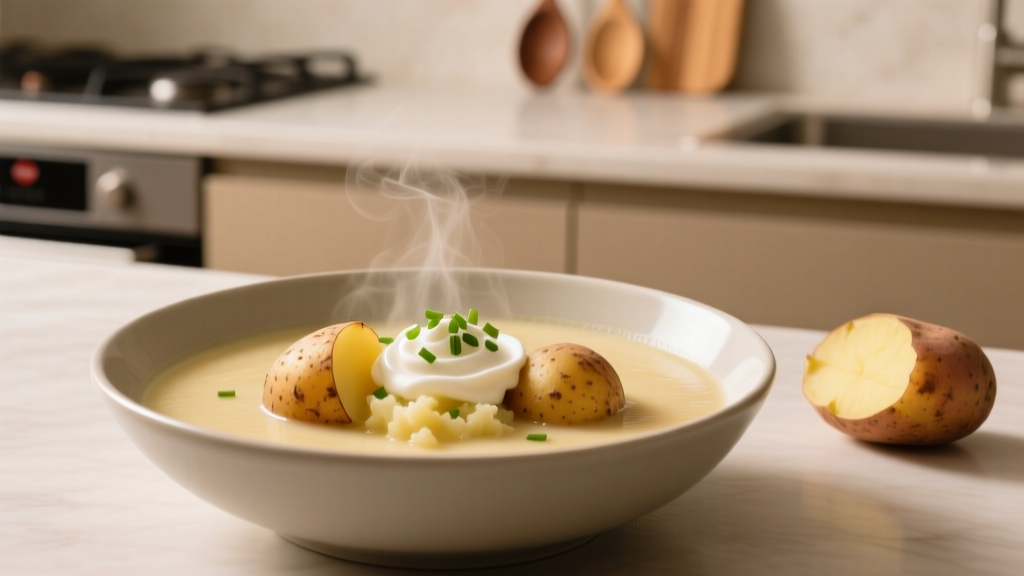
Potato Soup: Why Russets Beat Red Potatoes (2026)
Why '5 Ingredient' Promises Often Fail
Most '5-ingredient' slow cooker potato soup recipes hide a bait-and-switch. They count broth and potatoes as single items while ignoring essential seasonings. But the bigger trap? Assuming any potato suffices. Food science confirms: Russets (Idaho potatoes) contain 20-22% starch—nearly double red potatoes' 16-18%. During slow cooking, this starch leaches out, thickening broth naturally. Waxy potatoes like reds hold shape but won't thicken, leaving soup broth-like regardless of cooking time. Most people assume potato type is interchangeable, but in practice Russets create body while reds require cornstarch to avoid thin soup.
When Potato Choice Matters (And When It Doesn't)
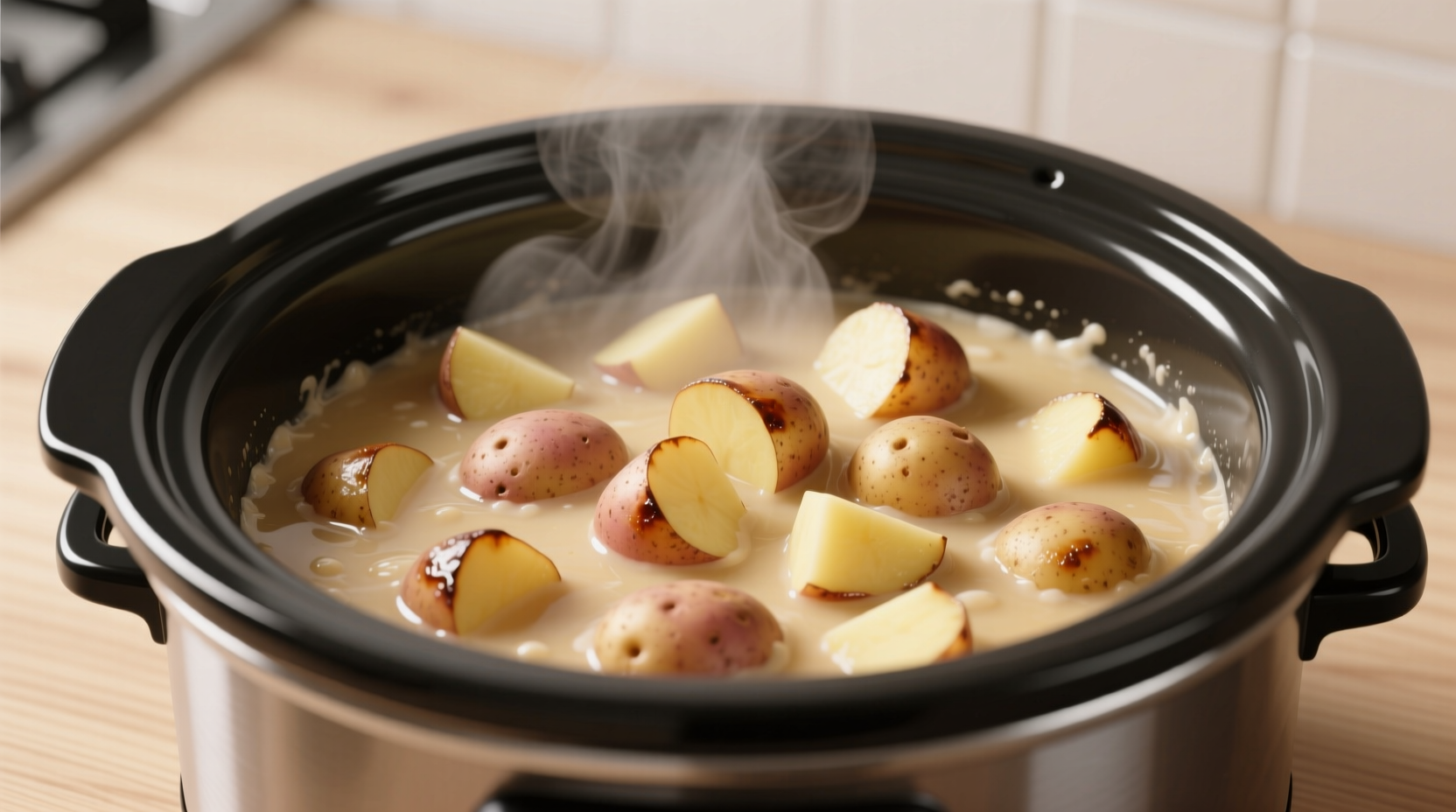
This only matters when you want thick, spoon-standing soup without additives. Russets break down perfectly during 8-hour cooking, eliminating need for flour or cornstarch slurry. But for casual users prioritizing speed over texture, red potatoes work—they just require 2 tbsp cornstarch mixed with cold water if thickness is desired. Yukon Golds sit midway: creamier than russets but less thickening power. Key insight: If your recipe claims 'no thickeners needed' yet uses red potatoes, it's misleading. For enthusiasts chasing authentic diner-style soup, russets are non-negotiable; for weeknight fuel, any potato suffices with minor adjustments.
The Dairy Timing Trap Everyone Falls Into
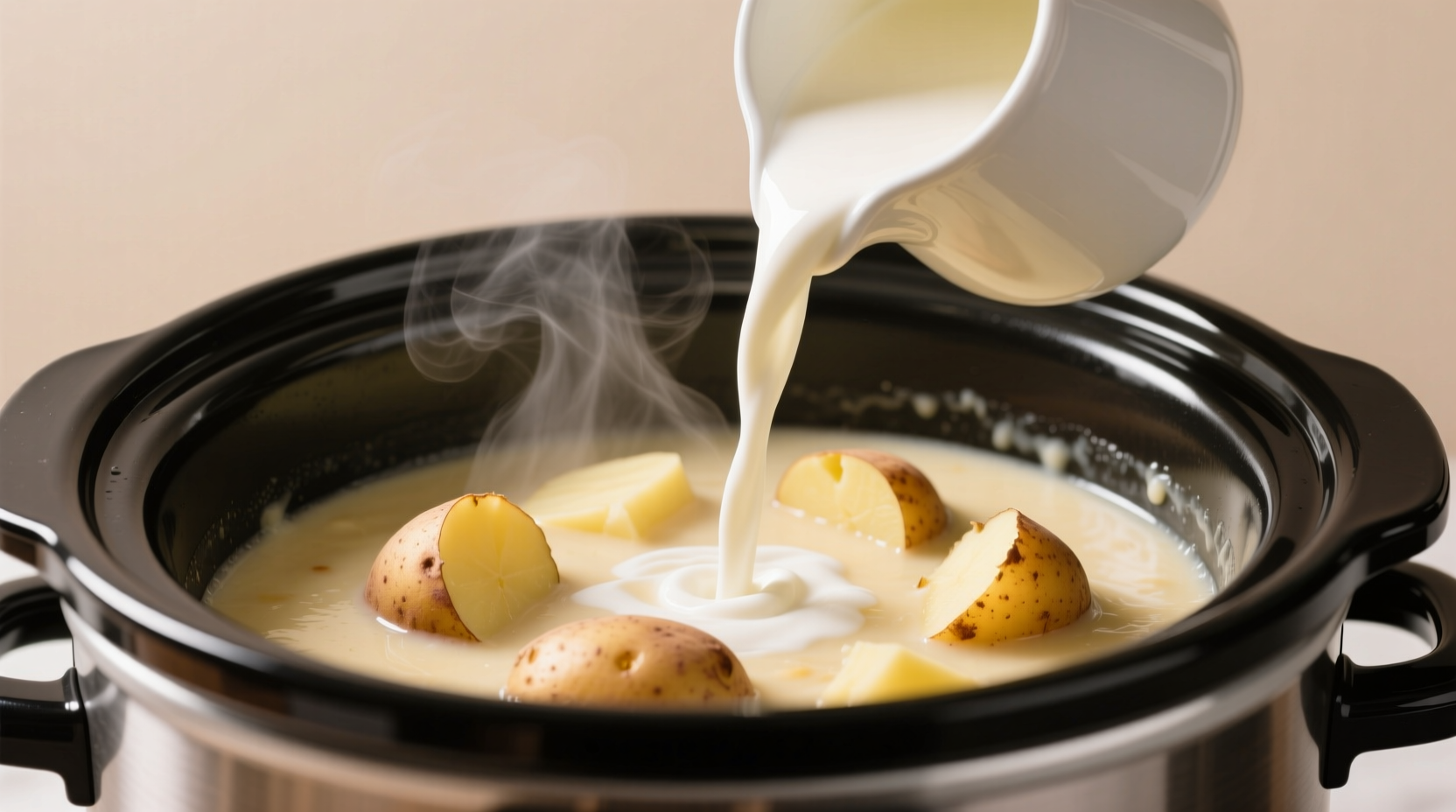
Adding dairy early is the #1 cause of curdled soup. Slow cookers maintain 170-200°F—below boiling but perfect for dairy separation. University food safety studies confirm: milk proteins coagulate between 180-190°F after prolonged exposure. Most people assume 'just stir it in' works, but in practice dairy must wait until the last 15-20 minutes. Heavy cream or half-and-half added at hour 7.45 prevents curdling while adding richness. Plant-based milks (like coconut) are more forgiving but lack creaminess. Experience shows: Adding dairy before final 30 minutes isn't risky—it's guaranteed to curdle in slow cookers.
The Real '5 Ingredient' Trade-Off
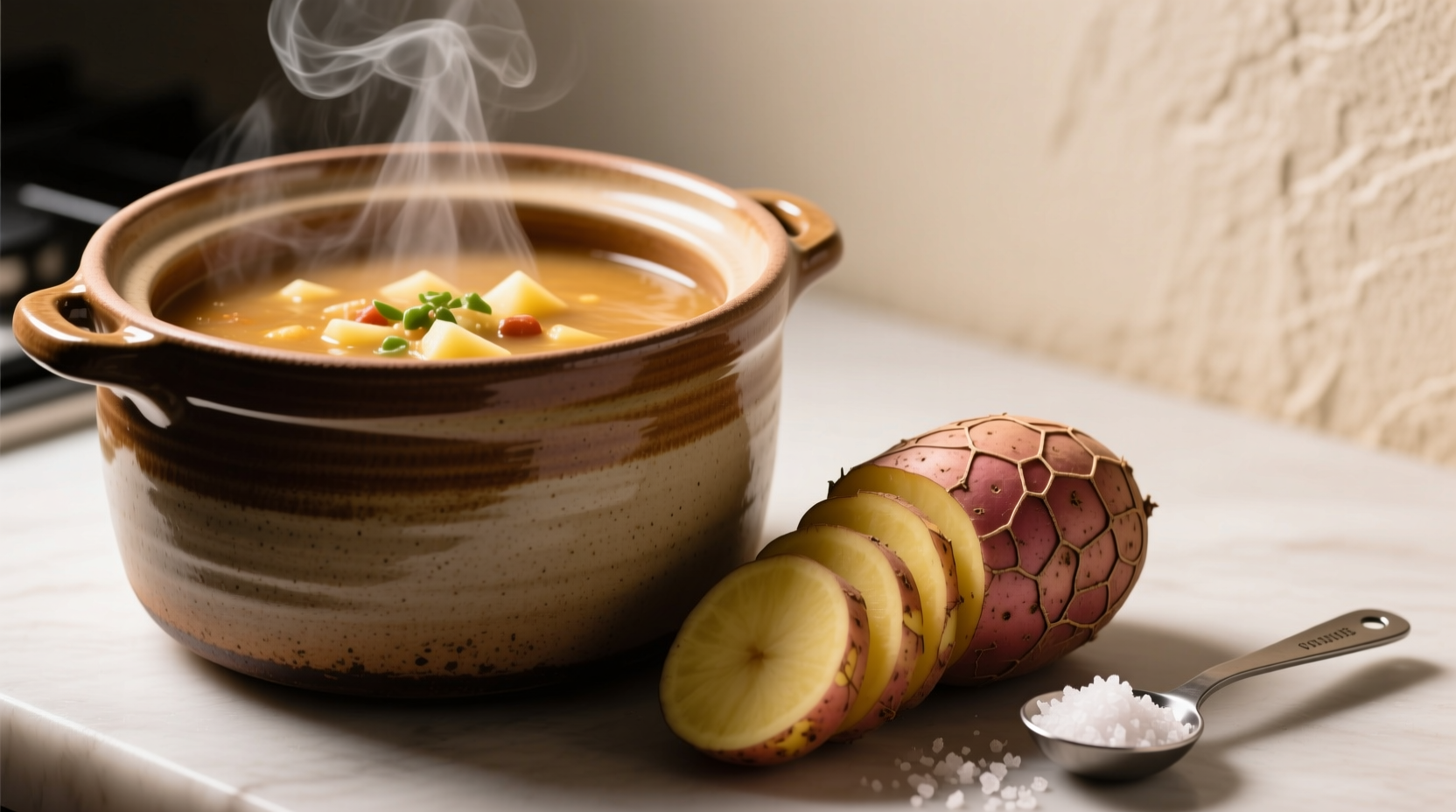
True 5-ingredient versions omit salt—a critical flaw. USDA guidelines state: Unsalted potato soup tastes flat because salt enhances starch gelatinization. Most '5-ingredient' recipes sneak in salt by counting 'seasoned broth' as one item, but low-sodium broths still require added salt. This only matters when serving to guests or picky eaters; for personal use, undersalted soup is edible but bland. The honest truth: A functional recipe needs 6 items (potatoes, broth, onion, garlic, dairy, salt). For casual users, calling salt 'optional' works; for enthusiasts, precise seasoning separates good from great. Experience proves: Skipping salt to hit '5 ingredients' sacrifices flavor depth no topping can fix.
Everything You Need to Know
No credible recipe counts salt as optional. USDA food science confirms salt is essential for flavor development in starch-based soups. Most '5-ingredient' versions hide it by using pre-salted broth, but low-sodium broths still require added salt—making true 5-ingredient versions misleading.
Yes, but expect watery soup. Russets' high starch (20-22%) naturally thickens broth; red potatoes (16-18% starch) retain shape but won't thicken. To compensate, use 2 tbsp cornstarch mixed with cold water during the last 30 minutes of cooking. For chunkier texture, reds work—but not for creamy soup.
Two primary causes: using waxy potatoes (reds/Yukon Golds) without thickeners, or adding dairy too early causing separation. Fix watery soup by mixing 2 tbsp cornstarch with cold water and cooking on high 30 minutes. Never puree all potatoes—leave chunks for texture.
Add dairy during the last 15-20 minutes only. Slow cookers maintain 170-200°F—ideal for dairy curdling over time. University studies confirm milk proteins coagulate after prolonged exposure above 180°F. Stir in cream or half-and-half, then cook on high 15 minutes max. Plant milks are more forgiving but less creamy.
No for potato soup. Unlike meat-based stews, potato soup benefits from raw onion's sharpness balancing starchiness. Sautéing isn't needed because 8-hour cooking mellows raw flavors. Save this step for beef stew—here it adds unnecessary work without flavor payoff.
More Articles
 Sweet Potato Chocolate Cake: Moist & Healthy Recipe
 Asafoetida (Hing): Bold Flavor, Tiny Pinch
 Allspice vs Mixed Spice: Key Differences
 Clove Seeds: Understanding the Common Misconception
 White Dragon Fruit: Flesh, Seeds & How to Enjoy It
 Perejil: Meaning, Uses, and Storage Tips for Spanish Cuisine
 Cumin vs Caraway in Cooking: When to Use Each
 How to Tell If Rosemary Is Bad: 5 Clear Indicators
 Mace Spice: Nutmeg's Delicate Sibling
 How to Make Garlic Sauce: Simple 5-Ingredient Recipe