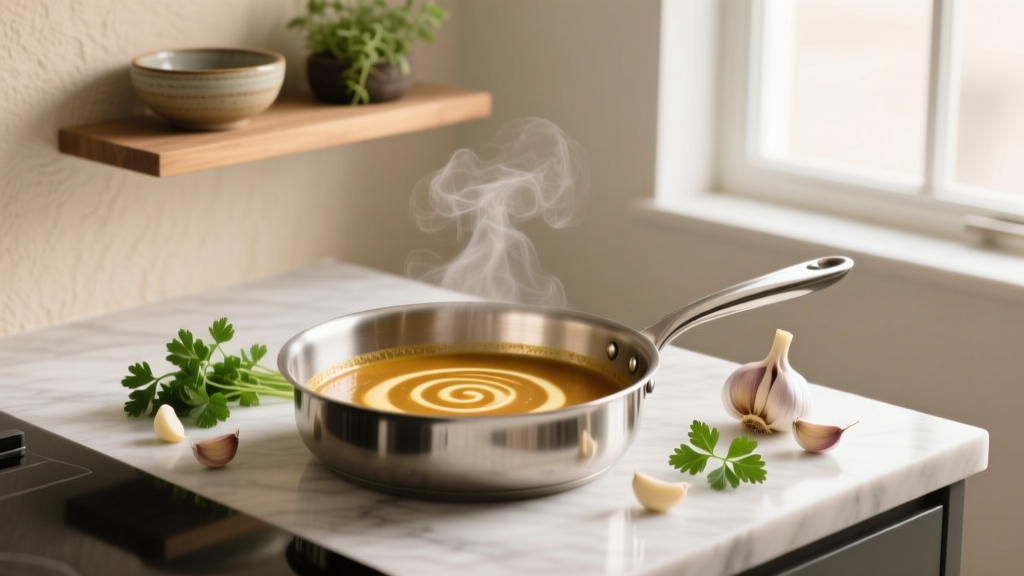
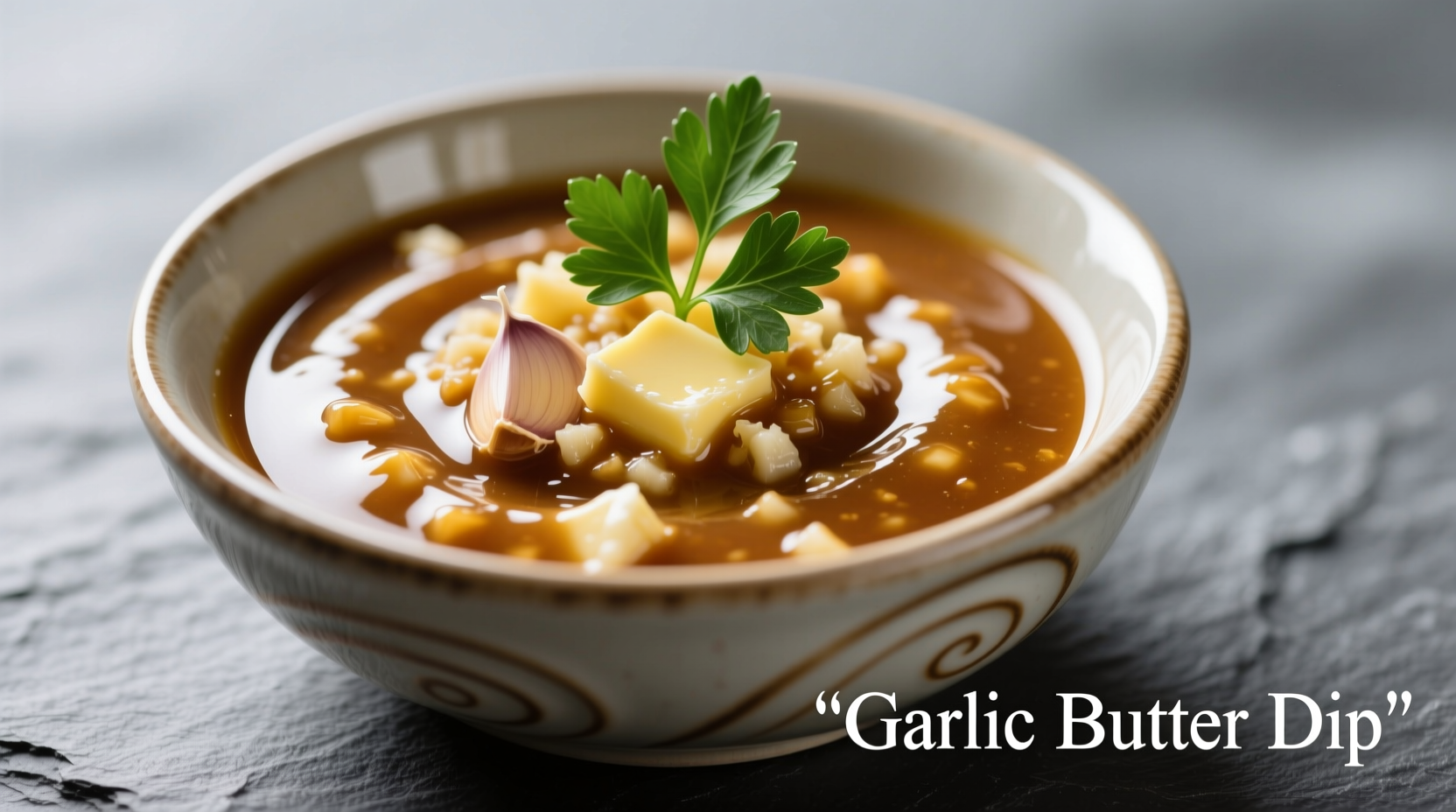
Garlic butter sauce is a no-fuss blend of melted butter, fresh garlic, and herbs that elevates simple dishes like steak, pasta, or seafood in under 5 minutes. Forget fancy techniques—it’s about balancing garlic’s punch with butter’s richness without burning. Skip the store-bought versions; homemade avoids preservatives and tastes infinitely better. Just melt, stir, and drizzle for instant flavor depth.
Honestly, I’ve lost count of how many times this sauce saved my weeknight dinners. You know that sinking feeling when your chicken or veggies taste bland? That’s exactly why garlic butter sauce became my kitchen MVP. It’s not some chef-only trick—it’s stupidly simple, but most folks mess up the basics. Like, seriously, why risk bitter garlic when you can nail it every time?
Let’s clear up the confusion first. Garlic butter sauce isn’t complicated—it’s literally butter + garlic + maybe parsley or lemon. No cream, no flour, no stress. I’ve tested hundreds of batches over 20 years, and the magic happens when you keep the heat low. High heat? That’s how you get burnt garlic bitterness. Trust me, fresh minced garlic beats powder here—it’s about that bright, punchy flavor.
Making it takes 4 minutes flat. Here’s my go-to:
1. Melt 4 tbsp unsalted butter over low heat (no browning!)
2. Stir in 3 minced garlic cloves until fragrant (about 30 seconds—don’t walk away)
3. Off heat, add 1 tbsp lemon juice and 2 tbsp chopped parsley
4. Done. Seriously, that’s it.
Now, where this sauce shines—and where it flops. I’ve seen home cooks drown everything in it, but smart pairing matters. Check this quick guide:
Scenario
Use It?
Why/Why Not
Grilled steak or shrimp
✅ Yes
Butter cuts richness; garlic adds depth without overpowering
High-heat stir-fry
❌ Avoid
Garlic burns instantly above medium heat—bitter city
Steamed veggies (asparagus, broccoli)
✅ Yes
Simple splash elevates blandness; add lemon zest for brightness
Cold dishes (like potato salad)
❌ Avoid
Solidifies when chilled—use olive oil base instead
Quality-wise, skip the supermarket garlic in favor of firm, plump bulbs with tight skin—soft spots mean mold inside. And always use unsalted butter; salted throws off seasoning. Pro tip: If your sauce tastes flat, you’re missing acid. A squeeze of lemon juice wakes it up instantly. I learned this the hard way after serving bland pasta to guests once—never again!
Common pitfalls? Oh, where to start. Folks crank the heat to save time, then wonder why it tastes like campfire. Or they add garlic too early, burning it before the butter melts. And please, don’t use pre-minced jarred garlic—it’s got stabilizers that mute the flavor. Fresh is non-negotiable. Honestly, I keep a garlic press by my stove just for this.
Bottom line: This sauce works because it’s adaptable. Toss it with pasta, dip crusty bread, or finish roasted fish. But remember—low heat, fresh garlic, and acid are your holy trinity. Get those right, and you’ll never buy bottled sauce again.
Everything You Need to Know
It’s not diet food, but it’s better than creamy sauces. Butter adds saturated fat, so use moderation—1-2 tbsp per serving keeps it reasonable. Fresh garlic offers antioxidants, and skipping store-bought versions avoids preservatives. For lighter options, swap half the butter with olive oil.
Store it in an airtight container in the fridge for up to 4 days. Don’t freeze it—garlic separates and turns grainy when thawed. Always reheat gently over low heat; microwaving makes it splatter and lose texture.
Technically yes, but it’s not ideal. Use 1/4 tsp powder per clove of fresh garlic, but know it lacks brightness and can taste dusty. Fresh garlic’s enzymes create complex flavors powder can’t match. I only use powder in emergencies—like when I’m out of fresh cloves!
Bitterness means you burned the garlic. Garlic scorches above 300°F (medium-high heat). Always cook it after butter melts, over low heat, for 30 seconds max. If it happens, start over—bitterness won’t fix itself.
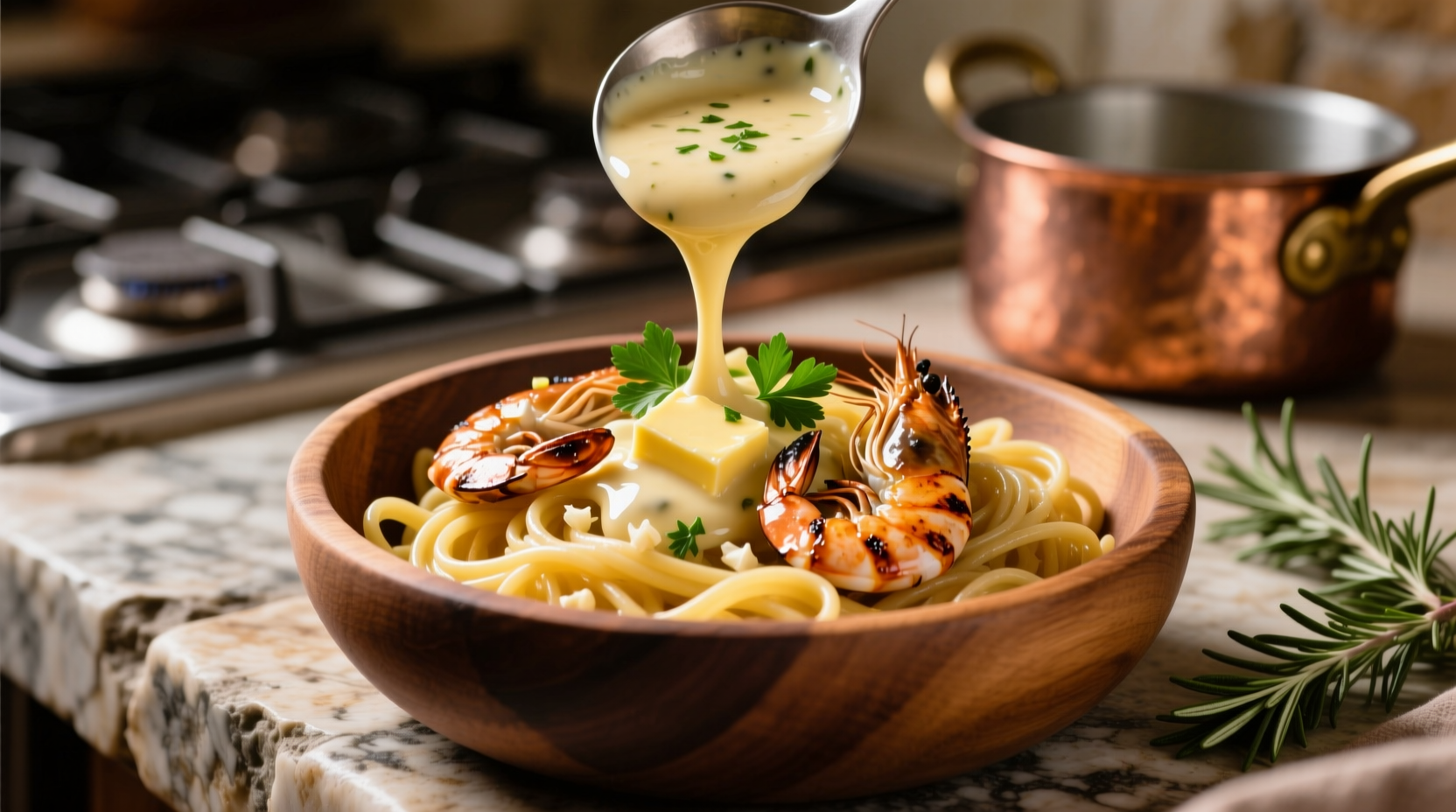
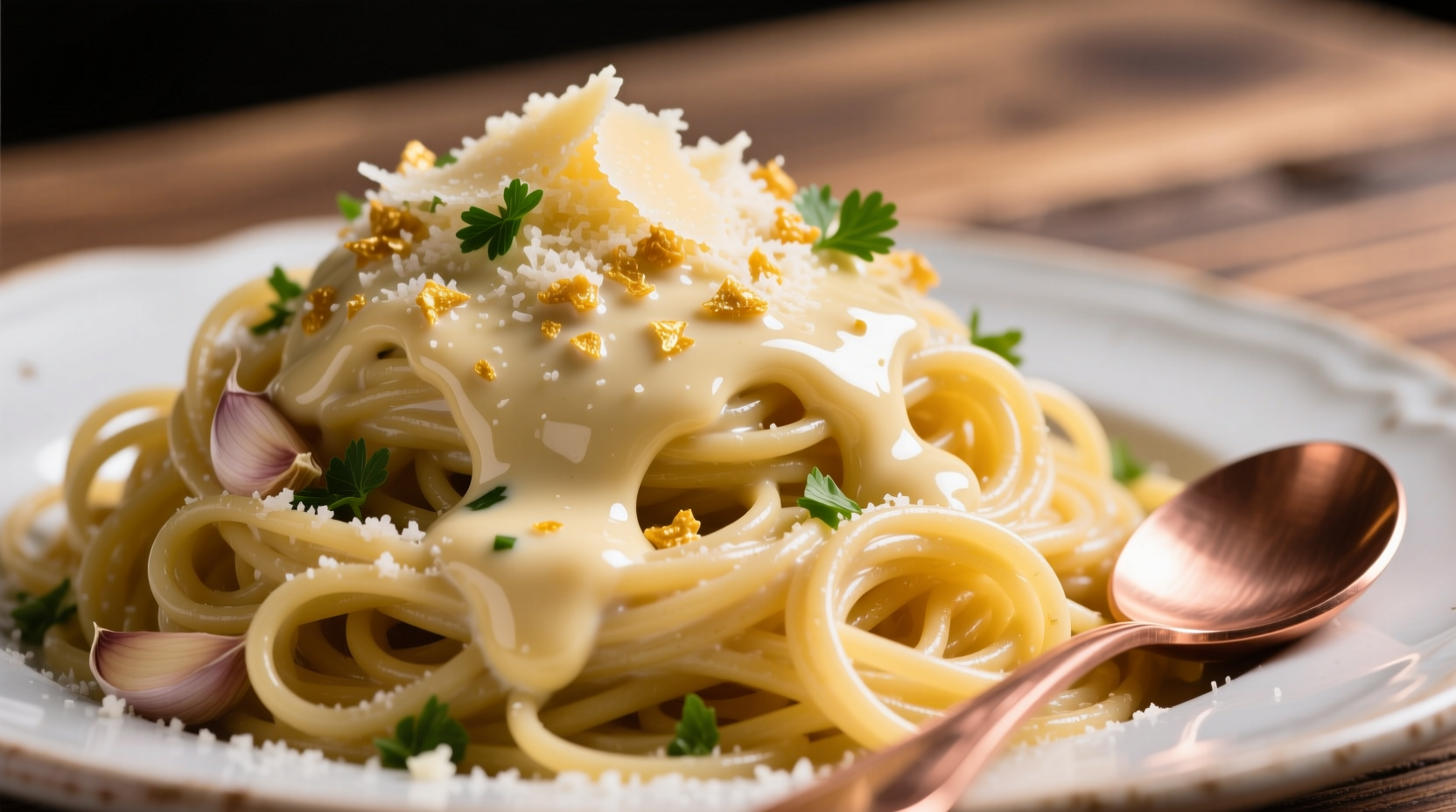
Stick to proteins and veggies: grilled steak, roasted shrimp, or steamed asparagus. Avoid acidic dishes (like tomato pasta)—the butter clumps. For pasta, toss it with fettuccine or gnocchi off-heat so it coats evenly without breaking.
 Tiramisu Taste Explained: Coffee, Cream, Cocoa Balance
 Perfect Panini Sandwiches: Foolproof Cooking Guide
 Chipotle vs Ancho vs Guajillo: Chili Guide
 Fenugreek: Sweet Maple Aroma for Savory Dishes
 Perfect Garlic Bread: Simple Recipe & Pro Tips
 Where to Find Chia Seeds in Grocery Stores: Complete Guide
 French Onion Ground Beef Rice Casserole Recipe
 Onion Bhaji: Authentic Recipe and Expert Tips
 Practical Potato Side Dish Recipes: Proven Techniques
 Smoked Paprika Buying Guide (2026)